PM Dhan-Dhaanya Krishi Yojana: Centre Pushes District-Led Agriculture Growth, Food Processing and Rural Enterprise Development
Shivraj Singh Chouhan calls for coordinated implementation across 100 priority districts, with greater farm credit, pulses cultivation in rice fallow areas, water conservation and high-value horticulture Key Highlights District-led agricultural planning: District Collectors have been asked to
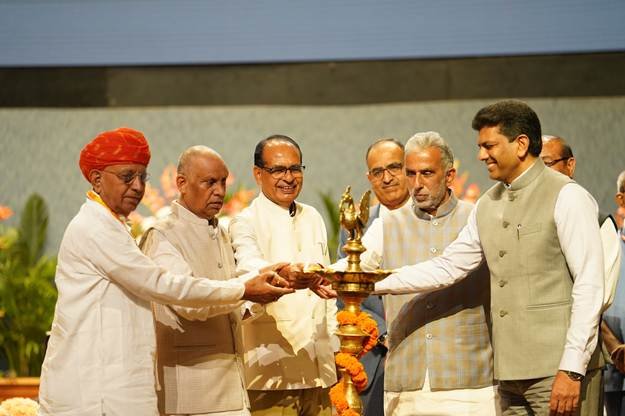
Shivraj Singh Chouhan calls for coordinated implementation across 100 priority districts, with greater farm credit, pulses cultivation in rice fallow areas, water conservation and high-value horticulture
Key Highlights
- District-led agricultural planning: District Collectors have been asked to review agricultural action plans monthly and accelerate implementation through coordinated departmental efforts.
- Focus on 100 districts: PM Dhan-Dhaanya Krishi Yojana targets areas with low agricultural productivity, low cropping intensity and inadequate institutional credit.
- Food processing and value addition: The government emphasised convergence between agriculture, food processing, water management, dairy, fisheries, MSMEs and skill development.
- Higher agricultural credit: Officials have been urged to expand Kisan Credit Card coverage and improve institutional credit access, particularly in eastern India and underdeveloped districts.
- Crop diversification: Pulses and oilseeds cultivation in rice fallow areas is being prioritised to improve land utilisation and farm output.
- District-level innovations: Water conservation in Gadchiroli, high-value horticulture in Alluri Sitharama Raju and natural farming in Banka were highlighted as examples of local agricultural development.
PMDDKY Conference Calls for Coordinated Action to Strengthen Farm Incomes
The Centre has called for stronger district-level planning and inter-ministerial coordination to improve agricultural productivity, strengthen rural livelihoods and increase farmers’ incomes under the Prime Minister Dhan-Dhaanya Krishi Yojana (PMDDKY).
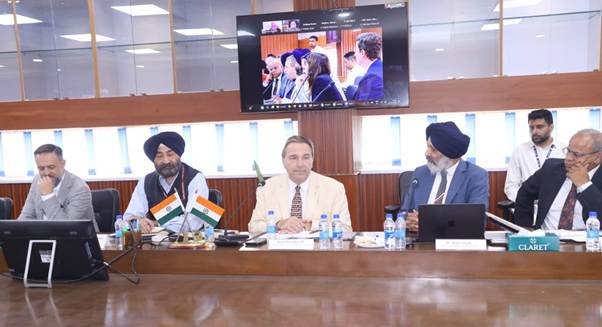
Addressing the scheme’s national conference at the Bharat Ratna C. Subramaniam Auditorium, PUSA, New Delhi, on 12 October 2026, Union Minister for Agriculture and Farmers’ Welfare and Rural Development Shivraj Singh Chouhan urged District Collectors and senior officials to focus on measurable outcomes and ensure that government schemes translate into tangible improvements for farming communities.
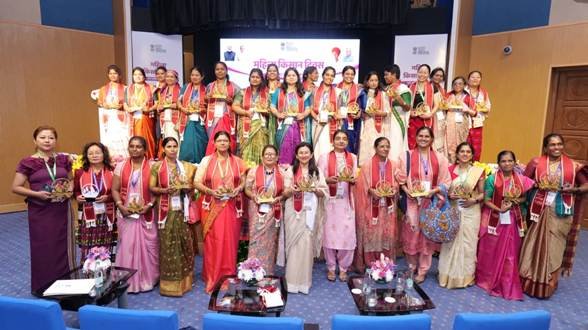
The conference brought together district administrators, agricultural scientists, policymakers and officials representing more than 50 districts. Outstanding-performing districts were felicitated, while district representatives presented initiatives aimed at improving agricultural productivity, water management, crop diversification and farmers’ incomes.
Chouhan emphasised that agricultural action plans must reflect local conditions rather than follow a uniform approach. He called for monthly reviews by district administrations and stronger coordination wherever implementation progress remains slow.
Agriculture, Food Processing and Rural Enterprise to Work Together
A central focus of the conference was the convergence of government programmes across sectors to improve farm incomes and strengthen the rural economy.
The Minister highlighted the role of the Ministry of Jal Shakti in water management, the Ministry of Food Processing Industries in processing and value addition, and cooperative institutions and Farmer Producer Organisations (FPOs) in strengthening collective farming and market access. Animal husbandry, dairy, fisheries, micro, small and medium enterprises (MSMEs), and skill development were also identified as important components of the coordinated approach.
The government also stressed the need to connect agricultural research more directly with farmers. Research undertaken by scientists associated with the Indian Council of Agricultural Research (ICAR), along with the work of Krishi Vigyan Kendras (KVKs), Agricultural Technology Management Agencies and agricultural universities, is expected to support the adoption of improved agricultural practices.
For rural areas, this integrated approach could strengthen the links between primary production, processing, storage, marketing and enterprise development.
Pulses, Oilseeds and Agricultural Credit Among Key Priorities
The Minister called for mission-mode promotion of pulses and oilseeds in rice fallow areas, where agricultural land remains uncultivated after the paddy harvest. Expanding cultivation in these areas could improve land utilisation and diversify agricultural output.
He also emphasised wider Kisan Credit Card coverage and faster access to institutional credit, particularly in eastern India and districts where credit availability remains limited. Access to finance is important for farmers seeking better seeds, suitable fertilisers and modern agricultural technologies.
PMDDKY focuses on 100 districts identified for challenges involving agricultural productivity, cropping intensity and agricultural credit. The scheme’s district-specific approach is intended to address these gaps through coordinated planning and the convergence of existing government programmes.
Three District Models Showcase Agricultural Innovation
The conference highlighted local initiatives that demonstrate how district-level planning can address different agricultural challenges.
Gadchiroli, Maharashtra — Water conservation and drought resilience
Gadchiroli presented its work on water conservation and drought management, demonstrating how local interventions can help improve agricultural resilience and productivity in water-stressed areas.
Alluri Sitharama Raju, Andhra Pradesh — High-value horticulture
The district showcased the promotion of high-value horticultural crops suited to a low-rainfall environment. The initiative aims to improve farmers’ incomes through crop choices adapted to local water conditions.
Banka, Bihar — Natural farming and land revival
Banka presented the Lilawaran Natural Farming Land Revival Model, which promotes natural farming practices and seeks to reduce dependence on chemical fertilisers.
Agricultural initiatives from Kishtwar in Jammu and Kashmir, Korba in Chhattisgarh and Fazilka in Punjab also received appreciation during the conference.
Impact on Hospitality, Food Processing and Tourism
1. Potential to strengthen food procurement for hotels and restaurants
Greater agricultural productivity and crop diversification could improve the availability of cereals, pulses, oilseeds, fruits and vegetables for foodservice businesses. Hotels, restaurants, caterers and institutional kitchens could benefit from stronger regional sourcing networks, provided improvements translate into consistent supply and competitive prices.
2. New opportunities for food processing and value-added products
The emphasis on coordination with the Ministry of Food Processing Industries is particularly relevant to hospitality and food manufacturing. Better links between farmers, FPOs, processors and buyers could support the development of processed foods, regional ingredients and value-added agricultural products for hotels, restaurants and catering operations.
3. Greater potential for regional cuisine and culinary tourism
High-value horticulture and diversified crop production could help destinations strengthen their regional food identities. Hotels and tourism operators may be able to build seasonal menus, farm-to-table dining experiences and culinary trails around locally grown produce and traditional agricultural practices.
4. Opportunities for agritourism and rural hospitality
Districts investing in water conservation, horticulture and natural farming could explore farm stays, educational farm visits, village experiences and rural food tourism. Such opportunities would require additional investment in accommodation, visitor facilities, transport connectivity and destination marketing; agricultural development alone does not guarantee tourism growth.
5. Stronger rural livelihoods and local enterprise development
The integration of agriculture with dairy, fisheries, cooperatives, MSMEs and skill development could create opportunities for rural businesses linked to food production, processing and distribution. Where these initiatives generate additional local employment and income, they may also support demand for homestays, eateries and other community-based tourism services.
Industry Takeaway
The PM Dhan-Dhaanya Krishi Yojana conference highlights the importance of connecting agricultural development with food processing, market access, rural enterprise and local infrastructure. For India’s hospitality industry, the most relevant developments will be improvements in the reliability of agricultural supplies, availability of regional ingredients and growth of value-added food businesses.
For tourism operators, the emphasis on high-value horticulture, natural farming and district-led development also points to potential opportunities in agritourism and culinary experiences.
The key test will be whether coordinated implementation across the 100 priority districts produces sustained improvements in farm incomes, agricultural resilience and supply-chain efficiency. These outcomes could create benefits extending beyond agriculture to the wider foodservice, hospitality and rural tourism economy.