Sikkim to Strengthen Dairy Infrastructure with ₹2.51 Crore Initiatives; 57 New Dairy Cooperatives Planned Under White Revolution 2.0
Union Minister Rajiv Ranjan Singh's visit to Gangtok and Mangan focuses on dairy modernisation, Churpi cheese traceability, indigenous livestock conservation and value-added food products Key Highlights: Projects and initiatives worth ₹251.56 lakh (₹2.51 crore) to be inaugurated
Union Minister Rajiv Ranjan Singh’s visit to Gangtok and Mangan focuses on dairy modernisation, Churpi cheese traceability, indigenous livestock conservation and value-added food products
Key Highlights:
- Projects and initiatives worth ₹251.56 lakh (₹2.51 crore) to be inaugurated and launched in Sikkim.
- Microbiology laboratory for Sikkim Milk Union to be inaugurated under the National Programme for Dairy Development (NPDD).
- Establishment of 57 new Dairy Cooperative Societies (DCSs) to be promoted under White Revolution 2.0, alongside 15 new societies in North Sikkim.
- Traceability initiative for Churpi cheese manufactured in Gangtok and Jorethang to be unveiled.
- New products, including organic honey, Niger seed-blended powder, millet- and buckwheat-based biscuits and sweets, to be introduced.
- Two Fodder Plus Farmer Producer Organisations (FPOs) to be promoted under the Centre’s 10,000 FPO Scheme.
Sikkim Expands Dairy Infrastructure and Cooperative Network
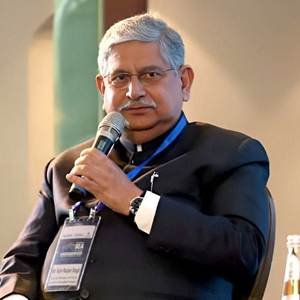
Sikkim is set to strengthen its dairy and livestock sectors through new infrastructure, cooperative development and food product diversification, with Union Minister for Fisheries, Animal Husbandry and Dairying, Shri Rajiv Ranjan Singh (Lalan Singh), visiting Gangtok and Mangan districts on November 2–3, 2026.
During the visit, the Minister will inaugurate and launch projects and initiatives worth ₹251.56 lakh (approximately ₹2.52 crore), focusing on dairy development, livestock infrastructure, farmer participation and value addition.
A key initiative will be the inauguration of a microbiology laboratory for the Sikkim Milk Union under the National Programme for Dairy Development (NPDD). The facility is expected to strengthen milk quality testing and quality assurance, supporting improvements in dairy processing and product standards.
The Minister will also launch initiatives for establishing 57 new Dairy Cooperative Societies (DCSs) under White Revolution 2.0 and distribute registration certificates to five newly registered societies. Additionally, the formation of 15 new dairy cooperative societies in North Sikkim will be initiated to expand the state’s organised dairy network and bring more farmers into cooperative-based milk procurement and marketing systems.
Churpi Cheese Traceability and New Organic Food Products
An important highlight of the visit will be the unveiling of a traceability initiative for Churpi cheese produced in Gangtok and Jorethang. The initiative aims to strengthen product identification and traceability, potentially supporting quality assurance, consumer confidence and better market positioning for this traditional Sikkimese dairy product.
The Minister will also promote two Fodder Plus Farmer Producer Organisations (FPOs) for the Sikkim Milk Union under the Government of India’s 10,000 FPO Scheme. These organisations are expected to strengthen collective activities around fodder production and improve support for dairy farmers.
Product diversification will be another focus, with the unveiling of new products, including:
- Organic honey.
- Niger seed-blended powder.
- Organic biscuits and sweets made from millets and buckwheat.
The introduction of these products highlights opportunities to connect local agricultural produce with food processing, entrepreneurship and value-added food markets.
Sikkim’s Dairy and Livestock Sector: Key Government Investments
Sikkim has emerged as an important contributor to dairy development in the Northeastern Region. During 2024–25, the state recorded milk production of approximately 89.35 thousand metric tonnes, with per capita milk availability of around 352 grams per day.
The Department of Animal Husbandry and Dairying (DAHD) has released ₹7,093.99 lakh under the Rashtriya Gokul Mission (RGM) since 2014 to support dairy development.
A special project worth ₹2,763.92 lakh has also been sanctioned for the development and conservation of the indigenous Siri cattle breed.
For yak conservation and development, ₹100 lakh was released during 2023–24. An additional ₹100 lakh has been released during FY 2026–27 for procuring High Genetic Merit (HGM) yak bulls under the Rashtriya Gokul Mission.
Under NPDD, nine projects with a total outlay of ₹59.60 crore have been sanctioned for Sikkim, including a Central share of ₹54.61 crore. Of this, ₹53.59 crore has been released and ₹52.61 crore utilised.
Financial assistance under the National Livestock Mission (NLM) from FY 2020–21 onwards includes:
- ₹1,914.39 lakh for fodder production.
- ₹530.62 lakh for livestock insurance.
- ₹408.64 lakh for small ruminant and pig breed improvement.
- ₹359.80 lakh for training and extension activities.
The visit will also involve senior officials from the Government of Sikkim, DAHD, the National Dairy Development Board (NDDB), district administration, dairy farmers, cooperative societies and Dairy Farmer Producer Organisations.
Impact on Hospitality, Food Processing and Travel & Tourism
The dairy development initiatives have implications beyond livestock farming, particularly for Sikkim’s hospitality, food processing and tourism industries. Improved dairy infrastructure, product traceability and local food manufacturing could strengthen connections between rural producers and tourism-related businesses.
1. Hotels, Resorts and Restaurants
Improved milk quality testing, dairy processing and organised cooperative procurement could support a more reliable supply of locally produced dairy products to hotels, resorts, restaurants and cafés. Traditional products such as Churpi cheese could also find wider applications in regional menus and specialty food offerings.
2. Churpi Cheese and Culinary Tourism
The traceability initiative for Churpi cheese could strengthen its identity as a distinctive regional food product. With better product identification and quality assurance, Churpi has potential for greater visibility in specialty food retail, hotel menus and culinary tourism experiences.
3. Organic and Millet-Based Food Products
The introduction of organic honey, millet- and buckwheat-based biscuits and sweets creates opportunities for local food brands, cafés, bakeries, souvenir outlets and hospitality businesses. These products could also complement the growing demand for regional, traditional and locally sourced food experiences.
4. Food Processing and Entrepreneurship
The expansion of dairy cooperatives and FPOs can encourage small-scale food processing, packaging, product development and distribution. Stronger farmer organisations could improve aggregation of raw materials and create opportunities for local entrepreneurs.
5. Rural and Sustainable Tourism
The development of dairy infrastructure and livestock-based livelihoods could support rural economic activity. Traditional dairy products, indigenous cattle breeds and yak-related activities also offer opportunities to strengthen Sikkim’s rural and cultural tourism identity.
Strengthening Sikkim’s Position in Regional Dairy and Food Markets
The initiatives planned during the Union Minister’s visit reflect a broader effort to modernise Sikkim’s dairy ecosystem through cooperative expansion, scientific quality testing, indigenous breed conservation and product diversification.
For the hospitality and tourism industry, the key opportunity lies in connecting Sikkim’s local dairy and agricultural products with hotels, restaurants, food retailers and regional tourism experiences. Improved traceability, processing and market access could help traditional products gain stronger commercial recognition while creating additional income opportunities for farmers and food entrepreneurs.