Sikkim to Establish Centre of Excellence for Indigenous Siri Cattle; Centre Pushes Dairy Modernisation Under White Revolution 2.0
Union Minister Rajiv Ranjan Singh reviews dairy and livestock development in Sikkim; initiatives focus on Siri breed conservation, scientific pig breeding, artificial insemination and integrated 'Sikkim Milk' branding Key Highlights: Centre of Excellence for conservation and development
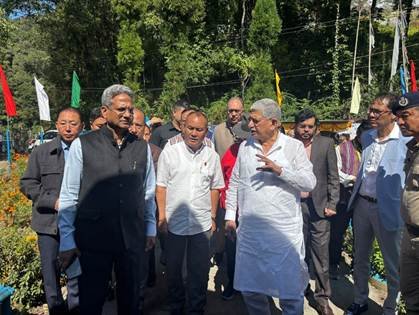
Union Minister Rajiv Ranjan Singh reviews dairy and livestock development in Sikkim; initiatives focus on Siri breed conservation, scientific pig breeding, artificial insemination and integrated ‘Sikkim Milk’ branding
Key Highlights:
- Centre of Excellence for conservation and development of indigenous Siri cattle to be established in Sikkim.
- Siri Bull Mother Farm to come up at Chuchachen, Pakyong district, to support genetic improvement and scientific breeding.
- North District Cooperative Milk Producers’ Union Ltd. digitally launched under White Revolution 2.0.
- NDDB directed to prepare a modernisation plan for dairy infrastructure and development of an integrated ‘Sikkim Milk’ brand.
- New protocols introduced for semen production and artificial insemination using liquid semen in pigs.
- Siri Cattle Conservation Programme launched to preserve indigenous genetic resources and improve livestock productivity.
- Proposed use of In Vitro Fertilisation (IVF) technology to accelerate genetic improvement.
Centre Announces Centre of Excellence for Siri Cattle Conservation in Sikkim
Sikkim is set to strengthen its indigenous livestock conservation and dairy development ecosystem, with the Centre announcing plans to establish a Centre of Excellence for the conservation and development of the Siri cattle breed.
The announcement was made by Union Minister for Fisheries, Animal Husbandry and Dairying, Shri Rajiv Ranjan Singh (Lalan Singh), during his two-day visit to Sikkim on November 2–3, 2026, to review the progress of dairy and animal husbandry initiatives in the state.
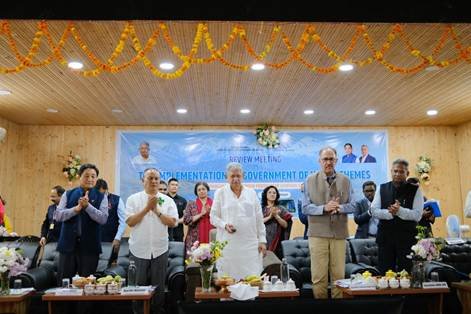
The visit focused on indigenous breed conservation, scientific livestock breeding, dairy cooperative expansion, improved animal productivity and sustainable livelihood opportunities for farmers and livestock rearers.
The Minister directed officials to prepare a comprehensive action plan for Siri cattle conservation, covering breed improvement, genetic preservation and scientific breeding practices. He also emphasised preparing a work plan for introducing In Vitro Fertilisation (IVF) technology to accelerate genetic improvement and multiplication of superior germplasm.
Siri Bull Mother Farm to Be Developed at Chuchachen
As part of the conservation programme, the Union Minister digitally laid the foundation stone for the Siri Bull Mother Farm at Chuchachen in Pakyong district.
The proposed facility will support the conservation of the indigenous Siri cattle breed and strengthen scientific breeding and genetic improvement initiatives. It is expected to facilitate the multiplication of quality germplasm and improve the availability of superior breeding resources.
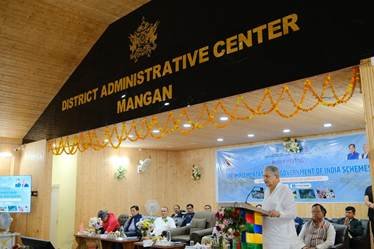
The Minister also digitally launched the Siri Cattle Conservation Programme, aimed at preserving valuable indigenous genetic resources while improving the productivity and sustainability of livestock-based livelihoods.
These initiatives are particularly relevant for Sikkim, where indigenous livestock breeds contribute to rural livelihoods and the state’s agricultural identity.
White Revolution 2.0: New Dairy Cooperative Union Launched
Another significant development during the visit was the digital launch of the North District Cooperative Milk Producers’ Union Ltd. (NDMU) at Mangan under White Revolution 2.0.
The initiative is intended to expand organised dairy activities in North Sikkim and bring more dairy farmers into the cooperative network, strengthening institutional support for milk production, procurement and marketing.
To support the implementation, the Union Minister advised the National Dairy Development Board (NDDB) to prepare a comprehensive development plan covering:
- Modernisation of the dairy processing plant.
- Expansion of the dairy cooperative network.
- Strengthening of milk procurement and processing infrastructure.
- Development of an integrated ‘Sikkim Milk’ brand.
The proposed branding initiative is expected to improve the market identity of Sikkim’s dairy products and create opportunities for stronger market access and value realisation for dairy farmers.
Scientific Pig Breeding to Improve Livestock Productivity
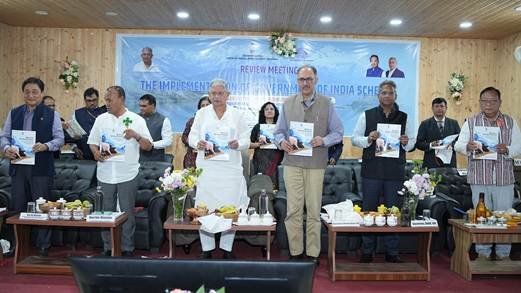
The Minister also launched the publication titled ‘Minimum Standard Protocol for Semen Production and Standard Operating Procedures for Artificial Insemination Using Liquid Semen in Pigs’.
The protocols establish a standardised framework for semen production and artificial insemination in pig farming. They aim to promote scientific breeding practices, improve genetic quality, enhance reproductive efficiency and strengthen biosecurity.
The adoption of these technologies is expected to support better livestock productivity, reduce the risk of disease transmission and improve farmers’ incomes.
Pig rearing plays an important role in rural livelihoods across the Northeastern Region, making improvements in breeding technology and livestock management particularly relevant for the region’s animal husbandry sector.
Dairy and Livestock Initiatives Linked to Rural Development
During the visit, the Minister also toured Tingda Government Primary School, interacted with students and encouraged them to pursue education. He subsequently visited the Ramthang Primary Health Sub-Centre and Wellness Centre to review healthcare facilities.
An exhibition featuring Siri bulls, Siri cows, livestock-based products, dairy products and locally grown organic vegetables provided an opportunity to interact with farmers and understand indigenous breed conservation and value-added production activities.
The visit brought together representatives of the Government of Sikkim, dairy cooperatives and livestock stakeholders to review ongoing programmes and identify development priorities.
Impact on Hospitality, Food Processing and Travel & Tourism
The dairy and livestock initiatives announced in Sikkim have potential implications for the state’s hospitality, food processing and tourism industries. Improved dairy infrastructure, organised milk procurement and indigenous livestock conservation could strengthen the supply of locally produced food products to tourism-related businesses.
1. Hotels, Resorts and Restaurants
Modernised dairy processing and an expanded cooperative network could improve the availability of locally sourced milk and dairy products for hotels, resorts, cafés and restaurants. This may support more reliable procurement and encourage the use of regional ingredients.
2. Development of the ‘Sikkim Milk’ Brand
The proposed integrated Sikkim Milk brand could create a stronger identity for locally produced dairy products. With appropriate quality standards, packaging and distribution, the brand could explore opportunities in hotel procurement, retail outlets, tourism destinations and specialty food markets.
3. Regional Food and Culinary Tourism
Sikkim’s indigenous livestock breeds and traditional dairy products offer opportunities to strengthen regional food experiences. Local dairy products could be incorporated into traditional menus, culinary festivals and farm-based tourism activities.
4. Food Processing and Value Addition
Improved milk procurement and processing infrastructure could encourage the development of value-added dairy products such as cheese, yoghurt, butter and other processed foods. This could create opportunities for local food entrepreneurs and small-scale processing units.
5. Sustainable Rural and Farm Tourism
The Siri Cattle Conservation Programme and proposed Centre of Excellence could support educational and farm-based tourism opportunities in the longer term. Indigenous breed conservation, scientific livestock management and rural dairy activities could become part of agricultural tourism experiences.
6. Stronger Local Food Supply Chains
Expansion of dairy cooperatives and livestock productivity initiatives could improve connections between rural producers, food processors and hospitality businesses, supporting a more organised local food supply chain.
Sikkim Focuses on Scientific Breeding and Dairy-Led Economic Growth
The Union Minister’s visit highlights the Centre’s focus on strengthening Sikkim’s dairy and livestock sectors through indigenous breed conservation, modern reproductive technologies and cooperative-led development.
The proposed Centre of Excellence for Siri cattle, Siri Bull Mother Farm, scientific pig breeding protocols and expansion of the dairy cooperative network represent important interventions in livestock development.
For the hospitality and tourism industry, the proposed modernisation of dairy infrastructure and development of the ‘Sikkim Milk’ brand could create new opportunities for local sourcing, regional food products and value-added dairy offerings. Stronger connections between farmers, processors and hospitality businesses could further support Sikkim’s rural economy and food tourism potential.