Lumpy Skin Disease in Delhi Remains Under Control; DAHD Reviews Vaccination and Disease-Control Measures
Around 45,950 cattle vaccinated in 2026 as authorities focus on surveillance, isolation, vector control and biosecurity Key Highlights: Around 584 active LSD cases reported in Delhi as of September 13, 2026. Disease described as sporadic, low in severity
Around 45,950 cattle vaccinated in 2026 as authorities focus on surveillance, isolation, vector control and biosecurity
Key Highlights:
- Around 584 active LSD cases reported in Delhi as of September 13, 2026.
- Disease described as sporadic, low in severity and presently under control.
- No mortality reported among affected cattle in Delhi.
- More than 45,950 animals vaccinated against Lumpy Skin Disease during 2026.
- Authorities instructed to strengthen surveillance, isolation, disinfection and vector-control measures.
- Greater coordination with MCD, gaushalas and other stakeholders advised for stray cattle vaccination and management.
- Physical check-posts across neighbouring states recommended to support movement control.
New Delhi, September 13, 2026: The Department of Animal Husbandry and Dairying (DAHD) has reviewed the Lumpy Skin Disease (LSD) situation in the National Capital Territory (NCT) of Delhi, with a focus on vaccination coverage, disease surveillance, treatment and preventive measures.
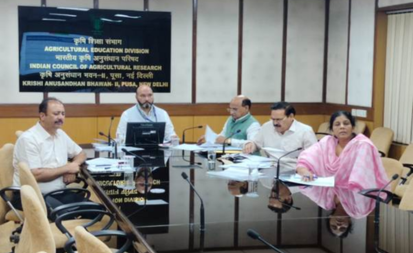
Animal Husbandry Commissioner Dr. Naveena B. Maheswarappa reviewed the situation with Delhi’s Animal Husbandry authorities and called for sustained vaccination, active surveillance and timely implementation of disease-control measures.
584 Active Cases Reported, No Mortality
According to the Department, LSD remains sporadic in Delhi and is presently under control, with low severity and good recovery among affected animals. No mortality has been reported among the affected cattle.
As of September 13, 2026, around 584 active cases were being reported. The cases are mainly among unvaccinated and vulnerable animals, including cattle affected by co-morbidities, poor nutritional status or stress.
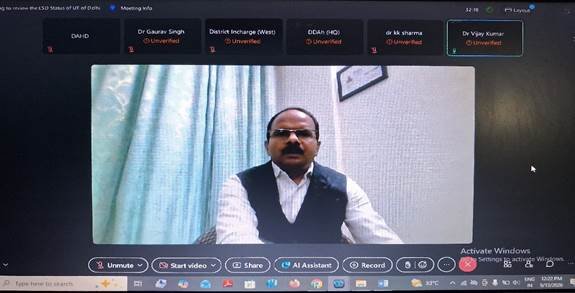
The Department said more than 45,950 animals have been vaccinated against LSD in Delhi during 2026, with vaccination and other disease-control measures continuing.
Focus on Vaccination and Biosecurity
During the review, DAHD provided technical guidance to Delhi authorities on vaccination, treatment and animal management.
The recommended measures include:
- Timely vaccination of cattle
- Active disease surveillance
- Isolation of affected animals
- Vector control
- Disinfection and sanitisation
- Strengthening of biosecurity
- Movement control of animals
- Establishment of physical check-posts across neighbouring states
The Department also stressed the importance of close coordination with the Municipal Corporation of Delhi (MCD), gaushalas and other stakeholders, particularly for managing and vaccinating stray cattle.
Awareness Campaigns to Support Disease Prevention
DAHD also emphasised wider awareness activities involving animal owners, local representatives, NGOs, schools and other stakeholders.
The objective is to encourage vaccination, strengthen awareness about disease-control practices and promote better animal-husbandry management.
The Department continues to coordinate with States and Union Territories and regularly reviews the LSD situation to provide technical and other necessary assistance. The disease situation across the country is also being closely monitored.
Impact on Hospitality, Food and Tourism
The control of livestock diseases such as LSD has relevance for the wider food, dairy, hospitality and rural tourism ecosystem.
For the dairy and food supply chain, sustained vaccination and disease-control measures can help protect cattle health and support continuity in milk production and related businesses. This is relevant to hotels, restaurants, caterers and other food-service businesses that depend on stable dairy supplies.
The measures are also important for rural and farm-linked tourism, where cattle and livestock form part of the local agricultural environment and visitor experiences. Effective disease surveillance, vaccination and movement controls can help reduce the risk of disease transmission in livestock-dependent communities.
For hospitality businesses, maintaining confidence in local food and dairy supply chains is an important part of ensuring continuity of operations, particularly in destinations with strong agricultural and rural tourism linkages.