Indian Railways Targets ₹600 Crore from Scrap Disposal, Announces Pan-India Rail Jan Samvaad on 22 October
Special Campaign 6 targets cleanliness at 1 lakh sites and the clearance of 7 lakh sq. ft. of space across railway premises, with a focus on e-waste management, waste segregation and citizen participation Key Highlights Indian Railways
Special Campaign 6 targets cleanliness at 1 lakh sites and the clearance of 7 lakh sq. ft. of space across railway premises, with a focus on e-waste management, waste segregation and citizen participation
Key Highlights
- Indian Railways will organise Pan-India Rail Jan Samvaad at all railway stations on 22 October 2026.
- The ongoing Special Campaign 6 aims to clean 1,00,000 sites and free up 7,00,000 sq. ft. of space by the end of October.
- Railways has set a target of generating ₹600 crore through scrap disposal, including measures addressing e-waste.
- Rail Jan Yuva Samvaad will provide a dedicated platform for youth participation.
- Campaign activities include station cleanliness drives, waste segregation, sanitation improvements and health check-up camps.
- The initiative could support cleaner railway facilities and improve the overall travel experience for passengers, including domestic and international tourists.
Indian Railways Reviews Progress of Special Campaign 6
New Delhi, 12 October 2026: Indian Railways has intensified efforts to improve cleanliness, waste management and administrative efficiency under Special Campaign for Disposal of Pending Matters 6 (SCDPM-6), with targets covering 1 lakh cleanliness sites, the clearance of 7 lakh square feet of space and ₹600 crore in revenue from scrap disposal.
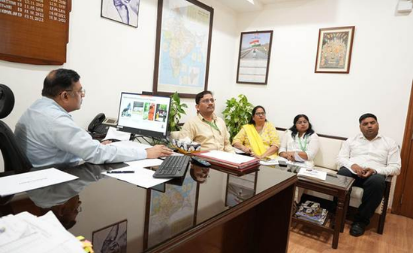
The progress of the campaign was reviewed at a high-level video conference held on 8 October 2026 under the chairmanship of the Secretary, Railway Board. Officials from zonal railways, divisions, production units, railway public sector undertakings, training institutes and the Railway Board participated in the meeting.
The review focused on measurable outcomes, the timely disposal of pending matters and the adoption of effective practices across railway establishments.
The Ministry of Railways is implementing Special Campaign 6 from 2 to 31 October 2026.
Rail Jan Samvaad Scheduled at All Stations on 22 October
As part of its citizen-centric initiatives, Indian Railways will conduct a nationwide Rail Jan Samvaad on 22 October 2026 at railway stations across the country.
The initiative is intended to strengthen engagement between the railway administration and citizens. Rail Jan Yuva Samvaad will provide a dedicated platform for youth participation, encouraging younger stakeholders to contribute to discussions and engagement around railway services.
The programme adds a public-participation component to the wider campaign, which focuses on improving railway facilities, administrative responsiveness and cleanliness.
₹600 Crore Scrap Disposal Target and Focus on E-Waste
Indian Railways has placed particular emphasis on the collection, segregation and disposal of electronic waste in accordance with the E-Waste (Management) Rules, 2022.
The campaign also includes scrap disposal under applicable General Financial Rules (GFR) provisions and the identification of good practices, including Waste to Wonder, for wider adoption.
The three major targets are:
- 1,00,000 sites: Cleanliness drives across railway premises.
- 7,00,000 sq. ft.: Space to be cleared and made available for productive use.
- ₹600 crore: Targeted revenue from scrap disposal by the end of October 2026.
These measures aim to improve workplace organisation, promote responsible waste handling and recover value from redundant materials.
Cleanliness and Sustainability Drives Across Railway Zones
Several railway zones and divisions have undertaken activities as part of Special Campaign 6.
- Hazrat Nizamuddin Railway Station, Delhi: A cleanliness drive was conducted to improve station hygiene.
- Sirhind Junction, Northern Railway region: A solid waste segregation drive promoted four-stream waste segregation.
- Nagpur, Central Railway: A health check-up camp was organised to promote the health and well-being of railway personnel and participants.
- Sealdah Division, Eastern Railway: Awareness and capacity-building sessions focused on compliance with Solid Waste Management Rules, 2026.
- North Eastern Railway: Cleaning and sanitation activities were conducted to improve the cleanliness of train facilities.
- South Western Railway: Activities were organised to promote cleanliness and sustainability across railway establishments.
These initiatives combine physical cleanliness measures with awareness, employee well-being and improved waste management practices.
Impact on Travel, Tourism and Hospitality
The campaign has direct relevance to railway infrastructure and passenger experience, with potential benefits for tourism and businesses connected to rail travel.
1. Cleaner stations and improved passenger experience
Cleanliness drives can contribute to more hygienic and comfortable station environments. This is particularly relevant at major railway stations used by tourists, families and business travellers.
2. Tourism destination connectivity
Railways serve as a key transport link for domestic tourism, pilgrimage travel and intercity journeys. Well-maintained stations and train facilities can strengthen the overall travel experience, although the campaign does not announce new routes or additional services.
3. Hotels and restaurants near railway stations
Hospitality businesses located around railway stations may benefit indirectly from a more welcoming station environment and continued passenger movement. The extent of any commercial impact will depend on local conditions and visitor demand.
4. Sustainable travel infrastructure
Improved waste segregation and responsible e-waste disposal support environmental management across railway premises. Such measures can complement wider sustainability efforts in the travel and tourism sector.
5. Citizen feedback and service improvement
Rail Jan Samvaad could provide an opportunity for passengers and young people to raise concerns and share suggestions. The practical impact will depend on the issues discussed and the follow-up actions taken by railway authorities.
Campaign Continues Through 31 October 2026
Indian Railways has reiterated its commitment to completing the campaign’s targets by the end of October. The focus remains on measurable cleanliness outcomes, efficient use of space, responsible waste disposal and citizen participation.
The nationwide Rail Jan Samvaad scheduled for 22 October will be an important public-engagement activity during the campaign’s implementation phase. Progress towards the cleanliness, space-clearance and scrap-disposal targets will determine the final reported outcomes.
For India’s travel and hospitality ecosystem, the principal relevance lies in the potential for better-maintained railway facilities, improved passenger engagement and more sustainable management of transport infrastructure.