India Targets Global Food Basket Status as Agriculture Minister Calls for Better Storage, Exports and Integrated Farming
At Agrivision’s 10th National Convention, Shivraj Singh Chouhan highlights 49% growth in agricultural production over a decade, tighter regulation of agricultural colleges and opportunities to diversify farm incomes Key Highlights 49% growth: India’s total agricultural production increased
At Agrivision’s 10th National Convention, Shivraj Singh Chouhan highlights 49% growth in agricultural production over a decade, tighter regulation of agricultural colleges and opportunities to diversify farm incomes
Key Highlights
- 49% growth: India’s total agricultural production increased by 49% between 2014 and 2024, according to the Agriculture Minister.
- Global leadership: India is the world’s largest rice producer and exporter and the second-largest wheat producer, as stated at the convention.
- Food exports: The government aims to strengthen scientific storage, agricultural management and access to international markets.
- Agricultural education: The minister announced plans to establish an Agriculture Council to regulate agricultural institutions and curb fake degrees.
- Integrated farming: Small and marginal farmers are being encouraged to diversify into horticulture, animal husbandry, fisheries, beekeeping and medicinal plants.
- Technology adoption: AI, machine learning and robotics were highlighted as tools for modernising Indian agriculture.
India Looks Beyond Foodgrain Self-Reliance to Global Agricultural Markets
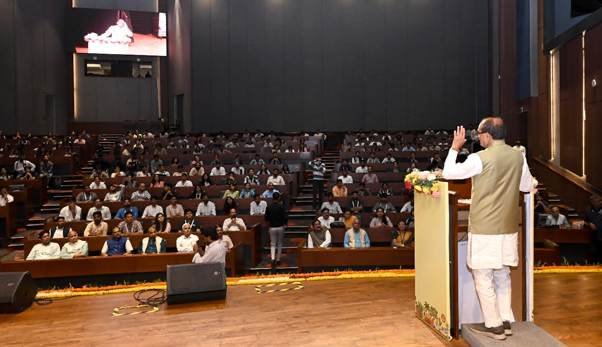
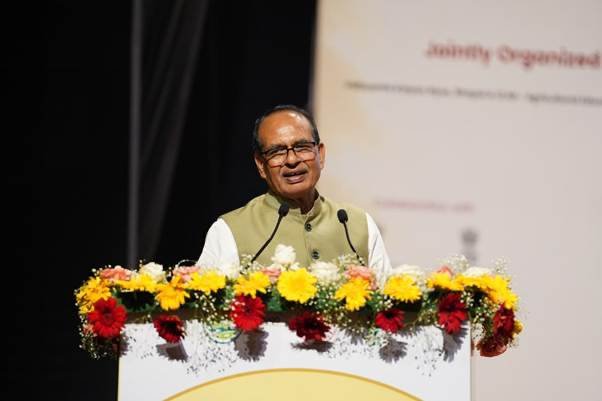
India is looking to strengthen its position in global food markets by moving beyond foodgrain self-sufficiency towards improved storage, efficient agricultural management and higher exports. Union Agriculture and Farmers’ Welfare and Rural Development Minister Shivraj Singh Chouhan outlined this priority while addressing the 10th National Convention of Agrivision at Pusa, Delhi, on October 14, 2026.
The minister said India’s total agricultural production increased by 49% between 2014 and 2024. He highlighted the country’s position as the world’s largest rice producer and exporter and the second-largest wheat producer, adding that the next phase of agricultural development must focus on making better use of the country’s output and expanding its reach in international markets.
For the food and hospitality industries, the emphasis on storage, agricultural diversification and exports is significant because the availability, quality and consistency of farm produce influence food procurement, processing and menu planning. However, the extent of any commercial benefit will depend on how effectively these priorities translate into improved supply chains and market access.
Better Storage and Exports Emerge as Agricultural Priorities
With India having achieved substantial growth in foodgrain production, Chouhan stressed the need to improve scientific storage, management and export capabilities. Better post-harvest infrastructure can help reduce losses, preserve the quality of agricultural commodities and support more efficient movement from farms to processors and markets.
These priorities are relevant to food processing companies, bulk ingredient buyers, institutional kitchens and hospitality operators that depend on reliable supplies of rice, wheat, vegetables, fruits and other agricultural products. Stronger storage and distribution systems could help improve supply-chain efficiency, although outcomes will depend on infrastructure investment, logistics and implementation.
The minister also said India should aim to become the world’s “food basket” while continuing to improve farmers’ livelihoods. Achieving that ambition will require more than increased production, including the capacity to meet quality requirements, manage post-harvest operations and connect Indian agricultural products with overseas buyers.
Integrated Farming to Diversify Rural Incomes
Chouhan highlighted the challenges faced by small and marginal farmers, referring to India’s average landholding size of 0.96 hectares. He called for greater adoption of integrated farming models that combine grain cultivation with activities such as fruit and vegetable production, medicinal plant farming, animal husbandry, fisheries, beekeeping and natural farming.
Diversification can help farming households reduce dependence on a single crop and create additional income streams. It can also broaden the range of products available to food processors, restaurants, hotels and other foodservice businesses.
For hospitality businesses, stronger regional production of fresh produce, dairy, fish, honey and other farm products could create opportunities for local sourcing and menus built around regional ingredients. Farm-based experiences and agri-tourism may also benefit where agricultural diversification is accompanied by suitable visitor infrastructure and market connections.
The minister further emphasised the use of artificial intelligence, machine learning and robotics to modernise agricultural practices and improve efficiency.
Agriculture Council Proposed to Strengthen Agricultural Education
The convention also focused on the quality of agricultural education and the future of students pursuing agriculture-related qualifications. Chouhan said the government would take strict measures against private agricultural colleges operating without adequate standards or issuing fake degrees.
He announced that an Agriculture Council would be established soon to strengthen oversight and accountability in agricultural education. The government, he said, would work on short-term and long-term roadmaps to ensure that students’ degrees retain their value and that graduates can contribute meaningfully to the sector.
The minister also invited students, researchers and farmers’ organisations to develop practical recommendations during the convention. He said a follow-up meeting would be held within 15 days to one month to discuss an action plan based on the ideas presented.
During the programme, Chouhan released a special booklet documenting Agrivision’s 10-year journey. Agricultural scientists, researchers and students from across the country participated in the convention.
Impact on Hospitality, Food Processing and Tourism
1. Greater focus on ingredient supply chains
Improved storage, agricultural management and distribution could help strengthen the availability of key food ingredients for hotels, restaurants, caterers and institutional kitchens. More efficient post-harvest systems may also help reduce avoidable losses and improve the movement of produce from farms to markets.
2. Opportunities for regional and farm-to-table sourcing
The push towards integrated farming could expand the diversity of locally produced fruits, vegetables, dairy, fish, honey and other ingredients. Hospitality businesses may be able to use these products to develop seasonal menus, highlight regional cuisines and build closer relationships with local producers.
3. Potential growth in food processing and value addition
Greater emphasis on agricultural exports and the efficient management of production could support opportunities for food processors to develop value-added products and strengthen market connections. Consistent quality, storage infrastructure and compliance with export standards will remain important to converting production growth into commercial opportunities.
4. Scope for agri-tourism and culinary experiences
Diversified farms may offer opportunities for farm visits, rural tourism, local food experiences and demonstrations of traditional or modern agricultural practices. Such opportunities are likely to be strongest where farms can connect with tourism operators, hospitality businesses and regional destination-development initiatives.
5. Future workforce opportunities
Efforts to improve agricultural education and introduce AI, machine learning and robotics could contribute to a more technology-oriented agricultural workforce. Over time, stronger links between agriculture, food processing and hospitality may create opportunities across sourcing, product development, supply-chain management and rural enterprise.
Industry Takeaway
India’s ambition to become a global food basket places the spotlight on the entire agricultural value chain—not just production, but also storage, processing, logistics, exports and income diversification. For hospitality and foodservice businesses, the key developments to watch are improvements in ingredient availability, stronger regional sourcing networks and the growth of value-added food products. Turning these priorities into lasting benefits will depend on effective implementation and stronger connections between farmers, processors, markets and end users.