India Steps Up Seaweed Farming with ₹181 Crore Investment; Tamil Nadu Seaweed Park to Support Value-Added Products
Fisheries Department focuses on technology adoption, women-led SHGs, seed banks and market linkages to expand seaweed production, strengthen coastal livelihoods and unlock opportunities in food, agriculture and marine-based industries Key Highlights Union Fisheries Secretary Dr. Abhilaksh Likhi
Fisheries Department focuses on technology adoption, women-led SHGs, seed banks and market linkages to expand seaweed production, strengthen coastal livelihoods and unlock opportunities in food, agriculture and marine-based industries
Key Highlights
- Union Fisheries Secretary Dr. Abhilaksh Likhi visited the seaweed cultivation site at Munnaikadu, Mandapam Camp, Tamil Nadu, on 13 October 2026.
- Projects worth ₹181.11 crore have been approved for seaweed development under PMMSY during 2020–27, including a Seaweed Park in Tamil Nadu.
- Financial assistance has supported 37,255 seaweed culture rafts and 44,080 monoline units.
- Research institutions have identified 384 suitable seaweed cultivation sites covering 24,707 hectares across coastal states and Union Territories.
- India’s seaweed production increased from 18,890 tonnes in 2015 to 82,728 tonnes in 2025.
- The government is promoting seaweed applications in food, animal feed, fertilisers and other value-added products, creating potential opportunities for food processing and hospitality supply chains.
Government Accelerates Seaweed Farming and Coastal Livelihood Development
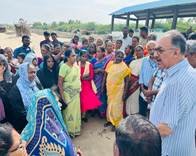
Mandapam, Tamil Nadu, 13 October 2026: The Department of Fisheries is intensifying efforts to expand seaweed cultivation in India, with a focus on technology adoption, value addition, organised farming and stronger market linkages. Union Fisheries Secretary Dr. Abhilaksh Likhi visited the seaweed cultivation site at Munnaikadu, Mandapam Camp, Tamil Nadu, where he interacted with seaweed farmers, women-led Self-Help Groups (SHGs) and other stakeholders.
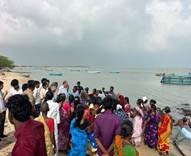
The visit formed part of the government’s efforts to strengthen coastal livelihoods and develop the country’s seaweed value chain. Farmers demonstrated cultivation methods, including monoline and raft-based systems, along with farming, maintenance and harvesting operations.
Dr. Likhi appreciated the contribution of women-led SHGs in creating livelihood opportunities and encouraged farmers to increase production, bring more participants into organised cultivation and utilise government support available under the Pradhan Mantri Matsya Sampada Yojana (PMMSY) and Pradhan Mantri Matsya Kisan Samridhi Sah-Yojana (PM-MKSSY).
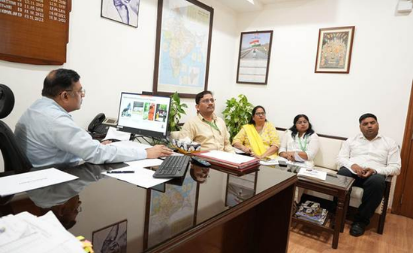
A day earlier, the Secretary had chaired a meeting on seaweed farming at the ICAR-CMFRI Regional Centre in Mandapam to review ongoing initiatives and identify measures to scale up production, processing and market access.
₹181.11 Crore Approved for Seaweed Development Under PMMSY
Under PMMSY, seaweed cultivation has been identified as a priority activity to generate employment and improve the incomes of fishers and coastal communities.
During 2020–27, projects worth ₹181.11 crore have been approved for seaweed development, including the establishment of a Seaweed Park in Tamil Nadu.
The department has also extended financial assistance for the installation of:
- 37,255 seaweed culture rafts
- 44,080 seaweed culture monoline units
Additional support covers seed banks, awareness programmes, farmer training and capacity-building initiatives.
These interventions aim to improve access to cultivation infrastructure, strengthen the availability of quality planting material and encourage more farmers to participate in organised seaweed production.
384 Potential Cultivation Sites Identified Across India
During the review meeting at ICAR-CMFRI’s Mandapam Regional Centre, Dr. Likhi highlighted India’s potential to expand seaweed cultivation, supported by a coastline measuring 11,099 km.
Research institutions have identified 384 suitable sites covering 24,707 hectares across coastal states and Union Territories.
Discussions among government departments, research institutions, technical agencies and industry stakeholders focused on decentralised seed banks, coordination between agencies, farmer outreach, entrepreneurship, offshore cultivation and resolving implementation challenges in PMMSY-supported projects.
The meeting also emphasised expediting the operationalisation of the Tamil Nadu Seaweed Park and developing a long-term roadmap for sustainable growth across the sector.
Lakshadweep has been notified as a Seaweed Cluster under the government’s cluster-based fisheries development approach, while the ICAR-CMFRI Regional Centre, Mandapam, has been designated as a Centre of Excellence for seaweed development and research.
India’s Seaweed Production Reaches 82,728 Tonnes in 2025
India’s seaweed sector has recorded significant growth over the past decade. According to the Department of Fisheries, production increased from 18,890 tonnes in 2015 to 74,083 tonnes in 2024 and 82,728 tonnes in 2025.
The government has notified 34 fisheries production and processing clusters nationwide to strengthen value chains, improve competitiveness and enhance export potential.
Seaweed is increasingly recognised as a resource for multiple industries, including food processing, animal feed, fertilisers and other marine-based products. Its commercial potential depends on the availability of suitable species, consistent raw material supplies, processing capacity, product quality and reliable market connections.
Seaweed Value Addition: Opportunities for Food Processing and Hospitality
The government’s emphasis on seaweed processing and market development could create opportunities for businesses across the food, beverage, hospitality and tourism ecosystem. However, commercial adoption will depend on product suitability, food safety compliance, consumer acceptance and consistent supply.
1. Food processing and ingredient development
Seaweed can be used in selected food products and as a source of ingredients such as hydrocolloids, which help provide thickening, gelling and stabilising properties. A stronger domestic supply chain could support food manufacturers exploring seaweed-based ingredients and speciality food products.
2. Hotels, restaurants and culinary innovation
Hotels, restaurants and resorts could explore seaweed-based dishes, regional coastal cuisine and selected speciality ingredients as part of menu innovation. Greater domestic cultivation and processing may improve sourcing opportunities over time, although the release does not announce any direct procurement arrangement with hospitality businesses.
3. Beverage and functional food applications
Depending on the species and regulatory approvals, seaweed-derived ingredients may have applications in selected beverages and formulated food products. Food businesses would need to assess ingredient specifications, permitted uses, quality standards and labelling requirements before commercial adoption.
4. Sustainable sourcing and coastal enterprise
Organised seaweed farming could strengthen coastal livelihoods and create additional economic activity through cultivation, harvesting, processing, packaging and distribution. Hospitality companies with responsible sourcing programmes may find opportunities to engage with suitable coastal producers as supply chains mature.
5. Coastal tourism and local experiences
Seaweed farming could complement coastal tourism through educational visits, community-led experiences and demonstrations of marine-based livelihoods, where such activities are developed appropriately. These are potential opportunities rather than tourism projects announced under the release.
What the Tamil Nadu Seaweed Park Could Mean for Industry
The proposed Seaweed Park is an important component of the government’s strategy to expand seaweed cultivation and value addition in Tamil Nadu.
If supported by appropriate processing facilities, quality testing, storage, logistics and industry participation, the park could help connect farmers with processors and commercial buyers. Such infrastructure could be relevant to food manufacturers, ingredient suppliers and other businesses seeking dependable seaweed inputs.
For the hospitality industry, the longer-term opportunity lies in access to commercially viable seaweed ingredients and new coastal food experiences. For coastal communities, the immediate policy focus remains on expanding cultivation, improving farmer capabilities and creating stronger routes to market.
Outlook
India’s growing seaweed production, identified cultivation sites and PMMSY-backed infrastructure provide a foundation for expanding the country’s marine-based bioeconomy. The next stage will depend on translating cultivation capacity into reliable supplies, commercially viable value-added products and sustainable market demand.
For food processing and hospitality businesses, developments around the Tamil Nadu Seaweed Park, decentralised seed banks and new processing applications will be important indicators of whether seaweed can emerge as a more established ingredient and sourcing category in India’s food value chain.