ICAR Institutes Drive Cleanliness and Waste Recycling Across India, Reinforcing Sustainability Goals
DARE-ICAR promotes plastic-free campuses, waste-to-wealth initiatives and the principles of Reduce, Reuse and Recycle, with potential lessons for hotels, restaurants and tourism establishments Key Highlights Nationwide cleanliness drive: The Department of Agricultural Research and Education (DARE) and

DARE-ICAR promotes plastic-free campuses, waste-to-wealth initiatives and the principles of Reduce, Reuse and Recycle, with potential lessons for hotels, restaurants and tourism establishments
Key Highlights
- Nationwide cleanliness drive: The Department of Agricultural Research and Education (DARE) and the Indian Council of Agricultural Research (ICAR) are conducting indoor and outdoor cleanliness campaigns across institutes and campuses.
- Waste-to-wealth initiatives: Activities include Waste to Art, Kabaad Se Jugaad, reuse and recycling drives, and plastic-free initiatives.
- Cleaner institutional campuses: Participants removed non-degradable plastic waste, garbage and unwanted weeds from campus premises.
- Focus on sustainable practices: The campaign promotes responsible waste management, environmental awareness and citizen participation.
- Relevance for hospitality: The initiatives offer practical lessons for hotels, restaurants, catering businesses and tourism operators seeking to strengthen waste segregation, recycling and plastic-reduction practices.
DARE-ICAR Expands Cleanliness Campaigns with Focus on Recycling and Sustainable Waste Management
The Department of Agricultural Research and Education (DARE) and the Indian Council of Agricultural Research (ICAR) are continuing cleanliness campaigns across their institutes nationwide, combining campus sanitation with awareness of sustainable waste management and environmental responsibility.
According to a Press Information Bureau (PIB) release dated 12 October 2026, the campaigns include indoor and outdoor cleaning activities, with participation encouraged among institute officials and surrounding communities. The initiative aims to promote Swachhata, citizen-centric practices and the conversion of waste into useful resources.
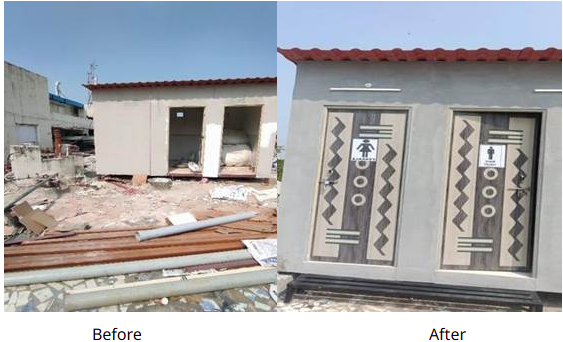
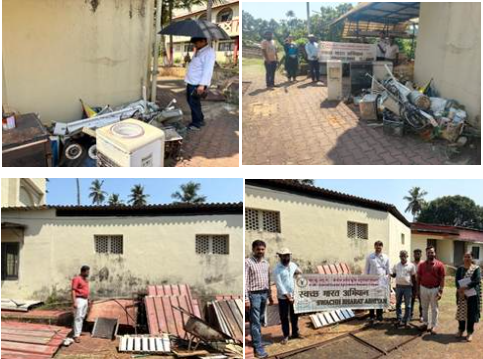
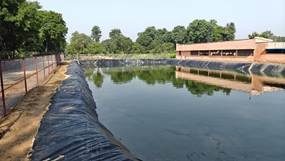
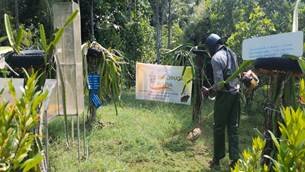
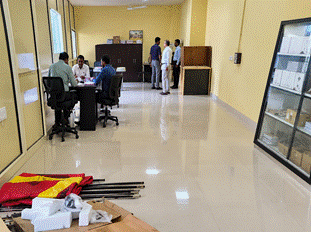
Institutes and establishments across the ICAR network have undertaken activities to improve campus cleanliness and encourage the responsible handling of waste. Before-and-after photographs from participating locations, including Krishi Vigyan Kendra (KVK) Trivandrum, ICAR-ATARI Bengaluru, ICAR-ATARI Jodhpur, KVK Ambala, ICAR-IIWM Bhubaneswar, ICAR-IIFSR Modipuram in Meerut and ICAR-CIWA Bhubaneswar, showcase the cleaning efforts.
Reduce, Reuse and Recycle at the Centre of the Initiative
Beyond routine cleaning, the campaign emphasises the principles of Reduce, Reuse and Recycle (3Rs) through creative and practical activities. These include Waste to Art, Kabaad Se Jugaad, recycling and reuse drives, plastic-free initiatives and the creative utilisation of discarded materials.
The objective is to change how waste is perceived, encouraging participants to view suitable discarded materials as potential resources rather than simply as refuse. By turning waste into useful or aesthetically meaningful products, the programme seeks to build awareness of responsible consumption and waste management.
The cleanliness activities also involved collecting and removing non-degradable plastic waste, garbage and unwanted weeds from institutional premises. Participants were sensitised to the importance of maintaining clean, plastic-free campuses and encouraged to continue sustainable practices beyond the organised drives.
Impact on Hospitality, Hotels, Restaurants and Tourism
1. Stronger waste management practices in hotels
Hotels generate waste from guest rooms, kitchens, restaurants, housekeeping, banquets and back-of-house operations. The ICAR campaign’s emphasis on cleaning, recycling and responsible disposal reinforces the importance of structured waste segregation and regular housekeeping audits across hospitality facilities.
2. Opportunities to reduce foodservice waste
Restaurants, hotel kitchens and catering businesses can adapt the broader waste-to-wealth approach by separating recyclable packaging, managing food waste responsibly and identifying opportunities to reuse suitable materials. Food waste can also be directed towards appropriate composting or authorised processing facilities, subject to local regulations and hygiene requirements.
3. Reducing single-use plastic across hospitality operations
The campaign’s plastic-free focus is relevant to hotels, resorts, cafés, restaurants and event venues seeking to reduce unnecessary single-use plastics. Businesses can review guest amenities, takeaway packaging, bottled-water consumption and event materials while prioritising practical alternatives and compliant waste-disposal systems.
4. Cleaner tourist destinations and public spaces
Clean institutional campuses illustrate how collective participation can improve the appearance and usability of shared spaces. Similar community-led efforts around tourism destinations, heritage areas, beaches, parks and public attractions can support cleaner visitor environments and strengthen destination management.
5. Sustainability awareness among employees and guests
The campaign highlights the role of participation and awareness in sustaining cleanliness beyond one-time activities. Hotels and tourism businesses can apply this principle through employee training, clear waste-segregation signage, guest awareness initiatives and regular monitoring of environmental practices.
Industry Takeaway
The DARE-ICAR cleanliness campaigns demonstrate how routine sanitation can be combined with recycling, creative reuse and environmental awareness. For India’s hospitality and tourism industry, the initiative offers a practical reminder that sustainability begins with everyday operational decisions—from waste segregation and plastic reduction to employee participation and responsible disposal.
Hotels, restaurants, catering companies and tourism establishments can draw on these principles to strengthen their environmental practices, improve the cleanliness of their premises and contribute to cleaner destinations. Consistent implementation, rather than isolated cleanliness drives, will be essential to achieving lasting results.