Fisheries Department Completes 23 Cleanliness Activities Under Special Campaign 6, Resolves 80% of Public Grievances
Government campaign targets administrative efficiency, faster grievance redressal, scientific e-waste disposal and improved record management across fisheries offices until 31 October 2026 Key Highlights The Department of Fisheries is implementing Special Campaign 6 from 2 to 31
Government campaign targets administrative efficiency, faster grievance redressal, scientific e-waste disposal and improved record management across fisheries offices until 31 October 2026
Key Highlights
- The Department of Fisheries is implementing Special Campaign 6 from 2 to 31 October 2026.
- Of 32 identified cleanliness campaign activities, 23 have been completed.
- The department reviewed 400 physical files, identified 350 for weeding and disposed of 287 files so far.
- Public grievance redressal has reached 80% during the campaign.
- More than 35 social media posts have been published through the department and its six offices to promote campaign activities.
- The initiative reinforces administrative efficiency, responsible waste management and workplace cleanliness, with indirect relevance for fisheries-linked food supply chains and hospitality businesses.
Fisheries Department Advances Cleanliness and Administrative Reforms
New Delhi, 16 October 2026: The Department of Fisheries, Ministry of Fisheries, Animal Husbandry and Dairying, is making progress under the Government of India’s Special Campaign 6, with a focus on workplace cleanliness, reducing administrative pendency, improving records management and ensuring the scientific disposal of electronic waste.
Running from 2 to 31 October 2026, the campaign is being implemented in coordination with the department’s subordinate offices and autonomous bodies, in accordance with guidelines issued by the Department of Administrative Reforms and Public Grievances (DARPG).
The initiative also aims to improve the utilisation of office space, promote responsible waste management and ensure the timely disposal of pending references and public grievances.
23 of 32 Campaign Activities Completed
The Department of Fisheries has reported progress across its identified campaign targets. Of the 32 cleanliness-related activities identified, 23 have been completed as of the update published on 16 October 2026.
Under its record management initiative, the department has reviewed 400 physical files. Of these, 350 were identified for weeding, and 287 files had been weeded out at the time of reporting.
The department has also resolved 80% of public grievances to date, reflecting its focus on improving administrative responsiveness during the campaign.
More than 35 social media posts have been disseminated through the department and its six offices to raise awareness about cleanliness, efficient office management and campaign activities.
Focus on E-Waste Disposal and Workplace Cleanliness
The campaign includes measures to ensure environmentally sound electronic waste disposal in accordance with the E-Waste (Management) Rules, 2022.
Other priorities include removing redundant records, maintaining clean workplaces, reducing pending matters and making better use of available office space.
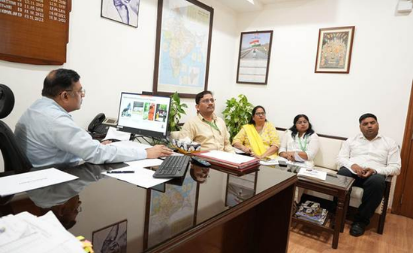
During the preparatory phase, the department established action plans and measurable targets for cleanliness, records management and grievance disposal. Progress is reviewed regularly by the Secretary (Fisheries) through meetings with senior officers.
As part of the ongoing exercise, the department’s nodal officer inspected the office complex at Chanderlok Building, New Delhi, on 15 October 2026. Subordinate institutions and autonomous organisations are also conducting cleanliness awareness and office-management activities.
Impact on Hospitality, Food Supply Chains and Tourism
Special Campaign 6 is primarily an administrative reform initiative rather than a direct policy intervention for the hospitality sector. However, its focus on efficient administration, public grievance resolution and responsible waste management has broader relevance for businesses interacting with government departments.
1. Fisheries and seafood businesses: More efficient departmental administration may help improve the handling of official references and stakeholder grievances. Any direct benefit to fishers, seafood processors or exporters will depend on the services and processes affected.
2. Hotels and restaurants: Businesses sourcing fish and seafood depend on effective fisheries governance and functioning supply chains. Administrative efficiency may support the wider sector, although the campaign does not announce any direct change in seafood procurement, prices or supply.
3. Sustainable waste management: The department’s emphasis on scientific e-waste disposal highlights the importance of responsible waste handling. Hospitality businesses can apply similar principles to their own electronic equipment disposal and workplace management, subject to applicable regulations.
4. Tourism and coastal communities: Efficient administration across fisheries institutions may indirectly support the wider coastal economy on which some tourism destinations and seafood-focused hospitality businesses depend. No specific tourism project or new funding measure was announced under this campaign update.
Campaign Continues Until 31 October 2026
The Department of Fisheries has stated that implementation will continue until 31 October 2026, with efforts directed towards completing the remaining activities and meeting outstanding targets, including the disposal of pending matters.
The progress reported so far highlights the department’s focus on workplace cleanliness, record management, grievance redressal and environmentally responsible disposal practices. The final campaign outcomes will depend on the completion of the remaining activities before the deadline.