Deep-Sea Fishing Gets Fresh Push as Centre Highlights Tuna, Technology and Seafood Export Opportunities
National workshop in Gandhinagar focuses on modern vessels, cold-chain infrastructure, fisher training, financing and export-oriented fisheries Key Highlights: National workshop on deep-sea fishing held in Gandhinagar on September 17, 2026. Fish production reached 197.75 lakh tonnes in 2024-25,
National workshop in Gandhinagar focuses on modern vessels, cold-chain infrastructure, fisher training, financing and export-oriented fisheries
Key Highlights:
- National workshop on deep-sea fishing held in Gandhinagar on September 17, 2026.
- Fish production reached 197.75 lakh tonnes in 2024-25, while seafood exports rose to ₹73,890 crore.
- Government pushes Access Passes and Letters of Authorisation to help fishers access high-value resources such as tuna.
- Training, finance and stronger cooperative institutions identified as three key priorities.
- Fishers seek better cold-chain infrastructure, vessel modernisation, communication systems and financial assistance.
- Five technical sessions covered technology, skills, financing, processing, traceability and export markets.
- Stakeholders stressed the need for modern vessels, scientific fish handling and international certification to improve value realisation.
Gandhinagar, September 17, 2026: The Department of Fisheries, Government of India, has intensified its focus on deep-sea fishing as a pathway to increase fisher incomes, develop high-value marine resources and strengthen India’s seafood exports.
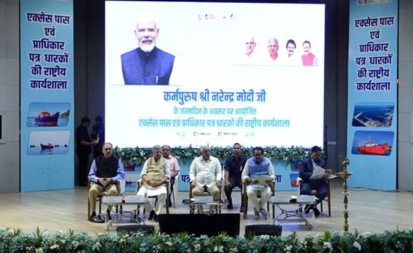
A National Workshop on Promotion of Deep-Sea Fishing and Interaction with Access Pass and Letter of Authorisation (LoA) Holders was held in Gandhinagar, bringing together fishers, including women fishers, policymakers, technical experts, financial institutions, cooperatives, industry representatives and research organisations.
The workshop focused on the challenges and opportunities associated with moving Indian fishing activities beyond traditional nearshore waters and developing a stronger deep-sea fisheries value chain.
Government Pushes High-Value Marine Resources and Tuna Fishing
Gujarat Chief Minister Bhupendrabhai Patel highlighted the state’s long coastline and called for greater utilisation of opportunities being created through deep-sea fishing initiatives.
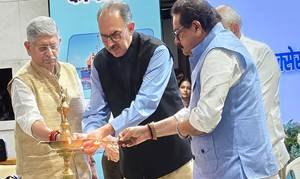
He emphasised the potential for investments in deep-sea fishing, training, infrastructure and market access, while highlighting cold-chain infrastructure and cooperative-led initiatives as areas requiring greater attention.
Union Fisheries Minister Rajiv Ranjan Singh said India’s fish production reached a record 197.75 lakh tonnes in 2024-25, while seafood exports increased to ₹73,890 crore, despite global trade barriers and higher tariffs in key markets.
The Minister said Access Passes for fishing in the Exclusive Economic Zone (EEZ) and Letters of Authorisation for High Seas Fishing are intended to help fishers access underutilised high-value resources, particularly tuna and other oceanic species.
He called for greater adoption of modern fishing practices, including onboard processing, cold-chain infrastructure, value addition, branding and export-oriented market linkages.
Training and Finance Identified as Key Enablers
The workshop placed strong emphasis on building the skills and financial capacity required for deep-sea fishing.
Fisheries Secretary Dr. Abhilaksh Likhi identified training and capacity building, improved access to finance and stronger cooperative institutions as three key priorities for expanding deep-sea fishing.
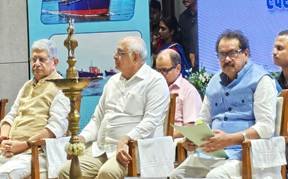
He also stressed the importance of modern vessels, advanced technologies and sustainable fishing practices to improve fisher incomes and strengthen India’s competitiveness in marine fisheries.
The government said feedback received from fishers and other stakeholders during the workshop would be considered in policy and programme implementation.
Fishers Seek Better Cold Chain and Modern Vessels
During the interaction with Access Pass and LoA holders, fishers welcomed the opportunity to move beyond traditional nearshore fishing grounds into the EEZ.
According to the Department, participants said access to deeper fishing grounds could create opportunities for targeting high-value species such as tuna and improve income prospects through export-oriented fisheries.
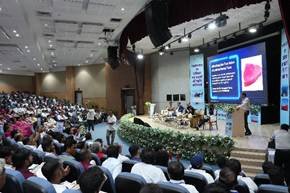
However, fishers also highlighted the need for stronger ecosystem support, including:
- Training in quality handling and value addition
- Cold-chain and cold-storage facilities at fishing harbours
- Modernisation of deep-sea fishing vessels
- Improved communication systems
- Greater financial assistance for deep-sea fishing operations
These measures were identified as important for improving price realisation and making better use of the opportunities created through Access Passes.
Five Technical Sessions Examine Complete Deep-Sea Fisheries Value Chain
The workshop featured five technical sessions covering different stages of the deep-sea fisheries ecosystem.
Discussions focused on:
- Deep-sea fishing opportunities in the EEZ and High Seas
- Modern fishing vessel technologies and global practices
- Specialised training and workforce development
- Financing mechanisms for deep-sea fishing
- Processing, value addition, traceability and export compliance
A total of 19 speakers from government, research institutions, financial institutions, industry, international organisations and fisher communities participated in the technical deliberations.
Speakers highlighted the potential of high-value species including tuna, squid and other oceanic resources, while stressing the need for modern vessels, advanced fishing technologies, cold-chain systems, scientific fish handling, traceability and international certification.

India’s Ambassador to Iceland, Shri R. Ravindra, also shared Iceland’s practices involving advanced fishing vessels, automated onboard processing and electronic monitoring, while highlighting a “whole-of-fish” approach to maximise value from catches.
Deep-Sea Fisheries and India’s Blue Economy
The discussions also highlighted the importance of affordable financing, cooperative-led investment, modern harbour infrastructure, safety and communication systems, digital catch documentation and international market access.
Stakeholders said digital traceability, skills development, access to credit and stronger infrastructure would be critical for enabling fishers to transition successfully towards deep-sea fishing.
The Department said the workshop provided a platform for policymakers, fishers, financial institutions, technical experts, cooperatives and industry stakeholders to identify practical solutions and improve access to technology, finance, skills and markets.
Impact on Food, Hospitality and Coastal Tourism
The deep-sea fishing push could have significant implications for India’s seafood, hospitality and coastal tourism sectors.
Greater access to high-value species such as tuna and squid, combined with improved onboard handling, cold chains and processing infrastructure, could strengthen the supply of premium seafood to hotels, restaurants, resorts and other food-service businesses.
For the hospitality sector, better traceability, scientific handling and international certification can also support more consistent sourcing of quality seafood and strengthen food-safety and supply-chain practices.
The initiative has particular relevance for coastal tourism destinations, where seafood is an important part of local cuisine and visitor experiences. Stronger fisheries infrastructure can support culinary tourism by connecting local catches with restaurants, hotels and destination food businesses.
The focus on processing, value addition and branding could additionally create opportunities for regional seafood products and export-oriented food enterprises, strengthening the link between fisheries, food processing, hospitality and the wider Blue Economy.