Agrivision 2026 Calls for Market-Driven Agriculture, Opening Opportunities for Food Processing and Hospitality Supply Chains
ICAR Director General Dr. M. L. Jat urges India to move beyond production-focused farming towards agri-food value chains, with stronger market intelligence, value addition and farmer profitability Key Highlights 10th National Convention of Agrivision: Held on 13–14
ICAR Director General Dr. M. L. Jat urges India to move beyond production-focused farming towards agri-food value chains, with stronger market intelligence, value addition and farmer profitability
Key Highlights
- 10th National Convention of Agrivision: Held on 13–14 October 2026 at the ICAR–NASC Complex, PUSA, New Delhi.
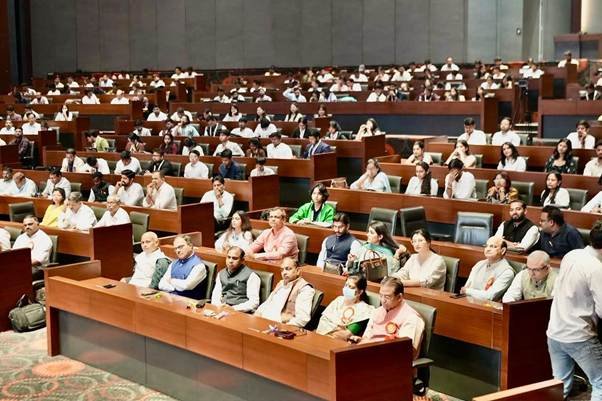
- Participation across India: Around 450 students from agriculture and allied sciences, representing 25 states, joined scientists, agricultural entrepreneurs, farmers and senior officials.
- Shift towards value chains: ICAR Director General Dr. M. L. Jat called for a broader approach connecting agricultural production with market demand, marketing and value addition.
- Focus on farmer profitability: Market research and market intelligence were highlighted as essential to aligning production with consumer requirements.
- Entrepreneurship and innovation: Agricultural universities encouraged students to explore business creation, research, teaching and employment opportunities.
- Relevance for hospitality: Market-oriented agriculture could strengthen links between farmers, food processors, distributors, hotels, restaurants and institutional foodservice buyers.
Agrivision 2026 Highlights Need to Connect Indian Agriculture with Market Demand
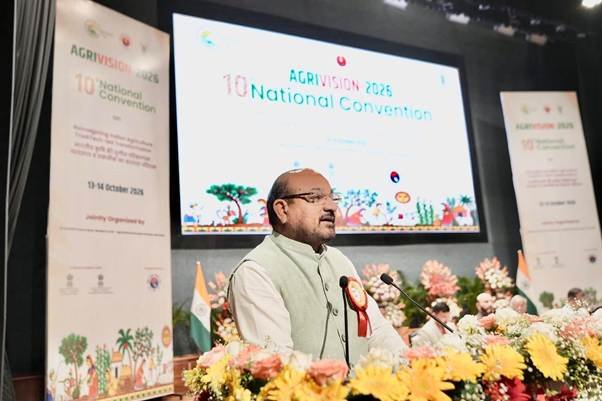
India needs to move beyond a production-centric agricultural model towards an integrated agri-food value-chain approach that prioritises market demand, value addition and farmer profitability, according to Dr. M. L. Jat, Secretary of the Department of Agricultural Research and Education (DARE) and Director General of the Indian Council of Agricultural Research (ICAR).
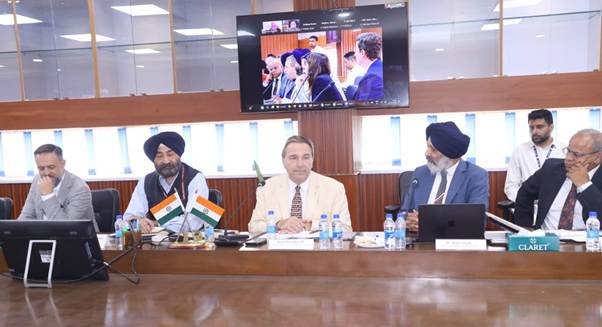
Speaking at the 10th National Convention of Agrivision–2026 in New Delhi on 13 October, Dr. Jat emphasised the importance of connecting agricultural production with market research, marketing strategies and opportunities to increase the value of farm output.
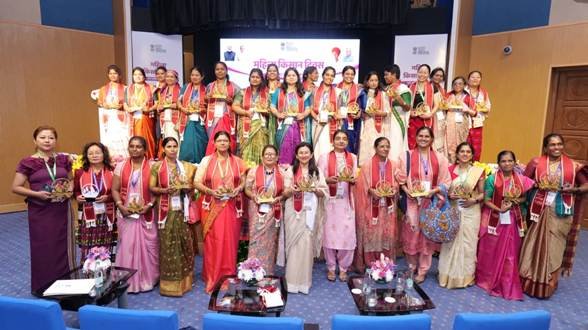
The two-day convention, held at the ICAR–National Agricultural Science Complex in PUSA, brought together approximately 450 students from agriculture and allied sciences representing 25 states, alongside scientists, senior ICAR officials, agricultural entrepreneurs and farmers.
The event aims to strengthen engagement between agricultural education, scientific research, entrepreneurship and practical farming, with discussions covering technological transformation, market-oriented agriculture and farmer-centric development.
From Farm Production to Value Addition
Dr. Jat’s address highlighted the need for agricultural decisions to reflect market intelligence and demand rather than focusing exclusively on increasing production. Understanding consumer preferences, identifying suitable markets and linking farmers with buyers can help improve the commercial viability of agricultural activities.
The approach also places value addition at the centre of agricultural development. Processing, grading, storage, packaging and efficient marketing can help agricultural produce reach higher-value markets, provided the necessary infrastructure, quality standards and distribution networks are in place.
For farmers, stronger value chains could offer opportunities to reduce avoidable post-harvest losses, improve market access and capture a greater share of the value generated beyond primary production.
Agricultural Education and Entrepreneurship in Focus
The convention also emphasised entrepreneurship, innovation and employment generation as important pathways for students entering the agricultural sector.
Dr. Anupam Mishra, Vice-Chancellor of Central Agricultural University, Imphal, and Dr. A. K. Singh, Vice-Chancellor of Rani Lakshmi Bai Central Agricultural University, encouraged students to explore opportunities across entrepreneurship, teaching, research and agricultural extension.
The event provided a platform for students to interact with scientists, policymakers, farmers and entrepreneurs, enabling the exchange of ideas on how agricultural knowledge and technology can be translated into practical and commercially viable solutions.
Impact on Hospitality, Food Processing and Tourism
1. Stronger farm-to-hotel and farm-to-restaurant linkages
A market-oriented agricultural system could encourage more structured relationships between farmers, Farmer Producer Organisations (FPOs), distributors and hospitality buyers. Hotels, restaurants, resorts and catering companies require consistent supplies of quality ingredients, making reliable sourcing networks important for procurement planning and menu development.
2. Opportunities for food processing and value-added products
Greater emphasis on value chains could support the development of processed fruits and vegetables, packaged foods, regional ingredients and other value-added agricultural products. These products can serve hotels, institutional kitchens, restaurant chains and catering businesses seeking reliable supplies and consistent quality.
3. Improved scope for regional cuisine and culinary experiences
When agricultural production is better connected with market demand, distinctive regional produce may find more structured routes to hospitality businesses. Hotels and restaurants can use locally sourced ingredients to develop seasonal menus, showcase regional cuisines and create farm-to-table dining experiences.
4. Potential to improve supply-chain efficiency
Market intelligence, better post-harvest handling and stronger buyer-producer connections could help foodservice businesses manage procurement more effectively. Improved coordination may reduce avoidable wastage and supply uncertainty, although actual results will depend on infrastructure, logistics, quality control and implementation.
5. Entrepreneurship opportunities in agritourism and rural experiences
The convention’s emphasis on agricultural entrepreneurship also has potential relevance for tourism. New ventures could explore farm stays, educational farm visits, local food trails and agricultural experiences that connect visitors with regional produce and farming traditions. These opportunities would require additional investment in visitor facilities, hospitality services and destination promotion.
Industry Takeaway
Agrivision 2026 reinforces the importance of treating agriculture as an interconnected value chain rather than simply a production activity. For India’s hospitality and foodservice industry, the shift towards market-oriented farming could create opportunities for stronger sourcing partnerships, more reliable ingredient supplies and greater access to value-added food products.
For food processors and tourism businesses, the broader message is equally relevant: connecting producers with consumer demand can help create commercial opportunities across the food economy.
The next step will be translating this approach into stronger market linkages, processing capacity, entrepreneurial ventures and practical partnerships between farmers and downstream buyers. These developments could help connect agricultural growth with the evolving needs of India’s hospitality, culinary and tourism sectors.