National Milk Day 2026: India’s Milk Production Projected at 253.81 Million Tonnes; Major Dairy Infrastructure Projects Launched in Bihar
Patna event marks new initiatives in dairy processing, cooperative development and climate resilience; Sudha launches Makhana Kheer and Rabri to expand value-added dairy products Key Highlights India’s milk production is estimated at 253.81 million tonnes in 2025-26,
Patna event marks new initiatives in dairy processing, cooperative development and climate resilience; Sudha launches Makhana Kheer and Rabri to expand value-added dairy products
Key Highlights
- India’s milk production is estimated at 253.81 million tonnes in 2025-26, according to Basic Animal Husbandry Statistics (BAHS) 2026.
- Bihar currently produces around 4.8 million litres of milk per day, with a state target of 10 million litres daily.
- Milk production in Bihar is projected to rise from 7.19 million metric tonnes in 2013-14 to 13.76 million metric tonnes in 2025-26.
- A 2 lakh litres per day (LLPD) milk processing plant of Namaste India was dedicated to the nation at Bihta, Patna.
- New dairy initiatives include cooperative rating and grading SOPs, an online portal and a climate-resilient roadmap for the livestock and dairy sector.
- Sudha launched Makhana Kheer and Rabri as new value-added dairy products.
National Milk Day 2026 Celebrated in Patna with New Dairy Infrastructure and Industry Initiatives
India’s dairy sector marked National Milk Day 2026 with the launch of new infrastructure projects, cooperative development initiatives and value-added dairy products at an event organised in Patna, Bihar, on November 26.

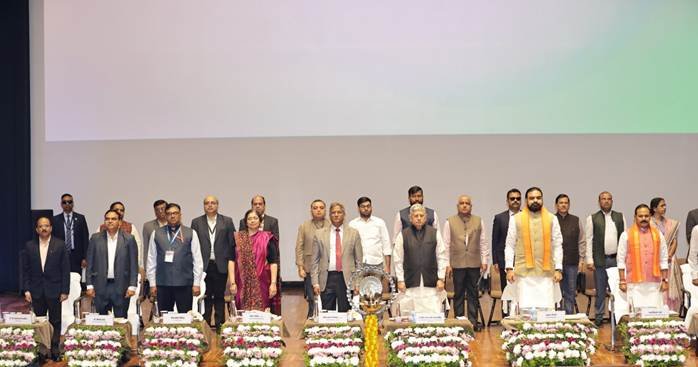
The Department of Animal Husbandry and Dairying (DAHD), Ministry of Fisheries, Animal Husbandry and Dairying, organised the celebration at Bapu Auditorium. The event brought together Union and state government representatives, dairy cooperatives, milk unions, livestock farmers and industry stakeholders to highlight the sector’s contribution to rural livelihoods and the national economy.
The programme was attended by Bihar Chief Minister Samrat Chaudhary, Union Minister Rajiv Ranjan Singh alias Lallan Singh, Bihar Minister Nand Kishore Ram, Chief Secretary Pratyay Amrit, DAHD Secretary Naresh Pal Gangwar and National Dairy Development Board (NDDB) Chairman Dr. Meenesh Shah, among other dignitaries.
India’s Milk Production Estimated at 253.81 Million Tonnes
The event saw the release of Basic Animal Husbandry Statistics (BAHS) 2026, presenting estimates of India’s milk, egg, meat and wool production for 2025-26. The report is based on the Integrated Sample Survey conducted from March 1, 2025, to February 28, 2026.
According to the report:
- Milk production: 253.81 million tonnes
- Egg production: 156.88 billion
- Total meat production: 10.63 million tonnes
- Poultry meat production: 5.13 million tonnes
Union Minister Rajiv Ranjan Singh highlighted India’s position as the world’s largest milk producer, contributing nearly one-fourth of global milk production. He stated that national milk production has increased by approximately 84% compared with 2013-14.
Bihar Targets 10 Million Litres of Milk Production Per Day
Bihar Chief Minister Samrat Chaudhary highlighted the contribution of livestock farmers to rural development and the state’s economy. He said Bihar currently produces approximately 4.8 million litres of milk per day, and the state aims to increase daily production to 10 million litres.
Union Minister Rajiv Ranjan Singh stated that Bihar’s milk production is projected to increase from 7.19 million metric tonnes in 2013-14 to 13.76 million metric tonnes in 2025-26, representing growth of approximately 91%.
He also highlighted the progress of COMFED, with daily milk procurement reaching 23.97 lakh kg and sales reaching 18.41 lakh litres.
The Minister underlined the role of the National Animal Disease Control Programme, particularly vaccination against Foot and Mouth Disease, in protecting livestock health and improving milk productivity. He also referred to the contribution of the Rashtriya Gokul Mission, National Programme for Dairy Development (NPDD) and other central schemes in strengthening dairy cooperatives, animal breeding and animal health services.
Dairy Processing and Cooperative Infrastructure Projects Dedicated
Several dairy infrastructure projects were inaugurated or dedicated during the programme, with a focus on strengthening milk collection, processing and quality management.
Major initiatives included:
- Distribution of approved Data Processing and Milk Collection Units (DPMCUs) to dairy cooperatives under the National Programme for Dairy Development.
- Inauguration of Mineral Mixture Plants at VPMU, Patna, and TIMUL, Muzaffarpur.
- Inauguration of an Effluent Treatment Plant at Mithila Milk Union, Samastipur.
- Dedication of Namaste India’s 2 LLPD milk processing plant at Sikandarpur, Bihta, Patna, established with assistance from the Animal Husbandry Infrastructure Development Fund (AHIDF).
- Distribution of certificates to veterinary drug outlets approved under the Livestock Health and Disease Control Programme.
These projects are intended to strengthen dairy processing capacity, milk collection systems, animal nutrition and veterinary service access.
New Dairy Cooperative Rating System and Climate-Resilient Roadmap
The event also marked the launch of initiatives aimed at improving institutional performance and long-term sustainability in the dairy sector.
These included:
- Standard Operating Procedures for rating and grading dairy cooperatives and Milk Producer Organisations.
- An online application portal for the rating and grading process.
- A climate-resilient roadmap for India’s livestock and dairy sector, aligned with the vision of Developed India @ 2047.
The programme also featured a panel discussion with progressive dairy farmers, who shared their experiences, innovations and practices for strengthening dairy operations.
Sudha Launches Makhana Kheer and Rabri
In a move to promote value-added dairy products, the Sudha brand launched Makhana Kheer and Rabri during the event. Keys to Sudha brand outlets were also handed over as part of efforts to expand product reach.

The launches highlight the potential for combining traditional regional ingredients with dairy-based products to develop new offerings for consumers.
An exhibition held alongside the celebration showcased dairy technologies, equipment, animal nutrition products, milk-testing systems and dairy products, highlighting innovations in milk production, animal health, quality control and operational efficiency.
Rashtriya Gopal Ratna Awards Recognise Dairy Sector Contributions
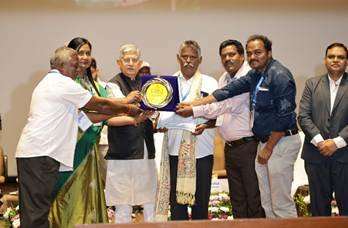
The Rashtriya Gopal Ratna Awards 2026 were presented to recognise contributions to indigenous cow and buffalo breed conservation, dairy development and livestock productivity.
The awards covered three categories:
- Best Dairy Farmer rearing Indigenous Cow/Buffalo Breeds.
- Best Artificial Insemination Technician.
- Best Dairy Cooperative Society, Milk Producer Company or Dairy Farmer Producer Organisation.
Special awards were also presented to winners from the Northeast and Himalayan states.
DAHD Secretary Naresh Pal Gangwar paid tribute to Dr. Verghese Kurien on his birth anniversary and highlighted the role of sex-sorted semen technology in accelerating genetic improvement and enhancing animal productivity.
Implications for Hospitality, Food Processing and Dairy Businesses
The initiatives announced at National Milk Day 2026 have relevance for India’s food processing, dairy distribution and hospitality industries.
The expansion of milk processing infrastructure and collection systems can strengthen the organised dairy supply chain. Improved processing capacity and quality management may support the availability of milk and dairy products for hotels, restaurants, bakeries, cafés, caterers and institutional kitchens.
The launch of Makhana Kheer and Rabri by Sudha also reflects opportunities in value-added dairy products that combine regional food ingredients with established dairy brands. Such products can expand the range of traditional desserts and packaged dairy offerings for retail and food-service markets.
For Bihar, the state’s milk production target, cooperative infrastructure and new processing facilities could strengthen its dairy ecosystem and create opportunities for local producers, processors and distributors. The climate-resilient roadmap and animal health initiatives also place sustainability and livestock productivity within the sector’s long-term development agenda.
National Milk Day 2026 therefore highlighted not only India’s dairy production growth but also the importance of processing infrastructure, cooperative systems, product innovation and market expansion in building a stronger dairy economy.