Indian Railways Marks Rashtriya Ekta Diwas with Cleanliness Drive and Safai Mitra Felicitation at Rail Bhawan
Railway Board Chairman administers Unity Pledge; health check-ups and recognition of housekeeping and horticulture staff highlight focus on workplace hygiene and sanitation Indian Railways observed Rashtriya Ekta Diwas and Swachhata Hi Seva 2026 – Special Campaign
Railway Board Chairman administers Unity Pledge; health check-ups and recognition of housekeeping and horticulture staff highlight focus on workplace hygiene and sanitation
Indian Railways observed Rashtriya Ekta Diwas and Swachhata Hi Seva 2026 – Special Campaign 6.0 at Rail Bhawan, New Delhi, on 30 October, combining the message of national unity with initiatives promoting workplace cleanliness, sanitation and employee welfare.
Satish Kumar, Chairman and CEO of the Railway Board, administered the Rashtriya Ekta Diwas Pledge in the presence of Railway Board members, Directors General, senior officials and ministry staff. The occasion marked the 151st birth anniversary of Sardar Vallabhbhai Patel, whose contribution to the integration of princely states remains central to India’s national unity.
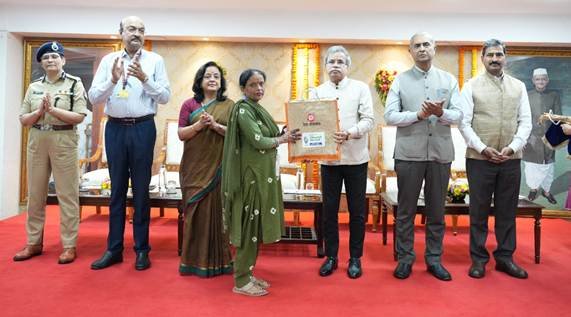
As part of the cleanliness campaign, Indian Railways organised health check-up camps for Safai Mitras, acknowledging the importance of the health and well-being of sanitation workers. The Railway Board Chairman also felicitated Safai Mitras for their contribution to maintaining cleanliness at Rail Bhawan.
The recognition extended to housekeeping and horticulture employees, highlighting the role of frontline maintenance teams in keeping railway premises clean and green. The event also included the felicitation of 11 employees who retired after years of service to Indian Railways.
Key Highlights
- Rashtriya Ekta Diwas: Unity Pledge administered by Railway Board Chairman and CEO Satish Kumar.
- Special Campaign 6.0: Cleanliness, hygiene and sanitation activities organised at Rail Bhawan.
- Safai Mitra welfare: Health check-up camps conducted for sanitation workers.
- Employee recognition: Safai Mitras, housekeeping and horticulture staff felicitated.
- Retirement recognition: 11 retiring employees honoured for their service.
- One Family, One Team: Event reinforced teamwork and collective responsibility across Indian Railways.
Impact on Hospitality, Travel & Tourism
1. Cleanliness as a core passenger-experience factor
The campaign reinforces the importance of hygiene and sanitation across railway facilities. Clean stations, waiting areas, washrooms and public spaces are essential to passenger satisfaction and influence the overall travel experience.
2. Recognition of frontline sanitation teams
The felicitation of Safai Mitras highlights the contribution of sanitation and housekeeping personnel to public infrastructure. The health check-up initiative also brings attention to employee welfare, an important consideration for large-scale hospitality and transport operations.
3. Relevance for hospitality operations
Hotels, restaurants and tourism facilities operate on similar principles of consistent housekeeping, sanitation and maintenance. The campaign offers a reminder that cleanliness depends on trained frontline teams, regular monitoring and institutional support.
4. Stronger destination experience
As India’s national transporter, Indian Railways connects millions of passengers across regions. Continued attention to cleanliness at railway premises can contribute to a more welcoming travel environment for domestic and international visitors.
Industry Takeaway
Cleanliness is not simply an infrastructure requirement; it is a key part of the customer experience across transport, tourism and hospitality. Indian Railways’ observance of Swachhata Hi Seva 2026 highlights the importance of recognising frontline sanitation teams while building a culture of hygiene and collective responsibility.
For the hospitality industry, the message is relevant: sustainable cleanliness standards depend as much on the welfare, recognition and support of housekeeping and maintenance staff as they do on operational systems.