Indian Railways Concludes Year-Long Celebrations of 150 Years of Vande Mataram
Four-phase commemorative programme featured mass singing, essay and quiz competitions, and a Tiranga Rally; winners and Railway Board Cultural Group felicitated at closing event The Ministry of Railways has concluded its year-long celebrations marking 150 years
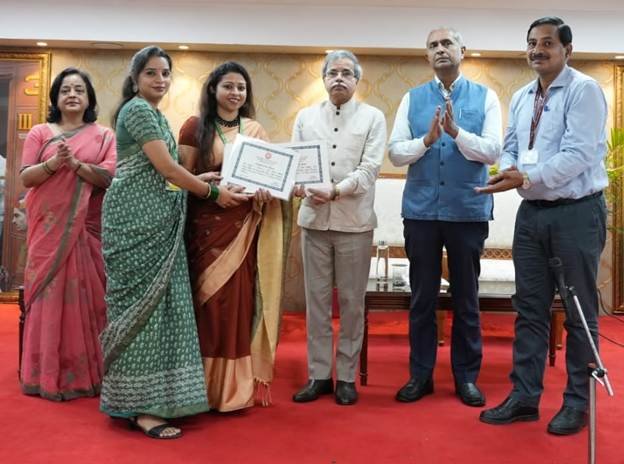
Four-phase commemorative programme featured mass singing, essay and quiz competitions, and a Tiranga Rally; winners and Railway Board Cultural Group felicitated at closing event
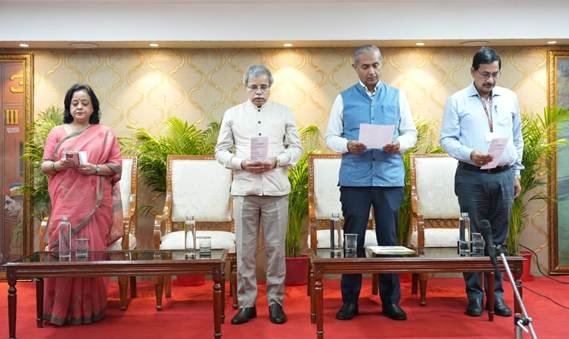
The Ministry of Railways has concluded its year-long celebrations marking 150 years of Vande Mataram, with a cultural programme at Rail Bhawan, New Delhi, on 5 November 2026. Organised across four phases between November 2025 and November 2026, the celebrations featured mass singing, an essay competition, a quiz and a Tiranga Rally to highlight national unity, patriotism and India’s cultural heritage.
The closing programme was attended by Satish Kumar, Chairman and CEO of the Railway Board, along with Board Members, Directors General and senior railway officials. Winners of the essay and quiz competitions were felicitated with prizes and merit certificates. The Railway Board Cultural Group was also recognised for its contribution to organising activities throughout the year.
Four Phases of Vande Mataram Celebrations
The commemorative programme began on 7 November 2025 with a mass singing of Vande Mataram at Rail Bhawan, attended by Union Railway Minister Ashwini Vaishnaw.
The second phase featured an essay competition on 22 January 2026, themed “Vande Mataram: The Spirit of Unity in India’s Diversity”. The competition encouraged participants to reflect on the National Song and its message of unity.
During the third phase, a quiz competition based on the 150-year journey of Vande Mataram was organised on 10 August 2026. A Tiranga Rally, led by the Union Railway Minister, was also held within the Rail Bhawan premises, with senior railway officials participating.
The fourth and final phase took place during the closing week from 1 to 7 November 2026. The 5 November programme included the felicitation of competition winners and the Railway Board Cultural Group.
Key Highlights
- 150 years of Vande Mataram: Indian Railways concludes year-long commemorations.
- Four-phase programme: Celebrations ran from November 2025 to November 2026.
- Mass singing: First phase launched on 7 November 2025 at Rail Bhawan.
- Essay competition: Organised around the theme of unity in India’s diversity.
- Quiz and Tiranga Rally: Conducted during the third phase in August 2026.
- Recognition: Essay and quiz winners received prizes and merit certificates.
- Cultural contribution: Railway Board Cultural Group felicitated for organising the programmes.
Impact on Hospitality, Travel & Tourism
1. Cultural heritage as a tourism driver
The 150-year commemoration highlights the role of national heritage and cultural identity in shaping India’s tourism narrative. Cultural events and commemorations can create opportunities for heritage interpretation, educational travel and visitor engagement.
2. Opportunities for cultural and heritage tourism
The history and significance of Vande Mataram can be incorporated into cultural experiences, museum programmes, heritage trails and educational itineraries. Such initiatives can add context to visits to historically significant destinations.
3. Indian Railways as a cultural connector
Railways connect major cities, regional centres and heritage destinations across the country. Its role in national commemorations also reinforces the connection between transport infrastructure, cultural exchange and domestic tourism.
4. Event-led visitor engagement
Large-scale cultural programmes demonstrate how structured events can bring communities and institutions together. Similar event-led initiatives can support destination promotion and create opportunities for local hospitality businesses when linked to visitor activities.
Industry Takeaway
The conclusion of Indian Railways’ year-long Vande Mataram celebrations underscores the continuing relevance of cultural heritage in public engagement and national identity.
For the hospitality and tourism industry, the broader opportunity is to integrate India’s cultural narratives into destination experiences, heritage tourism and educational travel. As a nationwide transport network, Indian Railways remains an important facilitator of access to the country’s diverse cultural and historical destinations.