Fisheries Sector Marks India’s 80th Independence Day with Focus on Youth, Innovation and Blue Economy
Government highlights ₹39,272 crore investment since 2015 and PM-MKSSY’s role in empowering fishers, aquafarmers and fisheries entrepreneurs New Delhi, August 17, 2026: The Department of Fisheries celebrated India’s 80th Independence Day on August 15 with fishers
Government highlights ₹39,272 crore investment since 2015 and PM-MKSSY’s role in empowering fishers, aquafarmers and fisheries entrepreneurs
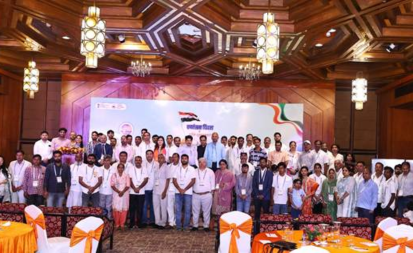
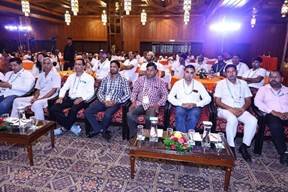
New Delhi, August 17, 2026: The Department of Fisheries celebrated India’s 80th Independence Day on August 15 with fishers and fish farmers from across the country, reaffirming the government’s focus on strengthening livelihoods, encouraging youth participation and building a sustainable fisheries-led Blue Economy.
The celebrations were aligned with the national themes of “150 Years of Vande Mataram” and “Yuva Shakti for Viksit Bharat@2047”, highlighting the contribution of young entrepreneurs, fishers and fish farmers to the future of the sector.
Key Highlights
- Around 3 crore fishers and fish farmers depend on India’s fisheries and aquaculture sector for livelihoods.
- India is the world’s second-largest fish producer, accounting for around 8% of global fish production.
- The country ranks second globally in aquaculture production and is a major shrimp producer and exporter.
- Government investments in the fisheries sector have reached ₹39,272 crore cumulatively since 2015.
- Five PM-MKSSY beneficiaries were invited to an “At Home” reception hosted by the President of India.
- PM-MKSSY has an estimated outlay of ₹6,000 crore for FY2023-24 to FY2026-27.
₹39,272 Crore Investment Drives Fisheries Transformation
According to the Department of Fisheries, the government has invested ₹39,272 crore since 2015 through initiatives including the Blue Revolution Scheme, Fisheries and Aquaculture Infrastructure Development Fund (FIDF), Pradhan Mantri Matsya Sampada Yojana (PMMSY) and its sub-scheme, PM-MKSSY.
The investment is aimed at supporting sustainable fisheries production, modern aquaculture, infrastructure development, technology adoption, post-harvest management and fisher welfare.
The government said the sector currently supports approximately 3 crore fishers and fish farmers, with employment extending across the wider fisheries value chain.
Youth Identified as Key to Fisheries’ Future
The Independence Day programme placed particular emphasis on the role of youth in the fisheries sector, with opportunities emerging in modern aquaculture, digital traceability, cold-chain management, processing, branding, marketing and seafood exports.
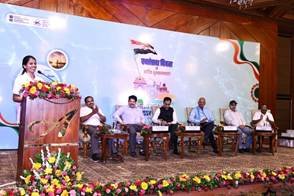
The Department said greater participation by young entrepreneurs could accelerate innovation and strengthen fisheries as an important pillar of India’s Blue Economy.
This represents a shift in the perception of fisheries from a traditional livelihood activity towards a broader technology- and enterprise-driven value chain.
PM-MKSSY Beneficiaries Recognised
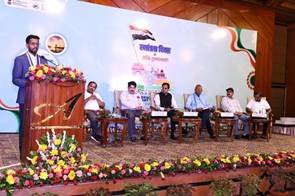
Following the Independence Day celebrations at the Red Fort, the Department organised an interaction with PM-MKSSY beneficiaries and their spouses.
Five beneficiaries were invited to the President’s “At Home” reception at Rashtrapati Bhavan Cultural Centre:
- Nitul Ch Das – Assam
- Suresh Chandra Rout – Odisha
- Ekanath Rama Mukane – Maharashtra
- Akash Singh – Uttar Pradesh
- Misha Singh – Bihar
During the interaction, beneficiaries shared their experiences of using government support to improve livelihoods, adopt modern practices and create new income opportunities.
PM-MKSSY Targets Structural Gaps in Fisheries
Approved by the Union Cabinet in February 2024, Pradhan Mantri Matsya Kisan Samridhi Sah-Yojana (PM-MKSSY) is a Central Sector sub-scheme under PMMSY and will operate across all States and Union Territories through FY2026-27.
With an estimated outlay of ₹6,000 crore, the scheme focuses on bringing greater formalisation and institutionalisation to India’s fisheries and aquaculture sector.
Its major interventions include:
- Digital identities and formalisation through the National Fisheries Digital Platform (NFDP)
- Greater access to institutional finance and working capital
- Aquaculture insurance support
- Performance grants for fisheries and aquaculture micro and small enterprises
- Improved value-chain efficiency
- Better fish and fishery-product safety and quality systems
- Employment creation and maintenance
- Integration of fisheries value chains
Broad Beneficiary Base
PM-MKSSY covers a wide range of stakeholders, including fish farmers, fish workers and fish vendors, as well as fisheries and aquaculture micro and small enterprises.
Eligible entities also include cooperatives, federations, Self-Help Groups, Fish Farmer Producer Organisations, Farmer Producer Organisations, startups and other fisheries value-chain organisations.
The scheme’s digital component is particularly significant as it seeks to bring traditionally informal fisheries businesses into formal financial and institutional systems.
Hospitality and Tourism Impact
The government’s renewed emphasis on youth, entrepreneurship and value addition could have a direct impact on India’s hospitality and culinary economy.
For hotels and restaurants: Modern aquaculture, improved cold chains and quality assurance can provide more reliable access to consistent-quality seafood.
For culinary tourism: Stronger regional fish and seafood value chains can support destination-specific cuisine, seafood festivals, culinary trails and local food experiences.
For coastal tourism: Investment in fishing communities and sustainable fisheries can create opportunities for responsible tourism initiatives that connect visitors with local fishing traditions.
For seafood businesses: PM-MKSSY’s support for processing, branding, digital systems and market access can help smaller fisheries enterprises move further up the value chain and potentially supply organised hospitality and export markets.
Bottom Line
The Independence Day programme underscores the government’s effort to position fisheries as a modern, technology-enabled and youth-driven economic sector rather than solely a traditional livelihood.
With substantial public investment, digital formalisation under PM-MKSSY and growing emphasis on value addition, exports and sustainability, India’s fisheries sector is increasingly becoming an important component of the country’s Blue Economy and food-tourism ecosystem.