Bairabi-Sairang Railway Line Completes One Year, Boosting Mizoram Tourism, Hospitality and Logistics
51.38-Km Rail Corridor Records More Than 15 Lakh Passenger Journeys and 2,500 Freight Wagons in Its First Year, Expanding Mizoram’s National Connectivity New Delhi, September 13, 2026: The 51.38-km Bairabi-Sairang railway line has completed its first
51.38-Km Rail Corridor Records More Than 15 Lakh Passenger Journeys and 2,500 Freight Wagons in Its First Year, Expanding Mizoram’s National Connectivity
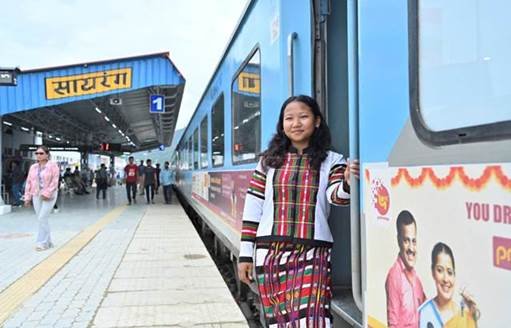
New Delhi, September 13, 2026: The 51.38-km Bairabi-Sairang railway line has completed its first year of operations, emerging as a significant transport and logistics link for Mizoram while opening new opportunities for tourism, hospitality, local businesses and freight movement.
Inaugurated on September 13, 2025, the railway corridor connects Bairabi with Sairang through challenging hill terrain and brings rail connectivity close to Aizawl, Mizoram’s capital and a major centre for administration, education, commerce and tourism.
In its first year, the corridor has handled more than 15 lakh passengers, over 1,100 long-distance train trips and more than 2,500 freight wagons, according to the Ministry of Railways.
Key Highlights
- 51.38-km Bairabi-Sairang railway line completes one year of operations.
- Corridor includes 45 tunnels spanning nearly 16 km.
- Railway infrastructure includes 153 bridges, including 55 major and 88 minor bridges.
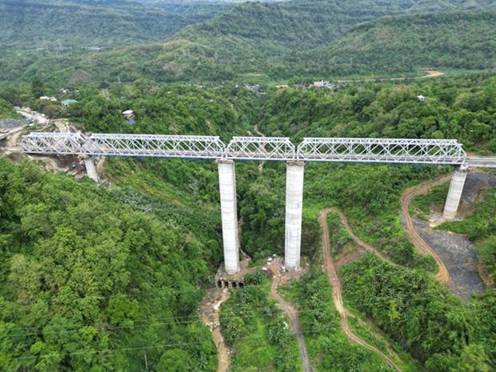
- Six bridges exceed 70 metres in height; the tallest is 114 metres.
- More than 15 lakh passengers travelled on the connected services during the first year.
- More than 1,100 long-distance train trips were completed.
- Sairang station recorded over 5.54 lakh passenger movements, averaging around 3,300 passengers a day.
- Railway freight operations delivered more than 2,500 wagons to Sairang.
- Around 70% of freight comprised construction materials such as cement, stone and sand.
- 156 wagons of automobiles were handled during the year.
- Direct rail connectivity has expanded access to Delhi, Kolkata, Guwahati and Silchar.
- The first parcel consignment from Sairang carried Anthurium flowers to Delhi.
- The release reports an 86% increase in tourism in Mizoram following the introduction of rail connectivity.
Rail Connectivity Brings Mizoram Closer to Major Indian Cities
The Bairabi-Sairang line has reduced Mizoram’s dependence on long road journeys for connectivity with the wider railway network.
Three major long-distance services now connect Sairang with Guwahati, Kolkata and Delhi, while the Sairang-Silchar passenger service provides another regular link with Assam’s Barak Valley.
The Sairang-Anand Vihar Rajdhani Express has given Mizoram a direct premium rail connection with the national capital.
Passenger demand has remained high. The railway reports more than 15 lakh passenger journeys during the first year, with the connected services operating at high occupancy levels.
The Sairang-Kolkata service recorded average occupancy of more than 140%, the Sairang-Guwahati service more than 110%, and the Sairang-Anand Vihar Rajdhani Express more than 145%, according to the release.
Together, the services generated approximately ₹54 crore in ticket revenue for Indian Railways.
Sairang Emerges as a Passenger and Logistics Gateway
Sairang Railway Station has handled more than 5.54 lakh passenger movements during its first year, with an average of around 3,300 passengers visiting the station each day.
The station has also become an important freight-handling point for Mizoram.
The first cargo train reached Sairang on September 14, 2025, carrying more than 26,000 bags of cement from the STAR Cement siding at Tetelia near Guwahati.
The development demonstrated the potential of rail freight to move bulky commodities into Mizoram in larger quantities and over a more direct logistics route.
More Than 2,500 Freight Wagons Delivered
During the first year, more than 2,500 freight wagons were delivered at Sairang.
Construction materials—including cement, stone and sand—accounted for approximately 70% of the cargo. These supplies have supported housing and infrastructure projects across the state.
The railway has also handled essential commodities such as rice and fertilisers, alongside automobile consignments.
In December 2025, the first automobile freight consignment arrived at Sairang, carrying 119 Maruti cars from Changsari near Guwahati.
The release states that 156 wagons containing automobiles have been handled during the first year, providing a higher-capacity rail channel for vehicle movement.
Tourism Gets a New Rail Gateway
Tourism is among the sectors directly affected by improved connectivity.
The introduction of direct rail services from Delhi, Kolkata, Guwahati and Silchar has provided domestic travellers with an additional option for reaching Mizoram, alongside air and road travel.
The PIB release reports that tourism in Mizoram has grown by more than 86% since the introduction of rail connectivity.
Increased visitor movement can have a wider economic effect across the destination ecosystem, including hotels, homestays, restaurants, taxis, local guides, cultural enterprises and retail markets.
Improved rail access can also make it easier for Mizoram to host larger educational, sporting, cultural and official events, potentially widening the catchment of visitors and participants.
Hospitality Sector Positioned to Benefit from Increased Visitor Flow
For the hospitality industry, the emergence of Sairang as a rail gateway could be significant.
A larger and more diverse visitor base can create demand for accommodation across categories, from hotels and resorts to homestays and smaller guesthouses. Restaurants, cafés, transport operators and local experience providers can also benefit from increased movement through the destination.
The impact is particularly relevant for domestic tourism, where rail connectivity can make a destination more accessible to travellers who may otherwise depend on air travel or long-distance road transport.
For destination managers and hospitality businesses, the next opportunity will be to convert improved accessibility into longer stays, local experiences and wider visitor spending across Mizoram.
Local Produce Gets Access to National Markets
Rail connectivity is also creating new possibilities for local enterprises.
The first parcel consignment from Sairang was booked on September 19, 2025, carrying Anthurium flowers to Delhi through the parcel van of the Sairang-Anand Vihar Rajdhani Express.
The example is particularly relevant for Mizoram’s producers of flowers, handloom, bamboo, cane and other locally made products, which can potentially access markets outside the state through improved transport links.
For time-sensitive products such as flowers and other high-value perishables, reliable transportation can be important in expanding market reach.
Engineering Feat Through Mizoram’s Hills
The railway line itself represents a major infrastructure undertaking in challenging terrain.
The 51.38-km corridor includes 45 tunnels covering almost 16 km and 153 bridges, comprising 55 major bridges, 88 minor bridges and 10 Road Over Bridges/Road Under Bridges.
Six bridges are more than 70 metres high, with the tallest reaching 114 metres—around 42 metres higher than the Qutub Minar, according to the release.
The infrastructure enables the railway network to cross Mizoram’s steep hills, valleys and gorges before reaching Sairang.
Impact on Hospitality, Food, Travel & Tourism
Travel Connectivity: Direct rail links with Delhi, Kolkata, Guwahati and Silchar give travellers more options for reaching Mizoram and strengthen the state’s integration with India’s domestic tourism network.
Hotels & Homestays: Higher passenger movement can support accommodation demand, particularly in Sairang, Aizawl and tourism circuits accessible from the rail gateway.
Food & Beverage: Increased tourist and passenger traffic can benefit restaurants, cafés, local food businesses and regional cuisine experiences.
Local & Culinary Experiences: Better connectivity can help visitors access Mizo food, cultural experiences, handicrafts and locally produced goods, supporting destination-based tourism spending.
Rural and Community Tourism: Improved access can potentially broaden tourism beyond established urban centres, although road connectivity and last-mile infrastructure will remain important for reaching smaller destinations.
Logistics for Hospitality: Rail movement of construction materials, foodgrains and other commodities can support the broader infrastructure and supply ecosystem required by hotels, restaurants and tourism businesses.
Industry Takeaway
The first year of the Bairabi-Sairang railway line demonstrates how transport infrastructure can simultaneously influence passenger mobility, tourism, freight logistics and local enterprise.
With more than 15 lakh passenger journeys and 2,500 freight wagons recorded during its first year, Sairang is developing into an important gateway for Mizoram.
For hospitality and tourism stakeholders, the key opportunity lies in building on this improved accessibility through better accommodation capac