Agriculture Students to Receive Monthly Scholarships Through NSP-DBT; ₹21.35 Crore Released to 6,000+ Students
New National Scholarship Portal initiative aims to make scholarship payments faster and more transparent while strengthening practical training, innovation and entrepreneurship in agricultural education Key Highlights ₹21.35 crore released directly to more than 6,000 agriculture students through
New National Scholarship Portal initiative aims to make scholarship payments faster and more transparent while strengthening practical training, innovation and entrepreneurship in agricultural education
Key Highlights
- ₹21.35 crore released directly to more than 6,000 agriculture students through DBT.
- Scholarship payments will now be made monthly through the National Scholarship Portal (NSP).
- Agriculture Minister Shivraj Singh Chouhan stressed the need to combine classroom education with practical field training.
- Students encouraged to pursue agri-startups, research and innovation, rather than focusing only on conventional employment.
- ICAR students urged to participate in plantation drives under the ‘Hariyali Amavasya’ initiative.
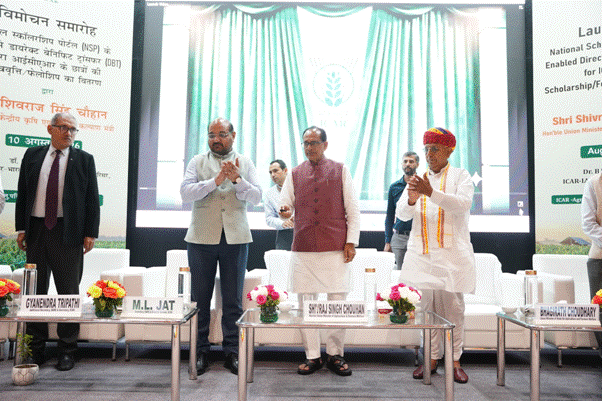
The government has introduced a National Scholarship Portal-based Direct Benefit Transfer (NSP-DBT) mechanism for agriculture students, with Union Agriculture and Farmers’ Welfare Minister Shivraj Singh Chouhan releasing ₹21.35 crore in scholarships and fellowships to more than 6,000 students.
The funds were released at the Indian Agricultural Research Institute (ICAR-IARI), Pusa, as part of an initiative designed to streamline scholarship payments and reduce delays faced by students under traditional disbursement systems.
Under the new mechanism, eligible agriculture students will receive scholarship assistance every month directly through DBT, providing greater predictability and transparency in financial support.
Government Pushes Practical Agricultural Education
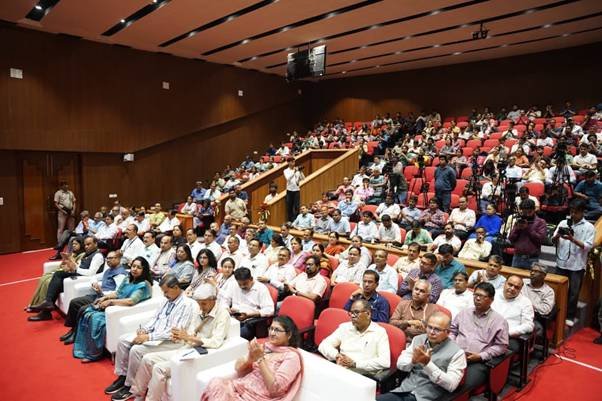
Addressing students at the programme, Chouhan said agricultural education must extend beyond classrooms and examinations. He emphasised practical training as an essential component in preparing future farmers, scientists, entrepreneurs and agricultural professionals.
The Minister encouraged students to gain hands-on experience and understand the realities of farming and allied activities. He also urged students to contribute ideas and suggestions for improving agricultural education and training.
According to the Minister, agriculture offers opportunities beyond conventional employment, particularly through research, innovation and startups. Young agricultural professionals can play a larger role in developing solutions to emerging challenges related to food production, sustainability and farm incomes.
Focus on Food Security and Farmers’ Income
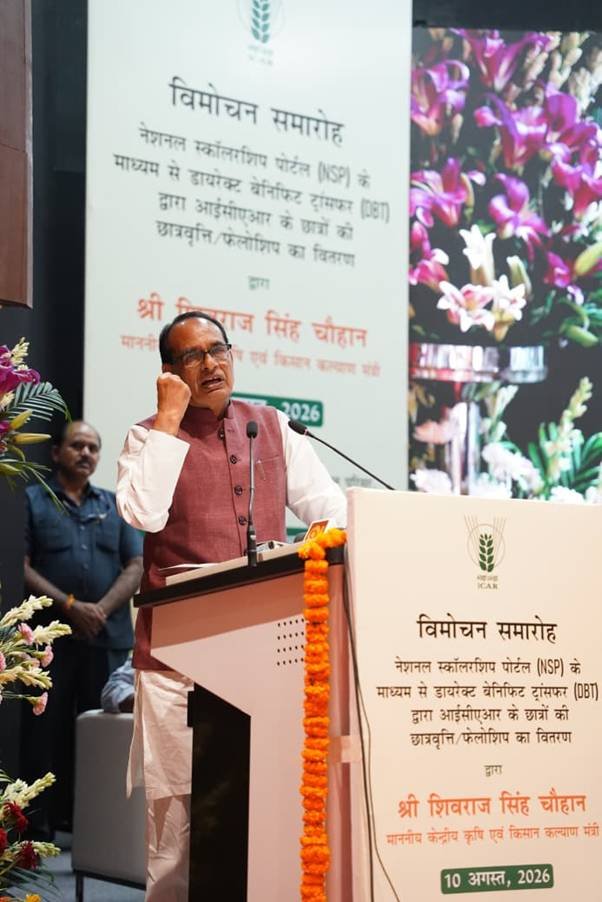
Chouhan highlighted food security, nutrition and farmers’ income security as continuing priorities for the government.
He also credited ICAR scientists and farmers with contributing to India’s agricultural progress, particularly through research, innovation and improvements in farm productivity.
The government sees a stronger pipeline of trained agricultural professionals as important for supporting scientific advancement and developing new technologies and business models across the farm sector.
Students Asked to Support Green Initiatives
The Agriculture Minister also appealed to students at ICAR institutions across India to participate in plantation activities on ‘Hariyali Amavasya’.
The initiative seeks to connect agricultural education with environmental responsibility and encourage young people to participate in activities supporting greener and more sustainable agricultural systems.
What It Means for Agri-Education
The NSP-DBT rollout could make scholarship support more predictable for agriculture students while reducing administrative delays. Regular financial assistance can also help students concentrate on education, field training and research.
The emphasis on practical learning and entrepreneurship is significant for India’s expanding agri-tech, food processing, agribusiness and rural enterprise ecosystem, where demand is growing for professionals who can combine scientific knowledge with on-ground agricultural experience.
The broader message from the government is clear: agricultural education is being positioned not only as a pathway to employment but also as a platform for innovation, entrepreneurship, research and strengthening India’s food and nutrition security.