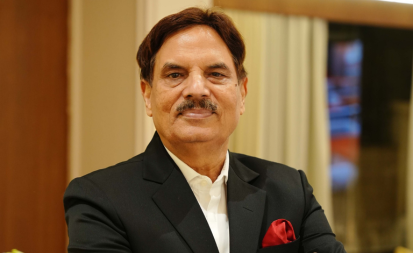
Designing the Future of Hospitality: Frank Schloeder on Smart Spaces, Silent Luxury & India’s Rising Potential
"The future of hospitality lies in creating intuitive, intelligent spaces where technology enhances the guest experience without being seen." — Frank Schloeder, Managing Director, Häfele South Asia
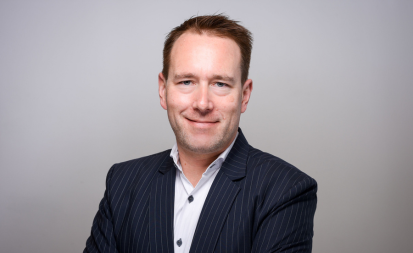
As hospitality evolves into a seamless blend of design, technology, and guest-centric innovation, the role of intelligent interior solutions has never been more significant. In this exclusive conversation with Frank Schloeder, we explore how Häfele is redefining modern hospitality through smart technologies, silent luxury, localized manufacturing, and future-ready design. From his transition from the automotive industry to leading one of the world’s most trusted interior solutions brands, Schloeder shares insights on shaping exceptional guest experiences, embracing innovation, and India’s growing role as a global manufacturing and hospitality powerhouse.
In Conversation with Frank Schloeder, Managing Director, Häfele South Asia
You transitioned from the automotive luxury world at BMW to interior and architectural solutions at Häfele. What parallels do you see between mobility, luxury automobiles, and modern living spaces?
The transition from the automotive industry to architectural and interior solutions may seem like a significant shift, but I see many common threads between the two. At their core, both industries are about understanding people’s aspirations and creating experiences that seamlessly blend functionality, technology, design, and comfort.
During my years with BMW Group, I learned that customers do not simply buy a product—they invest in an experience and a brand they can trust. The same principle applies to modern homes, hospitality environments, and commercial spaces today. People increasingly expect their living and working spaces to be intuitive and future-ready, much like they expect from premium automobiles.
What particularly excites me is how technology is reshaping both industries. Features that were once considered luxuries are now becoming everyday expectations. Whether it is intelligent lighting, smart access solutions, connected appliances, or flexible space management, consumers are looking for environments that enhance convenience while maintaining a strong design aesthetic.
Another important similarity is the need to balance global innovation with local relevance. Having worked across different markets, I have seen that while customer expectations for quality and performance are universal, the way people live and interact with spaces can vary significantly. At Häfele, this understanding drives our commitment to developing solutions that combine global expertise with insights tailored to local lifestyles and market needs.
Ultimately, whether it is a premium automobile or a thoughtfully designed living space, the objective remains the same: to enrich everyday experiences through quality, and meaningful design.
Hotels today are competing less on room inventory and more on experience design. How is Häfele helping hospitality brands create differentiated guest experiences?
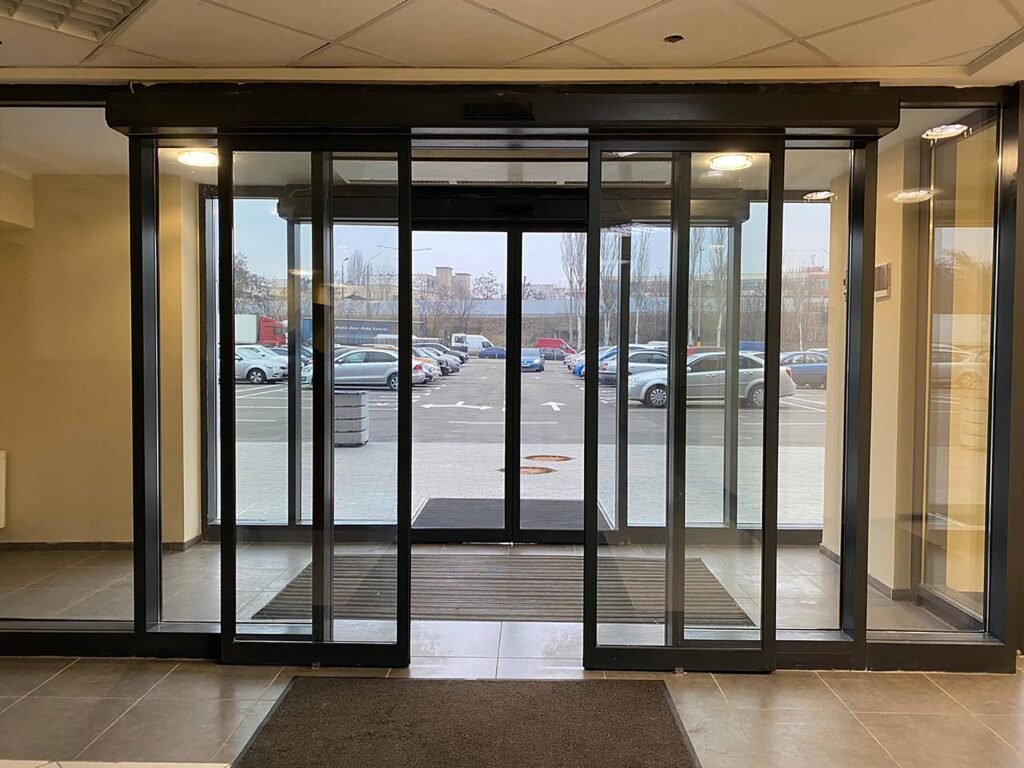
Today, hospitality is increasingly centered around creating memorable and personalised experiences rather than just offering physical infrastructure. Guests expect spaces that are intuitive, aesthetically refined, and technologically enabled. Integrated solutions such as intelligent access systems, architectural hardware, lighting, sliding solutions, movable walls, and customised interior applications, all of which form part of Häfele’s portfolio, are helping hospitality spaces enhance both functionality and guest comfort. We are also seeing a growing demand for flexible and future-ready spaces, where technology works silently in the background while elevating ambience and operational efficiency. Our focus remains on helping hospitality brands create differentiated environments that combine design and seamless user experiences.
From smart access systems to intelligent lighting and modular solutions, how do you see technology reshaping hotel operations over the next five years?
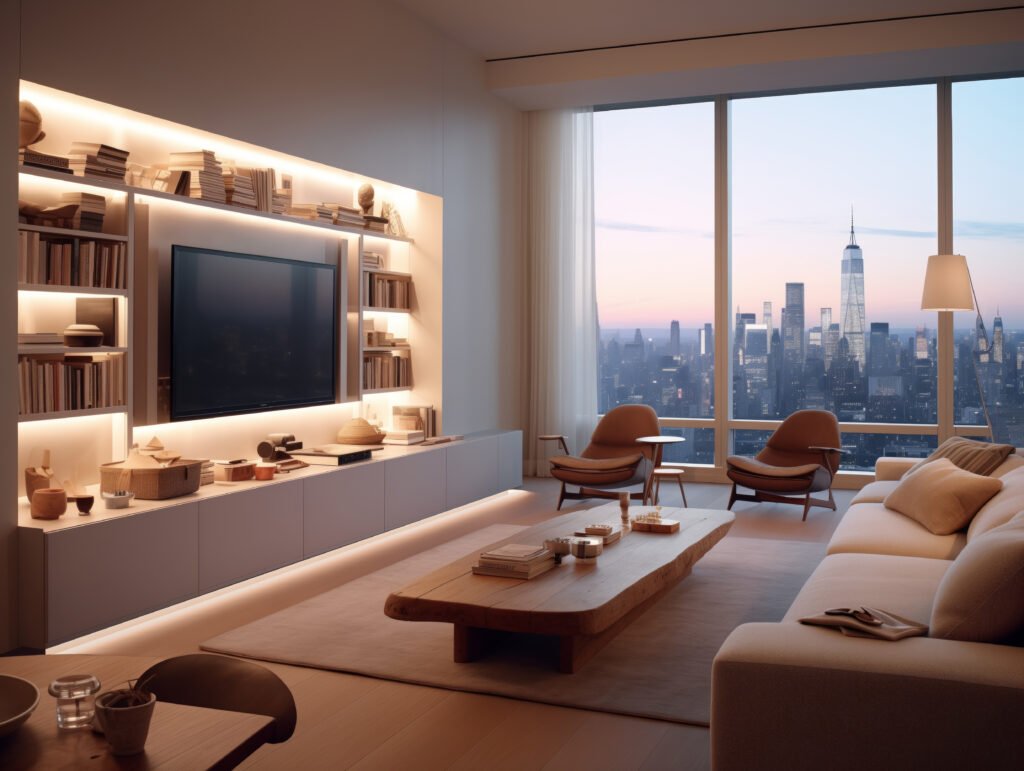
Over the next five years, technology will fundamentally redefine hospitality operations by making spaces more intelligent and guest centric. Today’s guests expect personalised and intuitive experiences, while hotel operators are equally focused on operational efficiency and sustainability. This is where integrated technologies such as smart access systems, intelligent lighting, connected appliances, and modular space solutions will play a critical role.
How important is “silent luxury” in hospitality design today — where technology enhances comfort without becoming visually intrusive?
Silent luxury is becoming one of the defining characteristics of modern hospitality design. Today’s guests appreciate spaces that feel calm and effortlessly sophisticated, where comfort is enhanced through thoughtful design rather than visible technology. Whether it is intelligent lighting that adapts to different moods, discreet access systems, or seamlessly integrated hardware, the emphasis is on creating intuitive experiences without overwhelming the space visually. Hotels are increasingly prioritising minimal aesthetics, spatial fluidity, and subtle functionality that elevate the overall ambience. This shift reflects a broader evolution in luxury itself, where understated elegance, personal comfort, and meaningful user experiences are valued far more than excess or overt displays of technology.
Häfele has evolved from a fittings company into a complete interior solutions ecosystem. What triggered this transformation?
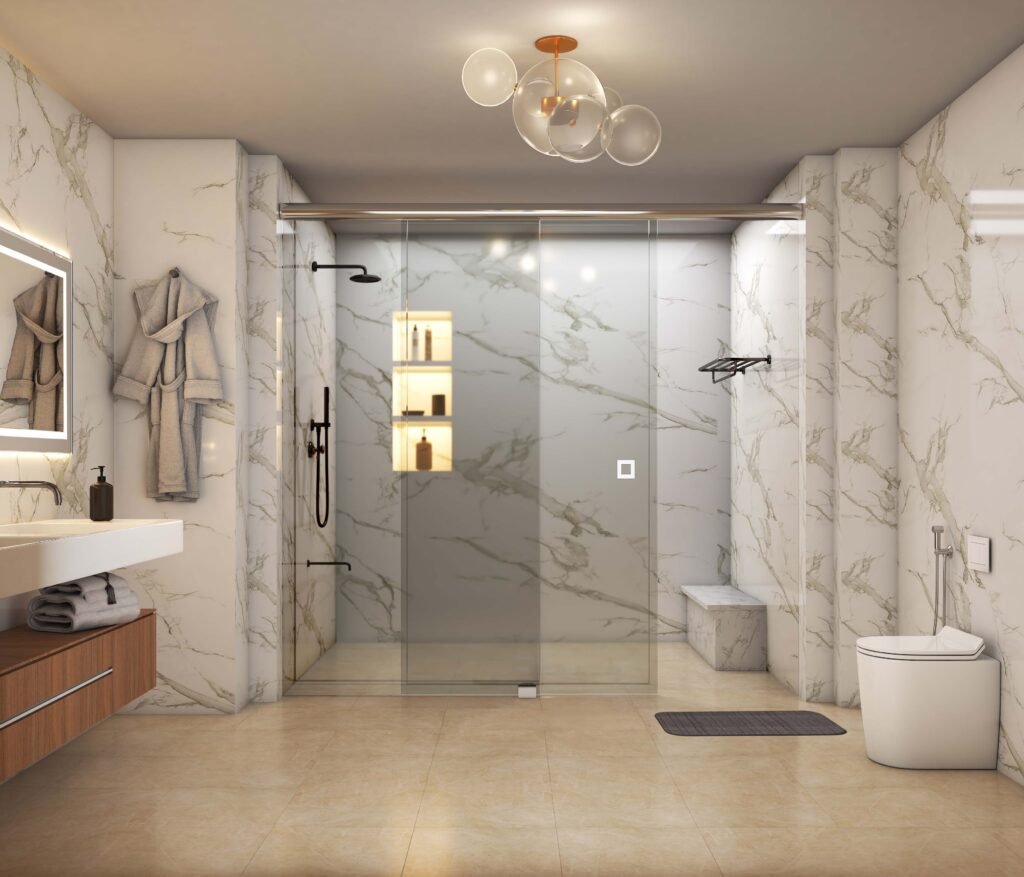
The transformation was largely driven by the way modern living and commercial spaces have evolved over the years. Customers today are no longer looking for standalone products; they are seeking integrated, intelligent, and design led solutions that work cohesively within a space. This shift encouraged us to move beyond individual fittings and develop a more holistic ecosystem spanning architectural hardware, furniture fittings, lighting, appliances, surfaces, digital locks, and smart solutions. The growing demand for convenience and customisation has also accelerated this evolution. As projects become more complex, architects, designers, and developers increasingly prefer partners who can offer comprehensive solutions with consistent quality, engineering expertise, and design integration across multiple touchpoints within a project.
What role will be lighting play in the future of hospitality and residential design?
Lighting is no longer just a functional requirement; it has become a critical element in shaping how people experience a space. In both hospitality and residential environments, lighting influences mood and the overall perception of design. Going forward, we will see greater adoption of intelligent and layered lighting solutions, from furniture lighting and wardrobe lighting to sensor-based controls, linear lighting systems, and integrated lighting solutions such as Häfele’s Loox range. In hospitality, lighting will play a key role in creating memorable guest experiences and defining the character of a space, while in residential settings it will increasingly contribute to personalisation, convenience, and everyday comfort.
As hospitality projects become larger and more complex, how important is localisation and manufacturing in India for ensuring efficiency, scalability, and project execution at global standards?
As hospitality projects become larger and more complex, localisation and manufacturing play a critical role in ensuring speed, efficiency, and consistency in execution. Local manufacturing enables shorter lead times, greater supply chain resilience, and the flexibility to respond more effectively to project-specific requirements. Our recent manufacturing initiative in Maharashtra is an important step in our long-term localisation journey and reflects our commitment to building capabilities closer to the market we serve. It allows us to create local value, develop skills and processes, and support a more agile operating model while maintaining the quality and performance standards associated with German engineering. As India continues to emerge as a key growth market, a strong local manufacturing ecosystem will be essential for delivering scalable, future-ready solutions that meet the evolving needs of hospitality and commercial projects.
Indian hospitality is evolving rapidly, while also drawing inspiration from global design philosophies. How are international hospitality trends influencing the way hotels and commercial spaces are being conceptualised in India today?
Indian hospitality is increasingly influenced by global trends such as experience-led design, sustainability, wellness-focused spaces, and smart technologies. Hotels today are adopting solutions like smart access, intelligent lighting, and flexible space concepts to enhance both guest experiences and operational efficiency.
At the same time, there is a strong focus on blending these global standards with local culture and craftsmanship, creating spaces that offer international levels of comfort and innovation while retaining a distinct sense of place and identity.
Häfele recently marked a significant achievement with the execution of the world’s tallest movable wall at the ONGC Convention & Exhibition Centre in Goa. Beyond the engineering milestone itself, what did this project represent for the brand in terms of innovation, technical expertise, and large-scale project capabilities?
The execution of the world’s tallest movable wall at the ONGC Convention & Exhibition Centre in Goa represented far more than an engineering milestone for Häfele India. It showcased the brand’s ability to deliver highly customised, large-scale architectural solutions that combine advanced engineering, precision execution, and superior functionality. Standing 22 metres high and spanning over 48 metres, the project demonstrated Häfele’s technical expertise in handling complex spatial and acoustic requirements while ensuring seamless operation at scale.
The project also reinforced Häfele’s strength in Co-Creation & Co-Engineering, where close collaboration with architects, consultants, and project stakeholders enabled the development of a purpose-driven solution tailored to the unique requirements of the convention centre. Delivering such a high-performance movable wall with advanced acoustic insulation and precision track-switching mechanisms reflects Häfele’s growing capabilities in executing world-class infrastructure projects and its commitment to maximising the value of space through technical excellence.
Your recent manufacturing expansion also aligns closely with the Government of India’s “Make in India” initiative. How do you see India evolving as both a strategic manufacturing hub and a high-potential consumption market for global brands like Häfele?
India is uniquely positioned today as both a high-growth consumption market and an emerging global manufacturing hub. With its expanding middle class, rapid urbanisation, and growing demand for quality living and working spaces, the country presents significant opportunities for brands like Häfele. At the same time, initiatives such as “Make in India,” improving infrastructure, and a strong talent pool are creating a favourable environment for local manufacturing and supply-chain development. For us, India is not only a key market for growth but also an increasingly important part of our long-term operational strategy. Our recent manufacturing expansion reflects our commitment to building local capabilities, enhancing agility, and creating greater value closer to the market we serve.