The Bathroom as a Luxury Experience: Duravit India MD on Hospitality’s New Design Priorities
Duravit India MD Sahyog Bharti Pandita discusses luxury bathroom trends, wellness, sustainability, technology and growth opportunities in India and SAARC.
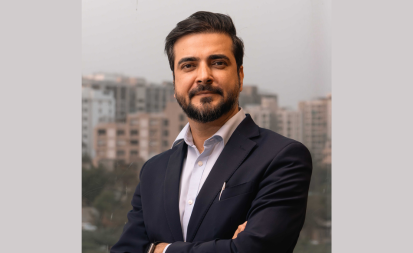
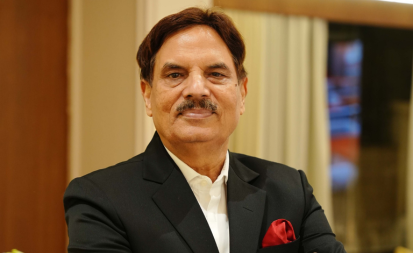
As India’s premium hospitality and living spaces evolve, the bathroom is emerging as an important part of design, wellness and guest experience. In this interview, Sahyog Bharti Pandita, Managing Director, Duravit India & SAARC, discusses how the brand is responding to changing expectations across luxury hospitality, residential and commercial markets. He shares insights on bathroom design trends, wellness and hygiene, sustainability, smart technology, market challenges and Duravit’s growth vision for India and the SAARC region.
In Conversation with Sahyog Bharti Pandita, Managing Director, Duravit India & SAARC
Duravit brings over 200 years of German design and engineering heritage to India. How has the brand evolved to meet the changing aspirations of India’s premium hospitality, residential, and commercial markets?
Duravit’s journey in India reflects the transformation of the Indian bathroom itself. Backed by over 200 years of German design and engineering heritage, the brand entered a market where bathrooms were largely viewed as functional spaces. Over the years, as Indian consumers and the hospitality, residential and commercial sectors began placing greater emphasis on design, wellness, personalisation and technology, Duravit evolved alongside these aspirations.
A key part of this evolution has been bringing internationally designed collections and innovative bathroom solutions to India, while working closely with architects, designers, developers and hospitality professionals. At the same time, we have strengthened our dealer and partner ecosystem across metros and emerging cities, making premium design more accessible to a wider market.
Today, Duravit is positioned not just as a bathroom products brand, but as a design and innovation partner, contributing to the evolution of contemporary bathroom culture in India.
India’s luxury hospitality sector is expanding rapidly. What are the key bathroom design and functionality trends you are seeing among luxury hotels, resorts, and hospitality developers today?
The luxury hospitality sector in India is increasingly viewing the bathroom as an integral part of the overall guest experience, rather than simply a functional space. We are seeing a strong preference for clean, contemporary aesthetics, premium materials and thoughtfully designed products that complement the character of luxury hotels and resorts. Wellness is also becoming an important focus, with bathrooms being designed as more relaxing, spa-like spaces that enhance comfort and create a sense of indulgence.
Technology and personalisation are further shaping the premium hospitality segment, with greater interest in smart solutions, intuitive functionality and products that offer enhanced comfort and convenience. At Duravit, we see these evolving expectations as an opportunity to bring together German design, engineering and innovation to create bathroom spaces that are visually refined, highly functional and contribute meaningfully to the overall guest experience.
Wellness and hygiene have become central to modern hospitality. How is Duravit addressing these priorities through its products, particularly in areas such as shower toilets, wellness solutions, comfort, and personalisation?
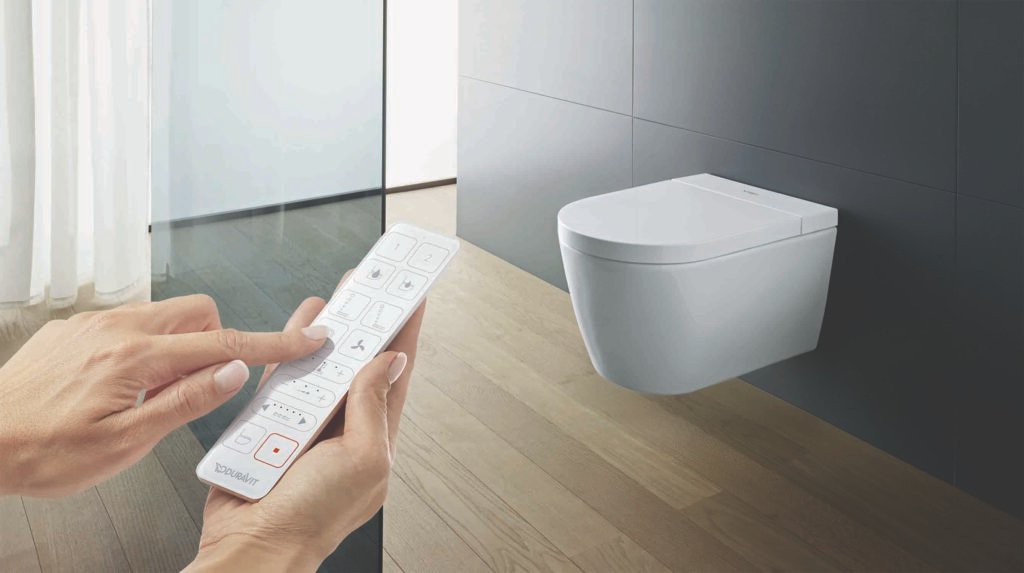
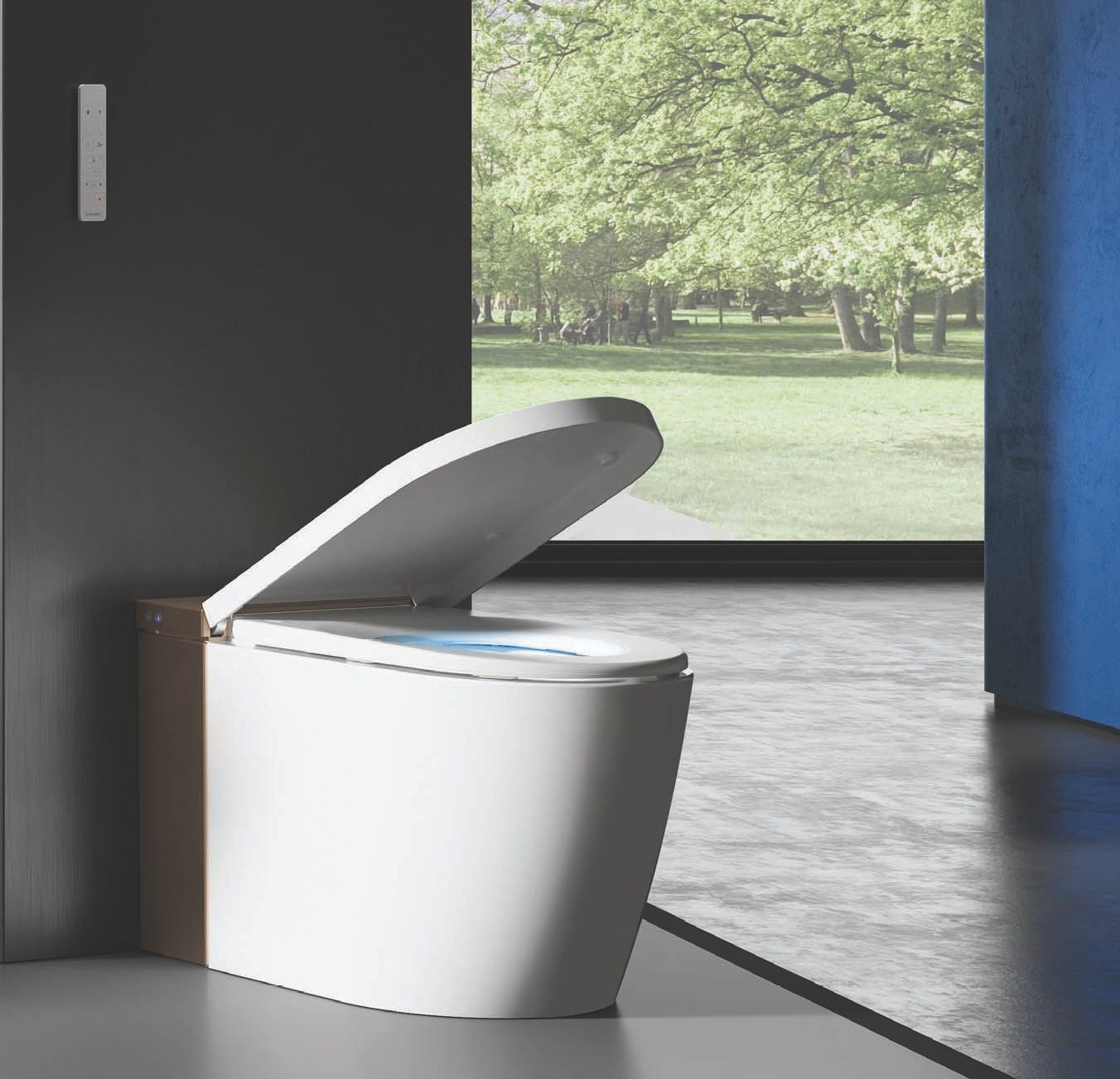
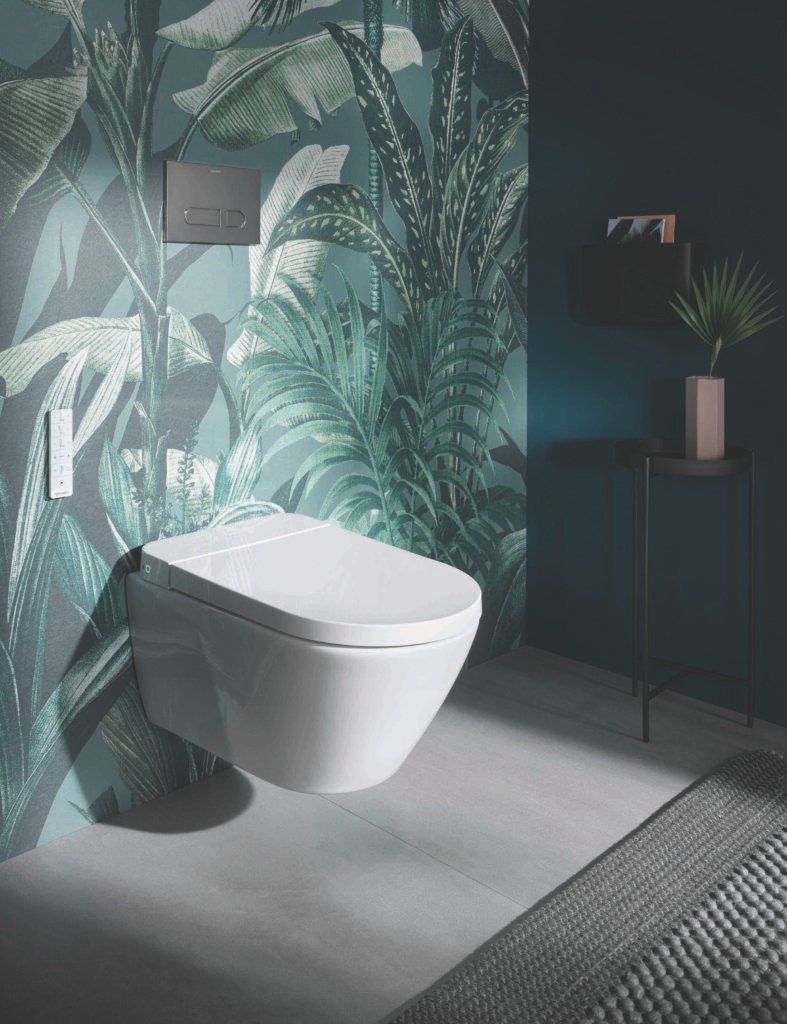
Wellness and hygiene are increasingly becoming central to the modern bathroom experience, particularly in premium hospitality. Our design philosophy goes beyond aesthetics to focus on the overall human experience, with products designed to enhance comfort, hygiene and personal wellbeing. This is reflected in features such as ergonomic forms, antibacterial ceramic technologies, silent flushing systems and wellness-oriented bathing solutions, which bring together functionality and comfort. We believe the bathroom should be more than a functional space; it should be an environment where hygiene, comfort and personalisation come together with thoughtful design to create a more refined and restorative experience.
Sustainability is increasingly influencing procurement decisions in hospitality. How is Duravit balancing premium design and performance with water conservation, energy efficiency, sustainable manufacturing, and responsible resource use?
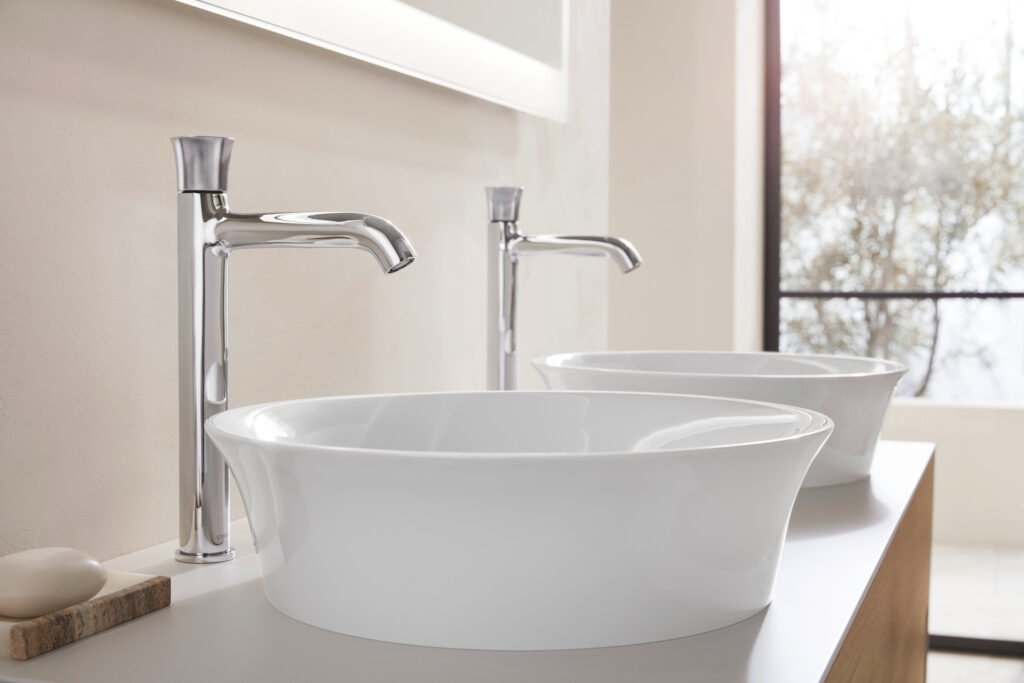
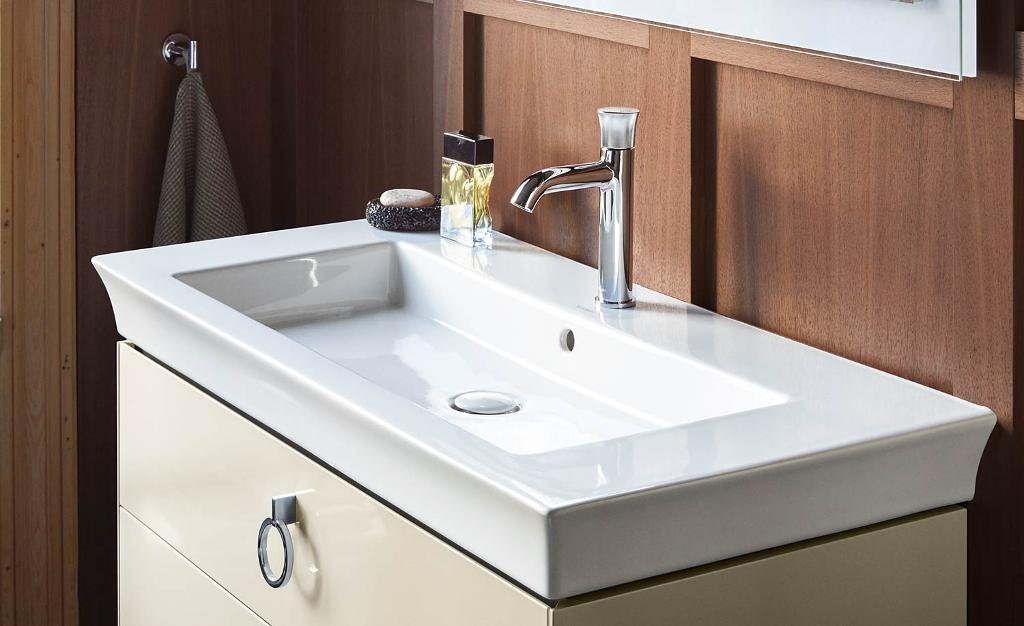
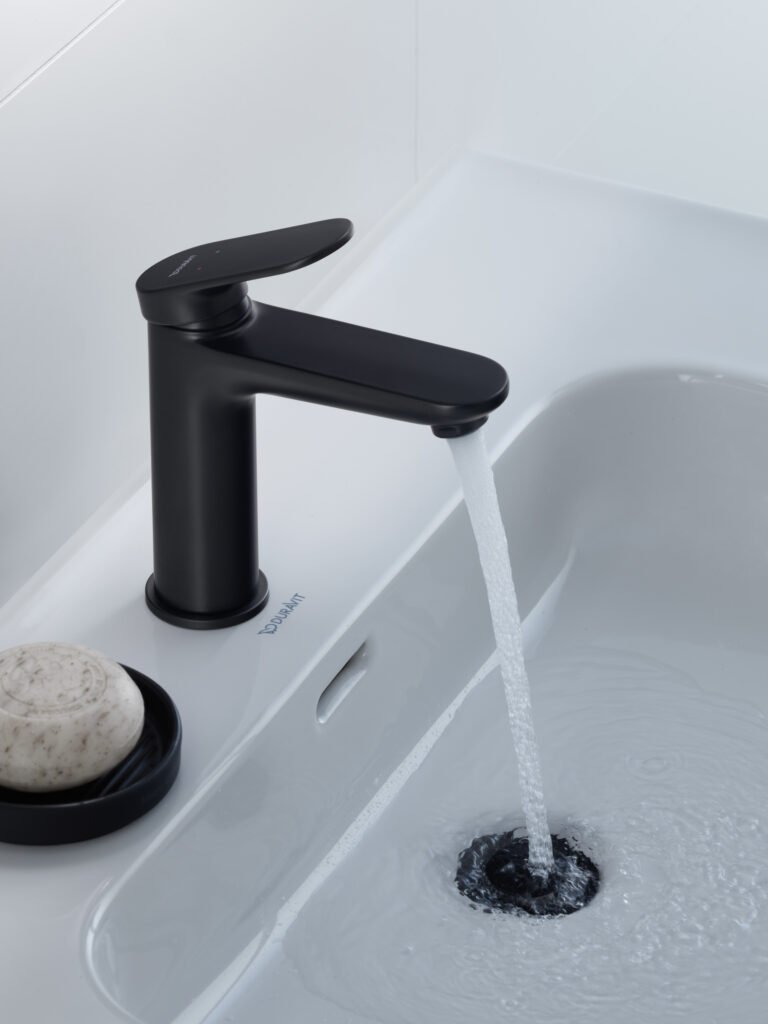
Sustainability is increasingly becoming an important consideration in premium hospitality, where design and performance need to go hand in hand with responsible resource use. Our approach is to develop solutions that combine long-term durability with efficient use of water and energy. Products such as the SensoWash® range, along with the White Tulip and Wave faucet collections, reflect this approach by bringing together refined design, functionality and responsible water use. In hospitality, where water consumption is significant across multiple rooms and facilities, these efficiencies can make a meaningful difference over time.
Sustainability also extends beyond the products themselves to manufacturing, material selection and resource efficiency. We focus on creating durable solutions designed for long-term use while continuously working towards more responsible production practices. The objective is to ensure that sustainability is integrated into the overall product experience, enabling hotels, architects and developers to make more conscious choices while maintaining the premium design and performance standards expected of luxury spaces.
What are the biggest challenges currently facing India’s premium bathroom and sanitaryware industry, and how is Duravit positioning itself to address changing consumer expectations and market dynamics?
One of the defining challenges I see in India’s premium bathroom industry is balancing aspiration with value. Consumers are increasingly seeking premium design, international quality and advanced functionality, but purchasing decisions continue to be influenced by price sensitivity. I also believe there is a need to build greater awareness around durability, sustainability, hygiene and the long-term value of a product. My focus is therefore on ensuring that we address these expectations through thoughtful engineering, a well-structured product portfolio and close engagement with architects, designers, developers, hospitality professionals and channel partners. Ultimately, I believe premium products should be evaluated not just on their initial cost, but on the long-term performance, quality and ownership value they deliver.
With both B2B and B2C markets evolving, where do you see the strongest growth opportunities for Duravit in India and the SAARC region over the next three to five years?
I see strong growth opportunities across both B2B and B2C segments in India and the SAARC region. On the B2C side, rising disposable incomes, urbanisation and evolving lifestyle aspirations are driving greater demand for premium bathroom solutions, with consumers increasingly looking at the bathroom as an extension of the overall living experience. On the B2B side, growth in hospitality, premium residential and commercial developments is creating greater demand for design consistency, quality and trusted international brands. I also see a growing preference for complete bathroom solutions that bring together design, functionality, technology and sustainability, and this is an area where our integrated approach gives us a strong opportunity to create long-term value.
With your extensive experience in building international premium brands in India, what has your leadership journey taught you about creating a strong, sustainable brand, and what is your vision for Duravit’s next chapter in India?
My leadership journey has taught me that building a strong and sustainable premium brand in India requires a balance between global brand values and a deep understanding of the local market.
International brands bring with them a strong legacy, design philosophy and global expertise, but their long-term success in India depends on how effectively they understand local consumer aspirations, build the right partnerships and create a strong ecosystem around the brand. I have also learned that sustainable growth is not about pursuing scale alone, but about building the right foundations across people, distribution, customer experience and innovation.
My vision for Duravit’s next chapter is to further strengthen its position as a leader in premium bathroom design and innovation across India and the SAARC markets. We want to deepen our engagement with architects, designers, developers, hospitality professionals and retail partners, while making our design-led and technologically advanced solutions accessible to a wider premium audience. The next chapter will be about combining strong German heritage with local market understanding, investing in people and partnerships, and creating sustainable, long-term value as the Indian premium living segment continues to evolve.