Türkiye Enhances Cultural Heritage Efforts with Restored Ancient Sites in Antalya
India, 20th July 2026: Global demand for heritage tourism continues to grow as travellers increasingly seek authentic, immersive cultural experiences. In 2025, cultural heritage tours accounted for 55.6% of the market, reflecting a broader shift toward meaningful
India, 20th July 2026: Global demand for heritage tourism continues to grow as travellers increasingly seek authentic, immersive cultural experiences. In 2025, cultural heritage tours accounted for 55.6% of the market, reflecting a broader shift toward meaningful travel that celebrates history, heritage preservation and culture. This trend is expected to drive continued market expansion, with the sector projected to grow from USD 647.5 billion in 2026 to USD 937 billion by 2033 at a compound annual growth rate (CAGR) of 5.4%.
As global interest in cultural heritage tourism continues to grow, Türkiye stands out as a premier destination where travellers can explore humanity’s shared history — from Göbeklitepe, the world’s oldest known human-made monumental complex, to Troy, the legendary city that inspired some of the greatest myths of Western civilisation. Türkiye is further reinforcing its position through restoration and conservation projects that both safeguard its cultural assets for future generations and enrich the visitor experience. Among its latest initiatives are the restoration works at the Andriake Archaeological Site and the Museum of Lycian Civilisations, as well as the opening of the Syedra Visitor Centre.
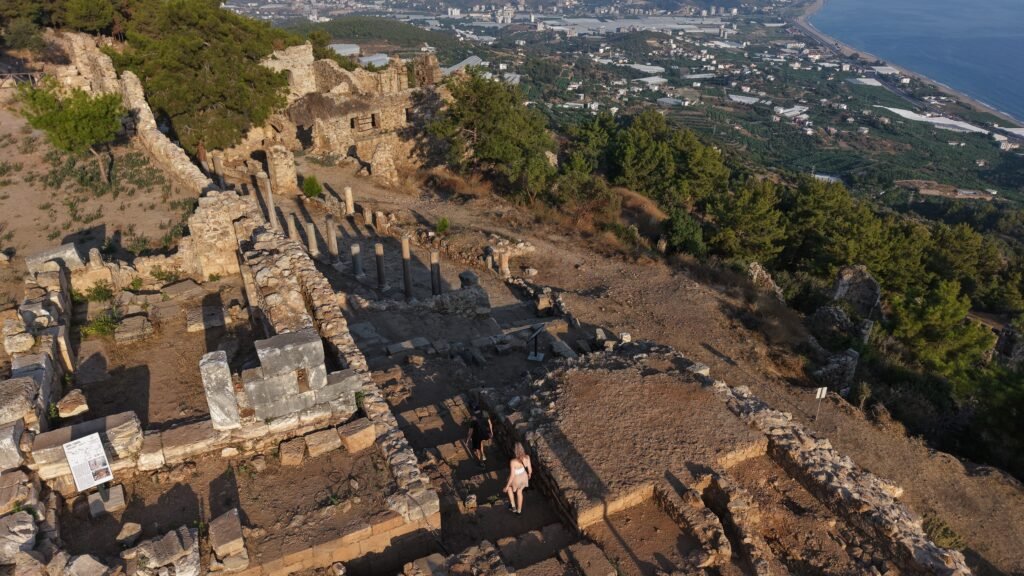
Following extensive restoration, renovation and landscaping works, Andriake and the Museum of Lycian Civilisations in Demre, Antalya – the heart of the Turkish Riviera – have recently reopened to visitors. Meanwhile, Syedra, located in Alanya, one of Antalya’s most popular holiday destinations, has begun welcoming visitors with its new visitor centre.
Andriake and the Museum of Lycian Civilisations offer a renewed journey into Ancient Lycia
As the port of Myra, Andriake was one of the most important harbour cities of the ancient Lycian civilisation. It remained one of the region’s principal ports throughout the Hellenistic, Roman and Eastern Roman periods. Today, visitors can explore its remarkably well-preserved ruins, most of which are spread across the southern side of the ancient harbour. Highlights include the aqueduct that once supplied fresh water to the city, the nymphaion—a monumental Roman fountain—the Harbour Street, the partially preserved ship shelters lining the street, and the agora known as Plakoma.
Andriake is also located along the Lycian Way, Türkiye’s first long-distance hiking trail, which has been recognised by leading international publications, including Time Out, as one of the world’s most beautiful hiking routes and was recently featured on The Telegraph‘s list of “The 15 Greatest Walking Holidays in Europe.” Travellers following this iconic route can embark on an unforgettable journey through ancient Lycia and, during their visit to Andriake, experience the site’s recent revitalisation. As part of these efforts, environmentally friendly walkways made of timber sleepers and split granite stones have been carefully integrated into the archaeological site while preserving its historic character. These additions allow visitors to explore the site in comfort while gaining a deeper appreciation of Lycian maritime heritage.
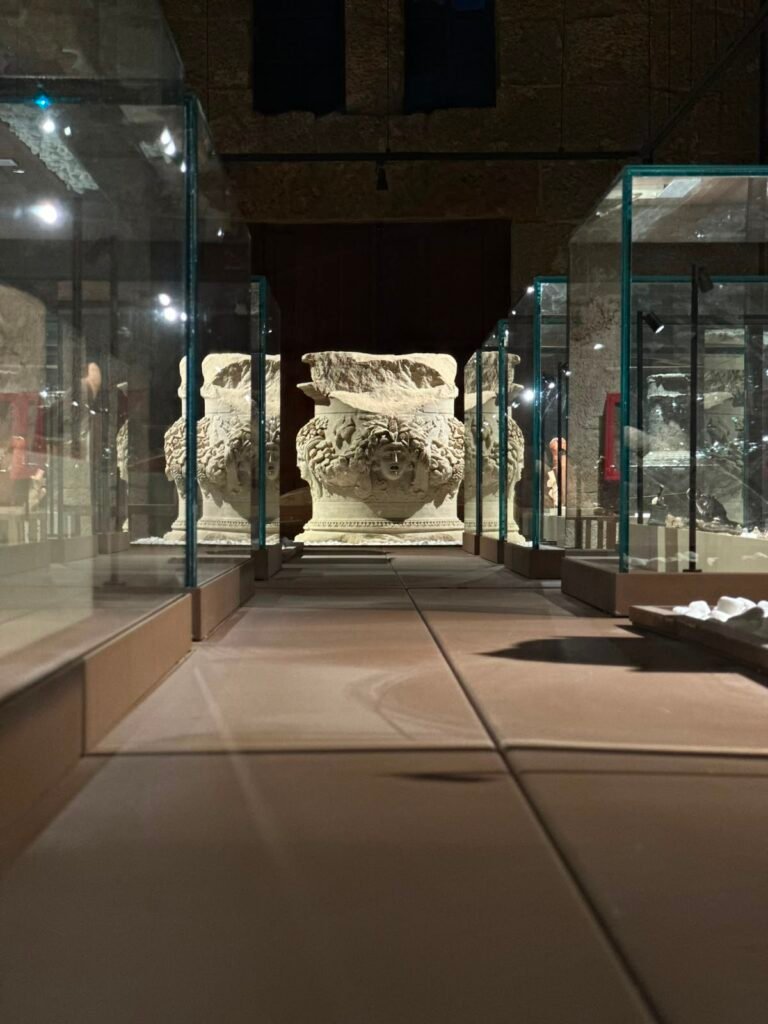
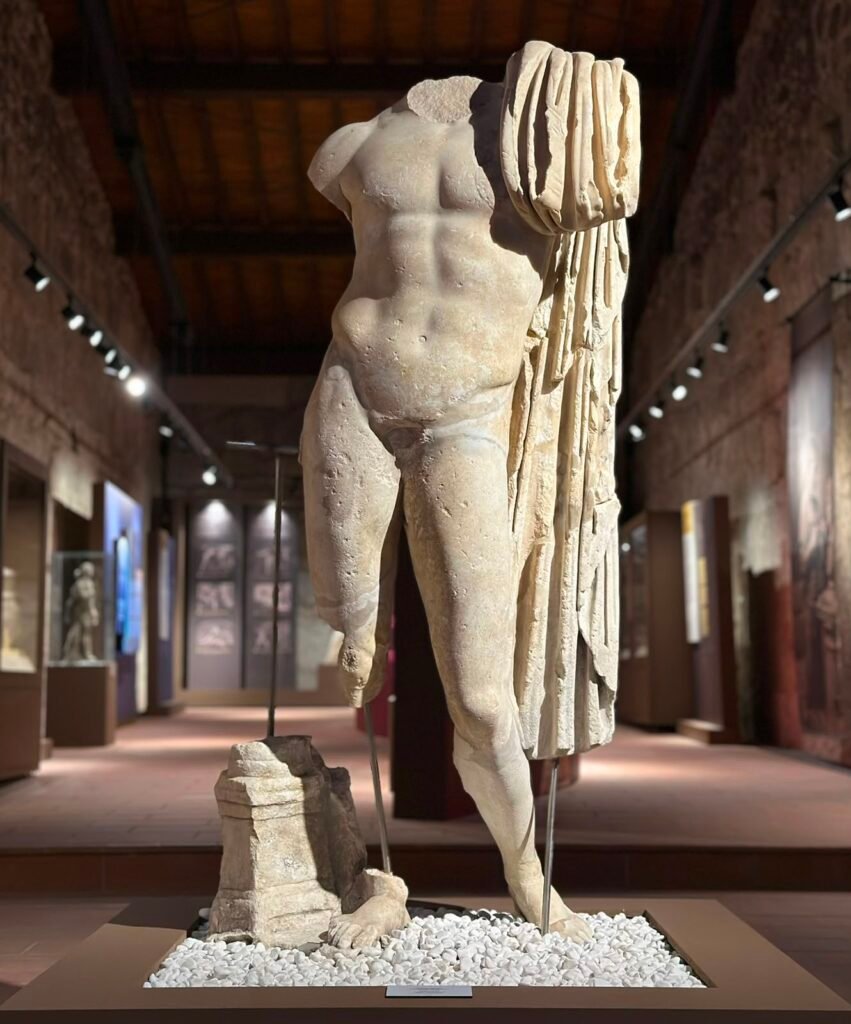
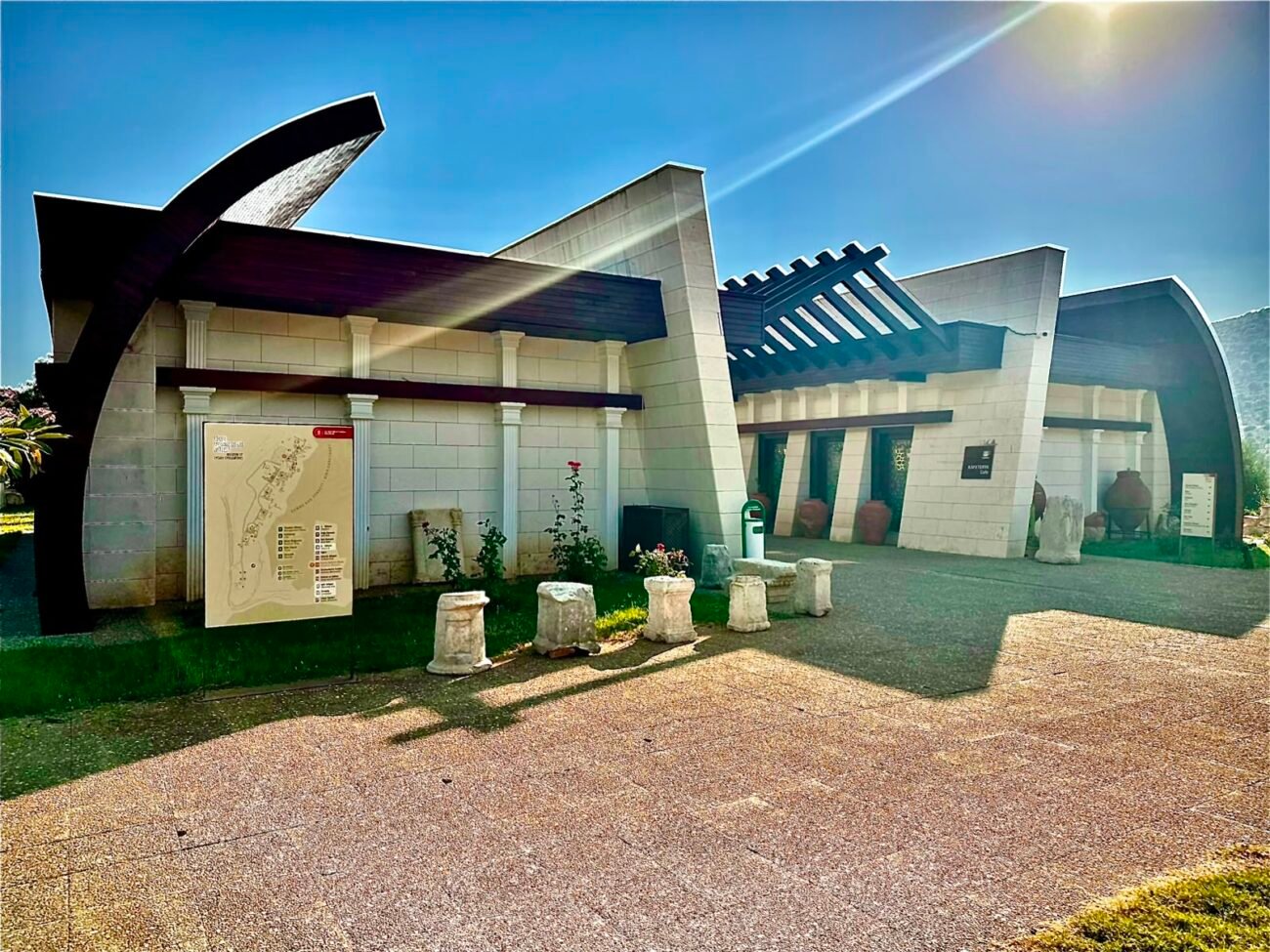
At the end of the walkway, the Museum of Lycian Civilisations welcomes visitors within the restored ancient granary (Granarium), located inside the archaeological site. Following recent enhancements, the museum now features contemporary exhibition galleries showcasing artefacts uncovered during excavations across ancient Lycian cities. Sculptures, sarcophagi, inscriptions, coins and many other remarkable finds are displayed in state-of-the-art exhibition spaces, offering fascinating insights into Lycian life and culture. Among the museum’s most notable recent additions are glass panels and rosettes decorated with the millefiori (“thousand flowers”) technique, discovered at Andriake in 2024, showcasing the exceptional craftsmanship of ancient Anatolian glassmaking.
Syedra introduces a New Visitor Centre
Syedra was built on the summit of a hill known locally as Asartepe, commanding the surrounding Mediterranean landscape. Archaeological excavations indicate that the city dates back to the 9th century BCE, while its most prosperous periods were during the Roman and Eastern Roman eras, which also account for many remains visible today. Alongside remarkable structures such as the Collonaded Street, the Great Bath, the Assembly Building, and the Baptism Cave, Syedra also captivates visitors with its breathtaking views. The Syedra Mosaic, discovered in the city’s well-preserved Great Bath and depicting all of the Labours of Heracles on a single panel, stands out as a unique example of ancient mosaic art.
As part of the excavation and restoration works carried out under the “Legacy for the Future Project” at the Syedra, landscaping improvements have been completed, and a new visitor centre has been opened at the site. With its renewed face, Syedra will welcome visitors every day from 9 am to 6 pm.