Luxury with a Legacy: The Growing Appeal of Heritage Villas and Forts in India
Authored article By Rohit Sethi, Founder, Seclude Hotels Not too long ago, India's forts and palaces were places you visited for a few hours. You admired the architecture, took a few photographs and moved on. Today,
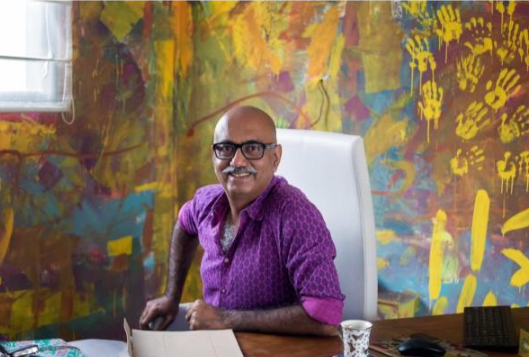
Authored article By Rohit Sethi, Founder, Seclude Hotels
Not too long ago, India’s forts and palaces were places you visited for a few hours. You admired the architecture, took a few photographs and moved on. Today, many of those same properties have become places people choose to stay.
That shift reflects something bigger: the definition of luxury has transformed.
For decades, luxury hospitality was defined by larger rooms, grander lobbies and longer lists of amenities. Today’s well-travelled guests are asking a different question: Where can I experience something I can’t find anywhere else?
Luxury is no longer defined only by what money can buy. It’s increasingly defined by access to something rare, authentic and impossible to recreate.
Some Things Money Can’t Buy
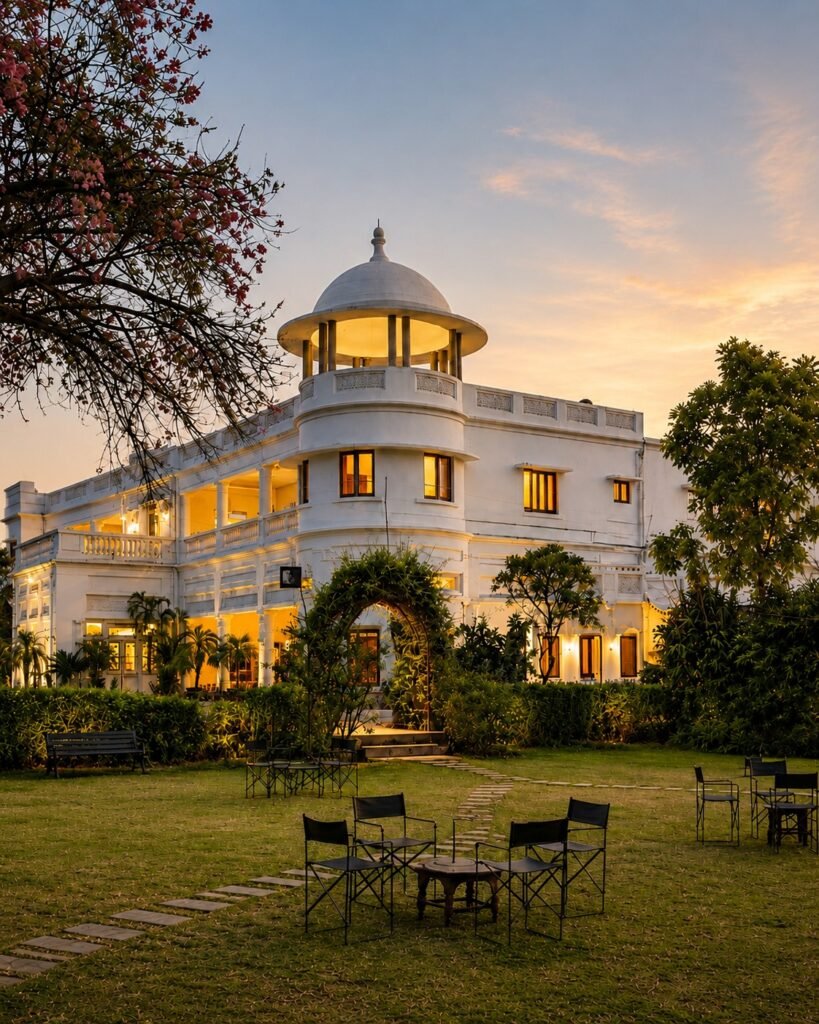
The hospitality industry spends millions trying to create a sense of place through architecture, interiors and storytelling. Heritage properties already have one.
Their character isn’t curated. It’s accumulated over generations. Heritage wears age gracefully. A scratch on the marble floor of a new hotel feels like damage; the same scratch in a centuries-old fort feels like another chapter in its story.
Very few people will ever own a fort, a royal residence or a centuries-old estate. Yet heritage hospitality allows guests to step into that world, if only for a weekend, without taking away what makes it extraordinary.
That’s where luxury meets legacy. In a world where almost everything can be replicated, history remains one of the few things that cannot.
The Luxury of Time
One of the greatest luxuries a heritage property offers isn’t a larger suite or a longer list of amenities. It’s time.
Time to wander without a plan. Time to discover hidden courtyards, quiet verandahs, forgotten staircases and sprawling gardens. Time to get pleasantly lost.
Unlike a modern hotel, where every square foot is designed for efficiency, a fort or palace was built for exploration. Its vast scale invites curiosity. The joy isn’t in reaching a destination—it’s in not knowing what you’ll discover around the next corner.
At Seclude Fort Unchagaon, our 300-year-old living fort, we’ve noticed guests postponing sightseeing because they want another hour to explore the property. Families often split up after breakfast, each setting off to discover a different corner of the estate, only to reunite over lunch with stories of hidden rooms, old portraits and unexpected spaces they stumbled upon.
We’ve also noticed guests spending far more time in the common areas than in their rooms. One of the property’s most talked-about spaces isn’t a suite at all, but a restored Air India lounge filled with vintage travel memorabilia, where conversations naturally replace screens.
Instead of asking where to go next, they’re asking who lived here, why a portrait hangs in a particular room, or what stories the walls have witnessed. Children become fascinated by old armour and antique objects. Adults linger over tea in courtyards that have hosted generations before them.
People rarely remember room numbers. They remember the spaces they discovered and the stories they took home.
When the Venue Has a Story of Its Own
The shift towards meaningful luxury extends far beyond leisure travel. It’s reshaping how people celebrate life’s biggest moments.
A wedding in a ballroom can happen almost anywhere. A wedding in a centuries-old fort can happen only there. Couples today are increasingly choosing venues with a personality of their own rather than a blank canvas. They want every courtyard, garden and royal hall to become part of the celebration, not simply host it.
The same is true for family reunions and corporate retreats. Heritage properties don’t just offer space—they offer a sense of occasion. Gathering beneath soaring arches, dining in royal halls and celebrating within centuries-old walls bring a grandeur that modern venues simply can’t replicate.
That’s the quiet advantage of heritage hospitality. It doesn’t just provide a place to stay. It shapes the way people celebrate, connect and remember.
Luxury has always been about rarity. For a long time, that meant rare materials, rare service and rare experiences. Today, it increasingly means something even harder to find: authenticity.
You can build a luxury hotel in three years. You can’t build 300 years of history. That’s what makes heritage hospitality one of the rarest forms of luxury left.