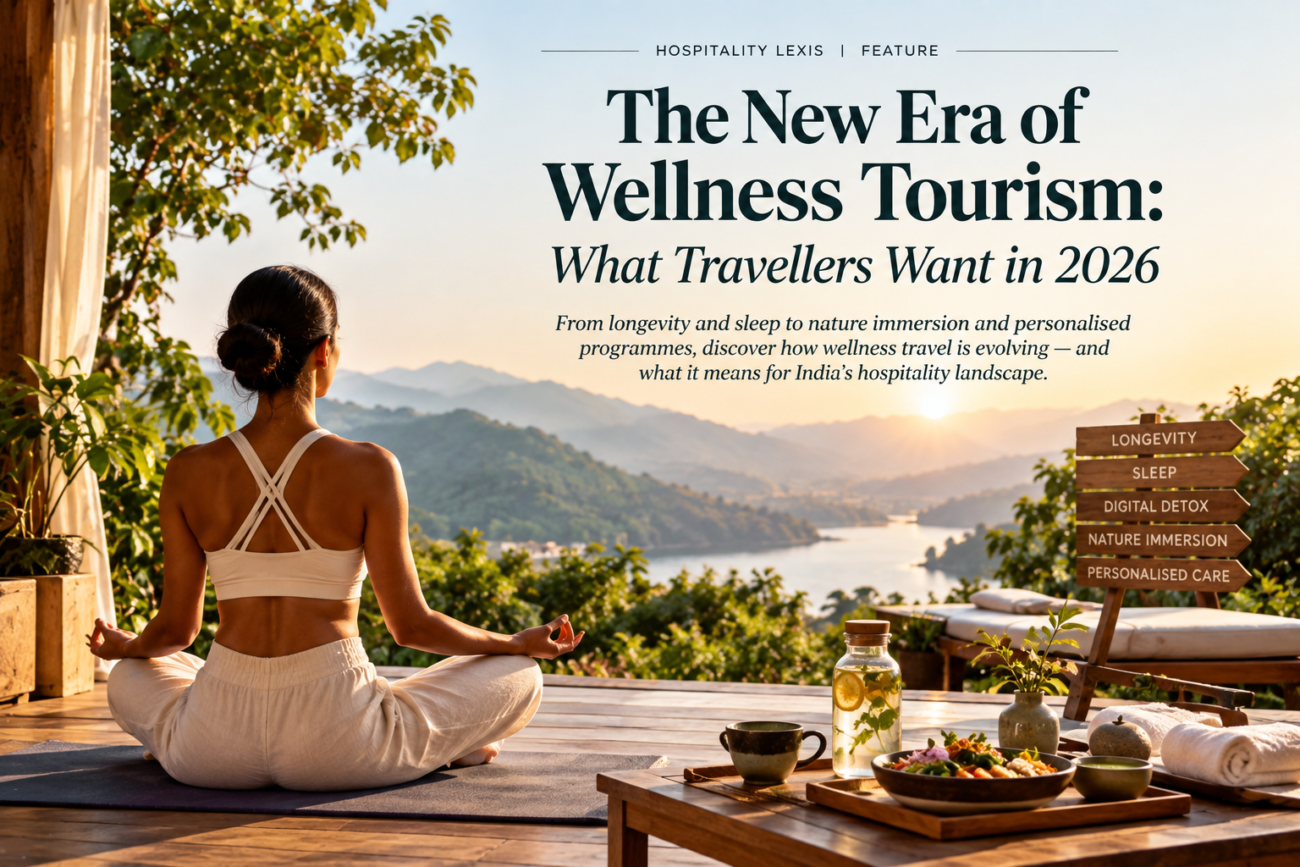
The New Era of Wellness Tourism: What Travellers Want in 2026
From sleep retreats and longevity programmes to digital detox and personalised wellness journeys, the industry is redefining what it means to travel well.
As wellness becomes an increasingly important part of travel decisions, hotels and resorts are rethinking how they design experiences around the individual traveller. In this feature, industry experts share their responses on the trends shaping wellness tourism in 2026 and how India can leverage its rich wellness traditions, natural landscapes and hospitality infrastructure to build distinctive wellness destinations.
George M. George,
Managing Director,
Xandari Resorts,
Wellness travel has moved beyond the idea of simply taking a break and feeling relaxed. Travellers today are looking at wellness as a more complete part of their lifestyle. They want to return from a holiday feeling better, sleeping better and with a greater sense of balance.
This is also changing the way people experience a destination. A wellness holiday can now include spending time in nature, eating thoughtfully prepared local food, practising yoga or meditation, improving sleep routines, or simply having the space to disconnect from constant notifications and work.
In India, it is particularly important because wellness has always been part of our culture through Ayurveda, yoga, traditional food practices and our closeness with nature.
The future of wellness hospitality, in my view, is not about adding more treatments to a menu. It is about creating an environment where people can genuinely slow down, reconnect and take something meaningful back into their everyday lives.
Hotels and resorts need to take a look at wellness as an experience that runs through the entire stay rather than something confined to a spa or a particular treatment.
For example, sleep wellness can influence everything from the room environment and evening routines to food choices and activities offered during the day. Digital detox can be supported by creating spaces and experiences where travellers naturally feel comfortable putting their devices away.
Technology can help understand preferences, but hospitality still depends on human interaction. A simple conversation with a traveller can often tell us more about what they need from a holiday than a standard questionnaire.
The focus should not be on following every wellness trend. It should be on understanding what genuinely helps people feel restored and creating experiences around those needs.
Ayurveda, yoga, meditation, traditional diets, nature and community have existed here for generations. What is changing is the way travellers are discovering and experiencing them.
This creates an opportunity for hotels and resorts to move beyond conventional wellness packages and develop experiences rooted in their destination.
There is also significant potential outside established wellness destinations. Travellers are increasingly interested in quieter locations where they can combine wellness with nature and local experiences. Wellness should remain authentic, responsible and connected to the place in which it is experienced.
Suhail Kannampilly,
MD & Chairman,
The Fern Hotels & Resorts
1. How is wellness travel evolving in 2026, and what are travellers seeking beyond traditional spa, fitness and relaxation experiences?
Wellness travel in 2026 is becoming much more holistic. Travellers are increasingly looking beyond traditional spa treatments and fitness-led breaks towards experiences that help them slow down, reconnect with themselves and return from a holiday feeling genuinely refreshed. Sleep quality, time in nature, digital detox, mindful activities, healthier food choices and a slower pace of travel are becoming increasingly important.
There is also a shift towards experiential wellness, where the destination and surroundings become an integral part of the experience. A walk through a forest, an unhurried morning surrounded by greenery, yoga in an outdoor setting, spending time away from screens or simply having the space to read and disconnect can be as restorative as a structured wellness programme.
At The Fern Hotels & Resorts, we see this as an opportunity to build wellness around the natural character of a destination. With properties across diverse settings including forests, wildlife destinations, hills and coastal regions, our resorts allow guests to experience wellness through their surroundings as much as through dedicated facilities. The emphasis is on creating stays where nature, fresh air, outdoor experiences, mindful activities and a slower pace naturally become part of the holiday.
Wellness, therefore, is increasingly less about following a prescribed programme and more about creating the space to pause, recharge and reconnect in a way that feels personal to each traveller.
2. With longevity, sleep optimisation, digital detox, nature immersion and personalised wellness programmes gaining momentum, how can hotels and resorts adapt their offerings to these emerging needs?
Hotels need to think of wellness less as a standalone facility and more as an integral part of the guest journey. This could mean creating quieter spaces, offering healthier and locally influenced dining choices, incorporating outdoor and mindful activities, designing experiences around the surrounding landscape and giving guests the flexibility to structure their stay according to what they need.
Digital detox is a particularly interesting area because it does not necessarily require guests to completely switch off their devices. It is about creating enough compelling alternatives for them to naturally spend less time on them. A morning yoga session outdoors, a nature walk, bird watching, reading in a quiet space or simply exploring the local environment can encourage that transition without making it feel prescriptive.
For The Fern Hotels & Resorts, this approach is particularly relevant across our resort portfolio. Many of our properties are located in destinations where the natural environment is an important part of the experience, whether that is a forest, wildlife landscape, hill destination or coastal setting. This allows us to build experiences around the character of each location rather than applying the same wellness formula everywhere.
We believe the next generation of wellness hospitality will be about creating environments that make healthier, slower and more mindful choices feel effortless. The role of the hotel is not necessarily to tell guests how to relax, but to create the right setting and experiences that allow them to do so in their own way.
3. As travellers increasingly seek meaningful and personalised wellness experiences, what opportunities does this create for India’s hotels, resorts and wellness destinations?
India has a significant advantage because wellness here does not have to be manufactured as a new hospitality concept. Our diverse landscapes, traditional practices, local cuisines, cultural experiences and long-standing association with yoga and Ayurveda provide a strong foundation for creating contemporary wellness journeys.
The opportunity for hotels is to make wellness more destination-specific. A forest retreat can focus on nature immersion and outdoor experiences, a mountain property can encourage slower mornings and exploration, while a coastal destination can build experiences around open spaces, local food and a more relaxed rhythm. This creates a much more meaningful proposition than offering the same wellness package across every property.
This is an approach that aligns closely with The Fern Hotels & Resorts’ presence across India. Our portfolio spans a wide range of destinations and natural settings, giving us the opportunity to create stays that respond to the character of each location. From nature and wildlife experiences to outdoor activities, local experiences and simply providing a tranquil environment to slow down, wellness can take different forms depending on where the guest chooses to stay.
Alongside this, our focus on responsible and sustainable hospitality allows us to think about wellness not only in terms of the individual guest, but also in terms of their relationship with the destination and its environment.
Ultimately, India’s opportunity lies in creating wellness experiences that feel authentic to the place, relevant to the individual and integrated into the stay, rather than treating wellness as a separate product. This is where the country’s natural and cultural diversity can become a genuine differentiator for its hospitality sector.
Samir MC,
CEO,
Tamara Leisure Experiences
“Wellness travel is entering a new phase, where the depth of the experience is becoming as important as the destination itself. What was once centred around spa treatments, fitness and relaxation is evolving into a more integrated approach to wellbeing, shaped by a desire to slow down, reconnect with oneself and engage more meaningfully with the surrounding environment. Longevity, sleep optimisation, digital detox, nature immersion and personalised wellness are part of this shift, with travellers increasingly seeking experiences that are relevant to them and rooted in the destination.
At Tamara Leisure Experiences, we see this evolving understanding of wellbeing reflected in experiences that go beyond conventional approaches to relaxation and rejuvenation. At Amal Tamara, Ayurveda, personalised therapies, nutrition and mindful living come together to create a deeper, more immersive experience rooted in traditions. For hotels and resorts, this means moving beyond wellness as a standalone offering and weaving it into the experience itself through locally rooted culinary experiences, walks through nature, yoga and meditation, creating a more holistic approach to guest wellbeing.
Increasingly, travellers are exploring wellness through a wider range of practices and experiences, from Vipassana and Panchakarma to sound healing, soundbaths, silent and dark retreats, sensory restoration and nature-immersive experiences. India’s traditional systems of wellbeing are also finding renewed relevance, with Ayurveda and Panchakarma being experienced not simply as treatments, but as pathways to deeper, more personalised wellbeing. Amal Tamara represents this evolution by bringing the depth and wisdom of Ayurveda into the overall guest experience, where personalised care, mindful living and traditional practices come together as part of a deeper journey towards wellbeing. This shift is also reflected in the broader growth of wellness-led travel.
The global wellness tourism market reached nearly $894 billion in 2024, with wellness trips accounting for 8.3% of all tourism trips, while industry reports also found that 67% of Indian travellers identify relaxation as their primary motivation for travel. Growing interest in destinations such as Kerala and Himachal Pradesh points to an increasing preference for slower, quieter and nature-led experiences. For Tamara Leisure Experiences and the wider hospitality sector, this signals a broader opportunity to rethink the relationship between travel, wellbeing and place, and to create experiences that support not only the traveller’s wellbeing but also the long-term vitality of destinations and the communities around them.”
Sandeep Ahuja
MD Atmosphere Living and One Atmosphere
Wellness travel is no longer about checking into a spa resort and switching off for a few days. In 2026, travellers are looking for something more restorative – better sleep, less screen time, time in nature, healthier food and experiences that help them genuinely reset. We are also seeing interest in newer formats, from Blue Zone-inspired destinations to red-light therapy, ice baths and sleep-focused interventions such as white-noise systems in bedrooms. The focus is shifting from simply unplugging to actively rejuvenating and returning from a retreat feeling restored and recharged.
For hospitality developers, this means wellness has to move from being an amenity to being part of the product itself. An aparthotel or serviced apartment, for example, can support wellness through the way rooms are designed, access to fitness and outdoor spaces, healthier food choices and the flexibility that comes with longer stays. Branded residences can take this further by making wellbeing part of everyday living.
India has a particularly interesting opportunity here. We already have strong associations with yoga, Ayurveda and holistic wellness. The next step is to combine that heritage with what the modern traveller is looking for: privacy, personalisation, nature, convenience and everyday wellbeing.
I see this as a shift from selling a ‘wellness experience’ to creating environments that naturally help people live and feel better. That is likely to have a much bigger influence on the next generation of hospitality and residential development.
Sandeep Basu ,
CEO,
OPO Hotels and Resorts
1. How is wellness travel evolving in 2026, and what are travellers seeking beyond traditional spa, fitness and relaxation experiences?
Wellness tourism in 2026 is evolving from a largely service-led concept into a more holistic and personalised travel experience. Travellers are no longer looking at wellness simply as a spa treatment, gym session or a few hours of relaxation. They increasingly want experiences that help them disconnect from everyday stress and reconnect with themselves, nature and their overall wellbeing. We are seeing growing interest in sleep quality, mindful travel, digital detox, healthy nutrition, mental rejuvenation, nature immersion and experiences that promote a healthier lifestyle. Importantly, wellness is becoming less about luxury alone and more about relevance and personalisation.
Travellers are also looking for meaningful experiences—morning walks in natural surroundings, yoga and meditation, locally sourced and nutritious food, outdoor activities, cultural immersion and environments that allow them to slow down. The idea is shifting from “pampering” to “feeling better”. For hotels and resorts, this presents an opportunity to integrate wellness into the complete guest journey rather than treating it as a separate facility. The room environment, food, activities, sleep experience, service philosophy and even the surrounding landscape can contribute to wellness.
The future of wellness hospitality will therefore be about creating an environment where guests return home feeling genuinely refreshed, mentally recharged and more connected—not simply having experienced a spa treatment.
2. With longevity, sleep optimisation, digital detox, nature immersion and personalised wellness programmes gaining momentum, how can hotels and resorts adapt their offerings to these emerging needs?
Hotels and resorts need to move towards a more integrated wellness ecosystem rather than simply adding a spa or yoga room to their existing facilities. Sleep, for example, can be addressed through better mattresses and pillows, blackout curtains, lighting, temperature control, sound management and curated sleep-friendly amenities. Similarly, digital detox can be encouraged through technology-free zones, nature-based activities and experiences that encourage guests to disconnect without making them feel disconnected from the world.
Food will also play a significant role. Hotels can introduce healthier menus, locally sourced ingredients, balanced meal options and personalised dietary choices without compromising taste or the overall dining experience. Nature is another major asset, particularly for resorts. Walking trails, outdoor meditation, yoga, gardening, birdwatching and other low-impact activities can transform the natural environment into an important component of the wellness proposition.
Most importantly, hotels should understand that wellness cannot be a one-size-fits-all product. A business traveller seeking recovery, a family looking for a digital detox and a guest pursuing fitness or mindfulness will have very different expectations.
Technology can help hotels personalise these experiences through pre-arrival preferences, wellness questionnaires and curated itineraries. The objective should be to create a seamless combination of hospitality, technology, nature and personalised service.
3. As travellers increasingly seek meaningful and personalised wellness experiences, what opportunities does this create for India’s hotels, resorts and wellness destinations?
India is exceptionally well positioned to benefit from the next phase of wellness tourism because wellness is deeply connected to our culture, traditions, natural diversity and knowledge systems.
From Ayurveda and yoga to meditation, spiritual travel, indigenous cuisine and nature-based experiences, India already possesses many of the building blocks that modern wellness travellers are seeking. The opportunity now is to package these strengths into contemporary, credible and professionally delivered hospitality experiences.
Hotels and resorts can develop destination-specific wellness propositions rather than replicating standardised spa concepts. A Himalayan property can focus on nature, mindfulness and adventure recovery, while a Rajasthan resort could combine heritage, local cuisine and traditional wellness experiences. Coastal destinations can build programmes around nutrition, movement and relaxation.
There is also considerable potential beyond traditional wellness destinations. Smaller resorts, boutique hotels and properties located close to forests, rivers, mountains, heritage towns and pilgrimage destinations can create meaningful wellness offerings by leveraging their surroundings. The key will be authenticity. Today’s traveller is increasingly interested in experiences that feel genuine rather than commercially manufactured.
For the Indian hospitality industry, wellness can therefore become not merely an additional revenue stream, but a broader positioning opportunity—helping properties increase length of stay, create differentiated experiences, attract international and domestic wellness travellers, and build stronger emotional connections with guests.
Deepak Rawat
General Manager
Taj Fort Aguada Resort & Spa, Goa
Wellness tourism is undergoing a significant transformation. In 2026, travellers are no longer looking at wellness as an occasional spa treatment or a few hours at the gym. Instead, they view it as an essential part of their lifestyle and seek experiences that improve how they sleep, think, move, connect and ultimately live. Taking this forward we at Taj Fort Aguada Resort & Spa and continuously working towards bringing in this shift from “escape and indulge” to “restore and transform.” Regular guests especially at our Hermitage Villas who have their dedicated Fitness Centre at the Hermitage Lounge now return back to their homes feeling healthier, more balanced and emotionally enriched than when they arrived.
1. How is wellness travel evolving in 2026, and what are travellers seeking beyond traditional spa, fitness and relaxation experiences?
Wellness travel in 2026 is moving beyond the traditional combination of spa, fitness and relaxation towards a more holistic idea of wellbeing. Travellers are increasingly seeking experiences that help them sleep better, disconnect from digital fatigue, reconnect with nature, discover local traditions and return home feeling genuinely restored.
At Taj Fort Aguada Resort & Spa, we see wellness as something that begins with the destination itself. Our setting overlooking the Arabian Sea, access to Sinquerim Beach and the heritage of Fort Aguada naturally create an environment where guests can slow down and reconnect. A wellness journey here could be as simple as an unhurried walk by the sea, time by the pool, yoga, mindful dining or watching the sunset, alongside a treatment at J Wellness Circle.
There is also a growing interest in authentic, culturally rooted wellness. India has a distinctive advantage with its traditions of Ayurveda, yoga, meditation and Indian therapies. At J Wellness Circle, experiences such as Champi, Pada Mardana and Nidra allow guests to engage with these traditions while enjoying contemporary hospitality.
We are also seeing a shift from activity-led itineraries to more personalised experiences. Not every guest defines wellness in the same way—one may seek movement and fitness, another deep rest, while someone else may value meaningful food, nature or simply uninterrupted time with loved ones.
Ultimately, the new luxury in wellness is not about doing more; it is about creating space to pause, reconnect and restore. At Taj Fort Aguada, our aim is to bring together nature, Indian wellness traditions, nourishing experiences and the character of Goa to create stays that leave guests feeling more rested, present and connected than when they arrived.
2. With longevity, sleep optimisation, digital detox, nature immersion and personalised wellness programmes gaining momentum, how can hotels and resorts adapt their offerings to these emerging needs?
Resorts need to move from offering isolated wellness activities to creating a more integrated, personalised approach to wellbeing. Today’s discerning traveller is looking not just to relax, but to sleep better, disconnect, spend time in nature and return home with habits that can be sustained beyond the holiday.
At Taj Fort Aguada Resort & Spa, we see wellness as a combination of our natural setting, Indian wellness traditions and personalised experiences. Our location overlooking the Arabian Sea and access to Sinquerim Beach naturally support nature immersion and digital detox. Guests can step away from screens and spend time walking by the sea, practising yoga at our Bay View Lawns or simply being present in the surroundings.
Sleep and recovery are also becoming increasingly important. At J Wellness Circle, treatments such as Nidra are designed around relaxation and restful sleep, while experiences incorporating Indian head massage and foot massage can complement a restorative stay. Our fitness facilities, including yoga and personal-training options, allow guests to balance movement with recovery.
Personalisation is perhaps the biggest opportunity. Wellness means different things to different guests, so hotels need to move away from one-size-fits-all programmes. At Fort Aguada, a guest can combine spa therapies with fitness, mindful experiences, time in nature. Under Chef Nishat Diwakar’s supervision nourishing culinary choices depending on guests’ individual needs could be curated for their stay.
For longevity, our focus is on sustainable wellbeing rather than quick fixes encouraging our guests to discover practices they can continue at home be it choice of spices as per Chef Nishat’s suggestions or specific yoga postures as suggested.
3. As travellers increasingly seek meaningful and personalised wellness experiences, what opportunities does this create for India’s hotels, resorts and wellness destinations?
For hotels and resorts, this creates an opportunity to move beyond conventional spa offerings and curate experiences that combine India’s heritage of Ayurveda, yoga, meditation and holistic therapies with contemporary hospitality. The focus should be on creating meaningful journeys rather than simply adding more activities to an itinerary.
At Taj Fort Aguada Resort & Spa, we see this opportunity through the combination of our destination, wellness expertise and personalised experiences. The J Wellness Circle draws from Indian wellness traditions, with location specific therapies like ‘Vrikshamala’ that is a combination of a local berry Kokum, with the richness of cashew paste and tender coconut offering guests experiences that go beyond a conventional massage. Guests can complement these with yoga, fitness and time in nature, creating a wellness journey suited to their individual needs.
Our location also allows us to extend wellness beyond the spa. Overlooking the Arabian Sea and with access to Sinquerim Beach, the resort provides opportunities for guests to reconnect with nature through walks, outdoor experiences, yoga or simply quiet time by the sea. Goa’s culture, cuisine and slower rhythm further allow us to create experiences that feel connected to the destination rather than replicated elsewhere.
The larger opportunity for us at Taj Fort Aguada Resort & Spa is to showcase wellness as part of the country’s identity. By combining traditional knowledge, local culture, nature, thoughtful nutrition and modern personalisation, we as a destinations can create experiences that travellers remember and, importantly, take elements of home with them.
For us, the future is about making wellness more personal, more experiential and deeply connected to the sense of place.
Narayan Tharoor,
General Manager,
Crowne Plaza New Delhi Rohini
1. How is wellness travel evolving in 2026, and what are travellers seeking beyond traditional spa, fitness and relaxation experiences?
Ans: Wellness travel in 2026 is moving beyond the usual spa, gym and relaxation packages. Guests are looking for experiences that help them switch off, reconnect and feel better in a more holistic way.
At Crowne Plaza New Delhi Rohini, we’re seeing more interest in simple things that make people feel good — better food, slower mornings, fresh air and experiences that allow them to take a break from their everyday routine. There is also growing interest in naturopathy, Ayurvedic practices and ancient wellness traditions, where wellness is not just about the body but also about the mind and overall sense of wellbeing.
India is naturally well placed for this shift. Ayurveda, yoga and meditation have always been part of our wellness culture, and destinations such as Kerala, Rishikesh and the Himalayas have brought these traditions into modern wellness travel.
Another area I see gaining importance is women’s health and family wellness. Wellness is becoming less about an individual retreat and more about creating experiences that families can enjoy together — slowing down, reconnecting and returning home feeling genuinely refreshed.
2. With longevity, sleep optimisation, digital detox, nature immersion and personalised wellness programmes gaining momentum, how can hotels and resorts adapt their offerings to these emerging needs?
Ans: Change has always been a part of hospitality, and wellness is no different. As guests become more conscious about their health, sleep, stress levels and overall lifestyle, hotels need to respond by making wellness a more natural part of the stay.
For hotels and resorts, it is not necessarily about creating an elaborate wellness centre. It can start with simple, meaningful offerings. Spas can introduce wellness-focused treatments, while yoga, meditation and breathing sessions can be offered to guests. I also feel that these initiatives should extend to our employees, because a healthy and engaged team ultimately creates a better guest experience.
Sleep is another area where hotels can make a difference — from comfortable rooms and better sleep-friendly amenities to creating an environment where guests can genuinely switch off. Digital detox can also be encouraged through experiences that take guests away from their screens and towards movement, nature and mindfulness.
Food has an equally important role to play. F&B offerings need to evolve with the guest, with healthier choices, balanced meals, organic and locally sourced ingredients wherever possible, and menus that cater to different wellness requirements.
Most importantly, wellness should not feel like an additional service that a guest has to seek out. It should be woven into the overall hotel experience — from the food they eat and the way they sleep to the activities they choose during their stay. For me, the future of wellness hospitality is about personalisation, simplicity and consistency, rather than offering wellness as just another package.
3. As travellers increasingly seek meaningful and personalised wellness experiences, what opportunities does this create for India’s hotels, resorts and wellness destinations?
Ans: I see a very real opportunity for India’s hospitality industry here. Wellness is no longer something guests look for only at a spa or during a retreat. People are travelling with a different mindset today — they want to slow down, feel better, reconnect with themselves and return home refreshed.
India has a natural advantage because wellness is deeply rooted in our culture. Yoga, Ayurveda, naturopathy, Siddha and meditation are not new concepts for us. International travellers, particularly from Western markets, are increasingly discovering these traditions and looking at India not just as a holiday destination, but as a place to reset and recharge.
For hotels, this means wellness can no longer remain a small part of the offering. There is an opportunity to bring it into the spa, fitness, F&B and even the everyday guest experience. More importantly, hotels can create experiences around what guests are actually interested in, rather than simply offering standard packages.
At Crowne Plaza New Delhi Rohini, we have been exploring this through experiences such as our collaboration with Get Wet Fit & Co for aqua zumba and ice baths, as well as our 5 AM social run. These are simple, active and social experiences, but they give guests something beyond the conventional hotel stays.
I believe the biggest opportunity for Indian hospitality is to bring our traditional wellness knowledge together with contemporary experiences and personalisation. Destinations such as Kerala, Rishikesh and the Himalayas already have a strong foundation. The next step is to make these experiences more accessible, relevant and meaningful to today’s traveller.
Rubin Cherian,
General Manager, Novotel Hyderabad Convention Centre & HICC
How is wellness travel evolving in 2026, and what are travellers seeking beyond traditional spa, fitness and relaxation experiences?
Wellness travel in 2026 is becoming much more holistic. Travellers are increasingly looking beyond a spa treatment or a workout and seeking experiences that help them feel better physically, mentally and socially.
The emphasis is shifting towards everyday wellbeing—better sleep, mindful eating, movement, connection, time outdoors and opportunities to disconnect from digital overload.
At Novotel Hyderabad Convention Centre & HICC, our 15-acre setting provides a natural advantage in this regard. Guests can use our jogging and cycling tracks, spend time outdoors and enjoy the landscaped surroundings while remaining connected to Hyderabad’s business district.
This is particularly relevant for today’s MICE and bleisure traveller. A business trip no longer has to mean spending the entire stay between a meeting room, bedroom and airport. There is an opportunity to incorporate movement, local exploration, healthy food and moments of pause into the travel experience.
Wellness is therefore becoming less about a prescribed programme and more about creating an environment where healthier choices are convenient, accessible and enjoyable.
With longevity, sleep optimisation, digital detox, nature immersion and personalised wellness programmes gaining momentum, how can hotels and resorts adapt their offerings to these emerging needs?
Hotels need to make wellness practical rather than complicated. This means integrating wellbeing into the entire guest journey, from food and sleep to movement and social connection.
Novotel’s Longevity Everyday philosophy is built around four simple pillars: Eat, Sleep, Move and Meet. From 7–12 September 2026, Novotel Longevity Week is bringing this philosophy to life through masterclasses, expert insights and practical ideas focused on living longer, fuller and happier lives.
The idea behind the Novotel 37 Collective is particularly relevant: longevity is not about perfection or radical change, but about small, consistent habits that can become part of everyday life.
At Novotel Hyderabad Convention Centre & HICC, this can translate into practical experiences such as outdoor movement on our cycling and jogging tracks, balanced dining choices, opportunities to unwind in our green surroundings, and experiences that encourage meaningful connection.
Hotels can also create quieter spaces, support better sleep routines, offer mindful activities and make digital detox easier without making guests feel disconnected from the services they need.
The future of hotel wellness is therefore about embedding wellbeing into hospitality rather than treating it as a separate department.
As travellers increasingly seek meaningful and personalised wellness experiences, what opportunities does this create for India’s hotels, resorts and wellness destinations?
India has a natural advantage because wellness is deeply connected to our culture, traditions, food and relationship with nature. The opportunity is to combine this heritage with contemporary hospitality standards.
Hotels can create personalised experiences around yoga, meditation, mindful art, regional and plant-forward cuisine, walking and cycling tours, nature immersion and traditional Indian practices. Destination-specific experiences can also include local sports, traditional physical activities, dance and cultural experiences.
At Novotel Hyderabad Convention Centre & HICC, our 15-acre landscaped setting allows us to bring outdoor movement and nature into the guest journey, while our dining experiences provide an opportunity to showcase Indian and regional flavours. Our location also allows business travellers to combine meetings with exploration of Hyderabad’s culture and heritage.
Wellness can be particularly powerful within bleisure and MICE travel. A conference delegate could participate in a morning movement session, experience a healthier regional meal, take a guided city walk or explore a local cultural experience before returning to business.
For India, the opportunity lies in creating wellness experiences that are distinctly Indian while remaining accessible to a global traveller.

Ritesh Sharma,
General Manager,
Crowne Plaza Today New Delhi Okhla.
Wellness travel is no longer defined by a spa treatment or a workout session. In 2026, travellers are looking for wellness woven naturally into the entire stay—experiences that help them sleep better, slow down, reconnect with nature and return home feeling genuinely restored.
At Crowne Plaza Today New Delhi Okhla, we see wellness evolving from an amenity into a mindset. Guests increasingly value personalisation, mindful dining, movement, meaningful downtime and experiences that fit naturally into their routines. The emphasis is shifting from doing more to feeling better.
As an IHG-managed hotel, we have also embraced this philosophy through simple yet meaningful daily rituals for both morning and evening. Our morning rituals include energising juices or wellness shots and superfood sprinkles, while the evening rituals encourage guests to slow down and unwind with relaxing in-room tea options, an in-room plant buddy and a gratitude journal. These small interventions demonstrate that wellness need not always be elaborate—it can be thoughtfully woven into the guest experience through simple, meaningful moments throughout the day.
For hotels, the opportunity lies in moving beyond a one-size-fits-all wellness offering. Travellers are increasingly seeking personalised experiences—whether that means sleep-focused stays, digital detox, nature-led activities, mindful cuisine or simply creating space to pause.
India is particularly well positioned for this evolution. Our rich traditions of Ayurveda, yoga, meditation, mindful living and regional wellness practices provide a powerful foundation for contemporary hospitality. The opportunity is to present these traditions in ways that feel authentic, relevant and accessible to today’s traveller.
Ultimately, the future of wellness hospitality is not about adding more to a guest’s itinerary. It is about creating stays that give them something increasingly valuable: the time and space to reconnect with themselves.
Amit Sangwan,
Cluster General Manager –
Novotel Goa Candolim and Novotel Goa Resort & Spa
1. How is wellness travel evolving in 2026, and what are travellers seeking beyond traditional spa, fitness and relaxation experiences?
Wellness travel in 2026 is moving beyond the traditional idea of a spa treatment or a dedicated fitness session. Travellers are increasingly looking for experiences that help them feel better in a more holistic and sustainable way physically, mentally and emotionally.
At Novotel, we see wellness as something that should naturally fit into everyday travel rather than feel like an additional activity on the itinerary. Our Novotel Longevity Everyday positioning is built around this philosophy: helping guests make small, meaningful choices that contribute to better days during their stay and beyond. The approach is centred around four simple pillars: EAT well | SLEEP deeply | MOVE freely | MEET meaningfully.
This reflects how wellness itself is evolving. Guests may still value a spa treatment or a workout, but they are also looking for healthier food choices, better sleep, opportunities to disconnect from screens, time outdoors, mindful movement and genuine human connection. Importantly, they want wellness to feel accessible and enjoyable rather than prescriptive.
At Novotel Goa Candolim and Novotel Goa Resort & Spa, the destination itself provides a natural setting for this approach. Guests can combine relaxation with movement, nutritious dining, time in nature and meaningful social experiences.
For us, wellness is therefore less about achieving a perfect routine and more about creating simple opportunities to pause, move, nourish, connect and recharge. It is about recognising that even small habits choosing a nourishing meal, taking a few minutes to stretch, getting quality sleep or spending time with others can make a meaningful difference.
The future of wellness travel, in our view, is about making these moments part of the travel experience itself, creating stays that leave guests feeling refreshed, balanced and better equipped to carry those habits home.
2. With longevity, sleep optimisation, digital detox, nature immersion and personalised wellness programmes gaining momentum, how can hotels and resorts adapt their offerings to these emerging needs?
Hotels have an opportunity to make wellness feel more accessible by integrating it into the guest journey rather than treating it as a standalone product.
We brought this positioning to life during Longevity Week, celebrated from 7–12 September at Novotel Goa Resort & Spa and Novotel Goa Candolim. For our guests, we introduced a plant-forward healthy live cooking station at breakfast, encouraging more mindful and nutritious food choices without compromising on enjoyment.
Movement was approached in an equally accessible way. In collaboration with Shradha Jain, a certified yoga instructor, we highlighted that staying active does not require expensive equipment or a dedicated gym session. Simple stretches can be incorporated into everyday moments even while in bed or using everyday objects such as pillows or posts for support. Taking just a few minutes to stretch, breathe or meditate can create a valuable pause in an otherwise stressful day.
We also extended the experience to our Heartists through inter-hotel badminton and table-tennis competitions, healthy hi-tea snacks bringing movement, camaraderie and wellbeing into the workplace.
For hotels, the opportunity is to move away from a one-size-fits-all definition of wellness. It can be as simple as offering healthier food choices, creating restful sleep environments, encouraging mindful movement, providing spaces to disconnect and facilitating meaningful social connections.
Ultimately, wellness does not always require elaborate programming. Hotels can create greater impact by making healthier choices easy, enjoyable and achievable within the natural rhythm of a guest’s stay.
3. As travellers increasingly seek meaningful and personalised wellness experiences, what opportunities does this create for India’s hotels, resorts and wellness destinations?
India is uniquely positioned to respond to the evolution of wellness travel because wellness has long been connected to the country’s culture, traditions, food, movement practices and relationship with nature. The opportunity today is to bring these elements together in ways that are contemporary, accessible and relevant to the modern traveller.
In Goa, for example, the natural environment and fresh air create the perfect setting to combine movement, relaxation, mindful experiences and nourishing food with the joy of a holiday. At Novotel Goa Candolim and Novotel Goa Resort & Spa, the proximity to Candolim Beach makes it easy for guests to incorporate simple moments of movement and mindfulness into their day from a leisurely walk along the shore to simply spending a few quiet moments by the sea.
Goa’s rich local produce also creates an opportunity to make wellness more authentic and rooted in the destination. Ingredients such as ragi, kokum and coconut, along with their many local preparations, can be thoughtfully incorporated into our culinary offerings. At the property, this allows us to create more personalised meals based on our guests’ preferences and dietary requirements, while celebrating the flavours and produce of Goa.
For us, this is what destination wellness is about using what the destination naturally offers to create simple, meaningful experiences that nourish the body, mind and spirit, without taking away from the joy of a holiday.
There is also an opportunity to make wellness more inclusive. Not every traveller wants an intensive retreat or a structured programme. The future therefore lies in personalisation without complexity giving guests choices and small opportunities to make their stay healthier and more meaningful. For India’s hospitality industry, this creates the opportunity to combine the country’s rich wellness heritage with modern hospitality to create experiences that guests can genuinely carry with them beyond their stay.
Soumik Roy,
General Manager,
Juna Mahal, Ranthambore
1. How is wellness travel evolving in 2026, and what are travellers seeking beyond traditional spa, fitness and relaxation experiences?
Soumik Roy, General Manager, Juna Mahal, Ranthambore: “Wellness travel has evolved significantly from simply booking a spa treatment or spending a few hours at a fitness centre. In 2026, travellers are increasingly looking at wellness as a more holistic part of their journey—one that helps them disconnect from everyday pressures and reconnect with themselves and their surroundings. They are seeking experiences that involve nature, mindful nourishment, better sleep, digital detox, cultural immersion and meaningful time away from routine.
At Juna Mahal, we see this shift reflected in the way guests engage with the destination. Being surrounded by the wilderness of Ranthambore naturally creates an environment where guests can slow down and become more present. Experiences such as open-air Champi rituals, personalised bath experiences, mindful wellness therapies and time spent amidst nature allow wellness to become less about a schedule and more about how a guest feels during the stay. The new-age traveller is looking for restoration rather than simply relaxation, and that distinction is becoming increasingly important for hospitality.”
2. With longevity, sleep optimisation, digital detox, nature immersion and personalised wellness programmes gaining momentum, how can hotels and resorts adapt their offerings to these emerging needs?
Soumik Roy, General Manager, Juna Mahal, Ranthambore: “Hotels and resorts need to move from offering standalone wellness treatments to creating complete, personalised wellness journeys. This begins with understanding that every guest has different needs—one may be looking for better sleep and digital detox, another for physical rejuvenation, while someone else may simply want quiet time in nature.
For hospitality brands, this means integrating wellness into different touchpoints of the stay—from cuisine and sleep environments to spa therapies, fitness, outdoor experiences and opportunities to disconnect from technology. At Juna Mahal, our approach is to combine the natural environment of Ranthambore with thoughtfully curated wellness experiences. Our wellness centre, health club and spa offerings are complemented by experiences such as Mindful Nourishment and poolside relaxation, allowing guests to create a wellness journey that suits their individual pace.
The opportunity lies in making wellness feel authentic and experiential rather than prescriptive. Guests don’t necessarily want another rigid wellness schedule while on holiday; they want the freedom to choose what helps them feel better.”
3. As travellers increasingly seek meaningful and personalised wellness experiences, what opportunities does this create for India’s hotels, resorts and wellness destinations?
Soumik Roy, General Manager, Juna Mahal, Ranthambore: “India has a tremendous advantage in the evolving wellness tourism landscape because wellness is deeply embedded in our culture, traditions, food and relationship with nature. We have an opportunity to move beyond the conventional perception of wellness as Ayurveda or spa therapies and showcase a much broader interpretation that combines indigenous practices with contemporary hospitality.
For destinations such as Ranthambore, this opportunity becomes even more distinctive because wellness can be naturally connected with wilderness, heritage and slower living. Hotels can create experiences that are rooted in their location rather than replicating the same wellness menu across destinations. From traditional rituals and regional cuisine to nature-led experiences, local craftsmanship and personalised therapies, the destination itself can become an integral part of the wellness journey.
I believe the future of wellness hospitality in India will be about authenticity, personalisation and a stronger connection with place. Travellers are increasingly looking for experiences that leave them feeling restored, not just entertained, and India’s diverse destinations are exceptionally well placed to deliver that.”
Gourav Deb
Chief of Operations- Niraamaya Life
How is wellness travel evolving in 2026, and what are travellers seeking beyond traditional spa, fitness and relaxation experiences?
“Wellness travel is evolving from being an additional amenity to becoming a key reason for travel. Today’s travellers are looking for experiences that help them genuinely reset, restore and return to everyday life with greater balance. This goes beyond traditional spa and fitness offerings to include better sleep, mindful movement, nutrition, stress management, nature immersion and meaningful time away from digital distractions.
There is also a growing shift towards preventive wellness and longevity. Travellers are increasingly interested in understanding their wellbeing, developing healthier habits and making changes that extend beyond the duration of a holiday. The expectation is no longer simply to feel relaxed during a stay, but to return home feeling healthier, more energised and more aware of their own wellbeing.”
With longevity, sleep optimisation, digital detox, nature immersion and personalised wellness programmes gaining momentum, how can hotels and resorts adapt their offerings?
“Hotels and resorts need to move beyond a standard menu of treatments and create more personalised, purpose-led wellness journeys. This begins with understanding the individual guest and identifying what they are looking to achieve from their stay.
At Niraamaya Life, we see an opportunity to bring together traditional wellness wisdom with contemporary approaches to wellbeing. Ayurveda, yoga, nutrition, mindful movement, sleep and stress management, along with nature-based experiences, can be brought together as part of a more integrated journey.
Technology can support assessment and personalisation, but it should complement rather than replace human connection. The future of wellness hospitality will be about creating experiences that are credible, accessible and meaningful, while allowing guests to take away practices and habits they can continue in their everyday lives.”
As travellers increasingly seek meaningful and personalised wellness experiences, what opportunities does this create for India’s hotels, resorts and wellness destinations?
“India has a distinctive opportunity because wellness is deeply connected to our culture, traditions and relationship with nature. Ayurveda, yoga, meditation and traditional approaches to food and living provide a strong foundation for developing experiences that are authentic to the destination.
The opportunity now is to present this heritage in ways that are relevant to the contemporary global traveller, combining traditional knowledge with credible expertise, personalised programmes and high-quality hospitality.
For Indian hotels and wellness destinations, this can mean moving beyond wellness as a standalone facility and integrating it into the overall guest experience. The combination of India’s heritage, diverse natural environments and evolving wellness expertise can create experiences that are both culturally authentic and relevant to the growing global interest in preventive wellbeing, longevity and healthier living.”
The approach is aligned with the source material’s emphasis on personalised, holistic wellness journeys moving beyond conventional spa offerings.
Louis D’Souza,
Managing Partner,
Tamarind Global
1. How is wellness travel evolving in 2026, and what are travellers seeking beyond traditional spa, fitness and relaxation experiences?
Wellness travel in 2026 is not about indulgence. It’s about transformation. At Tamarind Global, we are seeing travellers choose journeys that assist them to return healthier, mentally lighter and more connected than when they left.
No longer are we just looking for a spa treatment; we want holistic wellbeing: restorative sleep, mindful nutrition, movement in nature, emotional balance, cultural immersion and purposeful downtime. Luxury is increasingly being redefined as space, silence, authenticity and time rather than excess.
Whether it is a Himalayan retreat, a forest wellness escape or a coastal Ayurveda program, travellers are looking for experiences that create long-lasting habits, not just temporary relaxation.
2. With longevity, sleep optimisation, digital detox, nature immersion and personalised wellness programmes gaining momentum, how can hotels and resorts adapt their offerings to these emerging needs?
The biggest opportunity for hospitality is to embed wellness throughout the entire guest journey, not just in the spa.
Hotels should tailor experiences around individual wellness goals, whether it’s better sleep, stress recovery, fitness or mindful living. This includes sleep-enhancing room design, nutrition-led dining, guided outdoor experiences, digital-free spaces, personalised wellness assessments and flexible itineraries that allow guests to slow down.
The future belongs to resorts that make wellness feel more intuitive, more personalised, and less clinical or prescriptive. Guests want programs that work around them, not the other way around.
3. As travellers increasingly seek meaningful and personalised wellness experiences, what opportunities does this create for India’s hotels, resorts and wellness destinations?
Few countries can match the centuries-old wellness traditions and extraordinary natural diversity that India offers, positioning it to be one of the world’s leading wellness destinations.
From Kerala’s Ayurveda to Rishikesh’s yoga, Himalayan meditation and Goa’s mindful beachside retreats, India offers authentic, location-specific experiences steeped in local culture.
The next wave of growth is moving beyond standard wellness packages to designing deeply personalised journeys focused on longevity, sleep, nutrition, spirituality, nature and mental health. Wellness is no longer merely a product category in India’s hospitality space, but is emerging as a defining pillar of experiential luxury travel.
Rajib Roy Choudhury
AVP – Vedic Village Spa Resort
How is wellness travel evolving in 2026?
Wellness tourism is evolving from traditional relaxation towards a more holistic concept of health, longevity, balance and lifestyle transformation.
Travellers increasingly want experiences that help them sleep better, manage stress, disconnect from technology, reconnect with nature and return home with practical habits they can continue.
Wellness is therefore becoming less about a single spa treatment and more about the entire guest journey—nutrition, movement, mindfulness, sleep, nature, emotional wellbeing and personalised guidance.
At Vedic Village Spa Resort, this creates an opportunity to integrate traditional wellness knowledge with contemporary expectations. Ayurveda, yoga, meditation, healthy cuisine, nature immersion and personalised programmes can be combined into meaningful stay experiences.
Another important change is the growing demand for preventive wellness. Guests are becoming interested in understanding their lifestyle patterns and making sustainable improvements rather than simply seeking temporary relaxation.
The successful wellness resort of 2026 will therefore function increasingly as a wellness destination and lifestyle educator, offering guests experiences that are personalised, measurable and practical while still retaining the warmth and hospitality expected from a resort.
Sandeep Arora,
Director of Brightsun Travel.
1. How is wellness travel evolving in 2026, and what are travellers seeking beyond traditional spa, fitness and relaxation experiences?
Wellness travel is becoming more personal and more practical. Travellers still value a good spa or fitness programme, but they increasingly want to return home feeling better equipped for everyday life. That might mean improving their sleep, spending uninterrupted time outdoors, learning how to manage stress or simply taking a proper break from their screens.
The strongest experiences start by asking what a guest needs, rather than offering everyone the same itinerary. A short stay focused on rest will look different from a longer retreat built around movement and nutrition. In 2026, the appeal lies in that flexibility: travellers want time to recover, but they also want ideas and habits they can carry home.
2. With longevity, sleep optimisation, digital detox, nature immersion and personalised wellness programmes gaining momentum, how can hotels and resorts adapt their offerings to these emerging needs?
Hotels can begin with the basics: quiet rooms, comfortable beds, sensible dining options and enough flexibility for guests to set their own pace. These details matter as much as a long list of treatments.
From there, resorts can offer clear choices. A guest interested in sleep might prefer a calmer evening schedule and a room away from noise. Someone looking for a digital break may want guided walks and screen-free spaces. Nature immersion should give people time to experience a place, rather than fill every hour with activities.
Personalisation also means knowing when specialist support is needed. If a property offers programmes around longevity or health, it should work with qualified professionals and be clear about what the programme can realistically provide. Trust will matter more than ambitious claims.
3. As travellers increasingly seek meaningful and personalised wellness experiences, what opportunities does this create for India’s hotels, resorts and wellness destinations?
India has an opportunity to offer wellness experiences that feel rooted in their location. A stay in the hills, by the coast or in a quieter rural setting can bring together rest, local food, nature and thoughtful guidance in very different ways. That variety gives travellers a reason to explore beyond the best-known destinations.
The opportunity for hotels and resorts is to build stays around a clear purpose. Some guests may want a few days of uninterrupted rest; others may be looking for a longer, more structured programme. Both should feel easy to understand and book.Quality will make the difference. Well-trained teams, credible practitioners, comfortable accommodation and honest descriptions of what is included can turn a promising wellness trip into one travellers would recommend. India has strong foundations; the next step is to make the experience consistent and accessible.
Himalayan Siddhaa Akshar –
Yoga Master, Spiritual Guru, Author, Columnist & Founder,
Akshar Yoga Kendraa
Beyond Wellness Tourism: Why the Himalayas Could Become a Global Centre for Learning and
1. How is wellness travel evolving in 2026, and what are travellers seeking beyond traditional spa, fitness and relaxation experiences?
Wellness travel is slowly transforming from being merely a physical relaxation trip to becoming something more. In today’s world people seek out activities that allow them to pause, reconnect with themselves and then go back to their life with balance and awareness. A spa treatment or fitness class can help the body, but wellbeing is more than this.
A journey towards well-being can connect the body, breath, mind and inner awareness. Yoga, meditation, conscious breathing, mindful movement and time in nature can create space for an individual to step away from the busyness of everyday life.
Wellness through the culture and traditions of the destination is also worth the experience. A person becomes a traveller when they learn a traditional practice, spend time in nature, eat consciously or experience silence, and the trip becomes an opportunity for reflection and learning. It’s not just about what you get on vacation, it’s about what you get out of it and what you bring back.
Digital connectivity has added a lot of convenience to our lives, and even more so, a need to be mindful of moments of stillness. A place that caters to wellness can offer that place with quiet ambience, nature, mindful activity, and opportunities to disconnect from needless distractions.
Personalisation also has an important place in wellness. Every individual has a different lifestyle, rhythm and intention. One person may wish to improve their sleep, another may want greater physical vitality, while someone else may simply be seeking inner calm.
Ultimately, wellness travel can become a journey of self-discovery. The most meaningful experience is one that gives a person practices and awareness that can continue beyond the destination. When someone’s travel experience leaves him or her healthier than when she or he first departed, wellness is a way of life, not just a way of vacation.
2. With longevity, sleep optimization, digital detox, nature immersion and personalized wellness programmes gaining momentum, how can hotels and resorts adapt their offerings to these emerging needs?
Wellness is an experience of harmony between the body, mind, breath and the way we live. Longevity, quality sleep, time in nature and periods of digital silence all contribute to this larger understanding of wellbeing.
A wellness journey can create a space where a person experiences a more conscious rhythm of living. Time for stillness, conscious breathing, Yoga, meditation, nourishing food, nature and restful sleep can come together naturally. Waking with the sunrise, walking amidst nature, spending moments in silence and following a mindful daily routine can bring a renewed sense of balance.
When longevity is considered as the process of living, it takes on meaning. Just the same, moving regularly, eating mindfully, getting plenty of rest, and maintaining balanced habits and keeping the body and mind alert can help contribute to vitality and wellbeing at any age.
Digital Detox can also be a habit of focusing inward. Information can be unrelenting and accompanied by time to be present, to reflect, and to be silent. This shift in attention takes place naturally with the help of both nature and meditation and conscious breathing.
The aspect of personalisation is another dimension to wellness as each person’s constitution, lifestyle and intention are unique. Some people want to feel physical energy, some want to feel deep rest, some want to delve into meditation, spiritual exploration, or more inner awareness. A wellness experience that is meaningful will take into account this individuality.
These principles are included in the Yoga tradition of India. Conscious living is about breathing, moving, eating, resting, thinking and connecting to ourselves and our environments.
When these elements converge in a hospitality setting, travel is a chance to discover a healthier, more conscious way of living. What is found along the way may become part of daily life, so that the experience of wellness can last for a lifetime.
3. As travellers increasingly seek meaningful and personalised wellness experiences, what opportunities does this create for India’s hotels, resorts and wellness destinations?
India has a natural place in the global wellness landscape because wellness is deeply connected with the country’s ancient traditions and way of life. In India, yoga, meditation, ayurveda, the living in harmony with nature are part of the knowledge traditions that have been followed for centuries.
This creates an opportunity for Indian hotels, resorts and wellness destinations to offer experiences that go beyond conventional hospitality. A wellness journey can bring together Yoga, meditation, mindful living, wholesome food, nature and the cultural heritage of the destination. The objective is to allow a traveller to experience wellness rather than simply purchase a wellness service.
India’s diversity makes this opportunity even richer. The Himalayas, forests, rivers, coastlines, heritage destinations and spiritual centres each provide a different environment for reflection and rejuvenation. The destination itself can become an important part of the experience.
There is also scope to create personalised journeys based on individual intentions. A traveller may come seeking better sleep, greater physical vitality, stress management, meditation, digital detox or simply some time for introspection. Wellness properties can creatively tailor functions about these requirements, yet still enable the traveler to take part at their own speed.
The other side of the coin of this authenticity is India’s greatest strength. Traditional knowledge of the country should be presented with respect and depth and a proper understanding and not just limited to a collection of commercial wellness activities. When passed on wisely and related to the modern world, then traditional wisdom can have a positive and enriching impact on people of various backgrounds.
There is also an opportunity to create continuity beyond the stay. A retreat can introduce a person to a Yoga practice, meditation technique, mindful routine or healthier way of living that they can continue at home.
India can therefore offer something deeper than a wellness holiday. It can offer a journey into conscious living, where hospitality, nature, traditional wisdom and personal wellbeing come together. The traveller returns with more than memories of a destination—they return with an experience that can become part of their way of life.
Sharad Bajpai
General Manager at Toyam By Orchid
How is wellness travel evolving in 2026, and what are travellers seeking beyond traditional spa, fitness and relaxation experiences?
Wellness travel has evolved significantly from simply booking a spa treatment or taking a break from a busy routine. In 2026, travellers are looking at wellness as a more holistic experience that helps them feel better physically, mentally and emotionally. They want to return from a holiday feeling genuinely refreshed, rather than simply having spent a few relaxing days.
There is also a growing interest in experiences that help people reconnect with themselves and their surroundings. Travellers are seeking nature, mindful activities, healthier food, traditional wellness practices and experiences that allow them to slow down. There is also a stronger interest in Ayurveda and other traditional Indian wellness practices, especially when they are presented in a personalised and contemporary way.
For hotels and resorts, this means wellness is no longer limited to the spa. It can be integrated into the entire stay, from the food guests eat and the activities they participate in to the way the property uses its natural surroundings to create a sense of calm and connection.
With longevity, sleep optimisation, digital detox, nature immersion and personalised wellness programmes gaining momentum, how can hotels and resorts adapt their offerings to these emerging needs?
Hotels and resorts need to look at wellness as an overall experience rather than a separate activity within the property. This could mean creating personalised programmes based on what a guest actually needs, whether that is better sleep, stress management, nutrition, Ayurveda or simply spending time away from screens.
Nature can also play an important role, especially for properties located away from busy city environments. Simple experiences such as mindful walks, yoga in natural surroundings, meditation, outdoor activities and locally inspired wellness practices can make the stay more meaningful.
There is also an opportunity to bring traditional Indian wellness practices into a more contemporary setting. Ayurveda, for example, has always focused on balance and individual needs, and its principles can be thoughtfully integrated with modern wellness expectations. The key is to make these experiences accessible and relevant to today’s traveller rather than treating wellness as a one-size-fits-all offering.
As travellers increasingly seek meaningful and personalised wellness experiences, what opportunities does this create for India’s hotels, resorts and wellness destinations?
India has a natural advantage when it comes to wellness tourism because wellness is deeply connected to our traditions, culture and way of life. Ayurveda, yoga, meditation and holistic approaches to well-being have been part of India’s heritage for centuries. The opportunity now is to bring these traditions into contemporary hospitality in a way that meets the evolving needs of travellers.
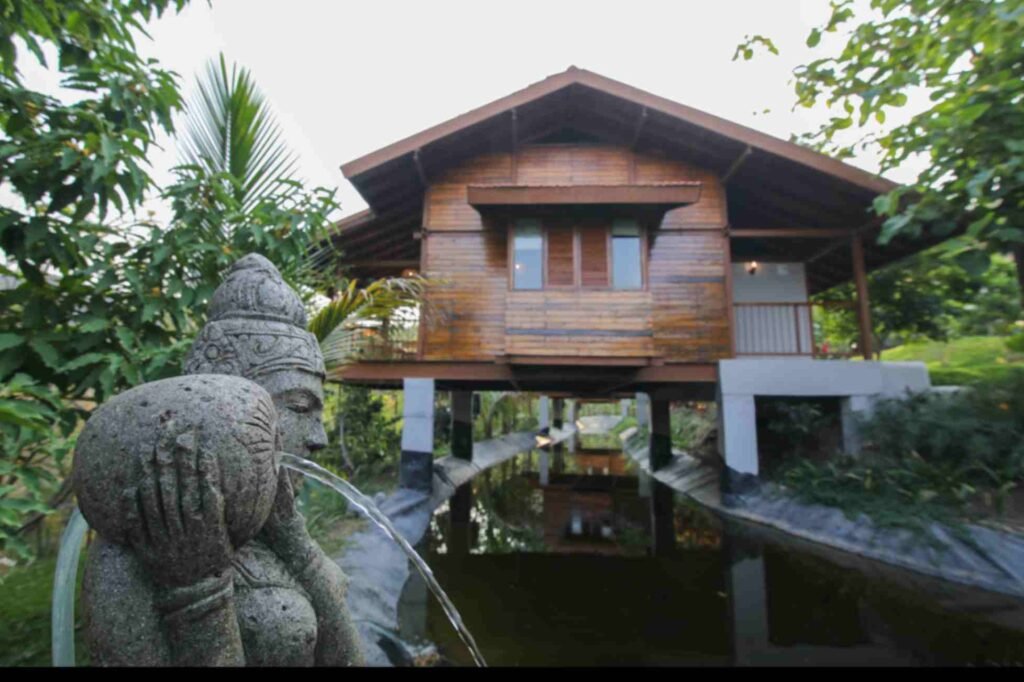
At Toyam, we see this shift through the growing interest in experiences that combine wellness with nature, Ayurveda and a slower pace of living. Located in the Sahyadri landscape, Toyam brings together Ayurvedic therapies, wellness programmes and experiences such as yoga, mindful activities and time spent around nature. The focus is not just on treatments, but on creating an environment where guests can disconnect from their everyday routines and reconnect with themselves.
This is where India has a strong opportunity. Wellness destinations can use their local environment, traditional knowledge and cultural heritage to create experiences that feel authentic and personal. For travellers, it is increasingly about taking something meaningful back with them from a wellness journey, whether that is better habits, a sense of calm or simply a renewed connection with themselves.
Mayank Mittal
General Manager, Pilibhit House, Haridwar – IHCL SeleQtions and Hari Ganga Niwas, Haridwar – IHCL SeleQtions.
How is wellness travel evolving in 2026, and what are travellers seeking beyond traditional spa, fitness and relaxation experiences?
Wellness travel is evolving from a short, activity-led break into a more holistic approach to wellbeing. Travellers are increasingly looking for experiences that help them slow down, reconnect with themselves and return home feeling genuinely refreshed.
In a destination such as Haridwar, wellness naturally extends beyond spa and fitness. The Ganga, spiritual heritage, yoga, meditation, nature and the slower rhythm of the destination provide a strong foundation for mindful travel. At Hari Ganga Niwas, wellness unfolds through yoga and meditation overlooking the Ganges, restorative spa therapies and moments of quiet, while at Pilibhit House, the riverside setting, heritage character, private ghat and immersive spiritual experiences encourage guests to slow down, reconnect and embrace a more mindful pace of travel.
With longevity, sleep optimisation, digital detox, nature immersion and personalised wellness programmes gaining momentum, how can hotels and resorts adapt their offerings to these emerging needs?
The future of wellness hospitality is about personalisation rather than a one-size-fits-all programme. Guests increasingly want to choose experiences according to what they need during a particular stay, whether that is better sleep, mindfulness, movement, spiritual connection, time in nature or simply a digital break.
Hotels can respond by designing flexible wellness journeys rather than standalone spa treatments. This could include early morning yoga, guided meditation, nutritious vegetarian cuisine, wellness rituals, nature-based experiences and opportunities for guests to reduce screen time. At Pilibhit House and Hari Ganga Niwas, curated walks through Haridwar’s ghats and temple corridors, along with excursions to Rishikesh and Rajaji National Park, allow guests to extend their experience beyond the hotel, while riverside and spiritual experiences encourage a slower pace of travel, creating a deeper connection with nature, culture and spirituality.
As travellers increasingly seek meaningful and personalised wellness experiences, what opportunities does this create for India’s hotels, resorts and wellness destinations?
India has a unique advantage because wellness is deeply connected to the country’s cultural traditions. Yoga, Ayurveda, meditation, spirituality, mindful living and traditional knowledge systems can be presented through contemporary hospitality without losing their authenticity.
At Pilibhit House, guests can experience the evening Ganga Aarti, Ganga Snan, Navgrah Pooja, Gau Seva and personalised experiences such as palmistry, alongside a heritage stay and Satvik dining. At Hari Ganga Niwas, experiences such as the Navagraha Havan, Sacred Coin Ceremony, temple walks offer other avenues for reflection and renewal. The opportunity is to curate stays where wellness feels connected to place, culture and personal reflection, rather than being limited to conventional wellness activities.
Subhankar Bose
General Manager, Sheraton Hyderabad Hotel
1. How is wellness travel evolving in 2026?
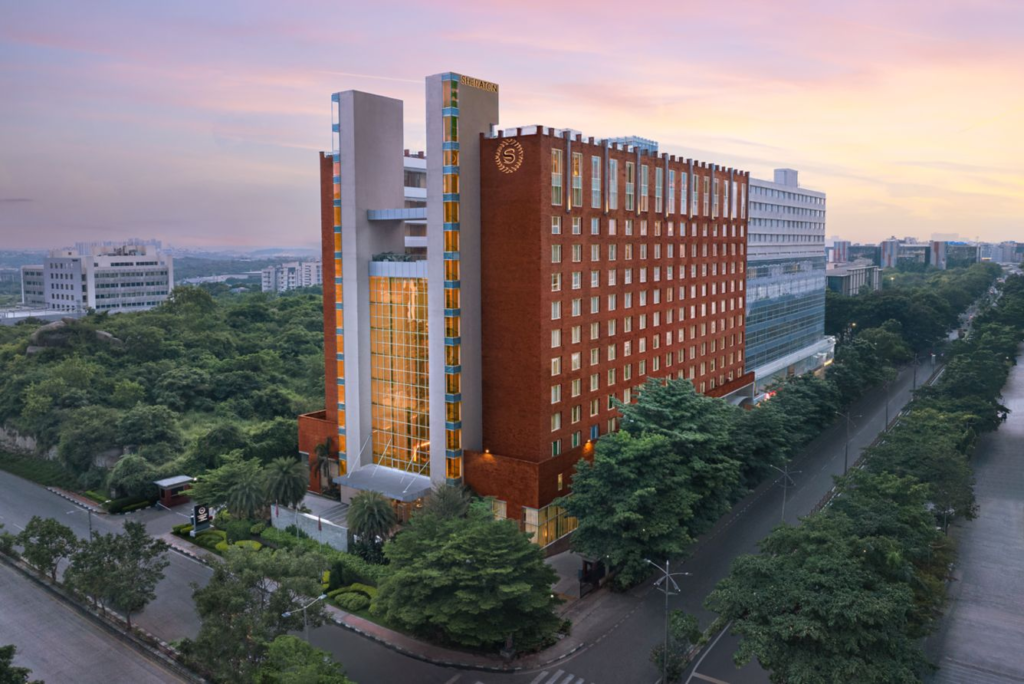
Wellness travel is evolving from traditional spa and fitness offerings towards a more holistic and personalized approach. Today’s travelers are seeking experiences that support better sleep, mental well-being, nutrition, digital balance and deeper connections with nature. The expectation is no longer simply to relax, but to return feeling genuinely renewed.
2. How can hotels and resorts adapt to these emerging needs?
Hotels need to make wellness an integral part of the guest journey rather than a standalone offering. This means creating personalized programs around sleep, nutrition, mindfulness, movement and digital detox, while also integrating wellness into accommodation, dining and experiences. The key is to offer flexibility and relevance based on individual guest needs.
3. What opportunities does this create for India?
India is uniquely positioned to lead this evolution, given its deep heritage in Ayurveda, yoga, meditation and holistic living. The opportunity for hotels and resorts is to combine this traditional knowledge with contemporary luxury and personalized hospitality. This can create distinctive wellness experiences that are authentic, relevant and aligned with the expectations of today’s global traveler.
Mahinder Rawat
General Manager, The Orchid Rishivan
How is wellness travel evolving in 2026, and what are travellers seeking beyond traditional spa, fitness and relaxation experiences?
Recent growth in the tourism sector has shown tremendous opportunity, and wellness tourism continues to be an ever-emerging sector. Today’s generation is seeking calm and relaxed vacations to revive themselves from their mundane routines. This search is taking travellers towards more secluded and inclusive places that offer opportunities to rejuvenate, reconnect with themselves and enjoy a more meaningful travel experience.
With longevity, sleep optimisation, digital detox, nature immersion and personalised wellness programmes gaining momentum, how can hotels and resorts adapt their offerings to these emerging needs?
Hotels and resorts can adapt to these emerging needs by creating environments that allow guests to slow down, reconnect with nature and take a break from their everyday routines. Experiences such as forest walks, trekking, time by the Ganga and opportunities for mindfulness can naturally encourage a digital detox and help guests unwind. Alongside this, warm hospitality, great food and personalised service can further add to the overall wellness experience.
As travellers increasingly seek meaningful and personalised wellness experiences, what opportunities does this create for India’s hotels, resorts and wellness destinations?
Fortunately, India is among the few nations that has been recognised for its warm hospitality for ages. Our rich culture, vivid cuisines, art of living and heritage have inspired people around the world. New-age, world-class hotels and restaurants with evolved concepts around healthy living, yoga and meditation are a true inspiration to the world. Destinations such as Kerala, Uttarakhand, Himachal and the Northeast offer wellness naturally and continue to be ever so popular. The Orchid Rishivan reflects this evolving approach by bringing together nature, tranquillity and local experiences, allowing wellness to become a more natural part of the overall travel experience.