PMFME Conclave 2026 Concludes with Awards for Top States, Banks and Grassroots Food Entrepreneurs
Two-day event brings together 500+ stakeholders as Centre pushes stronger financing, technology, training and market access for micro food processing enterprises Key Highlights 500+ stakeholders participated in the two-day PMFME Conclave 2026 in New Delhi. Top-performing States, Union
Two-day event brings together 500+ stakeholders as Centre pushes stronger financing, technology, training and market access for micro food processing enterprises
Key Highlights
- 500+ stakeholders participated in the two-day PMFME Conclave 2026 in New Delhi.
- Top-performing States, Union Territories, banks, SRLMs, SULMs, DNOs and DRPs recognised for PMFME implementation.
- Five States shared best practices and grassroots implementation experiences.
- NIFTEM-Kundli and NIFTEM-Thanjavur highlighted their role in providing technology, training and handholding to micro food businesses.
- Training on SNA Sparsh aimed at strengthening implementation capacity among State-level stakeholders.
- Conclave focused on turning micro food enterprises into sustainable, competitive and market-oriented businesses.
PMFME Conclave concludes with focus on stronger micro food enterprises
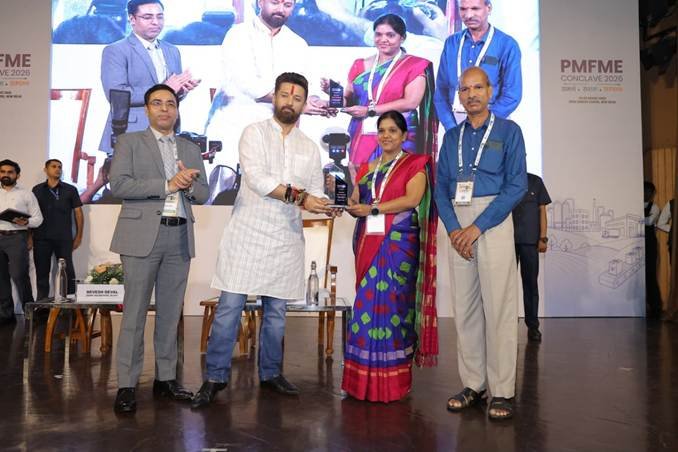
New Delhi: The PMFME Conclave 2026, organised by the Ministry of Food Processing Industries (MoFPI), concluded in New Delhi with the government placing emphasis on stronger implementation, technology support, capacity building and market access for India’s micro food processing enterprises.
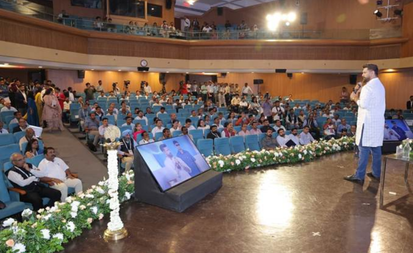
Held on August 24–25 at the India Habitat Centre, the two-day event brought together more than 500 stakeholders from across States and Union Territories, including government officials, banks, technical institutions, industry bodies, incubation centres and PMFME beneficiaries.
The concluding day focused on sharing successful implementation models and recognising stakeholders who have contributed to the progress of the Pradhan Mantri Formalisation of Micro Food Processing Enterprises (PMFME) Scheme.
States share best practices in micro food processing
The second day began with a PMFME Experience Sharing Session, during which five States presented their implementation experiences and best practices.
District Nodal Officers (DNOs) and District Resource Persons (DRPs) also shared field-level experiences, highlighting interventions and approaches that have helped improve implementation at the grassroots.
The exchange of experiences is aimed at helping States and districts replicate successful models and strengthen support available to micro food entrepreneurs.
NIFTEM institutions to support technology and training
A dedicated session on “NIFTEMs – State-of-the-Art Facilities – Handholding PMFME Implementation” highlighted the role of technical institutions in supporting small food businesses.
Dr Harinder Singh Oberoi, Director, NIFTEM-Kundli, and Prof V. Palanimuthu, Director, NIFTEM-Thanjavur, participated in the session.
The institutions can play an important role in providing micro enterprises with access to food processing technology, training, technical knowledge and handholding, areas that can determine whether small businesses successfully scale beyond local markets.
Training and entrepreneurship remain key focus areas
A dedicated training session on SNA Sparsh was organised to improve the capacity of State-level stakeholders involved in implementing the scheme.
The programme also featured a motivational session by leadership and entrepreneurship speaker Shiv Khera, focusing on entrepreneurship, leadership and success.
The emphasis on training reflects the government’s broader objective of building capabilities across the PMFME ecosystem rather than relying solely on financial support.
PMFME Awards recognise top-performing stakeholders
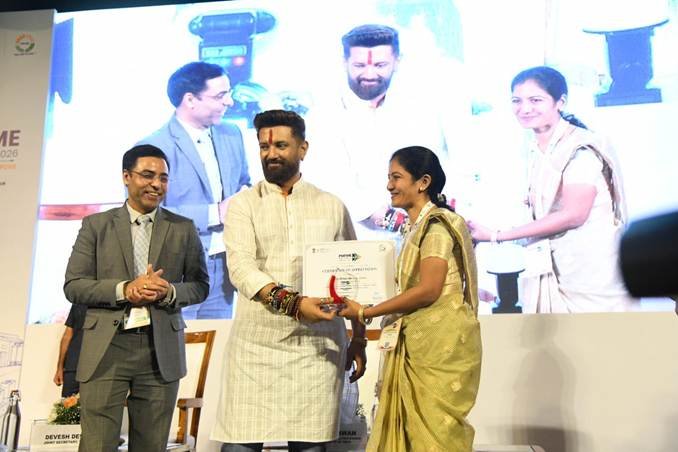
A major highlight of the concluding day was the PMFME Award Ceremony, which recognised stakeholders for their performance in implementing the scheme.
Awards were presented to top-performing States and Union Territories across Large, Medium and Small States/UT categories.
Banks across different categories were also recognised for their contribution, while State Rural Livelihood Missions (SRLMs) and State Urban Livelihood Missions (SULMs) received recognition for their role in supporting the scheme.
The Ministry also honoured outstanding District Nodal Officers and District Resource Persons, with top performers from different State categories receiving awards.
Market access remains central to PMFME
The conclave also provided a platform for PMFME beneficiaries to showcase their achievements and strengthen market connections.
This focus on market access is increasingly important for micro food enterprises, many of which begin with traditional or region-specific products but face challenges in scaling production, improving packaging, building brands and reaching organised buyers.
The government is seeking to create an ecosystem in which these businesses can transition from informal local operations into sustainable and commercially competitive enterprises.
Impact on hospitality, food and tourism
The strengthening of India’s micro food processing ecosystem could create significant opportunities for the hotel, restaurant, catering and tourism sectors.
As micro enterprises receive greater access to technology, training and markets, hotels and restaurants could gain access to a wider range of regional, traditional and value-added food products.
This is particularly relevant for hospitality businesses looking to incorporate local ingredients and products into menus, breakfast offerings, food hampers and destination-specific culinary experiences.
Stronger regional food supply chains
Better technical and institutional support can help small food businesses improve quality, packaging, shelf life and consistency, making their products more suitable for organised hospitality procurement.
This could strengthen connections between local food entrepreneurs, FPOs, SHGs and hotels, supporting a more diversified regional food supply chain.
Opportunity for culinary tourism
The formalisation and branding of traditional food enterprises can also contribute to culinary and food tourism.
Regional snacks, pickles, spices, millet products, beverages and other traditional foods can become part of destination experiences, food trails, local markets and hotel retail offerings.
For tourism destinations, supporting local food enterprises can help retain more visitor spending within the local economy while giving travellers access to authentic regional products.
From grassroots enterprise to hospitality supply chain
The conclusion of PMFME Conclave 2026 reinforces a wider shift in the food processing sector: moving micro enterprises from local production towards organised markets, stronger brands and commercial scale.
For India’s hospitality industry, this could eventually mean a larger pool of professionally supported regional food suppliers, creating new opportunities across food procurement, culinary experiences, rural entrepreneurship and tourism-linked local products.