PMFME Bazaar Showcases India’s Regional Foods as Micro Enterprises Eye Bigger Domestic and Global Markets
Chirag Paswan inaugurates two-day food processing conclave; MoUs with APEDA, ONDC and NABKISAN aim to strengthen market access for micro food businesses Key Highlights PMFME Bazaar brings together food enterprises from 25 States and Union Territories. Exhibition showcases
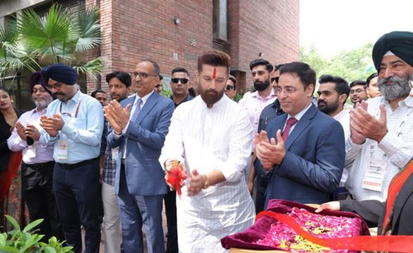
Chirag Paswan inaugurates two-day food processing conclave; MoUs with APEDA, ONDC and NABKISAN aim to strengthen market access for micro food businesses
Key Highlights
- PMFME Bazaar brings together food enterprises from 25 States and Union Territories.
- Exhibition showcases millet products, spices, pickles, snacks, beverages and traditional foods.
- More than 500 stakeholders are participating in PMFME Conclave 2026 in New Delhi.
- MoUs signed with APEDA, ONDC and NABKISAN to strengthen market and institutional linkages.
- Government signals the need for a stronger PMFME 2.0 covering finance, technology, quality, branding and market access.
- Focus expands from local production to modern retail, digital commerce, institutional procurement and exports.
PMFME Bazaar puts India’s micro food entrepreneurs in the spotlight
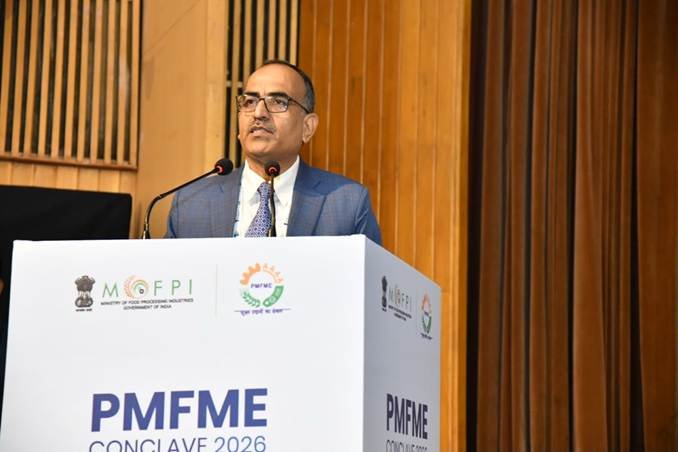
New Delhi: India’s growing ecosystem of micro food processing enterprises is receiving a national marketplace with the launch of the PMFME Bazaar, which is showcasing regional, ethnic and traditional food products from across the country.
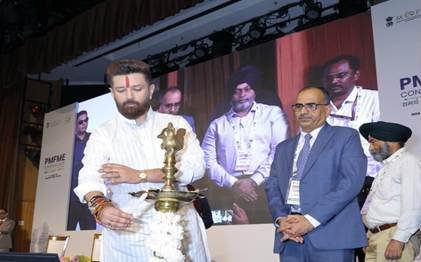
Union Minister for Food Processing Industries Chirag Paswan inaugurated the Bazaar at the India Habitat Centre in New Delhi as part of the PMFME Conclave 2026, being held on August 24–25.
The two-day conclave brings together more than 500 stakeholders, including government officials, financial institutions, industry representatives, technical institutions, incubators and beneficiaries of the Pradhan Mantri Formalisation of Micro Food Processing Enterprises (PMFME) Scheme.
25 States and UTs showcase regional food products
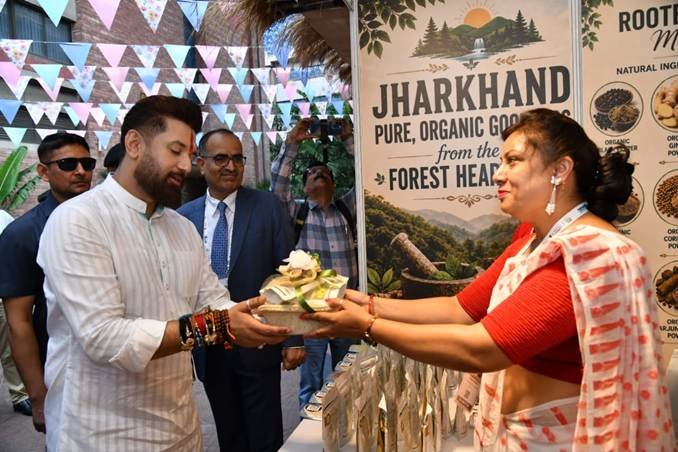
The PMFME Bazaar features enterprises from 25 States and Union Territories, offering visitors a cross-section of India’s diverse culinary traditions.
Products on display include processed foods, millet-based products, spices, pickles, snacks, beverages and other value-added food products.
The exhibition highlights how local agricultural produce and traditional food knowledge are being converted into commercially marketable products through micro food enterprises.
Participating businesses include Self Help Groups (SHGs), Farmer Producer Organisations (FPOs), cooperatives and individual entrepreneurs.
From local products to national brands
A key objective of the Bazaar is to help micro enterprises move beyond local markets.
The platform allows entrepreneurs to interact with potential buyers and explore opportunities in institutional procurement, modern retail, digital commerce and export markets.
The Ministry is placing greater emphasis on areas such as branding, packaging, quality standards and market access so that traditional and locally produced foods can compete in wider markets.
For India’s food industry, this creates a potential pipeline of region-specific products that can increasingly reach organised retail, e-commerce platforms, hotels, restaurants and institutional buyers.
MoUs signed to expand market access
Three Memoranda of Understanding were signed during the conclave with APEDA, ONDC and NABKISAN.
The partnerships are intended to strengthen market and institutional linkages for PMFME beneficiaries, promote digital commerce and create additional opportunities in both domestic and international markets.
The development is significant for small food businesses that often face challenges in reaching consumers outside their immediate geographical markets.
Government looks towards PMFME 2.0
Addressing the inaugural programme, Paswan highlighted the need to support micro food entrepreneurs beyond financial assistance.
He stressed the importance of technology, capacity building, quality, branding and market access, while calling for a stronger and more comprehensive PMFME 2.0 to address the changing requirements of India’s micro food processing sector.
The approach signals a shift from simply formalising small food businesses towards helping them become commercially sustainable and market-oriented enterprises.
Success stories and food-sector innovations highlighted
The conclave also saw the launch of a Coffee Table Book featuring 30 PMFME beneficiary success stories, highlighting entrepreneurial journeys from different parts of India.
The Ministry also launched FoodNova, a quarterly magazine focused on developments, innovations, success stories and emerging trends in food processing.
The first day of the conclave included technical sessions covering financing and sustainability, incubation and entrepreneurship, domestic and global market linkages, and strengthening SHG-led food enterprises through clusters and institutional support.
Impact on hospitality, food and tourism
The PMFME Bazaar could have a direct and growing impact on India’s hotel, restaurant, catering and food tourism sectors by bringing more regional products into organised markets.
For hotels and restaurants, the expansion of micro food processing can create new sourcing opportunities for regional snacks, pickles, spices, millet products, beverages and other traditional ingredients.
These products can also support the growing demand for local, authentic and regional food experiences in hospitality. Hotels could increasingly use products from local micro enterprises in breakfast spreads, welcome amenities, curated food hampers, restaurants and destination-themed menus.
Boost for culinary and regional food tourism
The wider commercialisation of traditional foods can also strengthen culinary tourism.
Products that were previously available primarily within local markets could gain national visibility through better branding, packaging and digital distribution. This can help preserve and commercialise regional food traditions while introducing them to travellers and consumers from other parts of India.
For tourism destinations, local food products can become part of the visitor experience through food trails, farmers’ markets, culinary festivals, local retail and hotel partnerships.
Digital commerce opens new channels
The ONDC partnership could be particularly relevant for small food businesses seeking direct access to consumers.
Greater adoption of digital commerce can help micro enterprises sell beyond their home markets without immediately requiring a large physical distribution network.
For hospitality operators, this could also expand access to specialty regional products and small-batch ingredients that can differentiate menus and create stronger local sourcing narratives.
The combination of finance, technology, branding, market access and export support under the evolving PMFME ecosystem could therefore help transform India’s micro food processing sector into an important link between farmers, food entrepreneurs, hospitality businesses, consumers and tourism markets.