North East Tourism Mart Generates 1,580 B2B Meetings, Strengthening Global Business Opportunities for Regional Hospitality
14th International Tourism Mart concludes its official sessions in Tawang with 43 international buyers from 22 countries; Tourism Ministers discuss digital tourism, live events, connectivity and simplified tourist permits The 14th International Tourism Mart (ITM) concluded
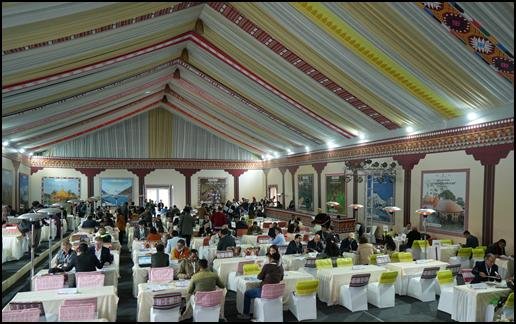
14th International Tourism Mart concludes its official sessions in Tawang with 43 international buyers from 22 countries; Tourism Ministers discuss digital tourism, live events, connectivity and simplified tourist permits
The 14th International Tourism Mart (ITM) concluded its official sessions in Tawang, Arunachal Pradesh, on 30 October 2026, recording 1,580 business-to-business (B2B) meetings between domestic and international tourism buyers and sellers. The event brought together 43 international buyers from 22 countries, 42 domestic buyers from 16 States and Union Territories, and 81 sellers to promote tourism opportunities across India’s eight North Eastern States.
Organised by the Ministry of Tourism in association with the Government of Arunachal Pradesh and other North Eastern States, the Mart focused on strengthening tourism partnerships, promoting lesser-known destinations and developing sustainable, experience-based tourism products.
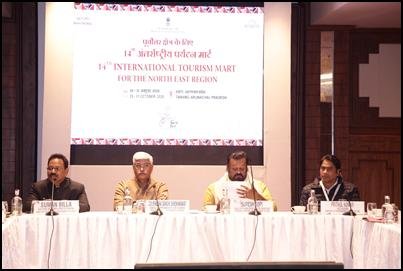
A key highlight of the concluding sessions was the Regional Meeting of Tourism Ministers of the North Eastern States, chaired by Union Minister for Tourism and Culture Gajendra Singh Shekhawat on 30 October. Discussions covered digital tourism initiatives, the live events economy, tourist facilitation and regional cooperation.
Key Highlights
- 1,580 B2B meetings conducted between tourism buyers and sellers.
- 43 international buyers from 22 countries participated.
- 42 domestic buyers from 16 States and Union Territories, alongside 81 sellers.
- Regional Tourism Ministers discussed tourism development priorities and improved tourist facilitation.
- Presentations focused on Dekho Apna Desh 2.0, National Digital Tourism Stack and the Live Concert Economy.
- Discussions covered Restricted Area Permit (RAP) and Protected Area Permit (PAP) requirements.
- North East tourism infrastructure and connectivity growth highlighted, including an increase in airports from 9 in 2014 to 17.
- International delegate familiarisation tours scheduled to begin from Guwahati on 1 November.
1,580 B2B Meetings Open New Tourism Trade Opportunities
The structured B2B meetings were a central component of ITM 2026, providing a platform for tourism sellers from the North Eastern States to connect directly with domestic and international buyers.
With participation from 22 countries, including Australia, France, Germany, Japan, Singapore, the United Kingdom and the United States, the event offered regional tourism businesses an opportunity to present their destinations, experiences and travel products to overseas markets.
The 1,580 meetings facilitated discussions around new tourism itineraries, commercial partnerships and the promotion of regional tourism experiences.
For hotels, resorts, homestays, tour operators and destination management companies, these business interactions could help build distribution networks and improve access to international travel markets.
Tourism Ministers Discuss Digital Platforms and Lesser-Known Destinations
The Regional Meeting of Tourism Ministers focused on strengthening cooperation among the eight North Eastern States and improving the overall tourism ecosystem.
Two major initiatives featured in the discussions:
Dekho Apna Desh 2.0: The presentation focused on redistributing tourism demand and promoting lesser-known, tourism-ready destinations as alternatives to heavily visited tourist centres. The initiative aims to encourage visitors to explore a wider range of destinations.
National Digital Tourism Stack (NDTS): The proposed common digital tourism ecosystem is intended to improve the discoverability of tourism experiences, facilitate online bookings and expand market access for local service providers, including tourist guides, homestays and tourism entrepreneurs.
Greater digital visibility and easier access to booking channels could help smaller tourism businesses participate more effectively in the organised travel market.
Live Concert Economy and Tourist Permit Facilitation in Focus
The discussions also highlighted the potential of the live events economy to generate tourism demand across the North East.
Music concerts, cultural festivals and other live events can attract visitors, encourage longer stays and create business opportunities for hotels, restaurants, transport operators and local vendors.
Another important discussion centred on Restricted Area Permit (RAP) and Protected Area Permit (PAP) requirements. The presentation examined ways to improve tourist facilitation through clearer information, simplified application procedures and timely processing, while maintaining necessary security considerations.
These measures are particularly relevant for destinations where permit requirements form part of the travel-planning process.
North East Connectivity and Tourism Investment Potential
During the technical sessions, Suman Billa, Additional Secretary and Director General, Ministry of Tourism, highlighted India’s growth in domestic tourism.
According to the figures shared at the Mart:
- Domestic Tourist Visits increased from 1.32 billion in 2014 to 4.34 billion in 2025, registering a compound annual growth rate of approximately 11%.
- India’s tourism sector supports around 89 million jobs.
- Tourism contributes 5.22% to national GDP.
- Airports in the North Eastern Region increased from 9 in 2014 to 17.
- The national highway network in the region expanded from 10,905 km to 16,207 km.
The sessions also highlighted investment opportunities in community-led tourism, particularly homestays, adventure tourism, eco-tourism, wellness tourism and experiential travel.
All eight North Eastern States — Arunachal Pradesh, Assam, Manipur, Meghalaya, Mizoram, Nagaland, Sikkim and Tripura — presented their tourism attractions, emerging destinations and travel circuits.
Cultural Experiences and Familiarisation Tours Showcase Tawang
The Mart also showcased the region’s cultural identity through the North East Bazaar, featuring traditional handicrafts, handlooms, textiles and regional products, alongside cultural performances.
Delegates and media representatives visited attractions including Tawang Monastery, Tawang War Memorial and Urgelling Gompa. Technical visits to Buddha Park, PTSO Lake and Shernup Village were scheduled for 31 October.
Post-Mart familiarisation tours for international delegates are scheduled to commence from Guwahati on 1 November, offering opportunities to experience destinations and tourism products across the North Eastern Region.
The 14th edition marked ITM’s return to Tawang after 13 years, following its second edition in the town in 2013.
Impact on Hospitality, Travel and Tourism
1. Stronger international business access for hotels: The participation of buyers from 22 countries and 1,580 B2B meetings creates opportunities for regional accommodation providers to connect with international tour operators and travel planners.
2. Greater visibility for homestays and local enterprises: The focus on NDTS and community-led tourism could improve the digital presence and market access of smaller accommodation providers, guides and local tourism entrepreneurs.
3. Potential growth in event-led hotel demand: Concerts, cultural festivals and live events can generate additional visitor demand, particularly for hotels, restaurants, transport providers and local experience businesses.
4. Opportunities for destination management companies: New tourism itineraries and commercial partnerships could encourage the development of multi-state travel circuits, connecting attractions across Arunachal Pradesh, Assam, Meghalaya, Sikkim and other North Eastern destinations.
5. Improved visitor planning and accessibility: Clearer RAP/PAP information and streamlined permit procedures could reduce uncertainty for travellers planning visits to regulated destinations.
6. Regional food and cultural tourism: Handlooms, handicrafts, regional products and local cuisine can become important elements of destination experiences, creating opportunities for restaurants, food entrepreneurs and hospitality businesses.
Industry Takeaway
The 14th International Tourism Mart has moved beyond destination promotion by creating a measurable platform for tourism trade engagement, with 1,580 B2B meetings and participation from buyers across 22 countries.
For the hospitality industry, the key opportunity lies in converting these connections into market-ready tourism products. Hotels, homestays, tour operators, restaurants and local experience providers can benefit from stronger digital visibility, international partnerships and the growing interest in community-based and experiential travel.
The discussions around digital tourism, live events and tourist facilitation also point towards the need for coordinated destination development, where improved connectivity, accessible information and quality hospitality services work together to strengthen the North East’s position in domestic and international tourism markets.