Chirag Paswan Urges Beverage Industry to Position India as Global Hub for Manufacturing, Innovation and Exports
At National Beverage Conclave 2026, Food Processing Minister calls for greater farmer-industry partnerships, healthier millet-based drinks, stronger quality standards and promotion of traditional Indian beverages Key Highlights: Union Minister Chirag Paswan calls for positioning India as a
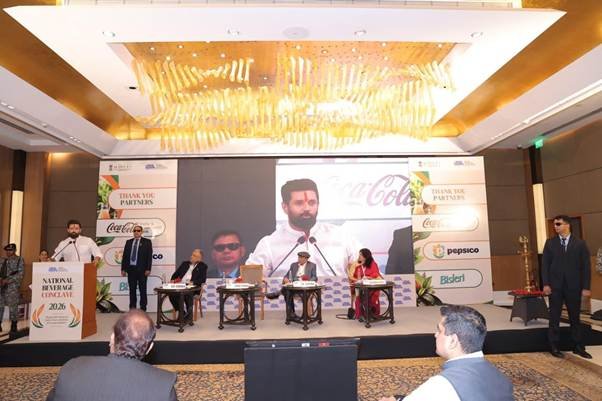
At National Beverage Conclave 2026, Food Processing Minister calls for greater farmer-industry partnerships, healthier millet-based drinks, stronger quality standards and promotion of traditional Indian beverages
Key Highlights:
- Union Minister Chirag Paswan calls for positioning India as a global manufacturing and export hub for the beverage industry.
- Industry urged to strengthen direct procurement linkages with farmers and create greater value from Indian agricultural produce.
- Traditional Indian beverages such as sattu and innovative millet-based drinks identified as potential growth opportunities.
- Emphasis on affordable, quality beverages, scientific product development and transparent consumer communication.
- Industry representatives highlight agricultural wastage reduction, counterfeit products, infrastructure development and digitalisation as key sectoral priorities.
India’s beverage industry has been encouraged to strengthen its manufacturing capabilities, accelerate product innovation and expand its global export presence, with a greater focus on value addition to domestic agricultural produce.
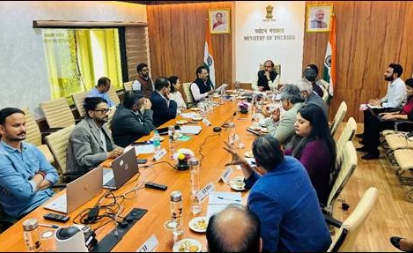
Union Minister for Food Processing Industries Shri Chirag Paswan delivered this message while addressing the National Beverage Conclave 2026, organised by the Indian Beverage Association (IBA). He called upon beverage manufacturers, entrepreneurs and research institutions to work together to establish India as a competitive global destination for beverage manufacturing, innovation and exports.
Linking the sector’s growth to Prime Minister Narendra Modi’s Sapt Dhara vision, the Minister highlighted the importance of manufacturing, agriculture and food processing, alongside technology and innovation, in driving India’s industrial development.
Traditional Indian Beverages and Agricultural Linkages to Drive Innovation
Highlighting the commercial potential of India’s agricultural resources, Paswan urged beverage manufacturers to establish stronger procurement partnerships with farmers and explore opportunities to develop products using indigenous ingredients.
He specifically highlighted traditional Indian beverages such as sattu as products with potential for wider commercial development. He also encouraged collaboration between industry players, entrepreneurs and research institutions to develop Indian-origin beverage products capable of competing in international markets.
The Minister’s emphasis on farmer-industry partnerships reflects the opportunity to connect agricultural production with organised food processing, beverage manufacturing and value-added products.
Focus on Healthier Beverages and Consumer Quality
Addressing changing consumer preferences, Paswan called on the beverage industry to expand its portfolio of healthier alternatives, particularly beverages made using millets and indigenous ingredients.
He stressed the importance of developing affordable, high-quality products that meet the requirements of diverse consumer segments. He also urged manufacturers to maintain uncompromising quality standards.
The Minister further underlined the need to build consumer confidence through scientific evidence, transparent product communication and greater consumer awareness.
Welcoming both domestic entrepreneurship and international investment, he noted that multinational companies manufacturing in India and Indian businesses developing innovative products contribute equally to strengthening the country’s industrial ecosystem.
He reaffirmed the Government’s commitment to supporting the food processing industry and called for greater participation from the sector in achieving India’s vision of becoming a developed nation by 2047.
Beverage Industry Highlights Key Challenges and Growth Priorities
During the conclave, Indian Beverage Association representatives highlighted the sector’s role in supporting agricultural value chains and strengthening India’s food processing ecosystem.
IBA President Shri C.K. Jaipuria highlighted the beverage industry’s potential to reduce agricultural wastage and create additional market opportunities for farmers. He also called for stronger collaboration between the industry and the Government.
IBA Secretary General Dr. Gunveena Chadha, in her welcome remarks, emphasised the need for a clearly defined structural roadmap and supportive policy framework to unlock the sector’s growth potential.
IBA Vice-President Shri S.R. Goenka highlighted concerns surrounding counterfeit products and negative industry perceptions. He stressed the importance of coordinated fiscal efforts, infrastructure development and digitalisation to improve the industry’s long-term competitiveness.
Impact on Hospitality, Foodservice and Tourism
The developments discussed at the National Beverage Conclave 2026 have important implications for India’s hospitality, restaurant, foodservice and tourism industries, where beverages represent an increasingly significant part of the overall food and dining experience.
1. New Opportunities for Hotels, Restaurants and Cafés
The development of millet-based beverages, sattu drinks and products using indigenous ingredients could expand beverage menus across hotels, restaurants, cafés and quick-service restaurants. These products also offer opportunities to showcase regional Indian flavours.
2. Growth of Health-Oriented Beverage Menus
The focus on healthier alternatives and quality standards aligns with changing consumer preferences. Hotels, wellness resorts, cafés and institutional foodservice operators could benefit from a wider range of innovative beverage options.
3. Strengthening Local Sourcing and Farm-to-Glass Concepts
Stronger procurement partnerships between beverage manufacturers and farmers could improve agricultural value addition. Hospitality businesses may also find opportunities to source regional ingredients and develop locally inspired beverage offerings.
4. Opportunities for Indian Beverage Brands
Greater manufacturing capacity, innovation and export-oriented development could help Indian beverage brands expand their presence in domestic hospitality channels and international markets. This may also create opportunities for hotels and restaurants to introduce distinctive Indian beverage products to international visitors.
5. Boost for Culinary and Beverage Tourism
Traditional Indian drinks such as sattu-based beverages and millet preparations can contribute to regional culinary identity. Their commercial development could strengthen local food experiences and support India’s broader culinary tourism potential.
The National Beverage Conclave 2026 underscores the growing importance of the beverage industry within India’s food processing ecosystem. With a focus on agricultural value addition, product innovation, quality assurance and international competitiveness, the sector has opportunities to strengthen its contribution to manufacturing, hospitality, foodservice and India’s expanding food and beverage market.