Local Is the New Luxury: How Authentic Experiences Are Transforming Tourism
From culture and cuisine to crafts and community-led journeys, India’s tourism landscape is redefining luxury through experiences that are deeply rooted in place.
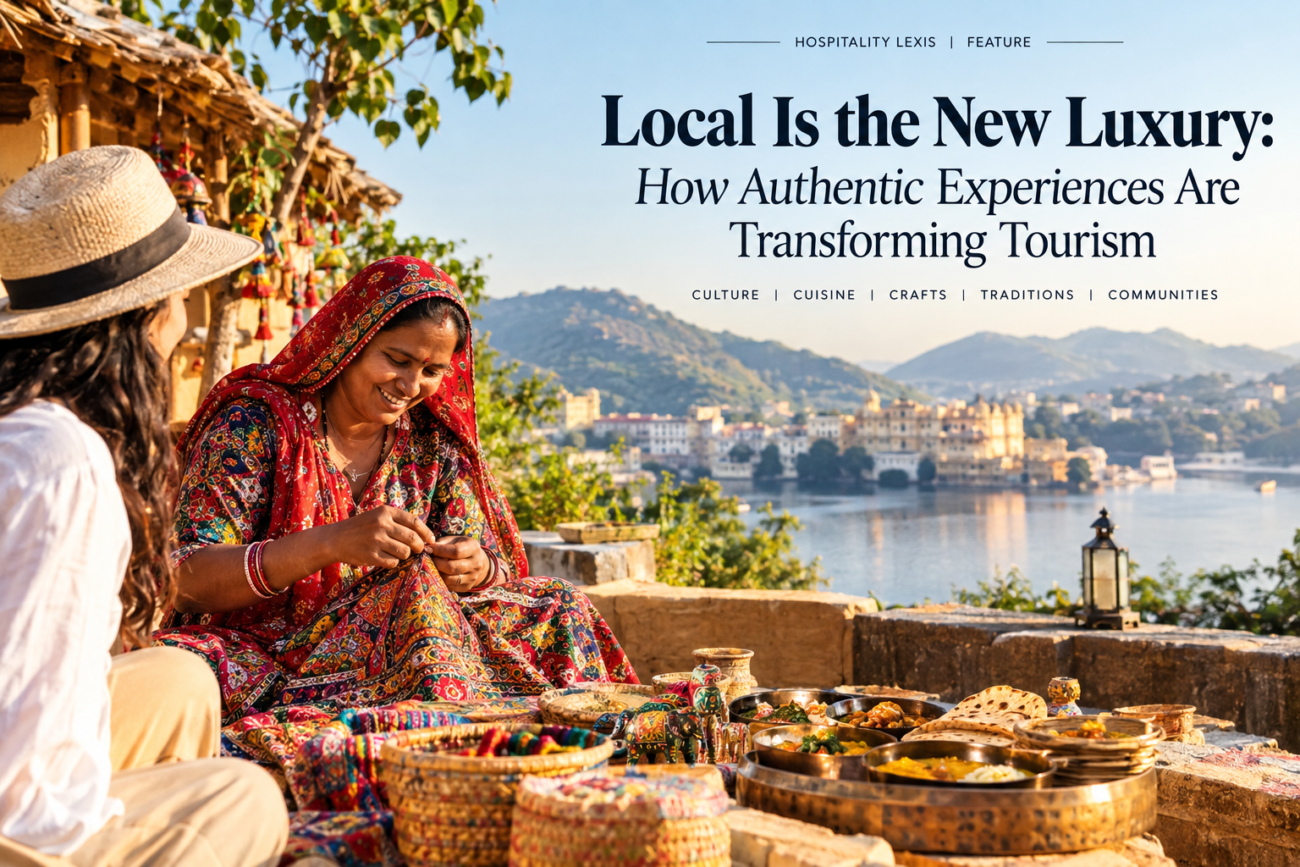
As travellers increasingly seek meaningful connections over conventional sightseeing, authenticity is becoming the new language of luxury travel. From regional cuisine and indigenous crafts to heritage, traditions and community-led experiences, India has an opportunity to transform its rich local identity into compelling tourism propositions while creating sustainable value for communities. In this feature, leading industry experts share their responses on how local experiences are reshaping tourism, the role of initiatives such as Dekho Apna Desh and Swadesh Darshan 2.0, and how the industry can balance tourism growth with cultural preservation.
Javed Deshmukh
Cluster General Manager IHCL North Goa and General Manager Taj Holiday Village Resort & Spa, Goa
Travellers are increasingly seeking authentic, immersive experiences over conventional sightseeing. How can India’s destinations and hospitality industry turn local culture, cuisine, crafts, traditions and community-led experiences into compelling tourism propositions?
Today’s traveller is seeking more than a destination checklist; they want to experience the character of a place through its people, food, traditions, stories and creative expressions. This presents India’s hospitality industry with an opportunity to make local culture the heart of the guest experience.
In Goa specifically talking about our SeleQtions properties, we see La Estoria, Candolim and The Yellow House, Anjuna as vocal for local to the destinations they represent. At La Estoria, Goa – IHCL SeleQtions, guests can discover Goa through experiences such as the Heritage Goan Thali, Taste of Goa culinary masterclass and Aguad heritage walks. These experiences bring together cuisine, history and storytelling, allowing guests to engage with Goa beyond its beaches and popular attractions.
At The Yellow House, Goa – IHCL SeleQtions, the heritage character of the property itself sets the stage for an immersive Goan experience. From the traditional ‘Susegad High Tea’ and ‘Memories on a Plate’ to locally inspired mixology and creative activities such as Paint a Plate and vintage letter writing, the hotel connects guests with the nostalgia, flavours and artistic traditions of Goa.
The larger opportunity lies in creating experiences in partnership with local communities artisans, home cooks, musicians, storytellers and cultural practitioners. This not only preserves and celebrates intangible heritage but also creates meaningful economic opportunities for communities.
When hospitality moves from simply showcasing a destination to enabling guests to participate in its culture, every meal, craft, story and interaction can become part of the journey. That is what transforms a stay into a memorable and authentic connection with the State of Goa.
What role can government initiatives such as Dekho Apna Desh, Swadesh Darshan 2.0 and rural and community-based tourism programmes play in promoting lesser-known destinations and creating more meaningful local experiences for travellers?
Government initiatives such as Dekho Apna Desh and Swadesh Darshan 2.0 can play a significant role in broadening the tourism map of India by encouraging travellers to explore beyond established destinations. Their focus on destination development, sustainability, heritage and community participation can help create an ecosystem where lesser-known experiences receive greater visibility and local communities become active participants in tourism.
Goa, for instance, has an opportunity to showcase its cultural depth beyond its beaches. At La Estoria, Goa – IHCL SeleQtions, we see how a hotel can complement this approach by curating experiences that introduce guests to the region’s heritage, cuisine and stories. Experiences such as the Heritage Goan Thali, Taste of Goa culinary masterclass and heritage walks allow travellers to engage with Goa’s culture in a more intimate and contextual manner.
Similarly, The Yellow House, Goa – IHCL SeleQtions demonstrates how heritage properties can become platforms for discovering the character of a destination. Its Portuguese-influenced setting, traditional Goan cuisine, engaging young guests in cake decoration workshops and experiences such as ‘Memories on a Plate’, Paint a Plate and vintage letter writing allow guests to indulge in this land’s traditions and nostalgia in a participative way.
The next opportunity is to connect such hotel-led experiences with the wider community. Displays by local artisans in the courtyard of La Estoria or a four hand cook off with the Goa Culinary Club at The Yellow House. Government programmes can provide the infrastructure, destination visibility and enabling framework, while we at our SeleQtions hotels can help translate these assets into curated, bookable and high-quality experiences.
How can tourism stakeholders ensure that the growing demand for authentic local experiences translates into sustainable economic opportunities for local communities while preserving the cultural heritage and identity of destinations?
Authentic experiences can become a powerful source of sustainable livelihoods when local communities are given a meaningful role in creating and delivering them. As an industry, our responsibility is to ensure that the value generated by tourism reaches the people who keep a destination’s culture alive.
At La Estoria, Goa – IHCL SeleQtions, this can begin with food. Instead of simply offering Goan cuisine, we can work with local home chefs, farmers and small producers to introduce guests to the stories, ingredients and traditions behind the food. Experiences such as a Goan culinary trail, traditional home-style cooking sessions or a curated Tiffin experience can create direct opportunities for local practitioners while keeping regional culinary traditions relevant.
At The Yellow House, Goa – IHCL SeleQtions, there is an opportunity to connect the hotel more closely with Goa’s artisans and heritage communities. We can curate visits and workshops around traditional crafts such as Kunbi weaving, pottery, bamboo and coir work, with artisans being compensated directly for their time and expertise. A visit to Uguem-Salaulim, for instance, can introduce guests to the region’s Kunbi textile traditions while creating a market for local craftsmanship.
Similarly, heritage-led experiences around Fontainhas, Old Goa and lesser-known cultural sites such as the Usgalimal petroglyphs can be conducted with trained local storytellers and guides, ensuring that guests gain context while communities benefit economically.
For us, the approach is straightforward: work with local people, source locally, compensate fairly and give authentic traditions a platform without commercialising them beyond recognition. If hotels can consistently create demand for local skills, products, food and storytelling, tourism can become an important tool for both cultural preservation and community prosperity
George M. George
Managing Director, Xandari Resorts
Luxury in travel is increasingly becoming about access rather than excess. Travellers want to experience something they could not easily find elsewhere, and that is where local culture becomes extremely valuable.
India has enormous diversity in food, crafts, traditions, landscapes and ways of life. The hospitality industry can bring these elements into the traveller experience through local culinary experiences, visits to artisans, guided walks, traditional performances, farm experiences and conversations with people who have a genuine connection to the destination.
The important point is that these experiences should not feel staged simply for tourists. The more naturally they are integrated into the destination, the more meaningful they become.
Hotels and resorts can act as a bridge between travellers and local communities. Their role should be to curate and facilitate these connections while giving local people an authentic voice in the experience.
When done well, local experiences create value on both sides. Travellers leave with a deeper understanding of the destination, while communities gain opportunities to share their knowledge, skills and traditions.
Government initiatives can play an important role in creating the infrastructure and ecosystem required for more responsible and distributed tourism.
Programmes such as Dekho Apna Desh and Swadesh Darshan 2.0 have helped bring attention to the diversity of India’s destinations and the need to develop tourism beyond conventional circuits. The next step is to ensure that lesser-known destinations have the connectivity, basic infrastructure, interpretation and trained local resources needed to welcome travellers.
This is particularly important for rural and community-based tourism. A destination may have a remarkable craft tradition, cuisine, landscape or cultural practice, but without the right support, it may not be ready to receive attention as it should be getting.
There is also an opportunity for stronger collaboration between governments, local communities and the private sector. Hospitality companies can contribute through experience design, training,
responsible tourism practices and market access, while local communities remain central to the experience itself.
The long-term goal should be to make more parts of India accessible to travellers without making them lose what makes them special in the first place.
Authenticity has value only when the people and communities who create that culture are part of the value chain. Tourism stakeholders therefore need to move beyond simply showcasing local culture and focus on creating genuine economic participation.
Communities should have the opportunity to participate in tourism on their own terms and build sustainable livelihoods around their existing knowledge and skills.
At the same time, there needs to be a clear distinction between sharing culture and commercialising it.
Environmental sustainability must also be considered alongside cultural sustainability.
The hospitality industry can play the role of a responsible connector by bringing travellers closer to local communities while ensuring that the relationship creates value for both. The objective should be to leave destinations stronger, not simply more visited.

Rubin Cherian,
General Manager, Novotel Hyderabad Convention Centre & HICC.
1. Travellers are increasingly seeking authentic, immersive experiences over conventional sightseeing. How can India’s destinations and hospitality industry turn local culture, cuisine, crafts, traditions and community-led experiences into compelling tourism propositions?
Luxury is increasingly about access, authenticity and personal connection rather than simply material comfort. Travellers want to meet the people, taste the food, understand the traditions and experience the rhythm of a destination.
India has an enormous advantage because every region offers a different cultural vocabulary. Hospitality providers can curate experiences around local cuisine, crafts, music, dance, heritage, markets and neighbourhoods, while ensuring that local communities remain active participants.
At Novotel Hyderabad Convention Centre & HICC, we have seen how integrating local highlights, tours and cultural experiences can transform a business visit into a richer destination experience.
For a MICE delegate, this could mean adding a Hyderabad culinary experience, heritage exploration, cultural workshop or curated city tour to an event itinerary. It allows the destination to become part of the event rather than simply being the backdrop.
The key is to curate rather than manufacture authenticity. Experiences should be respectful, community-connected and commercially viable for the people who preserve these traditions.
2. What role can government initiatives such as Dekho Apna Desh, Swadesh Darshan 2.0 and rural and community-based tourism programmes play in promoting lesser-known destinations and creating more meaningful local experiences for travellers?
These initiatives can help create the ecosystem required to make lesser-known destinations more accessible and discoverable. Infrastructure, connectivity, visitor facilities, digital storytelling, skills development and destination management are all essential if local tourism is to scale responsibly.
The government can provide the framework, while the private sector and local communities bring the experiences to life. Tourism development is most effective when local communities are not simply beneficiaries but active participants and entrepreneurs.
There is also an opportunity to connect emerging destinations with established tourism hubs. Hyderabad, for example, has strong connectivity and a significant MICE ecosystem. Hotels and convention destinations can introduce delegates and leisure travellers to regional experiences as part of their itineraries.
At Novotel Hyderabad Convention Centre & HICC, we already integrate local highlights, tours and cultural experiences into the MICE journey, creating opportunities for delegates to experience Hyderabad beyond the event venue.
The larger opportunity is to create a network of destinations rather than promoting cities in isolation, encouraging travellers to explore beyond the conventional tourism circuit.
3. How can tourism stakeholders ensure that the growing demand for authentic local experiences translates into sustainable economic opportunities for local communities while preserving cultural heritage and identity?
The principle should be simple: the community must benefit from the tourism experience and have a voice in how its culture is presented.
That means working with local entrepreneurs, artisans, farmers, performers, guides and food producers, ensuring that they receive fair economic value and that their knowledge and traditions are respected. Experiences should be developed with communities rather than simply being created around them.
Sustainability also means managing visitor numbers, protecting natural and cultural assets and avoiding the commercialisation of traditions to a point where their original meaning is lost.
Hotels can contribute by creating responsible partnerships with local suppliers and experience providers. At Novotel Hyderabad Convention Centre & HICC, our approach combines hospitality with local experiences, while sustainability is embedded in our operations. We are Green Key certified and have invested in initiatives including atmospheric water generation and solar energy.
Ultimately, authentic tourism should create a virtuous cycle: visitors gain a deeper understanding of the destination, communities gain sustainable economic opportunities, and cultural traditions gain greater visibility and incentive for preservation.
That is when tourism becomes not just an economic activity, but a meaningful exchange between people and places.
Prashant Chadha
General Manager, Le Méridien Ahmedabad
Travellers are increasingly seeking authentic, immersive experiences over conventional sightseeing. How can India’s destinations and hospitality industry turn local culture, cuisine, crafts, traditions and community-led experiences into compelling tourism propositions?
The meaning of luxury in travel is evolving. Today, it is increasingly defined not by what is exclusive, but by what is authentic, memorable and deeply connected to a destination. India has an extraordinary advantage in this regard because every region offers its own language of culture, cuisine, craftsmanship, traditions and stories.
The opportunity for the hospitality industry is to move beyond simply showcasing these elements and instead create meaningful ways for travellers to experience them. A hotel can become a gateway to the destination by introducing guests to local culinary traditions, artisans, neighbourhoods, heritage trails, performing arts and the people who give a place its character.
Ahmedabad and Gujarat offer a particularly rich canvas. From the architectural legacy of the old city and the intricate craftsmanship of Gujarat to its diverse culinary traditions, textiles and vibrant festivals, the destination has many stories that can be experienced beyond conventional sightseeing.
Hotels can play an important role by curating these experiences responsibly, collaborating with local experts, artisans, chefs and communities, and ensuring that the narrative remains authentic to the destination. For travellers, such encounters create a stronger emotional connection with a place.
At Le Méridien Ahmedabad, we see hospitality as an opportunity to help guests discover the destination through its culture, flavours and stories. When a traveller returns home carrying not just photographs, but a genuine connection with the place, that is when tourism becomes truly experiential.
What role can government initiatives such as Dekho Apna Desh, Swadesh Darshan 2.0 and rural and community-based tourism programmes play in promoting lesser-known destinations and creating more meaningful local experiences for travellers?
Government initiatives have an important role to play in creating the ecosystem in which authentic and experiential tourism can flourish. Programmes such as Dekho Apna Desh and Swadesh Darshan 2.0 have helped place greater emphasis on destination development, domestic tourism, sustainability and experiences that go beyond conventional tourist circuits.
Swadesh Darshan 2.0, in particular, adopts a destination-centric and sustainable approach, with emphasis on local communities, capacity building, entrepreneurship and the development of experiences that enhance the overall visitor journey.
The next opportunity is to strengthen the connection between these destinations and the hospitality ecosystem. Hotels, destination managers, local entrepreneurs, artisans, culinary practitioners and tourism organisations can work together to create curated experiences that make lesser-known places more accessible without compromising their character.
For a destination such as Gujarat, this can open up opportunities to introduce travellers to experiences beyond its established landmarks, including craft traditions, regional cuisines, rural landscapes, heritage communities and lesser-known cultural narratives. The identification of Thol Village in Gujarat under the Ministry of Tourism’s destination-development initiatives also demonstrates the potential to broaden the tourism map.
The role of hospitality is to act as a bridge between the traveller and these experiences. When infrastructure, connectivity, storytelling and local participation come together, destinations can evolve from places that tourists visit into places they genuinely connect with. That creates a stronger and more diverse tourism ecosystem for India.
How can tourism stakeholders ensure that the growing demand for authentic local experiences translates into sustainable economic opportunities for local communities while preserving the cultural heritage and identity of destinations?
Authentic tourism can only be meaningful in the long term when the communities that create and preserve a destination’s identity are active participants in its growth. The objective should therefore be to create a tourism model where cultural preservation and economic opportunity reinforce each other.
This begins with genuine collaboration. Hotels and tourism stakeholders can work directly with local artisans, culinary practitioners, guides, performers, entrepreneurs and community organisations, creating opportunities for them to participate in the tourism value chain. This can translate into employment, enterprise opportunities and greater visibility for traditional skills and knowledge.
Equally important is ensuring that cultural experiences are presented with sensitivity and integrity. Heritage should not become a performance created solely for visitors. The stories, traditions and practices of a destination need to remain rooted in the community that owns them.
For hospitality brands, sustainability also extends beyond the environmental dimension. It includes supporting local sourcing, responsible consumption, skill development and partnerships that allow economic value generated through tourism to remain within the destination.
Swadesh Darshan 2.0 reflects this broader understanding by emphasising sustainable and responsible tourism, local entrepreneurship, employment opportunities and capacity building among communities, including youth and women.
For Ahmedabad and Gujarat, this approach can help ensure that the growing interest in local cuisine, crafts, heritage and cultural experiences benefits the people who keep these traditions alive. Ultimately, the most enduring form of tourism is one where visitors discover a destination while the destination itself continues to thrive.


Mahesh Padala
General Manager, Courtyard by Marriott Madurai
How can India turn local culture, cuisine, crafts and traditions into compelling tourism propositions?
From my perspective, local becomes compelling when it is naturally woven into the guest experience. At Courtyard by Marriott Madurai, we bring elements of Madurai and Tamil culture into different touchpoints of the stay — from local souvenirs for guests and traditional welcome rituals such as aarti, tilak and angavastram, to regional food experiences within our daily buffet. Paruthipaala, for example, is served as part of our breakfast experience, allowing guests to discover a traditional local drink and its cultural and perceived health benefits. These small, thoughtful details can make a destination feel more personal and memorable.
What role can government initiatives play in promoting lesser-known destinations?
Government initiatives can create the visibility, connectivity and infrastructure needed for travellers to discover destinations beyond the established tourist circuit. From a hotelier’s perspective, the next step is to make that destination story visible within the guest experience as well. At our hotel, we introduce guests to Madurai through local souvenirs, traditional welcome customs and regional culinary experiences. Similar efforts across hotels and local businesses can reinforce what the destination is known for. When promotion, accessibility and on-ground experiences work together, travellers have more reasons to explore the wider destination.
How can tourism stakeholders ensure authentic experiences create sustainable economic opportunities while preserving cultural identity?
For me, authenticity comes from incorporating local culture into the experience with purpose. We do practice this through details such as locally inspired souvenirs for guests- jute bags, traditional aarti, tilak and angavastram during welcome experiences, and regional food such as ‘paruthipaal’ within our everyday breakfast offering. The ‘masala’ that we regionally procure, ‘cage free eggs’ etc, for culinary operations. These are not created simply as tourist attractions; they are introduced as part of the hospitality experience and give guests an opportunity to understand the destination. Hotels can further support local communities by working with local artisans, producers and cultural practitioners, creating visibility and economic value while keeping the identity of the destination intact.
Manali Gupta
Cluster General Manager, Grand Mercure Mysore and ibis Styles Mysuru.
Travellers are increasingly seeking authentic, immersive experiences over conventional sightseeing. How can India’s destinations and hospitality industry turn local culture, cuisine, crafts, traditions and community-led experiences into compelling tourism propositions?
The appeal of travel today lies increasingly in discovering the character of a place rather than simply ticking off its landmarks. Mysuru lends itself naturally to this kind of travel. Its identity is woven through Mysuru silk, sandalwood, local cuisine, traditional arts, its royal heritage and the many customs that continue to shape everyday life. During Dasara, these elements come together in their most vibrant form, as the city fills with music, cultural performances, illumination, food, crafts and the grandeur of the Jumboo Savari. With more than 100 programmes across 15 venues in 2026, the festival offers travellers many different ways to experience the city. Being situated along the Dasara procession route, Grand Mercure Mysore finds itself within this living expression of Mysuru, where the destination naturally becomes part of the stay. The design, culinary experiences and sense of place within the hotel draw from the character of the city, creating an experience where guests can encounter Mysuru not merely as a destination, but as a living story.
What role can government initiatives such as Dekho Apna Desh, Swadesh Darshan 2.0 and rural and community-based tourism programmes play in promoting lesser-known destinations and creating more meaningful local experiences for travellers?
The next chapter of Indian tourism lies in making the many stories beyond the familiar tourism circuit easier to discover. Initiatives such as Dekho Apna Desh and Swadesh Darshan 2.0 can help create the infrastructure, visibility and connectivity needed to open these destinations to more travellers, while community-led tourism can give those journeys a distinctly local voice. Mysuru is a good example of how a destination can offer many different ways of discovering its character. During Dasara, the city comes alive through heritage walks, cycling and tonga rides, craft workshops, exhibitions, food experiences, cultural performances and the Jumboo Savari, allowing visitors to experience Mysuru beyond its well-known landmarks.
That same diversity is reflected in the hospitality landscape. Grand Mercure Mysore, with its connection to the Dasara procession route and the city’s royal heritage, offers one expression of Mysuru, while ibis Styles Mysuru draws inspiration from the birdlife and natural surroundings of Ranganathittu Bird Sanctuary, bringing a more contemporary and playful interpretation of the destination. Together, these experiences show how a destination can tell different stories without losing the essence of the place.
How can tourism stakeholders ensure that the growing demand for authentic local experiences translates into sustainable economic opportunities for local communities while preserving the cultural heritage and identity of destinations?
For authenticity to endure, the people, traditions and natural heritage that give a destination its identity must remain at the heart of its tourism story. In Mysuru, this can be seen in the artisans preserving its crafts, the communities keeping its culinary traditions alive and the generations that continue to celebrate Dasara. The
festival itself is a reminder that heritage can evolve with the times while retaining the traditions that give it meaning.
That balance also extends to how hospitality experiences are created. Grand Mercure Mysore draws from the city’s royal heritage and its place within the Dasara celebrations, while ibis Styles Mysuru looks towards another side of Mysuru, taking inspiration from the birdlife of Ranganathittu Bird Sanctuary and bringing that connection to nature into its design. These are different expressions of the same destination, rooted in what makes Mysuru distinctive rather than imposing a generic experience upon it.
The real opportunity is to ensure that tourism strengthens these connections: supporting local skills and enterprises, encouraging responsible interaction with culture and nature, and allowing traditions to remain relevant without losing their meaning. When visitors discover a destination in ways that respect its people, heritage and environment, tourism becomes more than an economic activity. It becomes a way of ensuring that the character of a place continues to be experienced, valued and passed on.
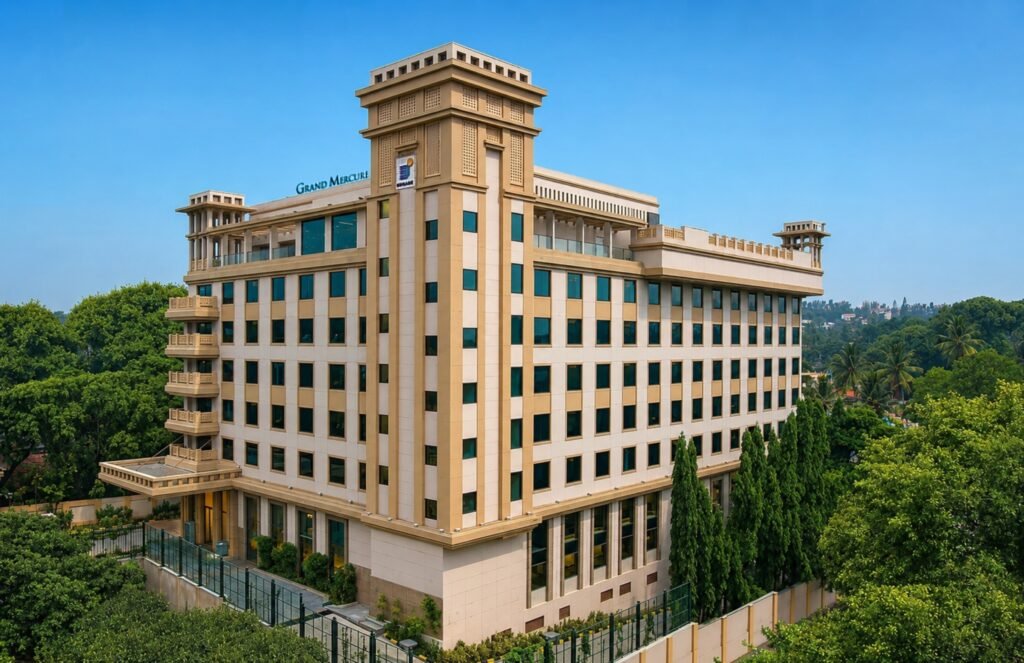
Pulkit Arora
Director, CYK Hospitalities
Travellers are increasingly seeking authentic, immersive experiences over conventional sightseeing. How can India’s destinations and hospitality industry turn local culture, cuisine, crafts, traditions and community-led experiences into compelling tourism propositions?
The biggest shift in tourism is that travellers no longer want to merely see a place; they want to feel that they have entered its world. Travel research is also pointing towards greater interest in meaningful, authentic and off-the-beaten-path experiences. For India, this is a huge opportunity because our destinations are differentiated not only by monuments, but by food, dialect, crafts, rituals, markets, music, architecture and, most importantly, people.
I believe every destination needs an “OG factor”—something genuinely rooted there that cannot be replicated convincingly elsewhere. Jaipur can combine food, crafts, bazaars, palaces and contemporary hospitality into one experience. Kumbhalgarh cannot, and should not, copy Jaipur; its proposition must emerge from its own landscape, fort history, local cuisine, villages and slower rhythm.
The same thinking needs to enter souvenirs. Earlier, many local products were perceived as inexpensive purchases. Today, travellers will pay for something local if it looks premium, tells a story and lasts. Yet at many Indian destinations, even finding a thoughtfully designed premium fridge magnet or contemporary collectible specific to that city can be difficult. Too much souvenir retail still revolves around generic printed, painted or laser-cut products.
Hotels and tourism businesses can become curators of the destination—through local breakfast trails, artisan workshops, neighbourhood walks, chef-led regional meals and well-designed local retail.
UNESCO’s current work in Taj Ganj, Agra, is a good example: artisans, families and local stories are being integrated into the heritage experience while improving market access and livelihoods.
The new luxury, therefore, is not just five-star infrastructure. It is privileged access to something authentic, beautifully presented and impossible to experience in exactly the same way anywhere else.
What role can government initiatives such as Dekho Apna Desh, Swadesh Darshan 2.0 and rural and community-based tourism programmes play in promoting lesser-known destinations and creating more meaningful local experiences for travellers?
Government has a critical role because authentic tourism cannot grow on storytelling alone. It needs roads, sanitation, public transport, safety, signage, digital information, connectivity and effective destination management. Once this basic infrastructure works, lesser-known destinations become commercially viable for hotels, restaurants, guides, artisans and experience operators.
There is already movement in this direction. Dekho Apna Desh, launched in 2020, was designed to create awareness around India’s heritage, culture and domestic destinations,
including cuisine, handicrafts and lesser-known experiences. Swadesh Darshan 2.0 takes a destination- and tourist-centric approach with sustainability, community participation and responsible tourism built into its framework.
Rural tourism can be equally significant. The Best Tourism Villages initiative recognised 36 villages in 2024 for preserving cultural and natural assets while adopting community-based and sustainable tourism practices.
However, government programmes should not make every destination look the same. Their strongest role is to create the platform—access, infrastructure, capacity building, quality standards and visibility—while communities and entrepreneurs create the personality.
India also has an unusual tourism advantage: the same geography can accommodate dramatically different budgets. A family may undertake a modest Delhi-to-Manali holiday while another traveller experiences the region through luxury hotels, private transfers and curated experiences.
For me, India remains largely unexplored. From mythology and ancient architecture to dynasties, regional cuisines and contemporary India, we have hundreds of stories still waiting to become tourism propositions.
The next opportunity is not simply attracting more tourists—it is giving people more reasons to stay, eat, explore, shop and return.
How can tourism stakeholders ensure that the growing demand for authentic local experiences translates into sustainable economic opportunities for local communities while preserving the cultural heritage and identity of destinations?
The biggest risk with “authentic tourism” is that authenticity itself becomes manufactured. If local cuisine is changed only for tourists, crafts become generic souvenirs and cultural performances are separated from the communities that created them, a destination may gain footfall while gradually losing the identity that attracted visitors in the first place.
The answer begins with local ownership. A meaningful share of visitor spending should reach local cooks, guides, artisans, farmers, performers, transport providers and homestay owners. UNESCO similarly stresses community participation and the importance of ensuring that communities benefit from tourism associated with their own cultural heritage.
We also need to upgrade the value, not simply the volume, of local products. An artisan should not have to compete only on “cheap handicraft.” Better design, packaging, storytelling, quality control and collaborations with contemporary designers can transform traditional skills into premium products without removing their origin. For food, we should first document the original recipe, ingredient, technique and story before adapting it commercially.
I also believe locals are India’s most underused destination ambassadors. I was born in Agra, yet like many people growing up beside an iconic monument, visiting the Taj Mahal was hardly a priority. Sometimes we discover our own city only when an outsider asks us about it.
I would love to see a movement around “I am discovering India from my POV”—residents documenting their own food lanes, neighbourhoods, architecture, crafts, people and hidden stories.
Government and tourism boards can amplify those voices, but increasingly, the storyteller should be the community itself.
That is when tourism moves beyond footfall: the traveller receives a richer experience, while local identity becomes an economic asset worth preserving.
Praveen Sharma
Hotel Manager, Courtyard by Marriott Ghaziabad
Travellers are increasingly seeking authentic, immersive experiences over conventional sightseeing. How can India’s destinations and hospitality industry turn local culture, cuisine, crafts, traditions and community-led experiences into compelling tourism propositions?
The definition of luxury in travel is evolving from premium infrastructure to access, authenticity and experiences that feel unique to a destination. Travellers today want to understand a place through its food, traditions, crafts and people, rather than simply visiting conventional landmarks. India is well positioned for this shift, given the distinct cultural identity of its regions.
The hospitality industry can play a key role by bringing local experiences into the guest journey – through regional cuisine, local ingredients, traditional crafts, neighbourhood experiences and collaborations with local artists and producers. Hotels can act as a bridge between travellers and communities, while ensuring that these experiences remain authentic rather than feeling curated purely as a tourism product.
Meaningful involvement of local communities can also make tourism more sustainable by creating opportunities for artisans, chefs, producers and cultural practitioners. Ultimately, local becomes the new luxury when it gives travellers a genuine sense of place, connection and discovery that cannot be replicated elsewhere.
How can tourism stakeholders ensure that the growing demand for authentic local experiences translates into sustainable economic opportunities for local communities while preserving the cultural heritage and identity of destinations?
Tourism stakeholders need to ensure that local communities are active participants and direct beneficiaries of tourism. Supporting local artisans, chefs, farmers, guides and small businesses can create economic opportunities while keeping traditional skills and practices alive.
At the same time, experiences should be developed with communities rather than simply being packaged for tourists. Responsible sourcing, authentic storytelling and community-led experiences can help strike a balance between commercial growth and preserving the cultural identity of a destination.
Remank Goel
Hotel Manager, Ramada by Wyndham Ghaziabad
“We often travel for the places we want to see, but it is the people, food and stories we encounter that eventually become the memories we take home.” By- Remank Goel, Hotel Manager, Ramada by Wyndham Ghaziabad
I think the biggest change happening in tourism today is that people are no longer satisfied with simply seeing a destination. They want to live that life, even if only for a fraction.
Pine and Gilmore’s (1999) Experience Economy Framework suggests that consumers seek memorable experiences rather than goods or services.
For me, this is not just another tourism shift. Whenever I travel, I find myself looking beyond the place. I look for experiences that help me understand how people actually live and what makes their way of life different.
I vividly remember my trip to Pulga in Himachal Pradesh’s Parvati Valley. What truly made Pulga unforgettable for me was the interaction with the locals. The interaction made me realise how different our perceptions of a place can be when we only experience it as tourists. And I think that is where the real opportunity for Indian tourism lies.
We should not ask, “What can a tourist see here?” Instead, what can a tourist experience here that they can’t experience anywhere else? would make all the difference.
Authenticity is regarded as an essential element of the tourism experience, as it fulfills travelers’ aspirations for more profound connections with local communities and practices. (Richards’
2001). A traveller may visit Jaipur to see the forts, but what they remember could be learning to dye a Sanganeri saree.
India has an incredible advantage: every region has its own story to convey. The hospitality industry can package these not as separate but as experiences. Instead of simply providing a room and a restaurant, it can become a gateway to the local destination. Existing models such as Jaipur’s Chokhi Dhani, Jaisalmer’s desert camps, or Sawai Madhopur’s jungle tourism are already doing it.
The key, however, is authenticity. The deeper level of engagement creates more memorable travel experiences. According to me, India’s other advantage is that we don’t have to invent experiences – we already have them. They exist in our villages, kitchens, farms, festivals, and communities. What is missing is not the experience but the bridge that connects it to the traveler. Hospitality can play that bridge: discovering, making them accessible and bookable, and bringing travelers into them.
The government is also beginning to recognise this shift. On September 14, Suman Billa, Additional Secretary and Director General, Ministry of Tourism, spoke about the upcoming Dekho Apna Desh 2, which is expected to give greater attention to lesser-known destinations. I think this is where we can take the conversation a little further.
What if, while identifying these destinations, we also identified the people and stories that make them special?
A lesser-known village should not become a tourist spot simply because it has received better infrastructure. Instead, it should be remembered for the woman who has been making a particular craft over decades, a chef that still cooks a traditional recipe, a local musician, a farmer who can explain about the crops, or a community that has preserved a temple and tradition for so long.
The government can create the infrastructure and the digital platforms. The hospitality can package and market these experiences. But the heart of the experience has to come from the destination itself. The next step for Indian tourism that the government can initiate is not just Dekho Apna Desh, but Jaano Apna Desh. Don’t just see India. Get to know it! The change from sightseeing to actually immersing oneself in the culture, tradition, or, as Gen Z calls it, vibes. This has brought tourists closer to the country’s diverse culture while empowering the communities that help preserve it. This move has influenced the hotel industry and has directly helped local communities. The real challenge now is not whether India can create authentic tourism experiences. It already has. Rajasthan, for example, has successfully woven its food, crafts, folk traditions, architecture, and desert landscapes into experiences that allow travellers to engage with the culture rather than simply observe it. Kashmir too offers an experience where valleys, Kahwa, pashmina, and hospitality come together to create a sense of place.
The question is what happens when the demand for these experiences becomes out of hand.
There is always a risk of places getting commercialised. A local tradition can become performative. Traditional craft can become mere demand and supply. A quiet village can become overcrowded. And in trying to make an experience more, the routes change.
This is where tourism stakeholders have to think beyond visitor numbers. The objective should be to create economic value without diluting cultural value. The most important principle here should be simple: scale the opportunity, not the culture. My opinion is to preserve what we have and to give back to the communities. Local communities need to remain participants and not a product of tourism. Their knowledge, skills, and traditions should have an economic value, but they should also have a voice in how their traditions are presented and shared.
Secondly, ensuring that a share of tourism revenue stays within the local economy. If tourists buy handicrafts, eat local food, or hire local guides, the economic benefits should reach much deeper into the destination.
Thirdly, being able to push communities to their fuller potential by supporting them for capacity building and support in terms of hospitality, marketing, storytelling, pricing, and online bookings.
At the same time, we have to recognise that not everything should be commercialised. Sustainability therefore has to mean more than environmental sustainability. It should include economic sustainability, social sustainability, and cultural sustainability.
If tourism creates jobs but gradually destroys the very culture that attracted visitors in the first place, then we have not really created sustainable tourism.
I believe the best form of tourism is one where the traveller leaves with a deeper understanding of the destination, which is related to the concept of traveller self‐actualization, or the search to find a sense of one’s own authentic self (Maslow, 1970; Steiner & Reisinger, 2006; Wang, 1999).
The future of tourism may not be about travelling farther. It may be about travelling deeper -staying longer, meeting local people, understanding their stories, and experiencing a destination through the eyes of locals and calling it a luxury to have.
Younis Khan
Hotel Manager, The LaLit Ashok Bangalore
Travellers are increasingly seeking authentic, immersive experiences over conventional sightseeing. How can India’s destinations and hospitality industry turn local culture, cuisine, crafts, traditions and community-led experiences into compelling tourism propositions?
India never has to invent a story. Every region already has one, and our job in hospitality is to share it properly. I began my career in the Front Office, where you learn quickly what a guest actually remembers. It is rarely the thread count. It is the moment that felt real: a conversation, a flavour, a person who took the time to explain. Authenticity is built from exactly those moments.
Cuisine is the easiest starting point because everyone eats. Today’s guests want to know who grew the millet, which family perfected the recipe, and why a dish is cooked the way it is. At The LaLiT Ashok Bangalore, Baluchi’s interactive kitchen lets guests watch kebabs and biryani come together, and that same spirit of transparency can extend to regional Karnataka produce, filter coffee and the wider South Indian table.
Crafts are next. Channapatna toys, Mysore silk, Bidriware and Ilkal weaves are living livelihoods, not souvenirs. A guest who spends an hour with the artisan will carry that piece home for years and tell ten people about it. Our neighbourhood is fortunate too, with Chitrakala Parishath, known for its art and craft exhibitions, close by.
Three things make these experiences compelling. First, substance: a real person and a real place, never a staged performance. Second, curation: a hotel can shape a half-day around a weaver or a heritage walk, so guests enjoy the story without worrying about logistics. Third, consistency: authentic must still mean safe, punctual, and comfortable.
Think of football, which I love: no team wins on one star. Hotels, artisans, chefs, and families all pass the ball. Bangalore, a 500-year-old city of palaces and gardens, has so much beyond
technology and traffic. When we tell those stories well, travellers stay longer, spend more, and return.
What role can government initiatives such as Dekho Apna Desh, Swadesh Darshan 2.0 and rural and community-based tourism programmes play in promoting lesser-known destinations and creating more meaningful local experiences for travellers?
Government initiatives matter because they do something no single hotel can: they change where the traveller looks.
Dekho Apna Desh, launched in 2020, gave domestic tourism a national conversation. Its People’s Choice poll and pledge invite citizens to celebrate the places they love. Domestic travellers are the backbone of Indian tourism, and when a family from Bengaluru discovers a village in Khajuraho or a fort in Rajasthan, a lesser-known destination gets its first real chance. Awareness is where every journey begins.
Swadesh Darshan 2.0 addresses what comes next. By moving from circuits to complete destinations and through Challenge-Based Destination Development, it rewards places that get the fundamentals right: connectivity, cleanliness, trained guides, digital access and local enterprise. The tribal homestay work under PM-JUGA is close to my heart, because a homestay is hospitality in its purest form. It puts a family, not a building, at the centre of the stay.
Rural and community-based programmes complete the picture, provided they are designed with the community and not merely for it. Homestays, village walks, craft cooperatives and local guides create meaningful experiences while keeping income within the village.
Hotels have a role too. We welcome thousands of guests, which makes us natural ambassadors. Our concierge desks, menus, and in-room content can point travellers beyond the city, and we can support training because service standards decide whether a village experience succeeds. A guest at The LaLiT Ashok Bangalore who has just enjoyed the city’s palaces and gardens is often ready to ask, “What else should I see?” That is our cue.
The ideal is a partnership: government builds the foundation, hotels and operators bring market access and service discipline, and communities tell their own story. When all three move together, a destination stops being “offbeat” and becomes simply worth the journey.
How can tourism stakeholders ensure that the growing demand for authentic local experiences translates into sustainable economic opportunities for local communities while preserving the cultural heritage and identity of destinations?
Demand is the easy part. The harder question is who benefits when the guest arrives.
In my experience, sustainability rests on four commitments. First, local ownership. Tourism works best when families and cooperatives own the experience, not just staff it. Where possible, hotels and operators should source directly from local farmers, artisans and guides, and pay fairly and promptly. A craftsperson who earns a dependable income has every reason to keep the craft alive.
Second, skills. Communities should not be limited to entry-level roles. Training in hospitality, guiding, food safety, digital bookings, and pricing lets local people move into management and enterprise. I began at the Front Office myself, and there is no reason a village youngster cannot follow a similar path.
Third, limits. Authenticity is fragile. Every destination has a carrying capacity, and crowding can quickly turn a living tradition into a performance. Small groups, seasonal calendars, respectful codes of conduct for visitors, and community consent on what is shared and what remains sacred will protect both the culture and the experience.
Fourth, measurement. We measure occupancy and revenue religiously; we should also track how much of the tourist rupee stays local, how many local people are employed, and how the community feels about visitors. What gets measured gets managed.
For a hotel like ours, sitting on ten acres of greenery in the middle of Bangalore, responsible choices can begin at home: local sourcing in the kitchen, artisan-made products in our spaces, and guest experiences that name the people behind them. Guests notice.
Preserving heritage is not about freezing culture. It is about letting communities decide how their traditions evolve and ensuring they are the first to benefit. If we get that right, tourism becomes a reason to protect heritage rather than a threat to it.
Devendra Parulekar
Founder of SaffronStays
1. Travellers are increasingly seeking authentic, immersive experiences over conventional sightseeing. How can India’s destinations and hospitality industry turn local culture, cuisine, crafts, traditions and community-led experiences into compelling tourism propositions? We are in an exciting time in luxury Indian hospitality. We are seeing a very interesting change from where we are travelling to how we are travelling. We are moving from “What all can we see?” to “What can we experience here that we cannot experience anywhere else?”
At SaffronStays, we have seen this shift very closely. When we started, a holiday home was largely about the home itself, a beautiful property, a good location, good food and a comfortable stay. While that still remains true, now families also want to explore what the surroundings have to offer. Be it a nature trail, coffee processing tour at Saffronstays Nandanvan Estate Kodaikanal, experience a traditional communal dining experience (Bhora Thaal) of the Dawoodi Bohra community at SaffronStays Swallows Nest, Pawna, Farm-to-fork dining with fresh, homegrown organic produce at SaffronStays Sylvan Farms, Mount Abu and seasonal dolphin sighting at Sindhudurg.
Our diversity is our biggest tourism asset- be it food, language, architecture, festivals, crafts and traditions change dramatically from one region to another. The hospitality industry has to start curating stay on. around it, and simply as an add
2. What role can government initiatives such as Dekho Apna Desh, Swadesh Darshan 2.0 and rural and community-based tourism programmes play in promoting lesser-known destinations and creating more meaningful local experiences for travellers?
I think initiatives like these are important because India doesn’t have a shortage of destinations. We need to start discovering more.
The government has a very important role to play in creating the infrastructure and enabling environment, connectivity, roads, signage, digital infrastructure, safety, basic amenities and destination development. But once you have made a destination accessible, the private sector has to make people want to go there.
That’s where hospitality businesses can contribute.
A road can take you to a village. A good tourism ecosystem gives you a reason to stay there.
3. How can tourism stakeholders ensure that the growing demand for authentic local experiences translates into sustainable economic opportunities for local communities while preserving the cultural heritage and identity of destinations?
For us at SaffronStays, the answer is community participation.
Think about the number of livelihoods that can sit around one destination: the home chef, the farmer supplying the produce, the local guide, the artisan, the driver, the person conducting a village experience, the small shop owner. Tourism can create a whole economic chain around them.
The most valuable thing we can do as a hospitality industry is preserve the character of a place. At SaffronStays, we think about hospitality as more than giving a guest a beautiful place to stay. It is about creating a relationship between the guest and the destination.
A guest has to understand the destination, know what it stands for, interact with the locals- get a slice of their life, that is when the destination comes alive and the holiday becomes more meaningful.
Ashesh L Sajnani ,
Founder of The Passport Hotel & Hotel Jewel of Chembur
1. How can India’s destinations and hospitality industry turn local culture, cuisine, crafts, traditions and community-led experiences into compelling tourism propositions?
The biggest opportunity is to stop thinking of local culture as something that needs to be packaged for tourists. It should be the foundation of the experience.
Travellers are becoming much more curious about the character of a destination. They want to know where locals eat, where they go for a drink, what music they listen to, who the local artists are and what makes one neighbourhood different from another.
Goa is a perfect example. Its identity goes far beyond beaches. There is a strong food culture, a creative community, distinctive architecture, music and an increasingly sophisticated cocktail culture. Goa is also home to bars that have received recognition through the Asia’s 50 Best Bars platform, which has helped put its cocktail scene on the global map.
This was one of the reasons we created The Passport Hotel in Assagao.
We call it India’s First Cocktail-Forward Hotel because we wanted cocktails to be part of the way a traveller experiences Goa, rather than simply something offered at a hotel bar.
But the larger idea is bigger than cocktails.
The Passport Hotel is designed as an experience-driven stay. Our guests should use the hotel as their base and then go out and discover the destination around them.
That means the hotel can introduce travellers to the neighbourhood, its food, its bars, its people, its creative community and the wider culture of Goa.
The hospitality brand becomes a gateway to the destination rather than a substitute for it.
—
2. How can the growing demand for authentic local experiences translate into sustainable economic opportunities for local communities while preserving the cultural heritage and identity of destinations?
Hotels have the ability to bring a large number of travellers into a destination, but they don’t have to capture the entire spend within their own four walls.
There is a much more interesting model where a hotel becomes a connector between its guests and the local ecosystem.
If a guest stays with us and then goes to an independent Goan restaurant, visits a local artist, discovers a neighbourhood bar, buys from a local designer or experiences something created by someone who has lived there for years, the economic value of that stay spreads beyond the hotel.
That is particularly relevant in a destination like Goa, where so much of the experience comes from independent businesses and people who have built the culture of the place.
At The Passport Hotel, this is built into our philosophy. We don’t want to recreate all of Goa inside the property. We want to give guests reasons to leave the property and discover it.
Our Stamp Collectors initiative is one manifestation of that philosophy, encouraging guests to explore Goa’s cocktail scene and collect experiences along the way.
But the larger objective is to make the traveller feel connected to the destination and, in doing so, allow the destination itself to benefit from their visit.
Authenticity also has to come with responsibility. Local culture cannot simply become a backdrop for tourism. The people and businesses that create that culture need to remain an active part of the story.
—
3. What role can hospitality brands play in encouraging travellers to explore lesser-known destinations and engage more meaningfully with the local ecosystem?
I think hotels can become curators of a destination.
When somebody checks into a hotel, they are effectively asking the property: What should I experience while I’m here?
That gives hospitality brands a powerful responsibility.
At The Passport Hotel, we deliberately chose Assagao because we wanted to be part of a neighbourhood rather than create an isolated resort experience.
Our role is not simply to provide a room. It is to help someone discover what makes this part of Goa interesting.
That could begin with a cocktail at Mini Bar, our lobby cocktail bar, and then take a guest into the wider Goa cocktail scene. It could be a recommendation for a restaurant, a local experience, an artist, a neighbourhood or somewhere completely unexpected.
The Passport Hotel’s entire concept is built around this idea of travel as discovery.
Even our name is deliberate. A passport is not about staying in one place. It is about collecting experiences and moving through destinations.
The Stamp Collectors Program brings that philosophy to life, but it is only one part of a much larger brand idea.
We want guests to leave with more than memories of their room.
We want them to leave knowing Assagao differently, Goa differently and perhaps even themselves a little differently.
I believe that is where the next generation of hospitality lies: not in making the hotel the destination, but in making the hotel the doorway to the destination.
Rajib Roy Choudhury
AVP – Vedic Village Spa Resort
How can India turn local culture into compelling tourism propositions?
Luxury travel is increasingly being associated with exclusivity, authenticity and access, rather than simply expensive facilities.
India can transform local culture into compelling experiences by allowing travellers to participate rather than simply observe. A guest could learn a traditional recipe, meet an artisan, visit a local farm, participate in a cultural performance or explore a heritage neighbourhood with a knowledgeable local guide.
The hospitality industry can curate these experiences carefully while ensuring that local communities remain the custodians and beneficiaries of their culture.
Cuisine, crafts, music, architecture, festivals and traditional knowledge can all become components of experiential itineraries.
At Vedic Village, the surrounding rural environment and Bengali cultural identity provide opportunities to connect guests with local traditions, cuisine, crafts and community experiences.
The important shift is from “seeing the destination” to “experiencing the destination.”
When designed thoughtfully, local experiences can increase visitor engagement, create employment and differentiate destinations in an increasingly competitive global tourism market.
What role can government initiatives play?
Initiatives such as Dekho Apna Desh and Swadesh Darshan 2.0 can support the development of destinations beyond conventional tourism centres by encouraging experiential, sustainable and community-oriented tourism.
Government programmes can help develop infrastructure, connectivity, visitor amenities, digital platforms, interpretation facilities and destination-management systems.
Rural and community-based tourism programmes can further enable local residents to become guides, hosts, artisans, entrepreneurs and experience providers.
The private sector can then complement public investment by creating marketable tourism products, improving hospitality standards and connecting local experiences with domestic and international travellers.
An important opportunity is to create destination circuits that combine nature, heritage, food, crafts and community experiences rather than promoting isolated attractions.
Such an approach can distribute tourist expenditure more widely and encourage travellers to explore lesser-known areas.
For the hospitality industry, these programmes create opportunities to develop partnerships with local communities and integrate authentic experiences into resort and hotel packages.
How can authentic tourism create sustainable economic opportunities?
Authenticity becomes sustainable when the community that owns or represents the culture receives meaningful economic value from tourism.
Tourism stakeholders can achieve this through local procurement, community partnerships, fair compensation for artisans and performers, local employment and support for small enterprises.
Cultural preservation should also be considered when designing experiences. Traditions should not be altered simply to satisfy visitor expectations; instead, tourism should create a respectful platform for communities to share their heritage on their own terms.
Training in hospitality, hygiene, digital marketing, storytelling and entrepreneurship can help communities participate more effectively.
Hotels can create structured partnerships with local producers and artisans rather than treating local culture merely as entertainment.
For destinations such as Vedic Village, the opportunity is to connect guests with local culture while maintaining respect for the community and environment.
The ultimate objective should be a circular tourism economy, where visitors receive authentic experiences, local communities generate income, and cultural and environmental assets are protected for future generations.
Ritwik Khare,
Founder & CEO, ELIVAAS
1.Travellers are increasingly seeking authentic, immersive experiences over conventional sightseeing. How can India’s destinations and hospitality industry turn local culture, cuisine, crafts, traditions and community-led experiences into compelling tourism propositions.
● Sightseeing to co-creating: Travellers want to participate, not just watch – cook, craft, harvest. At ELIVAAS, this starts on the plate: farm-to-table dining brings produce straight from local farms into the villa kitchen.
● Villas as cultural anchors: Our village-themed villas root guests in local architecture, courtyards and materials. The stay itself becomes the first experience of the place.
● Everyday food is the new draw: A pahadi thali here, a Goan thali there travellers now seek the meal a local family actually eats, not a fusion menu. Authenticity itself has become a luxury.
● Wellness as local ritual: Spa and yoga at ELIVAAS draw on regional traditions, not generic five-star formats – wellness of the destination, not despite it.
● Experience over geography: Guests return to Goa not for the beach, but for a favourite cafe or a feni-making session left unfinished. The pull is the experience, not the place.
● From bucket-listing to slowing down: Wellness coaches and artists now approach us to host retreats and sip-and-paint sessions proof the shift is toward stillness, not just sightseeing.
● Depth over icons: One craft, one ritual, one produce done well builds sharper recall than a checklist of monuments.
● Storytelling as infrastructure: Farm-to-table needs a farmer’s name; yoga needs its roots. Provenance matters as much as the experience.
● Community as co-owner: Real authenticity means farmers, artisans and practitioners genuinely benefit not staged, but theirs.
2. What role can government initiatives such as Dekho Apna Desh, Swadesh Darshan 2.0 and rural and community-based tourism programmes play in promoting lesser-known destinations and creating more meaningful local experiences for travellers?
● A map to follow: Swadesh Darshan 2.0 – 53 projects worth over ₹2,208 crore, plus 38 Challenge Based Destination Development projects worth nearly ₹698 crore absorbs the early-stage risk of building in unknown villages. We often scout our next property off this groundwork: once a place gets connectivity and recognition, guests follow.
● Icons to circuits: Swadesh Darshan’s theme-based circuits – Buddhist, Tribal, Rural, Heritage, Northeast, Himalayan, Craft-linked give lesser-known spots a story bigger than themselves. Guests near our scheme-recognised villas often say it was the circuit, not the standalone village, that first caught their attention.
● Where our sourcing lives: PM-Janjatiya Unnat Gram Abhiyan pivots Swadesh Darshan 2.0 toward tribal and village economies precisely where ELIVAAS sources farm-to-table produce and craft partnerships. The scheme builds community infrastructure; we build the guest experience on top.
● Demand we depend on: Dekho Apna Desh shifts traveller psychology from “known metros” to “unknown Bharat.” A real share of our bookings now come from guests asking for villages they’d never heard of proof it’s working, and what sustains our occupancy beyond peak season.
● Visibility becomes income: Once a place is scheme-recognised, guest footfall through our villas puts money directly into homestays, guides, farmers and artisans. The scheme creates visibility; hospitality converts it into recurring local income.
● The last mile is ours to close: Schemes fund the homestay cluster or craft centre – marketing, consistency and last-mile connectivity is where private players step in. A well-run villa nearby often turns a scheme launch into sustained footfall, not a one-time spike.
3. How can tourism stakeholders ensure that the growing demand for authentic local experiences translates into sustainable economic opportunities for local communities while preserving the cultural heritage and identity of destinations?
● Where the money is needed, not just where footfall already is: ELIVAAS villas sit in quieter outskirts, not just touristy pockets so guest spending reaches smaller farms, lesser-known artisans and homestay-adjacent communities a touristy address would bypass.
● Revenue must reach hands, not just headlines: Rising footfall can bypass local communities if outside operators capture the value chain. We source produce, staff and craft locally, so spending doesn’t stop at the front desk.
● Quieter locations protect the pace: Overtourism erodes authenticity faster than infrastructure. Choosing outskirt locations spreads guest flow instead of concentrating pressure on the same few sites.
● Communities need a seat before the pitch deck: Local voices should shape what’s shown and how — this prevents cultural commodification and resentment toward tourism.
● Skill development is the multiplier: Training local youth in outskirt areas as guides and hosts, rather than importing city staff, keeps value within the community.
● Certification guards against dilution: As “authentic” turns into a buzzword, clear standards, fair-trade pricing, transparent ownership, honest sourcing protect genuine operators and traveller trust.
● Measure beyond arrivals: For ELIVAAS, the real markers are local income retention, artisan livelihoods and cultural practices kept alive not just occupancy.
Karna Timbadia
Managing Director | Saj Hotels Limited
1. How can India’s destinations and hospitality industry turn local culture, cuisine, crafts, traditions and community-led experiences into compelling tourism propositions?
The biggest opportunity is to stop thinking of local culture as something that needs to be packaged for tourists. It should be the foundation of the experience.
Travellers are becoming much more curious about the character of a destination. They want to know where locals eat, where they go for a drink, what music they listen to, who the local artists are and what makes one neighbourhood different from another.
Goa is a perfect example. Its identity goes far beyond beaches. There is a strong food culture, a creative community, distinctive architecture, music and an increasingly sophisticated cocktail culture. Goa is also home to bars that have received recognition through the Asia’s 50 Best Bars platform, which has helped put its cocktail scene on the global map.
This was one of the reasons we created The Passport Hotel in Assagao.
We call it India’s First Cocktail-Forward Hotel because we wanted cocktails to be part of the way a traveller experiences Goa, rather than simply something offered at a hotel bar.
But the larger idea is bigger than cocktails.
The Passport Hotel is designed as an experience-driven stay. Our guests should use the hotel as their base and then go out and discover the destination around them.
That means the hotel can introduce travellers to the neighbourhood, its food, its bars, its people, its creative community and the wider culture of Goa.
The hospitality brand becomes a gateway to the destination rather than a substitute for it.
—
2. How can the growing demand for authentic local experiences translate into sustainable economic opportunities for local communities while preserving the cultural heritage and identity of destinations?
Hotels have the ability to bring a large number of travellers into a destination, but they don’t have to capture the entire spend within their own four walls.
There is a much more interesting model where a hotel becomes a connector between its guests and the local ecosystem.
If a guest stays with us and then goes to an independent Goan restaurant, visits a local artist, discovers a neighbourhood bar, buys from a local designer or experiences something created by someone who has lived there for years, the economic value of that stay spreads beyond the hotel.
That is particularly relevant in a destination like Goa, where so much of the experience comes from independent businesses and people who have built the culture of the place.
At The Passport Hotel, this is built into our philosophy. We don’t want to recreate all of Goa inside the property. We want to give guests reasons to leave the property and discover it.
Our Stamp Collectors initiative is one manifestation of that philosophy, encouraging guests to explore Goa’s cocktail scene and collect experiences along the way.
But the larger objective is to make the traveller feel connected to the destination and, in doing so, allow the destination itself to benefit from their visit.
Authenticity also has to come with responsibility. Local culture cannot simply become a backdrop for tourism. The people and businesses that create that culture need to remain an active part of the story.
—
3. What role can hospitality brands play in encouraging travellers to explore lesser-known destinations and engage more meaningfully with the local ecosystem?
I think hotels can become curators of a destination.
When somebody checks into a hotel, they are effectively asking the property: What should I experience while I’m here?
That gives hospitality brands a powerful responsibility.
At The Passport Hotel, we deliberately chose Assagao because we wanted to be part of a neighbourhood rather than create an isolated resort experience.
Our role is not simply to provide a room. It is to help someone discover what makes this part of Goa interesting.
That could begin with a cocktail at Mini Bar, our lobby cocktail bar, and then take a guest into the wider Goa cocktail scene. It could be a recommendation for a restaurant, a local experience, an artist, a neighbourhood or somewhere completely unexpected.
The Passport Hotel’s entire concept is built around this idea of travel as discovery.
Even our name is deliberate. A passport is not about staying in one place. It is about collecting experiences and moving through destinations.
The Stamp Collectors Program brings that philosophy to life, but it is only one part of a much larger brand idea.
We want guests to leave with more than memories of their room.
We want them to leave knowing Assagao differently, Goa differently and perhaps even themselves a little differently.
I believe that is where the next generation of hospitality lies: not in making the hotel the destination, but in making the hotel the doorway to the destination.
Vibhas Prasad
Director of Leisure Hotels Group
Travellers are increasingly seeking authentic, immersive experiences over conventional sightseeing. How can India turn local culture into compelling tourism propositions?
Luxury in travel is being redefined. Increasingly, it is not about extravagance alone, but about access to experiences that are authentic, rooted and difficult to replicate elsewhere.
India has an extraordinary advantage because every destination has its own cuisine, crafts, traditions, architecture, spirituality and stories. The opportunity for hospitality is to move beyond simply providing accommodation and become a curator of the destination. At Leisure Hotels Group, particularly across Uttarakhand, we have seen how experiences around local food, village interactions, nature, wellness, spirituality and regional traditions can create far stronger memories than conventional sightseeing.
Leisure Hotels also actively incorporates local community into the guest experience, including Chhaliya dancers and local musical performers, bringing the region’s cultural traditions into live performances.
The key is not to manufacture authenticity, but to thoughtfully connect the traveller with what already exists.
What role can government initiatives play in promoting lesser-known destinations?
Initiatives such as Dekho Apna Desh and Swadesh Darshan 2.0 can play an important role in taking tourism beyond established circuits. Their greatest impact can come from combining destination promotion with better connectivity, public infrastructure, sanitation, skill development and strong destination management.
For lesser-known destinations, visibility alone is not enough. They need an ecosystem that makes them accessible, responsible and rewarding to visit. Public and private sectors must therefore work together to create destinations, rather than merely individual tourism products.
How can authentic tourism create sustainable opportunities while preserving local identity?
Local communities must be participants and economic beneficiaries, not simply part of the backdrop. Hotels can consciously source locally, employ and train local talent, showcase regional cuisine, engage local guides, artisans and performers, and integrate community-led experiences into the guest journey.
In Corbett, our association with Sundarkhal village has included employment opportunities, hospitality training and platforms for local art and performance. We have also supported the revival of Aipan art and worked with Chhaliya dancers, while initiatives such as Ragas by the River bring Indian classical music and local Kumaoni musical troupes into the tourism experience. These efforts allow local culture to remain part of the destination as tourism grows.
At Aloha on the Ganges, the experience is similarly connected to the local character of Rishikesh through regional crafts, spiritual experiences and local engagement. Across our properties, the focus is on creating opportunities for local communities while allowing guests to experience the culture and traditions that make each destination distinctive.
Importantly, tourism should adapt to the destination rather than forcing the destination to adapt to tourism. If growth respects local culture, carrying capacity and the environment, tourism can become a powerful means of preserving heritage while creating livelihoods.
For me, that is the real promise of experiential tourism: when the traveller leaves with a deeper understanding of the destination, and the destination is better off because the traveller came.
Mehardeep Singh
Director of Acquisition and Development at Rubystone Hospitality
Travellers are increasingly seeking authentic, immersive experiences over conventional sightseeing. How can India’s destinations and hospitality industry turn local culture, cuisine, crafts, traditions, and community-led experiences into compelling tourism propositions?
Traditional form of touism are more satisfied in comparisson of Modern-day tourists. Instead, they are looking for an opportunity to engage with their destination. There are endless possibilities for India since everything about such exciting places is unique regarding their culture, food, craft, and history.
What is required is a paradigm shift in the approach of the hospitality industry in its approach from offering accommodation to acting as a bridge to the destination. Hospitality properties can provide such experiences to the visitors where they get an opportunity to interact with locals, learn about their cuisine, visit artisanal clusters, take part in craft workshops, discover unexplored cultural destinations, and understand festivals and traditions.
Destination hotels, more so in tier-2 cities and destinations meant for leisure purposes, have a tremendous potential in this regard. In contrast to offering a generic experience to the visitor in different places, hotels can tailor-make their experiences on the basis of uniqueness of the destination. A visitor to Udaipur, for example, will get as authentic an experience as far as local cuisine, art, and traditions are concerned as visiting local sights.
Authenticity is what counts here. Local culture must not be seen merely as a product to sell to tourists; it needs to be treated with respect and cooperation from those preserving it. Hospitality companies may collaborate with local cooks, artists, tour guides, actors, and entrepreneurs to generate business experiences that would have value and meaning to tourists.
In addition, this could allow destinations to develop distinctive tourism experiences that will help them differentiate among their increasingly tough competition. The reason is that once tourists leave photos behind and learn about the destination, the latter will remain memorable for longer.
What role can government initiatives such as Dekho Apna Desh, Swadesh Darshan 2.0 and rural and community-based tourism programmes play in promoting lesser-known destinations and creating more meaningful local experiences for travellers?
“Dekho Apna Desh” and “Swadesh Darshan 2.0” like things have the potential to be milestones to sphere of Indian tourism. These initiatives can act as pathways for more underexploited destinations and can encourage travelers to explore off the beaten track. The real benefit of these programs would be in generating an environment wherein new destinations get more visibility, have better infrastructure and support, and tourism is developed in a more structured way.
Travellers may just discover a destination, but there is much more than that which needs to be done in order to have a good travel experience. Factors such as connectivity, accessibility, accommodation, sanitation, signage, information availability and trained local service providers are very important. Destination development programs led by the government may be able to meet some of these basic requirements and make destinations easier for travellers to visit.
The next challenge is to combine the development of infrastructure with the development of the local economy. There is no doubt about the fact that many emerging destinations have unique local food habits, handicrafts, heritage, natural attractions and local community practices, but all these factors need to be effectively packaged and communicated to tourists.
The hospitality industry can support the activities of the government by developing an itinerary that will be based on their destination. In other words, the hotels can team up with the local guides, artisans, and local activities that will give the tourists an authentic experience. It will ensure that the tourists spend more time in the destination and also make their expenditure at various localities.
Tourism programs that focus on rural and community-based tourism will prove to be beneficial as they will generate revenue in those places which otherwise don’t have much to do with conventional tourism. However, the development needs to be done with a participatory approach involving the locals and the capacity of the destination itself. An increase in the number of visitors cannot be the only measure of success.
The key idea is to develop destinations that have well-integrated infrastructure, the hospitality industry, and the locals themselves. If the government programs provide the right environment and the private sector provides experience design and market access, then India will be able to diversify its tourism industry and offer tourists something outside the regular tourist destinations.
How can tourism stakeholders ensure that the growing demand for authentic local experiences translates into sustainable economic opportunities for local communities while preserving the cultural heritage and identity of destinations?
An increase in desire for authenticity opens up valuable economic prospects for the local community, but the success of this model will be possible only by making sure that local communities are participants in tourism and do not just become the tourist attraction itself.
A very useful approach is to develop better linkages between hospitality establishments and local business people. Local restaurants can take advantage of using local products, working together with local craftsmen, hiring local guides and entertainers, and including local business services for tourists in their programs. It is always beneficial when a higher percentage of the tourism revenue stays at the destination and creates chances for small businesses and craftsmen.
However, there are tremendous opportunities for destination hotels to adopt the philosophy of the region.Local cuisine, décor items made of regional products, regional crafts and unique
regional experiences can bring a sense of belonging and, at the same time, provide markets for the local crafts.
Moreover, in conserving the cultural heritage of any place, one has to be aware of what can and cannot be commercially exploited. Everything need not turn into a tourist spot. It must be recognised that the community must have a right to determine the way in which their culture, tradition, and heritage are presented as a tourist product. Some of the concerns that tourism industry people must consider include issues such as overcrowding.
As a result, the concept of sustainability has to go beyond being environmentally sustainable. Social, cultural and economic sustainability should be considered as well. Capacity building for the locals and partnerships with hotels and destination management organisations can allow locals to gain access to larger markets.
The goal is to develop a sustainable tourism model whereby the identity of a destination would be reinforced and enhanced by tourism rather than diluted. When locals derive economic benefit from tourism and keep control of their story, authentic experience becomes sustainable for locals as well as for tourists.
In this regard, the development of sustainable tourism in India would mean a transformation of its hospitality industry into a destination-centric one.
Amol Dhurve
General Manager of IRA by Orchid, Nashik
1. How can India’s destinations and hospitality industry leverage local culture, cuisine, crafts, traditions and community-led experiences to create compelling tourism propositions?
Today’s traveller is looking for more than just a comfortable stay; they want to understand the destination and experience it in a more meaningful way. Hospitality can play an important role by bringing the local character of a destination into the guest experience. In Nashik, for instance, our identity is closely connected with its vineyards, rich culinary traditions, temples, local markets and the culture of the region. Hotels can introduce guests to these aspects through regional food experiences, local ingredients, curated vineyard visits, interactions with local artisans and experiences that showcase the everyday culture of the destination.
When these experiences are presented thoughtfully rather than as a commercial add-on, they give travellers a stronger sense of place and also make the destination itself a part of their stay.
2. What is the role of government initiatives such as Dekho Apna Desh, Swadesh Darshan 2.0, and rural/community-based tourism programmes in promoting lesser-known destinations?
Government initiatives have an important role in bringing attention to destinations beyond the usual tourist circuits. Programmes such as Dekho Apna Desh and Swadesh Darshan 2.0 can help create greater awareness around regional destinations while encouraging better infrastructure, connectivity and tourism development.
For destinations like Nashik, such initiatives can further highlight the region’s diverse offerings beyond its established identity as a pilgrimage and wine destination. Better promotion of local experiences, rural areas and cultural attractions can encourage travellers to explore the wider region and spend more time at the destination.
3. How can the tourism industry ensure authentic local experiences create sustainable economic opportunities for communities while preserving cultural heritage and identity?
The key is to ensure that local communities are participants in tourism rather than simply being part of the experience offered to visitors. Hotels and tourism businesses can work with local farmers, artisans, guides, chefs and small businesses, creating opportunities for them to contribute their skills and benefit economically.
At the same time, authenticity should not come at the cost of the culture itself. Experiences need to be developed with sensitivity towards local traditions and should avoid over-commercialising them. When tourism creates a genuine connection between visitors and the community while ensuring that the economic benefits reach local stakeholders, it can become a sustainable way of preserving both livelihoods and cultural identity.

Gaurav Shiva,
General Manager, The Orchid Hotel Mumbai
• Travelers are increasingly seeking authentic, immersive experiences over conventional sightseeing. How can India’s destinations and hospitality industry turn local culture, cuisine, crafts, traditions and community-led experiences into compelling tourism propositions?
The fundamental shift we are seeing in travel is from consumption to participation. Travellers are no longer satisfied with simply visiting a monument or ticking a destination off their list; they want to understand the character of a place and feel a genuine connection with it.
For India, this represents a significant opportunity because our cultural diversity is itself a tourism asset. Cuisine, crafts, performing arts, festivals, local traditions and community stories can all become experiential propositions when they are thoughtfully curated and integrated into the destination journey.
From a hospitality perspective, the role of a hotel is increasingly that of a destination curator and connector. We can introduce guests to local experiences, regional cuisine, artisans and communities and help create a seamless journey between the hotel and the destination.
But the strategic opportunity is to move beyond creating individual experiences and develop distinct destination identities. If a region can identify what makes it culturally and experientially unique, build a strong proposition around it and connect that proposition with accommodation, accessibility and local enterprise, it can create a compelling reason for travellers to visit—and potentially stay longer.
The real competitive advantage for India will be our ability to transform cultural diversity into well-curated, high-quality experiences without compromising authenticity.
• What role can government initiatives such as Dekho Apna Desh, Swadesh Darshan 2.0 and rural and community-based tourism programmes play in promoting lesser-known destinations and creating more meaningful local experiences for travelers?
Government initiatives can play the role of an enabler and ecosystem builder. Promoting lesser-known destinations requires much more than marketing. It requires coordinated development across connectivity, infrastructure, skills, digital visibility, accommodation, visitor services and more.
Initiatives such as Dekho Apna Desh and Swadesh Darshan 2.0 are important because they create a framework for developing destinations beyond the traditional tourism centres. The next opportunity is to integrate local communities and the private sector more deeply into that framework.
For example, a destination should not be promoted only around a landmark. Its entire proposition can be developed around its cuisine, crafts, natural environment, heritage, festivals and community experiences. This creates a more diversified tourism economy and gives travellers more reasons to visit and stay longer.
I also believe public-private collaboration will be critical. Government can create the infrastructure, policy framework and destination visibility, while the hospitality and tourism industry can bring expertise in experience design, service standards, distribution and global marketing.
If we get that partnership right, we can move from destination promotion to destination development—which is ultimately what will make emerging destinations sustainable in the long term.
• How can tourism stakeholders ensure that the growing demand for authentic local experiences translates into sustainable economic opportunities for local communities while preserving the cultural heritage and identity of destinations?
In my opinion, the first thing we need to recognise is that the community has to be at the centre of the experience.
If we are showcasing a local craft, cuisine or tradition, the people who have preserved that tradition should also be the ones who benefit from the tourism it generates.
So, we need to look at the entire local ecosystem—artisans, farmers, food producers, guides, small businesses, transport operators and community entrepreneurs. The objective
should be to ensure that tourism creates opportunities across that ecosystem and not just for the larger tourism businesses.
At the same time, we have to be careful about how we commercialise culture. Authenticity cannot simply become a product. There needs to be respect for local traditions, sensitivities and the community’s way of life.
When communities see real economic value in their culture and traditions, they are more likely to preserve and pass them on to the next generation.
So, for me, sustainable tourism is really about finding that balance—giving the traveller an authentic experience, creating economic value for the community and protecting what makes the destination special in the first place.
Chef Vishal Chandnani
Director of Culinary – The Orchid Hotel, Mumbai
What role can initiatives such as Swadesh Darshan 2.0, Dekho Apna Desh and Challenge-Based Destination Development play in building India’s culinary tourism infrastructure and taking food tourism beyond major cities?
I think these initiatives can play a very important role in giving culinary tourism a more structured ecosystem. India already has the food, the traditions and the regional diversity; what we need is to connect these strengths with tourism infrastructure and organised experiences.
For example, under destination development programmes, culinary trails can be developed around specific regions, ingredients or food traditions. This could include local markets, farms, traditional kitchens, food producers, community-run experiences and regional festivals. It would give travellers a reason to spend more time in a destination and, importantly, ensure that the economic benefits reach local communities.
Dekho Apna Desh can also help create greater awareness around India’s regional food cultures and encourage travellers to explore beyond the familiar metropolitan and tourist centres. Similarly, Swadesh Darshan 2.0 and Challenge-Based Destination Development can help destinations build the infrastructure required to support these experiences—from visitor facilities and connectivity to interpretation, branding and curated tourism circuits.
From a chef’s perspective, I see a tremendous opportunity to connect the culinary expertise of the hospitality industry with these destination initiatives. Chefs can help document and showcase local recipes, work with regional producers, develop authentic food experiences and bring lesser-known ingredients into the wider culinary conversation.
The larger opportunity is to move from simply promoting Indian food to promoting the places, people and traditions behind that food. If these initiatives can create that connection between destination, cuisine and community, culinary tourism can become a meaningful part of India’s tourism economy and take travellers much further beyond the major cities.


Debaditya Chaudhary
(Managing Director – Chowman, Oudh 1950, Chapter 2, & Chaudhary and Company)
Q1. Travellers are increasingly seeking authentic, immersive experiences over conventional sightseeing. How can India’s destinations and hospitality industry turn local culture, cuisine, crafts, traditions and community-led experiences into compelling tourism propositions?
Nowadays travellers are looking for more than just a destination; but are rather looking for a story they can experience and take back with them. Being a traveller myself, I’ve always felt that the most memorable experiences come from discovering a place through its food, people and culture, rather than simply visiting its popular landmarks. This is where our country has an advantage because of its diversity. Every region has its own food, traditions, craftsmanship, festivals and way of life.
Cuisine, in particular, has a powerful connection to the local culture. When a traveller experiences a regional dish, hears the story behind it or interacts with the people who have preserved that tradition, it enhances the traveller’s experience and becomes far more meaningful than simply visiting a landmark. For us at Chowman, food has always been about creating an experience around Asian cuisine and its stories. The larger opportunity for Indian hospitality is to make local food and culture a bridge between the traveller and the community, allowing visitors to experience a destination through its people and flavours.
Q2. What role can government initiatives such as Dekho Apna Desh, Swadesh Darshan 2.0 and rural and community-based tourism programmes play in promoting lesser-known destinations and creating more meaningful local experiences for travellers?
I think initiatives like Dekho Apna Desh and Swadesh Darshan 2.0 can play a key role in bringing lesser-known destinations into the spotlight by improving their infrastructure and visibility.But I believe the real experience comes from connecting travellers with the local community, through food, crafts, traditions and everyday life. Social media and content creators can further help local communities tell these stories to a wider audience. If we combine infrastructure with authentic local experiences and storytelling, we can make travel more meaningful while also creating opportunities for local businesses and entrepreneurs.
Q3. How can tourism stakeholders ensure that the growing demand for authentic local experiences translates into sustainable economic opportunities for local communities while preserving the cultural heritage and identity of destinations?
I believe the people and communities who have preserved these traditions over generations should remain at the heart of the tourism experience. From a hospitality perspective, I feel we can contribute by working more closely with local chefs, artisans, farmers and producers, and by giving them a platform to share their stories and skills. This will create economic opportunities and also helps keep local traditions alive.
I think local cultural experiences are personal, genuine and cannot be easily replicated.These experiences become more popular, it is important that we preserve what makes them special rather than changing them just to cater to tourists. If we get that balance right, tourism can benefit both the traveller and the communities that make these experiences unique.
Sandeep Basu ,
CEO, OPO Hotels and Resorts
1. Travellers are increasingly seeking authentic, immersive experiences over conventional sightseeing. How can India’s destinations and hospitality industry turn local culture, cuisine, crafts, traditions and community-led experiences into compelling tourism propositions?
For today’s travelers, Luxury is no longer defined by how much money a hotel displays, but by how rich, rare and genuine the experience feels. True luxury lies in living a region’s distinct story. However, turning local culture into a compelling proposition cannot be achieved by hospitality brands acting in isolation—it requires an ecosystem-wide shift.
A shift is required from the provision of transactional services to destination storytelling. We need to stop treating guests like basic customers and start telling the real story of our destination. This can be done through cooperation between the hotel owners, tour guides, locals and chefs. When we make regional culture the main attraction, rather than just a side activity, we create richer experiences for travelers and better profits for everyone involved.
2. What role can government initiatives such as Dekho Apna Desh, Swadesh Darshan 2.0 and rural and community-based tourism programmes play in promoting lesser-known destinations and creating more meaningful local experiences for travellers?
Initiatives such as Dekho Apna Desh and Swadesh Darshan 2.0 are some of the important drivers that are necessary for decentralized tourism in India. The stress laid on destination management, last-mile connectivity and rural circuit are beneficial in making sure that tourists shift from overcrowded tourist destinations to newer ones.
For private hospitality and tourism providers, these policies will offer the right direction in terms of growth and collaboration between the public and private sector. With the government investing in infrastructure and promoting unexplored heritage sites, the private sector can easily invest in eco-friendly, regional development without fear. This will help the industry develop local capacity as well as skills among rural youth.
3. How can tourism stakeholders ensure that the growing demand for authentic local experiences translates into sustainable economic opportunities for local communities while preserving the cultural heritage and identity of destinations?
In order to ensure that local communities get the benefits of tourism without compromising on their identities, tourism enterprises have to serve as stewards and not just money-making machines. Economic sustainability starts with hyper-local sourcing, where money is directed directly to local guides, regional farmers, traditional craftsmen and culture custodians, rather than any outside intermediaries. Likewise, in order to preserve culture, capacity management and respect will be required. It is imperative for us to set rules for guests, manage footfall at delicate cultural sites, and avoid monetizing any sacred practices. The reinvestment of a fixed percentage of tourism revenue into the local community through their infrastructure, heritage preservation, and healthcare will allow hotel operators to convert tourism into a restorative relationship.

Gayathiri OM,
Executive Director, Mango Hill Hotels
“World Tourism Day is an opportunity to reflect on how travel is evolving and what travellers increasingly value from a destination. Today, luxury in travel is moving beyond opulence to encompass authenticity, a sense of place and meaningful connections with the destination. Travellers are increasingly seeking experiences that allow them to discover the local character of a place through its culture, cuisine, architecture, landscapes and way of life.
This shift is particularly relevant to South India, where every destination offers a distinct travel experience. At Mango Hill Hotels, our presence across destinations such as Kodaikanal, Ooty, Yercaud, Pondicherry, Auroville, Velankanni, Coimbatore and Chennai gives us a close understanding of the diverse ways people travel across the region. A hill retreat, a coastal escape, a pilgrimage destination or an urban stay each brings its own sense of place, and this is increasingly becoming an important part of the guest experience.
Jose Rampauram
Executive Director, Marketing, Evolve Back
Travellers are increasingly seeking authentic, immersive experiences over conventional sightseeing. How can India’s destinations and hospitality industry turn local culture, cuisine, crafts, traditions, and community-led experiences into compelling tourism propositions?
In our experience, the starting point is to stop treating culture as an add-on to a stay and start treating it as the reason for the stay. For years, the hospitality sector positioned heritage and craft as a backdrop, something a guest might notice in passing rather than actively seek out. That framing is, however, changing. Travellers today want to understand a place, not simply pass through it, and that shifts the burden onto hospitality brands to build experiences rooted in genuine local knowledge rather than curated performance.
In practice, this means working closely with local communities rather than around them. A resort that partners with regional artisans, cooks and guides, and gives them real ownership of the experience, tells a far more credible story than one that recreates local motifs in isolation. At Evolve Back, we have found that guests respond most strongly to experiences that feel specific to a place and its people, whether that is a meal built around regional ingredients and cooking traditions, or a guided tour led by someone who has lived that history rather than merely studied it.
Organically, the commercial case is just as strong as the cultural one. Propositions built on authenticity are harder to copy, because they depend on relationships and knowledge that cannot easily be replicated elsewhere. For India, with its density of regional cuisines, crafts and living traditions, this is a considerable advantage. The onus now is on hospitality brands to convert that richness into experiences that are well designed, properly resourced and consistently delivered, rather than left as background colour.
What role can government initiatives such as Dekho Apna Desh, Swadesh Darshan 2.0 and rural and community-based tourism programmes play in promoting lesser-known destinations and creating more meaningful local experiences for travellers?
The government initiatives are a win-win because they address a gap that the private sector cannot close alone, which is awareness. India has no shortage of destinations with genuine cultural and natural depth, but many remain unknown to the average traveller simply because they have never been positioned as a destination in the first place. Programmes such as Dekho Apna Desh, which actively promotes lesser-known locations, and Swadesh Darshan 2.0, which has moved towards a more destination-centric, sustainability-led model of development, give these places a platform they would otherwise struggle to reach.
What is encouraging about the current direction of Swadesh Darshan 2.0 is its emphasis on sustainable and responsible development, and on strengthening tourism framework, services and local capacity together rather than infrastructure alone. That is precisely the foundation hospitality brands need to build meaningful experiences on. A well-planned circuit with reliable connectivity and trained local stakeholders makes it possible for a resort or property to design experiences that genuinely serve the destination, rather than experiences that exist despite it.
For a brand like ours (Evolve Back), this creates real opportunity. Many of these emerging or lesser-known destinations sit alongside the kind of heritage and landscape we are drawn to already. Government-led groundwork on infrastructure and community readiness allows us to focus on what we do well, designing the guest experience itself, in partnership with the people who call these places home.
How can tourism stakeholders ensure that the growing demand for authentic local experiences translates into sustainable economic opportunities for local communities while preserving the cultural heritage and identity of destinations?
This is the question that determines whether the current interest in authentic travel becomes a lasting shift or simply another trend. The risk with any growing demand is that it gets met quickly and superficially, through experiences that borrow the aesthetics of a place without involving the people who created them. Avoiding that requires intent from every stakeholder in the chain, from government bodies to hospitality brands to the communities themselves.
The most reliable safeguard is economic inclusion. When local communities have a direct financial stake in tourism, whether through employment, sourcing, or shared ownership of experiences, they have both the incentive and the standing to protect what makes their culture distinct. Heritage tends to be preserved by the people who benefit from it, not by policy alone. Hospitality brands have a particular responsibility here, sourcing locally, training and employing from the community, and ensuring that revenue from cultural experiences reaches the people delivering it, not just the property hosting them.
Equally important is pacing. Destinations opened up too quickly, without the infrastructure or community readiness to absorb demand, often seeing their character erode under the weight of visitor numbers. Responsible growth means matching promotion with preparedness. Done well, tourism does not compete with cultural preservation; it funds it, giving communities a sustainable reason to keep their traditions alive rather than let them fade.

Naveen Kandhol
Mixologist at Urban Italia, Dallas, TX
India’s tourism landscape is evolving as travellers increasingly look beyond conventional sightseeing towards experiences that offer meaningful connections with local culture, heritage and communities. For destinations and hospitality businesses, this shift presents an opportunity to transform cultural assets into thoughtfully designed tourism experiences while ensuring that authenticity remains central to their development.
The key lies in moving from simply showcasing culture to enabling travellers to actively experience it. Local culinary workshops, heritage walks, traditional craft demonstrations, village experiences and community-led storytelling can provide visitors with deeper insights into a destination’s identity. These experiences become more compelling when local residents, artisans, chefs and cultural practitioners are involved in their design and delivery.
Hotels and resorts can support this approach by partnering with local communities and integrating regional traditions into guest experiences. Curated food trails, farm-to-table dining, craft workshops and cultural evenings can extend the travel experience beyond the property while creating opportunities for local entrepreneurs.
Tourism boards also have an important role in developing structured cultural circuits, promoting lesser-known destinations and investing in infrastructure, training and digital storytelling. Effective destination branding should communicate the uniqueness of local traditions without reducing them to commercial stereotypes.
Sustainability and community participation must underpin this growth. Fair compensation for artisans and service providers, responsible visitor management and respect for cultural practices are essential to ensuring that tourism benefits host communities.
The opportunity for India lies in its extraordinary diversity, from regional cuisines and traditional crafts to living heritage and indigenous knowledge systems. By combining professional hospitality standards with community-led authenticity, destinations can create experiences that appeal to global travellers while preserving their cultural foundations. The future of immersive tourism will depend not only on what visitors see, but on how meaningfully they connect with the people and traditions behind each experience.