India to Add 11 New Flying Training Organisations, Raising Pilot Training Capacity by 750 Cadets Annually
Civil Aviation Minister Ram Mohan Naidu awards Letters of Intent across seven AAI airports and launches digital FTO IFR Slot Booking App Key Highlights 11 new Flying Training Organisations (FTOs) to be established across seven AAI airports New

Civil Aviation Minister Ram Mohan Naidu awards Letters of Intent across seven AAI airports and launches digital FTO IFR Slot Booking App
Key Highlights
- 11 new Flying Training Organisations (FTOs) to be established across seven AAI airports
- New FTOs expected to add 750 pilot training slots annually
- India currently has 41 FTOs operating across 63 flying bases
- Commercial Pilot Licences (CPLs) rose from 1,347 in 2024 to 1,652 in 2025
- Indian airlines have 1,640 aircraft on order
- Nearly 500 aircraft expected to be inducted over the next five years
- FTO training aircraft increased from 324 to 385 over the past two years
- New FTO IFR Slot Booking App launched for digital slot management
New Delhi, August 5, 2026: India is expanding its pilot training infrastructure with the establishment of 11 new Flying Training Organisations (FTOs) across seven Airports Authority of India (AAI) airports.
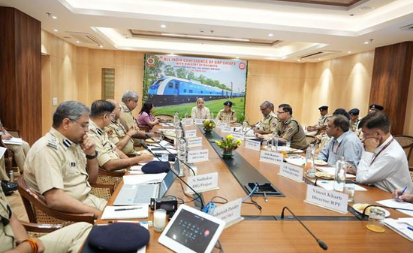
Union Minister of Civil Aviation Ram Mohan Naidu Kinjarapu awarded Letters of Intent (LoIs) for the new FTOs, which are expected to increase India’s annual pilot training capacity by approximately 750 cadets.
The expansion comes as India’s commercial aviation sector prepares for significant fleet growth and rising demand for trained aviation professionals.
Pilot Training Capacity Set to Expand
India currently has 41 FTOs operating from 63 flying bases across the country.
Over the past two years, six new FTOs have already been established, while the number of training aircraft operated by Indian FTOs has increased from 324 to 385.
This has contributed to a reported 25% increase in annual flying hours across the pilot training ecosystem.
The growth is also reflected in pilot licensing. The number of Commercial Pilot Licences issued increased from 1,347 in 2024 to 1,652 in 2025, the highest annual figure in the past decade. The Government expects the number to increase further in 2026.

India’s Airline Fleet Expansion Drives Demand
The expansion of pilot training infrastructure comes against the backdrop of significant aircraft orders by Indian airlines.
According to the Civil Aviation Ministry, Indian airlines currently have 1,640 aircraft on order, with nearly 500 aircraft expected to enter the Indian fleet over the next five years.
The Government believes expanding domestic pilot training capacity will help create a stronger pipeline of aviation professionals to support this fleet expansion.
The Minister described the objective as “Train in India, Fly in India”, linking domestic training capacity with India’s wider aviation growth and self-reliance ambitions.
Policy Reforms Target Pilot Training Costs and Efficiency
The Government has introduced several measures to strengthen India’s FTO ecosystem, including liberalisation of the FTO policy, abolition of airport royalties and rationalisation of land rentals.
The Commercial Pilot Licence examination process has also been digitised. Students can manage examination applications through the Pariksha Portal, including computer number generation.
India has also moved towards electronic pilot licensing, with the country described by the Ministry as the second country to issue electronic licences.
DGCA Ranking Framework Aims to Improve FTO Standards
The DGCA FTO Ranking Framework has been introduced to make pilot training more transparent and data-driven for students and their families.
The Civil Aviation Minister said the framework has already contributed to a reduction in Category ‘C’ FTOs and an increase in Category ‘B’ FTOs.
The Indian Government’s flying training ecosystem is also seeing higher aircraft utilisation.
IGRUA recorded an average of 1,765 flying hours per aircraft annually over the last six months, compared with a global benchmark of around 1,500 hours.
The academy also reported a 27% increase in revenue during FY 2025–26 and ended the year with a budget surplus after more than two decades of recurring deficits.
Focus on Indigenous Trainer Aircraft
The Government is also promoting the development of indigenous trainer aircraft.
Progress on HANSA-3 (NG) was highlighted as an important step towards creating a more self-reliant aviation training ecosystem.
Developing domestic training aircraft could eventually complement India’s expanding FTO network and reduce dependence on imported training platforms.
New Digital App for FTO IFR Training Slots
During the event, the Civil Aviation Minister launched the FTO IFR Slot Booking App.
The mobile application has been developed to facilitate Instrument Flight Rules (IFR) training and improve the utilisation of available airport infrastructure.
FTOs will be able to view available IFR training slots at AAI airports and submit slot booking requests digitally.
The system is intended to provide greater visibility and support more efficient and fair utilisation of airport capacity for pilot training.
Safety Remains a Key Focus
While expanding capacity, the Government has stressed that aviation safety must remain central to pilot training.
The Civil Aviation Minister called for stronger instructor oversight, strict adherence to standard operating procedures and a deeper safety culture across FTOs.
This focus will be particularly important as India scales up both pilot training and commercial aircraft operations.
What It Means for Travel, Tourism and Hospitality
The expansion of India’s pilot training ecosystem supports the country’s broader aviation connectivity growth, which is closely linked to tourism and hospitality.
More trained pilots will be required as Indian airlines expand their fleets, add routes and increase flight frequencies. Over time, greater aviation capacity can improve connectivity to emerging leisure and business destinations.
For hotels, resorts and destination operators, expanded domestic and regional air connectivity can translate into larger visitor catchments, shorter travel times and stronger tourism flows.
The development of aviation infrastructure and workforce capacity could be particularly relevant for developing tourism destinations that depend heavily on air access.
The initiative also strengthens India’s position as an aviation training hub, potentially creating opportunities for aviation education tourism, international trainee demand and associated accommodation and service businesses around major training centres.
Bottom Line: The addition of 11 FTOs and 750 annual training slots marks another step in India’s effort to build the workforce needed for its rapidly expanding aviation market. With 1,640 aircraft on order and nearly 500 expected to be inducted over the next five years, the growth of pilot training capacity could ultimately support India’s connectivity, tourism and hospitality sectors.