Madhya Pradesh Fisheries Conclave 2026 to Drive Investment in Fish Processing, Cold Chains and Seafood Exports
Bhopal conclave to bring together over 1,000 fish farmers, investors and exporters; new investment guidelines aim to strengthen inland fisheries value chains and market access Key Highlights Fisheries Investors & Exporters Conclave 2026: Scheduled for 23 October
Bhopal conclave to bring together over 1,000 fish farmers, investors and exporters; new investment guidelines aim to strengthen inland fisheries value chains and market access
Key Highlights
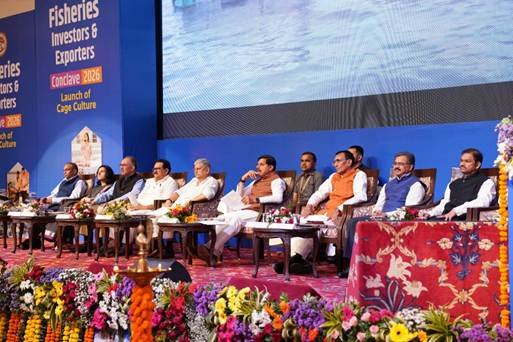
- Fisheries Investors & Exporters Conclave 2026: Scheduled for 23 October in Bhopal, bringing together investors, exporters, entrepreneurs and more than 1,000 fish farmers.
- New investment guidelines: Madhya Pradesh Fisheries Investment and Export Guidelines, 2026, to support investment across production, processing, logistics and marketing.
- India’s inland fisheries contribution: Inland fisheries produced 151.60 lakh tonnes out of India’s total 197.75 lakh tonnes of fish production in 2024–25.
- ₹73,890 crore in seafood exports: India’s seafood exports reached this value in 2025–26, highlighting opportunities for processing and export-oriented businesses.
- Hospitality and food industry potential: Expanded processing, cold-chain facilities and value-added fish products could improve supply opportunities for hotels, restaurants and catering businesses.
Bhopal to Host Fisheries Investment and Export Conclave
Madhya Pradesh is set to strengthen its inland fisheries investment ecosystem with the Fisheries Investors & Exporters Conclave 2026, scheduled for 23 October in Bhopal. The event is being organised by the Department of Fisheries, Government of Madhya Pradesh, in collaboration with the Department of Fisheries under the Union Ministry of Fisheries, Animal Husbandry and Dairying.
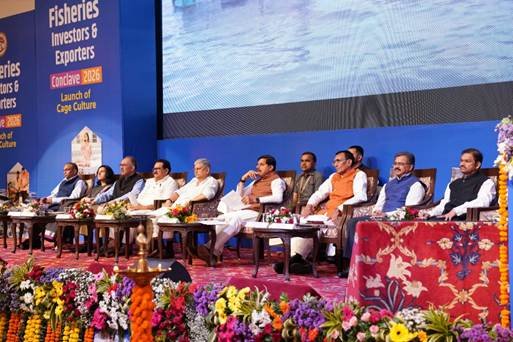
The conclave aims to connect inland fish production with investment, processing, cold-chain infrastructure, value addition and domestic and international markets. The focus is on developing an integrated fisheries value chain that can improve market access, expand business opportunities and increase returns for fish farmers.
More than 1,000 fish farmers from across Madhya Pradesh are expected to participate alongside investors, exporters, fisheries cooperatives, Fish Farmer Producer Organisations (FFPOs), start-ups, processors, financial institutions and research organisations.
Discussions will cover enterprise development, access to finance, market linkages and opportunities to integrate inland states into India’s fisheries investment and export network.
Madhya Pradesh to Release Fisheries Investment and Export Guidelines 2026
A major highlight of the conclave will be the release of the Madhya Pradesh Fisheries Investment and Export Guidelines, 2026.
Madhya Pradesh has been notified by the Centre as a Reservoir Fisheries Cluster. The new guidelines are intended to facilitate investment across multiple segments of the fisheries value chain, including:
- Hatcheries, fish seed and feed production.
- Reservoir fisheries and cage culture.
- Aquatic animal health and fish farming support services.
- Fish processing and value-added products.
- Cold storage, refrigerated transportation and logistics.
- Market development and export-oriented infrastructure.
The programme will also feature the release of Standard Operating Procedures (SOPs) on the export potential of inland states and the virtual inauguration of Integrated Cage Culture Units.
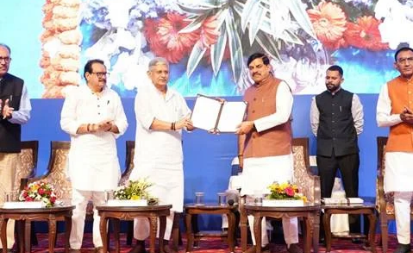
Union Minister for Fisheries, Animal Husbandry and Dairying and Panchayati Raj Rajiv Ranjan Singh alias Lalan Singh is scheduled to hand over administrative approval for the Integrated Development of Reservoirs and Amrit Sarovars in Madhya Pradesh.
These initiatives are intended to encourage productive utilisation of water resources while creating opportunities for investment, entrepreneurship and employment across the fisheries sector.
Inland Fisheries Account for Nearly Three-Fourths of India’s Fish Production
India’s fisheries sector continues to offer significant opportunities for food production, processing and trade. According to the Department of Fisheries, India’s total fish production reached 197.75 lakh tonnes in 2024–25, with inland fisheries contributing 151.60 lakh tonnes, or nearly three-fourths of the total.
India’s seafood exports were valued at ₹73,890 crore in 2025–26, underlining the importance of processing capacity, logistics and market connectivity in the wider seafood economy.
Madhya Pradesh has nearly 4.50 lakh hectares of water area, providing a substantial resource base for inland fisheries development. The state’s reservoir and inland water resources offer scope for expanding fish cultivation, cage culture, processing and distribution.
The conclave seeks to connect this production potential with investment and market demand, helping inland producers access commercial buyers and explore opportunities beyond local markets.
Fish Processing and Cold Chains Offer New Business Opportunities
The proposed investment framework could support businesses across the fisheries supply chain, from fish seed and feed production to processing, packaging, storage and transportation.
For processors and entrepreneurs, improved access to investment and infrastructure could create opportunities to develop ready-to-cook, frozen, packaged and other value-added fish products. Stronger cold-chain systems could also help maintain product quality, reduce post-harvest losses and improve distribution to distant markets.
The participation of financial institutions, research organisations, start-ups and exporters is expected to facilitate discussions on financing, technology adoption and commercial partnerships.
The development of reservoir fisheries and integrated cage culture could further strengthen the raw-material base for processing enterprises, provided production expansion is supported by sustainable resource management, suitable infrastructure and reliable market demand.
Impact on Hotels, Restaurants and the Hospitality Industry
The conclave’s focus on processing, cold storage and market access has potential implications for India’s hospitality and food-service businesses, particularly in Madhya Pradesh and other inland states.
1. More reliable fish supplies for hotels and restaurants
Improved storage and distribution networks could help hotels, restaurants, resorts and caterers source fish more consistently. This may be particularly relevant for businesses serving regional, Indian and seafood-focused menus.
2. Growth of value-added seafood products
Investment in processing could increase the availability of portioned, frozen, packaged and ready-to-cook fish products. Such products can help commercial kitchens manage preparation time, portion control and storage requirements.
3. Opportunities for institutional catering
A stronger fisheries supply chain could support bulk buyers, including hotels, caterers, food-service companies and institutional kitchens, subject to suitable pricing, quality standards and delivery arrangements.
4. Regional cuisine and food tourism
Madhya Pradesh’s inland fisheries could create opportunities to promote locally sourced freshwater fish in regional cuisine. Hotels, restaurants and tourism operators could incorporate local fish dishes into destination dining experiences, particularly where regional food traditions are part of the visitor offering.
5. Entrepreneurship and employment
New investments in processing, packaging, transportation and distribution could generate opportunities for local enterprises and skilled workers, extending the economic impact of fisheries beyond primary production.
These benefits will depend on the development of commercially viable supply chains, food-safety compliance, dependable cold storage and effective coordination between producers and hospitality buyers.
Conclave to Bring Government, Investors and Industry Together
The event is expected to be attended by Madhya Pradesh Chief Minister Mohan Yadav; Union Minister Rajiv Ranjan Singh alias Lalan Singh; Minister of State for Fisheries, Animal Husbandry and Dairying and Panchayati Raj S. P. Singh Baghel; and Madhya Pradesh Minister for Fisherman Welfare and Fisheries Development Narayan Singh Pawar.
Through stakeholder engagement and the proposed policy and infrastructure initiatives, the conclave aims to encourage private investment, strengthen export readiness and develop more market-oriented inland fisheries value chains.
For the hospitality, food-processing and food-service sectors, the development of these supply chains could improve access to inland fish products and create opportunities for local sourcing and value-added seafood offerings. The extent of the impact will depend on how effectively investment proposals translate into operational infrastructure, competitive prices and dependable market connections.