India, ASEAN Deepen Agriculture and Forestry Cooperation with Focus on Climate Resilience, AI and Food Security
9th ASEAN–India Ministerial Meeting in New Delhi advances cooperation on digital agriculture, low-emission rice, food safety, resilient value chains and agricultural technology New Delhi, September 9, 2026: India and ASEAN have renewed their commitment to building
9th ASEAN–India Ministerial Meeting in New Delhi advances cooperation on digital agriculture, low-emission rice, food safety, resilient value chains and agricultural technology
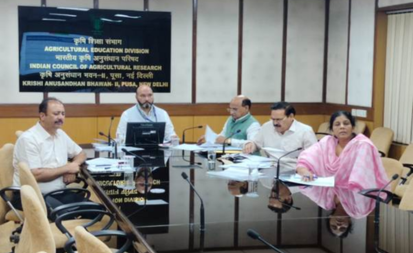
New Delhi, September 9, 2026: India and ASEAN have renewed their commitment to building food-secure, sustainable and climate-resilient agricultural systems, with the 9th ASEAN–India Ministerial Meeting on Agriculture and Forestry held in New Delhi focusing on technology, innovation, market connectivity and farmer-centric cooperation.
Co-chaired by Shivraj Singh Chouhan, Union Minister for Agriculture and Farmers’ Welfare, and Francisco P. Tiu Laurel, Secretary, Department of Agriculture, the Philippines, the meeting also reviewed priorities for strengthening the ASEAN–India Comprehensive Strategic Partnership in agriculture and forestry.
The discussions followed the 10th ASEAN–India Agriculture Working Group Meeting, held on September 8, which brought together 45 delegates from 11 ASEAN Member States.
Key Highlights
- 9th ASEAN–India Ministerial Meeting on Agriculture and Forestry held in New Delhi on September 9.
- India and ASEAN to advance cooperation under the proposed ASEAN–India Medium-Term Plan of Action for Agriculture and Forestry 2026–2030.
- Priority areas include climate-resilient agriculture, low-emission rice and water productivity.
- AI-enabled digital agriculture, soil health and food safety identified as key areas for cooperation.
- Collaboration to expand in post-harvest management, circular bioeconomy, agroforestry and resilient agricultural value chains.
- Stronger focus on market connectivity, value addition and agricultural logistics.
- Delegates visited ICAR-IARI, Pusa, including protected cultivation, pearl millet and rice fields, the Nanaji Deshmukh Phenomics Facility and NBPGR’s Gene Bank.
- ICAR showcased technologies spanning natural resource management, ICT, animal science, fisheries and horticulture.
- The next ASEAN–India Ministerial Meeting on Agriculture and Forestry will be convened in 2028.
- ‘India–ASEAN Friendship Spike for Agriculture and Forestry’ unveiled as a symbol of the partnership.
Climate-Smart and Digital Agriculture at the Centre
The meeting identified several areas where India and ASEAN can collaborate on scalable agricultural solutions. These include climate-resilient farming, low-emission rice production, improved water productivity, AI-enabled agriculture, soil health and post-harvest management.
The countries also recognised the need to strengthen links between research institutions, technology developers, extension agencies, private-sector companies and farmers to move agricultural innovations from research laboratories into practical applications.
Cooperation will also address challenges such as extreme weather, climate change, input-market volatility, trade disruptions and transboundary pests and diseases.
India Showcases Agricultural Technology
As part of the programme, ASEAN delegates visited ICAR-IARI and other agricultural research facilities in New Delhi to observe India’s work in crop research, protected cultivation, genetic resource conservation and modern farming technologies.
An exhibition accompanying the ministerial meeting highlighted ICAR innovations across multiple areas.
Among the technologies showcased was Kisan Sarathi, which provides agricultural advisory support to 3.03 crore registered farmers across more than 3.5 lakh villages in 13 Indian languages, supported by more than 3,500 KVK experts and 4,500 ICAR scientists.
The exhibition also featured an indigenous African Swine Fever vaccine, disease-forewarning systems, fisheries technologies including a 40–50-tonne, 120-day shrimp farming model, and horticultural technologies covering spices, diversified crops, value-added products and virus-free potato seed production through aeroponics.
Stronger Regional Agricultural Value Chains
Market connectivity, value addition and logistics emerged as important elements of the cooperation agenda. For India and ASEAN, stronger agricultural value chains could improve opportunities for cross-border trade, food processing and technology exchange, while increasing resilience against disruptions.
The cooperation framework also recognises agroforestry and circular bioeconomy solutions, reflecting a broader shift towards agricultural systems that combine productivity with environmental sustainability.
Impact on Hospitality, Food and Travel & Tourism
The ASEAN–India agricultural partnership has a direct and indirect connection with the food, hospitality and tourism ecosystem, particularly through food supply chains, culinary exchange and regional travel.
Food & Hospitality Supply Chains
Greater cooperation on food safety, post-harvest management, agricultural logistics and resilient value chains could strengthen the movement of agricultural products from farms to food processors, hotels, restaurants and other foodservice businesses.
For hospitality operators, improved supply-chain resilience can support more predictable sourcing of agricultural ingredients.
Culinary Exchange and Food Tourism
ASEAN–India cooperation creates opportunities for greater culinary exchange between India and Southeast Asia. Improved agricultural and food-sector linkages could support the introduction and promotion of regional ingredients, cuisines and food products across hospitality markets.
This can complement the growth of culinary tourism and destination-led food experiences, particularly in India’s Northeast and other regions with strong cultural and historical links to Southeast Asia.
Sustainable Hospitality
The emphasis on climate-resilient agriculture, water productivity, low-emission rice, circular bioeconomy and agroforestry aligns with the hospitality industry’s growing focus on sustainable food sourcing.
Hotels and restaurants can potentially benefit from stronger access to sustainably produced local and regional ingredients while incorporating climate-conscious sourcing into their food strategies.
Business Travel and MICE
The ministerial meeting and associated scientific, business and cultural programmes also demonstrate the role of New Delhi as a hub for international government, agricultural and business gatherings.
Such international meetings support demand across hotels, conference venues, restaurants, transportation and other business-travel services.
Industry Takeaway
The latest ASEAN–India agriculture dialogue moves beyond traditional farming cooperation towards AI, climate resilience, food safety, logistics, technology transfer and integrated agricultural value chains.
For hospitality and tourism, the key opportunity lies at the intersection of agriculture and food trade, sustainable sourcing, culinary exchange, regional tourism and international business travel. Stronger India–ASEAN agricultural linkages could ultimately create new avenues for food businesses and tourism destinations to showcase regional produce, cuisines and cultural connections.