ICAR Promotes Sustainable Waste Management Through Post-Ganesh Visarjan Cleanliness Drives
Swachhata Hi Seva initiatives focus on eco-friendly idol immersion, waste segregation and composting of floral offerings at ICAR institutions Key Highlights: ICAR conducted cleanliness and awareness activities under the Swachhata Hi Seva campaign. Initiatives focused on post-Ganesh Visarjan
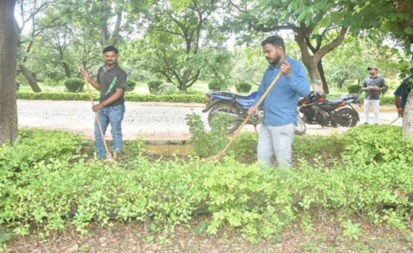
Swachhata Hi Seva initiatives focus on eco-friendly idol immersion, waste segregation and composting of floral offerings at ICAR institutions
Key Highlights:
- ICAR conducted cleanliness and awareness activities under the Swachhata Hi Seva campaign.
- Initiatives focused on post-Ganesh Visarjan cleanliness and protection of water bodies.
- Public participation was encouraged in the use of eco-friendly clay idols and designated immersion sites.
- Flowers and other biodegradable Puja Samagri were collected and segregated.
- Compostable waste at ICAR-NISA, Ranchi, and ICAR-CIRCOT, Mumbai, was processed into organic manure.
- The campaign promotes waste segregation, composting and cleaner public spaces.
ICAR Links Ganesh Visarjan With Sustainable Waste Management
The Indian Council of Agricultural Research (ICAR) organised awareness and cleanliness initiatives at its institutions as part of Swachhata Hi Seva, with a focus on post-Ganesh Visarjan cleanliness, responsible waste management and environmental protection.
The activities sought to encourage communities to maintain clean public spaces after celebrations while adopting environmentally responsible practices around idol immersion and disposal of Puja Samagri.
Focus on Eco-Friendly Idols and Water Protection
An awareness programme was conducted at a local Ganesh pandal, where participants were encouraged to use eco-friendly clay idols and avoid immersing Plaster of Paris idols or idols containing harmful chemical colours in drinking water tanks.
Participants were advised to use designated immersion facilities and avoid disposing of idols and Puja Samagri in natural water bodies.
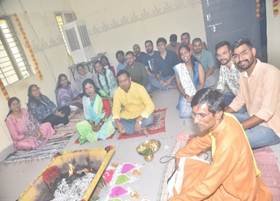
The programme also stressed the proper collection and disposal of flowers, Puja Samagri, plastic, thermocol and decorative waste generated during the celebrations.
Cleanliness activities were subsequently carried out around the pandal, with collected garbage segregated to support responsible waste management.
Floral Waste Converted Into Organic Manure
ICAR also demonstrated the potential for converting biodegradable festival waste into a useful resource.
At ICAR-NISA, Ranchi, Jharkhand, and ICAR-CIRCOT, Mumbai, Maharashtra, flowers and other biodegradable Puja Samagri were collected and segregated following Ganesh Visarjan activities.
The compostable material was processed through composting facilities to produce organic manure, helping divert biodegradable waste from conventional disposal routes.
Community Participation at the Centre
The initiatives highlighted the role of collective action in maintaining cleanliness and protecting water resources during large public and religious celebrations.
By combining awareness, waste segregation and composting, the ICAR activities linked the Swachhata Hi Seva campaign with practical approaches to sustainable waste management and resource recovery.
Impact on Hospitality, Food and Tourism
The initiative has direct relevance for the hospitality, food and tourism ecosystem, particularly as hotels, restaurants, event venues and tourist destinations often manage large volumes of organic and festival-related waste.
The composting of floral and biodegradable waste offers a practical model that can be adapted by hotels, resorts, temples, event venues and tourism destinations for managing organic waste generated during festivals and public events.
For tourism destinations, cleaner immersion sites, public spaces and water bodies can contribute to better visitor experiences and support sustainable and responsible tourism practices. The emphasis on waste segregation and composting also aligns with the growing focus on environmental management across the hospitality industry.