Centre Activates El Niño Contingency Plan for Kharif 2026; 315 Districts on High Alert
Government rolls out water conservation, crop diversification and input security measures to safeguard food production amid weak monsoon concerns Key Highlights Centre identifies 315 districts vulnerable to weak monsoon and El Niño conditions. 111 districts classified as high
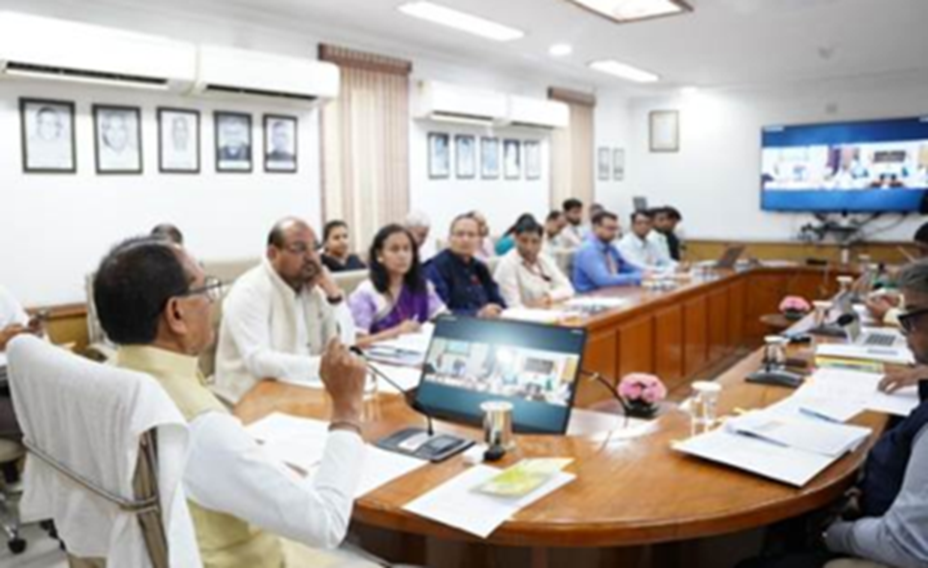
Government rolls out water conservation, crop diversification and input security measures to safeguard food production amid weak monsoon concerns
Key Highlights
- Centre identifies 315 districts vulnerable to weak monsoon and El Niño conditions.
- 111 districts classified as high priority due to irrigation coverage below 25%.
- Focus on short-duration, low-water crops, including pulses, millets (Shri Anna) and oilseeds.
- Additional seed reserves, adequate fertiliser stocks and fodder management plans put in place.
- PMFBY, PM-KISAN and Kisan Credit Cards to serve as financial safety nets for farmers.
- Government targets 176 million tonnes of Kharif foodgrain production despite weather challenges.
New Delhi | June 23, 2026
With forecasts indicating a delayed southwest monsoon and the possibility of El Niño impacting rainfall, the Central Government has launched a comprehensive preparedness strategy for the Kharif 2026 season to minimise risks to agriculture and food production.
Union Agriculture & Farmers Welfare Minister Shivraj Singh Chouhan chaired a high-level review meeting with Agriculture Ministers, senior state officials, District Collectors, scientists from ICAR and ICAR-CRIDA, and the India Meteorological Department (IMD) to assess the evolving weather situation and review contingency measures.
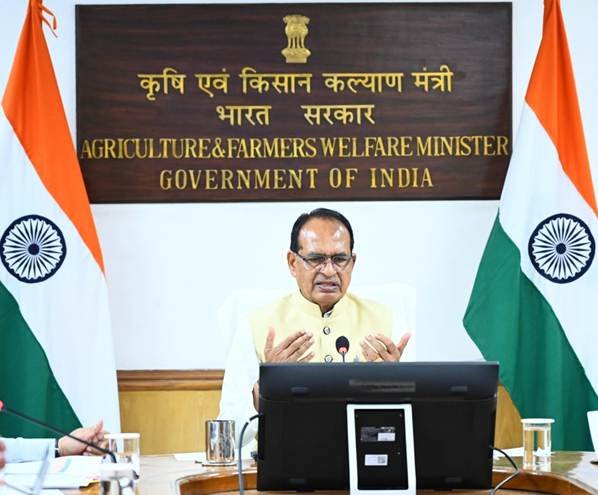
Addressing the media after the meeting, the Minister said rainfall has remained nearly 43% below normal so far, with weak monsoon conditions likely to continue in the immediate term. Stressing that the government is acting proactively rather than reactively, he said extensive scientific planning has already begun to protect farmers and ensure food security.
315 Districts Identified for Special Monitoring
Based on assessments by the Ministry of Agriculture and ICAR, around 315 districts have been identified as vulnerable to weak rainfall.
Among them:
- 111 districts fall under the high-priority category with irrigation coverage below 25%.
- 76 districts are classified as medium priority.
- 128 districts have relatively better irrigation infrastructure but will continue to be monitored.
Most vulnerable districts are spread across Madhya Pradesh, Maharashtra, Gujarat, Uttar Pradesh, Rajasthan, Karnataka, Bihar, Jharkhand, Telangana, Andhra Pradesh and Odisha.
Water Conservation and Crop Diversification Take Centre Stage
The Government has directed states to accelerate repair and strengthening of ponds, reservoirs, check dams, farm ponds and other water harvesting structures. Water conservation projects under MGNREGA and rural development programmes will receive priority to improve storage capacity while generating rural employment.
To reduce dependence on rainfall, states have also been advised to promote short-duration crop varieties, crop diversification, intercropping and mixed farming systems. Special emphasis will be placed on expanding cultivation of pulses, millets (Shri Anna) and oilseeds, which require comparatively less water.
Seeds, Fertilisers and Scientific Advisory Ready
The Ministry has confirmed adequate availability of seeds and fertilisers for the ongoing Kharif season. Additional seed stocks have been earmarked for districts where resowing may become necessary due to erratic rainfall.
Farmers will receive regular scientific advisories through 731 Krishi Vigyan Kendras (KVKs), agro-meteorological units, SMS alerts, WhatsApp, radio, television and digital platforms to help them make informed sowing decisions.
Financial and Livestock Support Strengthened
To cushion farmers against weather-related risks, the Centre is expanding coverage under the Pradhan Mantri Fasal Bima Yojana (PMFBY), expediting issuance of Kisan Credit Cards (KCC) and leveraging PM-KISAN assistance for agricultural inputs.
Simultaneously, advance fodder management plans have been prepared to prevent shortages for livestock in drought-prone regions.
A dedicated El Niño Monitoring Cell and Crop Weather Watch Group have also been established to continuously monitor monsoon progress, crop conditions and agricultural inputs across the country.
Hospitality & Food Industry Impact
The Government’s early intervention is significant for the hospitality, food processing and tourism industries, where agricultural output directly influences procurement costs and menu pricing.
A delayed or weak monsoon can impact the availability of vegetables, cereals, pulses, edible oils and dairy feed, leading to volatility in food prices for hotels, restaurants, catering businesses and food manufacturers. By encouraging drought-resilient crops such as millets, pulses and oilseeds, the Centre aims to maintain supply stability and reduce the risk of food inflation.
For the hospitality sector, proactive water conservation initiatives are equally important. Hotels, resorts and tourism destinations in water-stressed regions may benefit from improved local water management, while the emphasis on sustainable agriculture aligns with the industry’s growing focus on responsible sourcing and climate resilience.
The Government’s assurance of adequate seed, fertiliser and foodgrain stocks also offers confidence that major disruptions to India’s food supply chain are unlikely, supporting business continuity for restaurants, hotels and travel destinations during the upcoming festive and tourism seasons.