India Begins WOAH Assessment of Aquatic Animal Health Services to Strengthen Seafood Safety and Export Competitiveness
International evaluation will review disease surveillance, regulatory capacity and aquaculture standards, with expert visits to farms, laboratories and fisheries establishments across states from November 27 to December 9 Key Highlights India has launched the World Organisation for
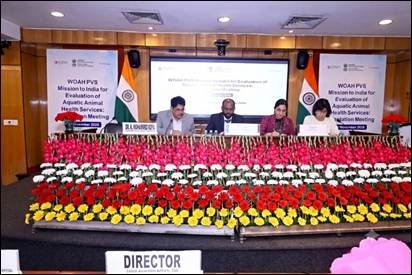
International evaluation will review disease surveillance, regulatory capacity and aquaculture standards, with expert visits to farms, laboratories and fisheries establishments across states from November 27 to December 9
Key Highlights
- India has launched the World Organisation for Animal Health (WOAH) Veterinary Services Performance (PVS) assessment of its Aquatic Animal Health Services.
- The assessment will examine institutional capacity, technical capabilities, stakeholder engagement and regulatory frameworks.
- A WOAH expert team will visit aquaculture farms, fisheries establishments, research institutes and disease-testing laboratories across several states from November 27 to December 9, 2026.
- The voluntary assessment aims to strengthen disease prevention, surveillance, food safety, export quality assurance and international seafood trade.
- The initiative is expected to support targeted investments and improve India’s alignment with international aquatic animal health standards.
India Launches International Assessment of Aquatic Animal Health Services
India has initiated an international assessment of its aquatic animal health systems to strengthen fisheries governance, improve disease surveillance and support the global competitiveness of its seafood industry.
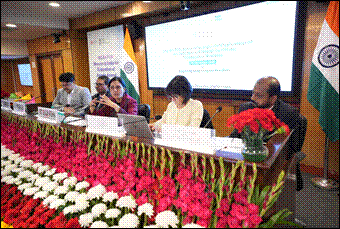
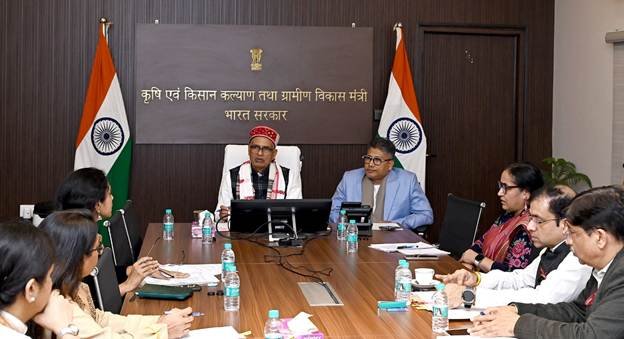
The Department of Fisheries, Ministry of Fisheries, Animal Husbandry and Dairying, launched the World Organisation for Animal Health (WOAH) Veterinary Services Performance (PVS) assessment of India’s Aquatic Animal Health Services (AAHS) on November 26, 2026. An orientation meeting marking the beginning of the mission was held at the National Agricultural Science Complex in New Delhi.
The assessment is intended to evaluate India’s existing institutional, technical and regulatory capabilities against internationally recognised standards and best practices.
Assessment to Review Four Key Areas
The WOAH PVS Pathway is a globally recognised framework that enables countries to assess and strengthen their veterinary and aquatic animal health services through an independent, evidence-based evaluation.
The assessment will focus on four major areas:
- Human, material and financial resources: Availability and adequacy of resources supporting aquatic animal health services.
- Technical authority and capacity: Institutional and technical capabilities for managing aquatic animal health.
- Stakeholder engagement: Coordination and participation of organisations and stakeholders involved in the sector.
- Regulatory capacity and market access: Effectiveness of regulatory systems and their role in facilitating trade.
The orientation programme also covered research and development, disease surveillance, capacity building, trade facilitation, export quality assurance, food safety, regulatory compliance and standards for aquaculture inputs and feed.
WOAH Experts to Visit Farms, Laboratories and Research Institutes
As part of the assessment, the WOAH expert team will conduct field visits across several states from November 27 to December 9, 2026.
The visits will cover aquaculture farms, fisheries establishments, research institutes, aquatic organism disease-testing laboratories and quality-control facilities. These assessments will help examine how aquatic animal health services operate across different parts of India’s fisheries and aquaculture value chain.
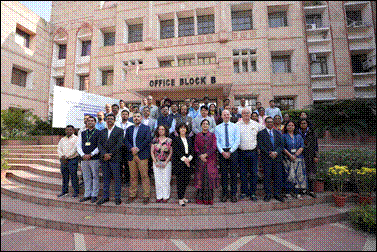
The orientation meeting was chaired by Gunjan Krishnan, Joint Secretary (Inland Fisheries), Department of Fisheries and WOAH National Focal Point (Aquatic Life) for India. Other participants included Dr. J. K. Jena, Deputy Director General (Fisheries Science), ICAR; K. C. Devasenapathy, Secretary, Coastal Aquaculture Authority; Ana Luisa da Silva Afonso, Team Leader, WOAH PVS Mission; and K. Mohammed Koya, Fisheries Development Commissioner.
Representatives from ICAR fisheries research institutes, state fisheries departments, the Marine Products Export Development Authority (MPEDA), Export Inspection Council, FSSAI, Bureau of Indian Standards and other government organisations also participated.
Focus on Disease Prevention, Food Safety and International Trade
Addressing the meeting, Gunjan Krishnan outlined India’s fisheries sector and its institutional, legislative and regulatory framework for aquatic animal health management.
Ana Luisa da Silva Afonso highlighted that the assessment would help India identify priorities and develop strategic plans aligned with WOAH standards and international best practices.
The voluntary evaluation is expected to identify areas requiring capacity enhancement, targeted investments and stronger institutional frameworks. It is also intended to improve disease prevention and surveillance, strengthen cooperation under the One Health approach, and increase confidence among international trading partners.
Implications for India’s Seafood Processing and Hospitality Industry
Stronger aquatic animal health systems have direct relevance for seafood production, processing, exports and food safety. Improved disease surveillance and regulatory compliance can support better management of aquaculture risks and strengthen quality assurance across the seafood supply chain.
For seafood processors and exporters, greater alignment with international standards could help build trading-partner confidence and facilitate access to global markets. Improved aquatic health management can also support more reliable sourcing for hotels, restaurants, catering businesses and other food-service operators that depend on fish and seafood products.
The assessment therefore represents an important step towards strengthening the foundations of India’s fisheries sector, while supporting sustainable aquaculture development and the country’s position in international seafood trade.