Ministry of Tourism Exceeds Special Campaign 6.0 Targets, Frees 63,461 Sq. Ft. of Space and Generates ₹68 Lakh from Scrap Disposal
Tourism Ministry records 7,125 achievements against 5,654 targets; campaign covers cleanliness drives, waste management and institutional improvements across tourism offices and hospitality education institutes New Delhi, November 6, 2026: The Ministry of Tourism has successfully concluded
Tourism Ministry records 7,125 achievements against 5,654 targets; campaign covers cleanliness drives, waste management and institutional improvements across tourism offices and hospitality education institutes
New Delhi, November 6, 2026: The Ministry of Tourism has successfully concluded Special Campaign 6.0 for Disposal of Pending Matters and Cleanliness, recording achievements beyond its initial targets through nationwide cleanliness drives, administrative improvements, record management and responsible waste disposal.
The campaign, undertaken as part of the Government of India’s initiative to improve administrative efficiency and promote cleanliness, saw participation from the Ministry’s subordinate offices and associated institutions, including India Tourism Domestic Offices, the National Council for Hotel Management and Catering Technology (NCHMCT), Central Institutes of Hotel Management (CIHMs) and Indian Culinary Institutes (ICIs).
Against 5,654 targets initially identified, the Ministry recorded a total of 7,125 achievements during the campaign. The exercise also resulted in the release of 63,461 square feet of office space and generated revenue of ₹68,05,834 through scrap disposal.
Focus on Cleanliness, Record Management and Space Optimisation
As part of its administrative streamlining efforts, the Ministry disposed of 3,006 physical files and closed 3,645 electronic files. The initiative focused on reducing accumulated records, improving office organisation and making better use of available institutional infrastructure.
Cleanliness activities formed another major component of the campaign, with 302 cleanliness activities and sites undertaken or identified across the country.
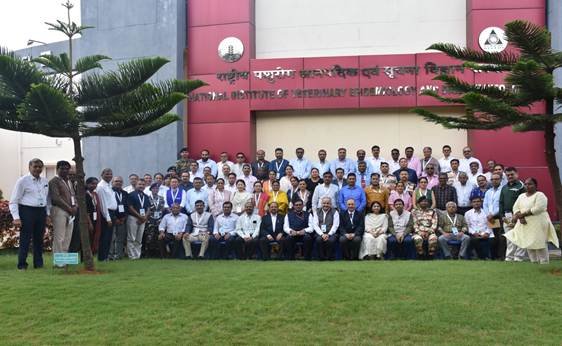
Students from Central Institutes of Hotel Management and stakeholders from the tourism sector participated in cleanliness and upkeep activities at government offices, institutional premises and tourist locations.
Plantation drives were also organised to improve public spaces and encourage participation in maintaining cleaner and more sustainable surroundings.
The campaign further emphasised the identification, segregation and disposal of electronic waste (e-waste), along with the removal of obsolete and unused materials.
The Ministry also used social media platforms to highlight campaign activities and generate awareness about cleanliness, administrative efficiency and responsible waste management.
Key Highlights of Special Campaign 6.0
7,125
Achievements recorded
63,461
Sq. ft. of space freed
₹68.05 lakh
Revenue from scrap disposal
302
Cleanliness activities/sites
3,006
Physical files weeded out
3,645
Electronic files closed
Initial targets: 5,654 | Total achievements: 7,125
Participation from Hospitality and Tourism Education Institutions
An important aspect of the campaign was the involvement of hospitality education institutions, particularly CIHMs and ICIs.
Students and institutional stakeholders participated in cleanliness and upkeep activities, connecting professional hospitality education with practical awareness of sanitation, environmental responsibility and public-space maintenance.
The involvement of these institutions also highlights the role of hospitality education in developing professionals who understand cleanliness, hygiene and sustainable operational practices beyond hotel and restaurant premises.
Impact on Hospitality, Travel & Tourism
1. Cleaner tourist destinations and improved visitor experience
The campaign’s cleanliness activities at tourist locations and public spaces can contribute to better destination presentation and visitor experiences. Clean surroundings, organised public infrastructure and responsible waste disposal are important factors in destination management.
2. Strengthening hygiene practices across hospitality
The participation of hotel management institutes and culinary institutions reinforces the importance of cleanliness and sanitation in hospitality operations. These practices are directly relevant to hotels, restaurants, commercial kitchens and institutional catering facilities.
3. Greater focus on sustainable hotel operations
The campaign’s emphasis on waste segregation, e-waste disposal and responsible resource management offers relevant lessons for hospitality businesses. Hotels and resorts can adopt similar approaches to improve waste handling, reduce unnecessary disposal and strengthen environmental management.
4. Hospitality education and industry awareness
The participation of CIHM and ICI students provides practical exposure to cleanliness and sustainability initiatives. Such activities can help connect hospitality education with the operational responsibilities of the industry, including hygiene, sanitation and environmental awareness.
5. Better institutional infrastructure for tourism development
The release of office space and improved administrative efficiency across tourism-related institutions can support more organised working environments. Efficient institutional operations are important for organisations involved in tourism promotion, hospitality education and destination development.
6. Scope for sustainable destination management
Plantation activities and public-space improvement initiatives can complement broader destination sustainability efforts. Their long-term contribution will depend on continued maintenance, waste management and coordination between local authorities and tourism stakeholders.
Industry Takeaway
The Ministry of Tourism’s Special Campaign 6.0 highlights the importance of cleanliness, institutional efficiency and sustainable waste management in strengthening India’s tourism ecosystem.
Beyond administrative achievements, the participation of hospitality education institutions makes the campaign relevant to hotels, restaurants and tourism businesses. Maintaining clean public spaces, adopting responsible waste practices and building environmental awareness among future hospitality professionals are essential elements of sustainable tourism development.
For the hospitality industry, the campaign reinforces a fundamental principle: destination cleanliness and operational hygiene are shared responsibilities of government institutions, tourism stakeholders, hospitality businesses and local communities.