Ministry of Food Processing Industries Drives Cleanliness and Office Efficiency Under Special Campaign 6.0
Campaign Running from 2 to 31 October 2026 Focuses on Records Management, Scrap Disposal, Pending Matters and Better Space Utilisation Key Highlights The Ministry of Food Processing Industries is implementing Special Campaign 6.0 from 2 to 31
Campaign Running from 2 to 31 October 2026 Focuses on Records Management, Scrap Disposal, Pending Matters and Better Space Utilisation
Key Highlights
- The Ministry of Food Processing Industries is implementing Special Campaign 6.0 from 2 to 31 October 2026.
- More than 100 physical files and e-files have been identified for review.
- Scrap disposal has generated revenue of ₹64,573 so far.
- Cleanliness drives, office beautification and improved space management form part of the initiative.
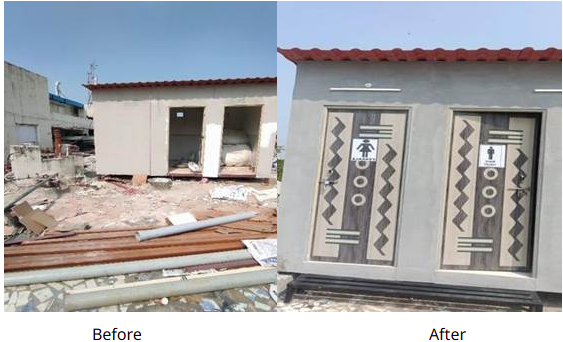
- A newly constructed toilet and the removal of redundant materials support workplace hygiene and infrastructure improvements.
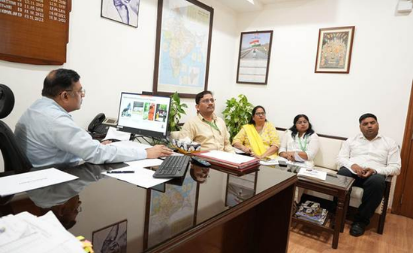
- Senior officials are reviewing progress, with monitoring through the designated SCDPM portal.
Ministry Steps Up Cleanliness and Records Management
The Ministry of Food Processing Industries (MoFPI) is implementing Special Campaign 6.0 from 2 to 31 October 2026, focusing on institutional cleanliness, efficient records management, disposal of pending matters and improved utilisation of office space.
The campaign aims to strengthen administrative efficiency by addressing pending references, reviewing official records and removing redundant materials. The Ministry is also conducting cleanliness drives and office improvement activities as part of its broader effort to embed good governance and workplace hygiene into routine operations.
As part of the exercise, the Ministry has identified more than 100 physical files and electronic files for review. The initiative includes categorising and weeding out physical records, closing eligible e-files in accordance with government guidelines, and addressing pending references from Members of Parliament, State Governments, other ministries, Parliamentary Assurances, the Prime Minister’s Office and public grievance channels.
Scrap Disposal Generates ₹64,573 in Revenue
The campaign also includes the disposal of scrap and unused materials, alongside efforts to improve the use of available office space. The Ministry has generated ₹64,573 in revenue through scrap disposal so far.
A toilet has also been constructed, while cleanliness and beautification activities have been undertaken to improve the office environment. Systematic records management and the removal of unused materials are expected to free up additional space.
Senior officials are reviewing progress regularly, with campaign activities monitored through the designated Special Campaign portal, SCDPM. The Ministry and its institutes will continue working towards the campaign’s identified targets until 31 October.
Impact on Food Processing and Hospitality
Although Special Campaign 6.0 is an administrative initiative, its focus on cleanliness, space utilisation and systematic waste disposal offers relevant lessons for food processing facilities and hospitality businesses.
Food processing facilities: Better records management and workplace organisation can support operational efficiency, while structured scrap disposal can help facilities manage redundant equipment and materials more responsibly.
Hotels and restaurants: The campaign’s emphasis on cleanliness, usable space and routine monitoring aligns with housekeeping practices, back-of-house organisation, maintenance planning and waste segregation in hotels and foodservice establishments.
Institutional kitchens and offices: Regular reviews of pending work, digital records and unused materials can help improve administrative workflows and reduce clutter in staff areas, storage rooms and operational spaces.
Sustainability and resource efficiency: Revenue from scrap disposal illustrates how redundant materials may retain recoverable value when identified and managed systematically. For hospitality and food businesses, similar practices can complement broader resource-efficiency and waste-management efforts.
These are potential operational applications of the campaign’s principles rather than direct outcomes reported by the Ministry for the hospitality sector.
Industry Takeaway
Special Campaign 6.0 reinforces the importance of treating cleanliness, records management and efficient use of space as continuous management responsibilities rather than one-time exercises. For food processing companies, hotels, restaurants and institutional catering operators, regular audits of records, storage areas, redundant materials and workplace hygiene can improve organisation and support more efficient operations.
The Ministry’s reported ₹64,573 in scrap-disposal revenue and identification of more than 100 files for review offer measurable examples of progress under the ongoing campaign.