India Approves Accession to SIOFA, Opening New Opportunities for High-Seas Fisheries and Marine Exports
India’s proposed full participation in the Southern Indian Ocean Fisheries Agreement aims to expand authorised fishing opportunities, strengthen sustainable marine resource management and improve access to high-value species such as squid, toothfish and alfonsino Key Highlights The
India’s proposed full participation in the Southern Indian Ocean Fisheries Agreement aims to expand authorised fishing opportunities, strengthen sustainable marine resource management and improve access to high-value species such as squid, toothfish and alfonsino
Key Highlights
- The Central Government approved India’s accession to the Southern Indian Ocean Fisheries Agreement (SIOFA) on 14 October 2026.
- Accession would enable Indian-flagged fishing vessels and enterprises to undertake authorised fishing for squid, toothfish, alfonsino and other eligible marine stocks within the agreement’s jurisdiction.
- India’s transition from a Cooperating Non-Contracting Party to a Contracting Party would provide full participation in key scientific and compliance bodies.
- The agreement supports scientific stock assessments, sustainable harvesting and efforts to combat illegal, unreported and unregulated (IUU) fishing.
- The move could create opportunities for seafood processors, exporters, cold-chain operators and hospitality businesses sourcing marine products.
India Moves to Expand Its Presence in International Fisheries
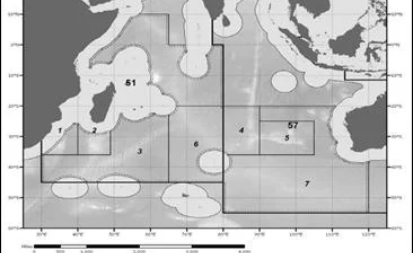
New Delhi, 14 October 2026: The Central Government has approved India’s accession to the Southern Indian Ocean Fisheries Agreement (SIOFA), a regional framework governing eligible fisheries resources in the high seas of the Southern Indian Ocean.
The decision is intended to strengthen India’s participation in international fisheries governance, expand authorised fishing opportunities and support the sustainable harvesting of high-value marine resources. It follows the Government of India’s High Seas Fisheries Guidelines issued in December 2025.
According to the Press Information Bureau (PIB), accession would help Indian fishing vessels and enterprises pursue authorised fishing opportunities for squid, toothfish, alfonsino and other eligible fish stocks within SIOFA’s area of competence.
The initiative also aligns with India’s broader Blue Economy objectives, including the development of marine fisheries, scientific resource management and the expansion of economic opportunities for fishing communities.
Full Participation in Scientific and Compliance Bodies
India has been a Cooperating Non-Contracting Party (CNCP) to SIOFA since 2022. Under this status, its participation in decision-making has been limited, including in the agreement’s Scientific Committee and Compliance Committee.
Accession as a Contracting Party would allow India to participate fully in these bodies and improve access to scientific data, research programmes and stock assessments.
The agreement also provides a framework for cooperation among participating countries to improve scientific understanding of high-seas resources, establish sustainable harvesting practices and prevent illegal, unreported and unregulated fishing.
India’s participation in the High Seas Boarding and Inspection (HSBI) Scheme is another component of the initiative. The scheme is intended to support monitoring and compliance within the agreement’s jurisdiction, alongside its wider fisheries management measures.
High-Value Seafood Species and Fishing Opportunities
SIOFA covers specified fisheries resources, including fish, molluscs, crustaceans and certain sedentary species within its designated area. Highly migratory species covered under Annex I of the United Nations Convention on the Law of the Sea (UNCLOS) are excluded from its scope.
The agreement provides a framework for the management of eligible resources, but fishing activity remains subject to applicable conservation measures, authorisations and compliance requirements.
For Indian fishing enterprises, accession could create opportunities to diversify fishing operations beyond their current areas of activity. The PIB release notes that Indian fishing vessels presently operate largely within 60–80 nautical miles of the Exclusive Economic Zone (EEZ).
Expanding into international waters would require appropriate vessels, operational capabilities, safety systems, trained crews, cold-chain infrastructure and compliance with applicable fisheries regulations.
Strengthening India’s Position in Global Fisheries Governance
The Southern Indian Ocean Fisheries Agreement is one of two major regional fisheries management arrangements identified in the release for the Indian Ocean region, alongside the Indian Ocean Tuna Commission (IOTC).
India has been a Contracting Party to the IOTC since 1996. The IOTC manages fisheries involving highly migratory tuna and tuna-like species, while SIOFA covers a different range of eligible resources in its designated area.
India’s accession to SIOFA would expand its formal role in international discussions concerning the conservation and management of these fisheries.
The government has also highlighted the importance of high-seas participation for coastal security, strategic interests and the sustainable use of marine resources. These objectives will depend on effective implementation, scientific monitoring and compliance with international obligations.
Impact on Seafood Processing, Hotels and Restaurants
India’s accession to SIOFA could have implications beyond fishing operations, particularly for seafood processing, distribution, exports and the hospitality industry. However, the government announcement does not establish immediate changes in seafood prices, availability or procurement arrangements.
1. Seafood processing and exports
Authorised access to additional fishing grounds could provide opportunities for Indian seafood enterprises to diversify their sourcing and production. The commercial impact will depend on permitted catch levels, species availability, fishing costs, processing capacity and access to export markets.
2. Hotels, restaurants and premium seafood menus
Hotels, resorts and restaurants serving seafood could potentially benefit if the expansion of authorised fishing operations translates into reliable supplies of commercially viable species. Squid and other eligible marine products may be relevant to foodservice businesses, while the availability and cost of individual species will depend on actual landings and distribution.
3. Cold-chain and seafood logistics
High-seas fishing requires effective onboard handling, preservation, storage and transportation. Expanded operations could create business opportunities for cold-storage providers, refrigerated logistics companies, seafood processors and port-based service operators.
4. Food safety and traceability
International fisheries compliance and sustainable resource management are relevant to seafood supply-chain transparency. Hospitality procurement teams and seafood distributors may benefit from stronger documentation and traceability practices as the wider supply chain develops, subject to applicable regulatory systems.
5. Coastal employment and the Blue Economy
New fishing opportunities could support activity across vessel operations, processing, packaging, transport and export services. The extent of employment and income benefits for Indian fishing communities will depend on investment, participation by domestic enterprises and the practical implementation of the agreement.
Background: India’s High-Seas Fisheries Strategy
The high seas constitute approximately 65% of the global ocean, according to the PIB backgrounder. India’s existing fisheries activity has been concentrated largely within its EEZ and nearby waters, creating a policy focus on developing capacity for authorised operations in international waters.
The government’s High Seas Fisheries Guidelines, issued in December 2025, provide the policy context for expanding India’s participation in high-seas fishing.
Through SIOFA, India would gain a formal role in the agreement’s decision-making and scientific processes while pursuing fishing opportunities within the limits of its conservation and compliance obligations.
Outlook
The approval of India’s accession to SIOFA marks a step towards expanding the country’s role in high-seas fisheries management and authorised marine resource utilisation. The next stage will involve the accession process and implementation of the agreement’s applicable requirements.
For seafood processors, exporters and hospitality businesses, the key developments to monitor will be the commencement of authorised fishing operations, the availability of eligible species, investment in cold-chain infrastructure and the emergence of reliable, traceable supply chains. Any long-term benefits will depend on balancing commercial opportunities with the sustainable management of marine resources.