ICAR Intensifies Swachhata Special Campaign 6.0, Focusing on Hygiene, Waste Disposal and Institutional Cleanliness
Agricultural research institutes in Bihar and Goa undertake cleanliness drives, scrap identification and plantation upkeep to improve sanitation, workplace safety and resource management Key Highlights Campaign focus: DARE/ICAR is promoting hygiene awareness, civic responsibility and cleanliness under
Agricultural research institutes in Bihar and Goa undertake cleanliness drives, scrap identification and plantation upkeep to improve sanitation, workplace safety and resource management
Key Highlights
- Campaign focus: DARE/ICAR is promoting hygiene awareness, civic responsibility and cleanliness under Swachhata Special Campaign 6.0.
- Bihar initiative: ICAR Research Complex for Eastern Region, Patna, undertook cleaning of farm surroundings, pathways and common areas.
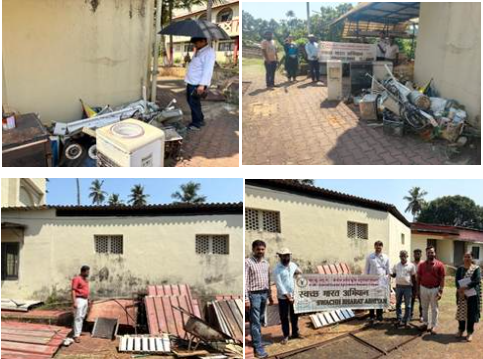
- Goa initiative: ICAR–Central Coastal Agricultural Research Institute identified obsolete materials, including 70 kg of metal items, 200 kg of MCB panels, 100 kg of fencing wire and 20 kg of plastic, for disposal.
- Record management: Physical vouchers were weeded out according to record-retention guidelines to free up storage space.
- Plantation upkeep: ICAR–Mahatma Gandhi Integrated Farming Research Institute in Motihari, Bihar, focused on weed removal, litter clearance and maintenance of plantation areas.
ICAR Steps Up Cleanliness and Hygiene Awareness Under Special Campaign 6.0
The Department of Agricultural Research and Education (DARE) and the Indian Council of Agricultural Research (ICAR) are carrying out cleanliness and hygiene awareness activities under Swachhata Special Campaign 6.0, with initiatives spanning agricultural research campuses, farm areas, administrative offices and institutional guest houses.
The campaign aims to encourage hygienic habits, strengthen awareness of civic responsibilities and maintain clean, safe and environmentally responsible institutional surroundings. Activities reported on October 16, 2026, included farm sanitation, removal of unwanted vegetation, identification of obsolete materials for disposal and maintenance of plantation areas.
These measures highlight the importance of routine cleanliness, effective waste management and organised facilities maintenance in institutions that manage research operations, agricultural land and shared workspaces.
Bihar Research Campus Focuses on Farm Hygiene and Safety
At the ICAR Research Complex for Eastern Region in Patna, Bihar, the cleanliness drive focused on improving the condition of farm surroundings and common areas.
Activities included removing unwanted vegetation, collecting litter and waste, and maintaining internal pathways, open spaces and other shared areas. The institute also highlighted the importance of protecting people working in or visiting agricultural fields from harmful insects through better upkeep of the premises.
The initiative aims to maintain a clean and hygienic environment while improving workplace efficiency, supporting the safety of farm personnel and raising awareness about cleanliness within agricultural research institutions.
Goa Institute Identifies Scrap and Clears Administrative Storage
At ICAR–Central Coastal Agricultural Research Institute (CCARI), Goa, campaign activities covered both administrative record management and the identification of obsolete materials.
Physical vouchers were weeded out in accordance with applicable record-retention guidelines, helping free up storage space. A separate drive identified unserviceable and obsolete items from field units and guest houses for disposal through approved procedures.
The materials identified for disposal included:
- 70 kg of metal items
- 200 kg of MCB panels
- 100 kg of fencing wire
- 20 kg of plastic items
The materials were catalogued for further processing under the approved disposal mechanism. The exercise supports more organised storage, better use of institutional space and systematic handling of scrap.
Plantation Areas in Motihari Receive Cleanliness Attention
At ICAR–Mahatma Gandhi Integrated Farming Research Institute in Motihari, Bihar, the campaign focused on maintaining banana plantation rows and adjoining green spaces.
The work included clearing overgrown weeds, removing unwanted vegetation and collecting scattered litter. Regular maintenance of plantation areas helps keep pathways accessible, supports orderly farm operations and improves the overall condition of institutional green spaces.
Impact on Hospitality, Hotels and Tourism
1. Lessons for hotel housekeeping and facilities management
The campaign’s emphasis on routine cleaning, waste collection and shared-space maintenance is relevant to hotels, resorts, restaurants and institutional kitchens. Consistent housekeeping schedules and clear accountability can help maintain hygienic premises and safer working environments.
2. Better scrap segregation and disposal
The Goa institute’s identification and cataloguing of obsolete materials offers a practical example of organised scrap management. Hospitality facilities can apply similar principles by identifying unserviceable equipment, segregating recyclable materials and routing waste through authorised disposal channels.
3. Cleaner guest houses and accommodation facilities
The focus on guest-house scrap and campus upkeep has relevance for hotel back-of-house areas, staff accommodation and public-facing facilities. Regular inspections and timely removal of unwanted materials can improve space utilisation and general maintenance.
4. Sustainable landscaping and outdoor upkeep
The plantation-maintenance drive reinforces the importance of managing weeds, clearing litter and maintaining green spaces. Hotels, resorts and tourism facilities with gardens, lawns and outdoor recreation areas can incorporate similar practices into their environmental management routines.
5. Hygiene awareness as an organisational habit
The campaign also highlights the role of awareness-building alongside physical cleaning. For hospitality businesses, staff training, waste-handling protocols and consistent hygiene practices can help embed cleanliness into everyday operations rather than treating it as a one-off activity.
Industry Takeaway
Swachhata Special Campaign 6.0 demonstrates how institutional cleanliness can combine sanitation, waste management, space optimisation and environmental upkeep. For hospitality operators, the practical lesson is to establish regular cleaning schedules, maintain clear scrap-disposal procedures and reinforce hygiene awareness among staff. These routine measures can support safer workplaces, better-maintained facilities and more responsible resource management.