PM Dhan-Dhaanya Krishi Yojana Completes One Year, Focus Shifts to Farm Productivity and Rural Prosperity
Gaya in Bihar, Nagaur in Rajasthan and Umaria in Madhya Pradesh ranked among the best-performing districts as the government prioritises agricultural productivity, irrigation, post-harvest infrastructure and farmers’ incomes Key Highlights PMDDKY completes one year: The Prime Minister
Gaya in Bihar, Nagaur in Rajasthan and Umaria in Madhya Pradesh ranked among the best-performing districts as the government prioritises agricultural productivity, irrigation, post-harvest infrastructure and farmers’ incomes
Key Highlights
- PMDDKY completes one year: The Prime Minister Dhan-Dhaanya Krishi Yojana marked its first anniversary on 11 October 2026.
- Top-performing districts: Gaya (Bihar) secured first place, Nagaur (Rajasthan) ranked second and Umaria (Madhya Pradesh) stood third overall.
- 100 districts covered: The scheme targets districts facing low agricultural productivity, low cropping intensity and limited agricultural credit.
- 36 Central schemes integrated: The programme brings together initiatives from 11 Central Ministries and Departments alongside relevant State Government schemes.
- Focus on measurable outcomes: Priorities for the second year include irrigation, crop diversification, high-value agriculture, post-harvest infrastructure and improved access to agricultural credit.
- Soil health campaign: The Khet Bachao Abhiyan will run across States from 22 October to 30 November 2026, promoting balanced and judicious fertiliser use.
PM Dhan-Dhaanya Krishi Yojana Enters Second Year with Focus on Ground-Level Results
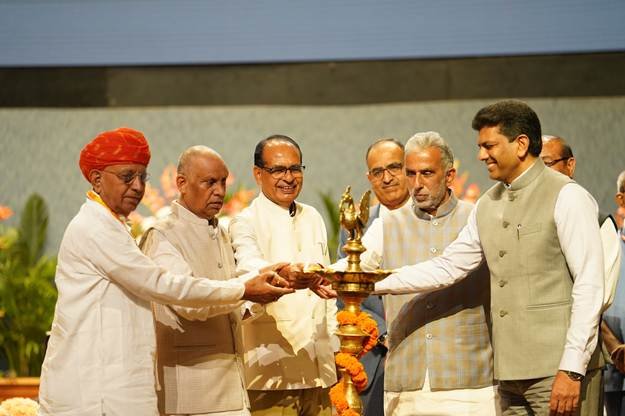
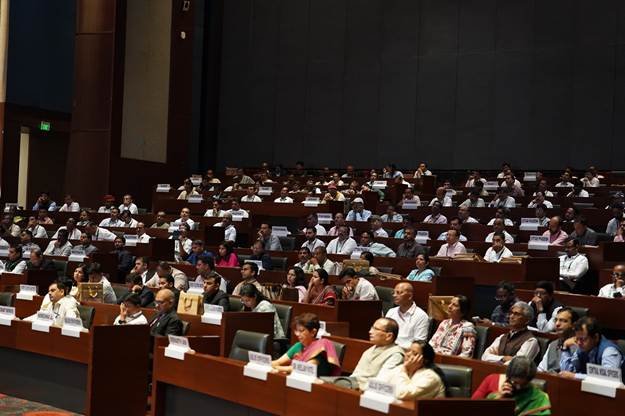
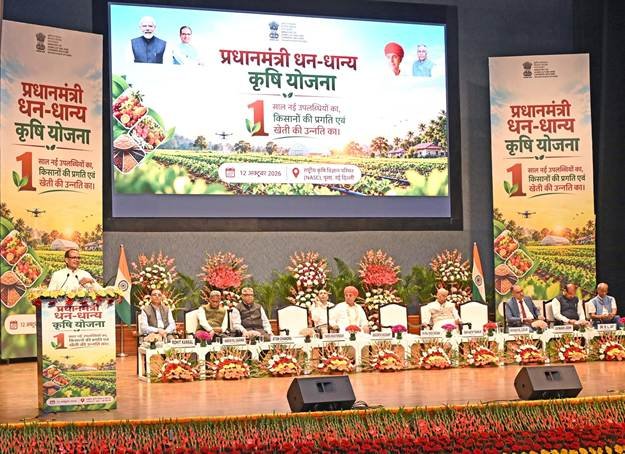
The Prime Minister Dhan-Dhaanya Krishi Yojana (PMDDKY) has completed its first year, with the government shifting its focus towards measurable improvements in agricultural productivity, infrastructure and farmers’ incomes. The Department of Agriculture and Farmers Welfare marked the milestone on 12 October 2026 at the National Agricultural Science Complex (NASC), PUSA, New Delhi, bringing together government officials, district administrators, agricultural scientists and progressive farmers.
Union Agriculture and Farmers’ Welfare Minister Shivraj Singh Chouhan said the first year was dedicated to establishing the foundations of the scheme, while the second year must deliver tangible results for farming communities. He emphasised the need to improve irrigation and water management, increase cropping intensity, promote high-value agriculture, expand post-harvest facilities and strengthen access to agricultural credit.
The government’s stated objective is to make all 100 identified districts models of agricultural development and rural prosperity through coordinated implementation by Central and State Governments, district administrations, scientific institutions and farmers.
Gaya, Nagaur and Umaria Lead District Performance Rankings
Gaya district in Bihar secured first position in the overall PMDDKY rankings, followed by Nagaur in Rajasthan and Umaria in Madhya Pradesh. Eighteen districts were also recognised for exemplary work across the scheme’s six key objectives: agricultural productivity, crop diversification and sustainable practices, post-harvest storage, irrigation infrastructure, agricultural credit, and governance and service delivery.
The scheme follows a district-centric approach, with action plans tailored to local soil conditions, rainfall, cropping patterns, water availability, infrastructure and farmers’ requirements. A dedicated dashboard tracks performance against 121 indicators, while monthly rankings encourage transparency and competition among participating districts.
District-level initiatives showcased during the anniversary included water conservation and drought resilience in Gadchiroli, high-value horticulture promotion in Alluri Sitharama Raju, and the Lilawaran Natural Farming Land Revival Model in Banka. These examples demonstrate how locally adapted agricultural interventions can support resilience and improve resource utilisation.
What PMDDKY Means for Agriculture and Rural Infrastructure
Announced in the Union Budget 2025–26 and launched on 11 October 2025, PMDDKY seeks to address structural challenges in 100 districts with low agricultural productivity, low cropping intensity and limited agricultural credit disbursement.
The programme integrates 36 Central schemes across 11 Ministries and Departments, alongside relevant State Government initiatives. Its objectives include improving farm productivity, encouraging crop diversification, expanding storage at the panchayat and block levels, strengthening irrigation and facilitating short-term and long-term agricultural credit.
The next phase will place greater emphasis on scaling up successful interventions and translating district-level planning into improvements in farm output, post-harvest management and sustainable incomes.
Separately, the Khet Bachao Abhiyan, scheduled from 22 October to 30 November 2026, will promote soil health through balanced fertiliser use and sustainable farming practices.
Impact on Hospitality, Food Businesses, Travel and Tourism
1. Stronger agricultural supply chains for hotels and restaurants
Improvements in agricultural productivity, irrigation and crop diversification could support more reliable supplies of cereals, vegetables, fruits and other farm produce. For hotels, restaurants, catering companies and institutional kitchens, stronger local supply chains can create opportunities for better sourcing, seasonal menu planning and closer engagement with farmer-producer organisations. The actual benefits will depend on implementation and local production outcomes.
2. Opportunities for farm-to-table dining and regional cuisine
The promotion of high-value horticulture and sustainable agricultural practices could strengthen the availability of region-specific ingredients. Hospitality businesses can use these products to develop local cuisine experiences, seasonal menus and farm-to-table concepts that connect guests with regional food traditions.
3. Potential for agritourism and rural tourism
Improved irrigation, farm infrastructure and rural economic activity may create opportunities for agritourism, farm stays, culinary trails and village-based visitor experiences. Districts with distinctive crops, horticultural produce or natural farming initiatives could explore tourism offerings that combine agricultural learning, local food and cultural experiences. Such opportunities would require complementary investment in accommodation, transport, visitor facilities and tourism promotion.
4. Better post-harvest infrastructure could help reduce food losses
Expanded storage facilities at panchayat and block levels could improve the handling and availability of agricultural produce. For hospitality procurement teams and food distributors, effective implementation may help reduce supply disruptions and post-harvest losses, particularly for perishable products. Cold-chain capacity and efficient last-mile logistics will remain important for delivering these benefits.
5. Rural livelihoods and destination development
If the scheme improves farm incomes and creates stronger rural economic activity, it could indirectly support local hospitality enterprises, including homestays, eateries, food-processing businesses and community-led tourism services. Better livelihood opportunities can help destinations diversify their economic base, although tourism growth will also depend on connectivity, infrastructure and visitor demand.
Industry Takeaway
PMDDKY’s first anniversary signals a shift from establishing the programme’s framework to demonstrating measurable outcomes across 100 agricultural districts. For the hospitality and foodservice sectors, the scheme’s progress is worth tracking for its potential implications for ingredient sourcing, regional food experiences, supply-chain resilience and rural tourism.
The key indicator in the second year will be whether improvements in agricultural productivity, irrigation, storage and farm incomes translate into dependable benefits for producers and the wider food economy. For hotels, restaurants, culinary businesses and tourism operators, stronger connections between agriculture, local food and rural experiences could offer new opportunities for sustainable sourcing and destination development.