Digital Agenda and Artificial Intelligence to Redesign Tourism
From AI-powered trip planning and personalised travel to smarter destinations and digital public infrastructure, technology is redefining how India attracts, serves and connects with the traveller.
Artificial Intelligence and digital technologies are rapidly transforming the tourism ecosystem, influencing everything from destination discovery and trip planning to personalised experiences and operational efficiency. In this feature, industry experts share their perspectives on how AI can reshape the traveller journey, help tourism and hospitality stakeholders build smarter destinations, and support India’s vision for a more connected, inclusive and technology-enabled tourism future.
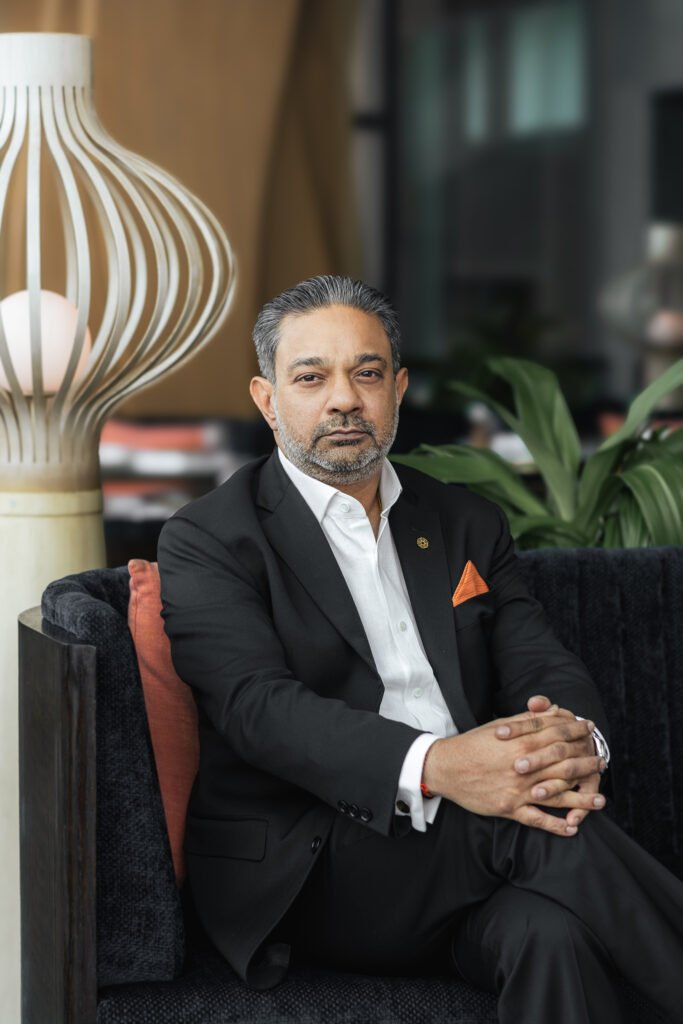
Ranjit Phillipose,
Senior Vice President
IHCL Goa & Karnataka
World Tourism Day is traditionally a celebration of journeys, destinations and the people who make travel meaningful. But this year, it should also prompt a more fundamental question: how do weredesign tourism for an economy being reshaped by technology, changing consumer behaviour and greater economic uncertainty? The answer lies partly in embracing a digital agenda and increasingly, Artificial Intelligence.
Tourism has always been an industry built around understanding people. Today, technology gives us the ability to understand travellers at an unprecedented scale. AI can analyse preferences, anticipate demand, personalise itineraries, facilitate multilingual interactions and make the travel journey more seamless. For hotels, airlines, destinations and tourism businesses, this can translate into better productivity, smarter resource allocation and stronger customer engagement.
For destinations such as Goa and Karnataka, digital technology can help redefine what we offer to the world. Goa need not be viewed only through the lens of beaches and leisure, just as Karnataka is more than Bengaluru and its technology ecosystem. Our future tourism proposition can encompass heritage, gastronomy, wellness, culture, nature, adventure, MICE and community-based experiences.
Digital platforms can also democratise tourism. Small hotels, homestays, artisans, guides, restaurants and local entrepreneurs can reach global travellers without requiring the marketing budgets traditionally available to large organisations.
AI-driven insights can help identify emerging markets, improve occupancy patterns and encourage visitors to explore beyond established tourism corridors.
Yet, there is a caution. Technology cannot replace hospitality. A perfectly designed digital itinerary cannot substitute for a warm welcome, an authentic cultural encounter or the human connection that makes a journey memorable. As we embrace AI, issues of privacy, cybersecurity, responsible data use and human oversight must remain central.
The tourism industry therefore needs to move from simply asking, “How many visitors can we attract?” to asking, “What value can tourism create for the traveller, the community, the environment and the economy?” That is the real digital agenda.
This World Tourism Day, let us look beyond technology as a tool for selling more rooms or destinations. Let us use it to build smarter destinations, empower local communities, create better visitor experiences and make tourism more resilient and sustainable.
The future traveller may be guided by AI. But the future of tourism will still be defined by people.
Jyoti Mayal,
Chairperson,
Tourism & Hospitality Skill Council (THSC)
At its heart, tourism has always been about people. Technology has changed the way we search, book and experience travel, yet the most valuable part of the journey still happens through human interaction. A traveller remembers how a destination made them feel, how a guide told a story, how a hotel team responded to a request or how a travel professional solved a problem when plans changed. Artificial intelligence is now bringing another layer to this ecosystem. The question for our industry is how we use it well.
AI Should Make People Better at Their Jobs
AI can make travel planning faster and more personalised. It can analyse preferences as well as suggest itineraries alongside supporting customer service, translate languages and help businesses understand traveller behaviour. For a travel professional, these tools can take away repetitive work and create more time for conversations, relationships and problem-solving. That is where I see the real opportunity.
We should be preparing our workforce to work with AI rather than viewing technology and people as competing forces. A skilled travel advisor who knows how to use AI can bring together data, destination knowledge and personal understanding in a way that a tool working on its own cannot. The same applies to hospitality. Technology can help a hotel anticipate demand, personalise communication and improve operations. The guest still values the person who notices that something needs attention and acts with care.
The Next Skill Is Knowing How to Use Technology
Tourism skills have to evolve with the industry. Digital literacy, AI awareness and data skills will increasingly become part of the professional toolkit. Alongside these, we need communication, cultural sensitivity, languages, storytelling, service orientation and the ability to understand people. These skills become particularly important as tourism expands into Tier II and Tier III destinations. Technology can help a local entrepreneur reach a wider market, a homestay attract international visitors or an artisan tell the story behind a craft. The opportunity becomes meaningful when people have the skills to use those platforms effectively. This is why industry-led skilling and continuous upskilling will remain critical to India’s tourism growth. A future-ready tourism workforce needs technology in its hands and confidence in its abilities.
India Can Bring Technology and Hospitality Together
India has something powerful to build on: our diversity and our people. Our tourism experiences come from communities, cuisines, heritage, crafts, festivals, wellness traditions and stories that have travelled across generations. Technology can help these experiences reach travellers across the world. Hospitality gives them context and character. We also need to ensure that smaller tourism businesses, independent travel professionals and women entrepreneurs have access to these opportunities. Digital tools can open markets, but access to technology, training, mentorship and finance will determine who is able to benefit from them.
The Human Touch Will Define the Future
The tourism industry is entering a period of extraordinary change. AI will influence how we plan trips, sell experiences, manage destinations and interact with travellers. We should welcome that change with curiosity and preparedness. At the same time, we must protect the qualities that make hospitality meaningful i.e., empathy, patience, judgement, warmth and genuine human connection.
End Note
The future of tourism will belong to an ecosystem where technology takes care of complexity and people take care of people. That is the balance we should aim for which has to be about a smarter tourism industry, certainly, but also the one that remains deeply human.


Anant Leekha,
General Manager
Novotel Pune, Nagar Road
Tourism today is no longer just about where people travel, but also about how they experience a destination. For the hospitality industry, this change is particularly visible. Guests are more connected, more informed and increasingly expect hotels to understand their needs even before they arrive.
As we mark World Tourism Day, the conversation around digitalisation and artificial intelligence (AI) is becoming increasingly relevant for hospitality. Technology is changing how hotels interact with guests, manage operations and create experiences, but it is also raising an important question: how do we use technology without losing the human side of hospitality?
AI can play an important role in understanding guest preferences and making their stay more personalised. From analysing booking patterns and previous preferences to recommending dining options or local experiences, technology can help hotels move from simply serving guests to anticipating their needs.
Behind the scenes, AI and digital tools can also make hotel operations more efficient. Demand forecasting can help with inventory and revenue management, while data can help hotels understand occupancy trends and guest behaviour. Automated communication can make the booking and pre-arrival journey smoother, allowing hotel teams to focus more on meaningful guest interactions.
The opportunity goes beyond convenience. Digital platforms can also help hotels connect guests with the destination. Travellers can discover local restaurants, cultural experiences, neighbourhoods and lesser-known attractions through personalised recommendations. This can make the hotel more than just a place to stay; it can become a starting point for experiencing the destination.
At the same time, hospitality will always remain a people-driven industry. A digital check-in can save time, but it cannot replace a warm welcome. A chatbot can answer a question, but genuine human understanding is still important when a guest needs assistance. The real opportunity lies in using AI to take care of repetitive processes while giving hospitality professionals more time to focus on people.
For India, this transformation comes at an interesting time. With domestic and international travel continuing to evolve, hotels have an opportunity to use technology to make experiences more seamless, responsive and relevant. The combination of India’s diverse tourism offering and its growing digital ecosystem can create new possibilities for both travellers and hospitality businesses.
The future of hospitality, therefore, may not be about choosing between technology and people. It will be about bringing the two together. AI can provide the intelligence, speed and personalisation, while people bring empathy, warmth and the understanding that turns a stay into an experience.
This World Tourism Day, the focus should be on building a digital tourism ecosystem that makes travel easier while keeping the human connection at its heart. Because even as technology redesigns tourism, hospitality will continue to be about one simple thing – making people feel welcome.
Pankaj Saxena,
Area General Manager, West India,
Radisson Hotel Group, South Asia & General Manager, Radisson Blu Pune Kharadi
The tourism industry is witnessing a profound digital transformation, with technology redefining how travellers discover destinations, curate itineraries, make reservations and engage with experiences. At the forefront of this evolution is Artificial Intelligence (AI), which is enabling the industry to transition from conventional, one-size-fits-all offerings towards increasingly intuitive, personalised and seamless journeys.
From intelligent destination discovery and AI-powered travel recommendations to predictive analytics, automated assistance and personalised communication, technology is reshaping every stage of the traveller journey. Within hospitality, AI can enhance demand forecasting, revenue optimisation, operational efficiency and guest engagement, while enabling teams to anticipate preferences and deliver more meaningful experiences.
This transformation is already being reflected through specialised hospitality platforms. ReviewPro enables AI-powered analysis of guest feedback and sentiment, helping hotels derive actionable insights from the guest voice. Typsy supports continuous learning and professional development through digital training, while Power BI enables data visualisation and business intelligence, helping teams translate operational data into informed, strategic decisions.
However, the true potential of AI lies not in replacing the human dimension of hospitality, but in augmenting it. As technology becomes increasingly integrated into tourism, responsible innovation must remain a priority. Data privacy, cybersecurity, transparency and human oversight will be fundamental to building trust and ensuring that digital advancement remains both ethical and sustainable.
India is uniquely positioned to leverage this transformation through initiatives such as the National Digital Tourism Mission, digital public infrastructure and emerging AI-led programmes. Greater integration among tourism boards, hospitality businesses, airlines, technology providers and local enterprises can create a more connected, accessible and inclusive tourism ecosystem.
The future of tourism will be shaped by our ability to harmonise technological intelligence with human connection. AI can help us anticipate needs, personalise experiences and unlock new possibilities, but the essence of hospitality will remain rooted in empathy, authenticity and meaningful human interaction.
The future of tourism is not technology replacing hospitality; it is technology empowering hospitality to become more intelligent, personalised and purposeful

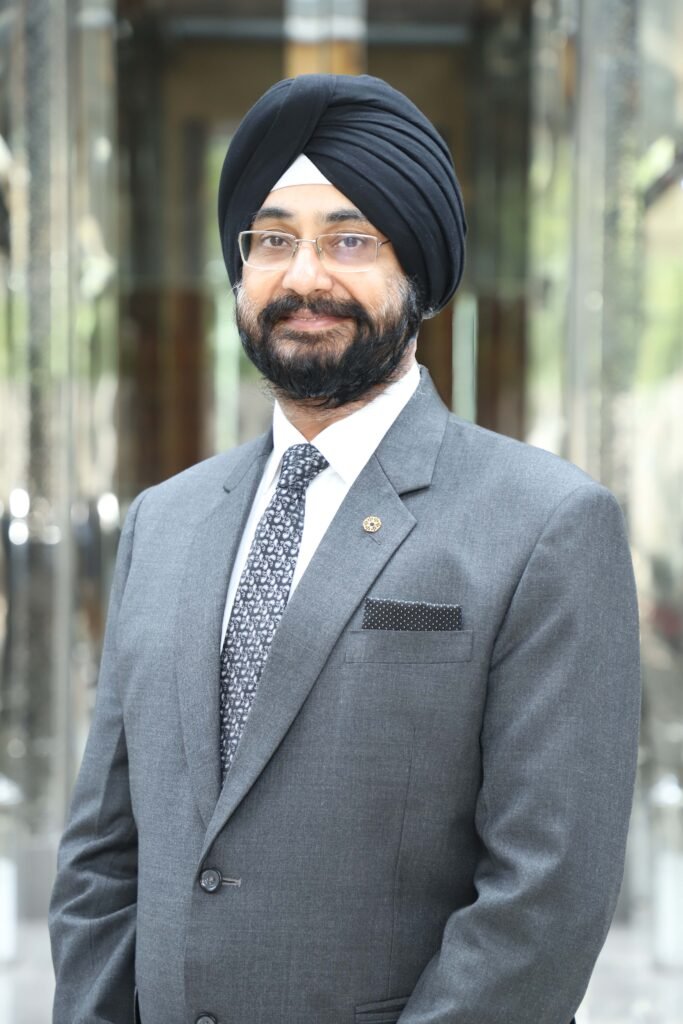
Surinder Singh,
Area Director – Operations & General Manager
Taj Chandigarh.
Tourism has always been about discovery, experiences and human connections. What is changing today is the way travellers research, plan and experience their journeys. Digital technologies and Artificial Intelligence (AI) are becoming increasingly important in shaping this new travel landscape, making travel more convenient, intuitive and personalized.
Today’s travellers expect information and assistance at their fingertips. AI-powered platforms are helping people discover destinations, compare travel options, build itineraries and receive recommendations that match their interests and preferences. From the first destination search to hotel reservations, transportation bookings and on-ground experiences, technology is simplifying every stage of the travel journey.
For the hospitality and travel industry, AI has emerged as a valuable tool for enhancing both operational efficiency and guest satisfaction. Hotels, airlines, tourism boards and travel companies can use data-driven insights to better understand traveller behaviour, anticipate demand and create more relevant, personalized experiences. Chatbots and virtual assistants now assist guests with queries around the clock, while predictive analytics helps businesses forecast demand and optimize services.
In hospitality, the real value of AI lies not in replacing human interaction but in enhancing it. Today’s hotels are using intelligent technologies to better understand guest preferences, personalize communications, anticipate requirements and respond more efficiently to requests. From recommending dining experiences based on past choices to simplifying reservations and service requests, AI helps create a more seamless guest journey. Equally important, it allows hotel teams to devote more time to genuine guest engagement, ensuring that technology strengthens rather than diminishes the human touch that defines memorable hospitality experiences.
The impact of these technologies can already be seen across destinations such as Chandigarh, Amritsar, Jammu and Srinagar, where travellers increasingly rely on digital tools for trip planning, navigation, local recommendations and real-time information. AI-powered insights can also help tourism stakeholders understand visitor trends, manage demand during peak travel periods and promote local experiences more effectively. This not only improves the visitor experience but also contributes to more sustainable and balanced tourism growth.
Government initiatives such as the National Digital Tourism Mission can further accelerate the development of connected and intelligent tourism ecosystems. By integrating destination information, transportation, accommodation and visitor services through digital public infrastructure, India can build tourism networks that are more accessible, inclusive and efficient for both domestic and international travellers. AI-driven tourism programmes can also support multilingual services, smart visitor management and targeted destination promotion.
As the tourism sector embraces its digital future, it is important to remember that technology is an enabler, not a replacement for hospitality. AI can help us anticipate needs, personalize experiences and improve efficiency, but the essence of great travel will always be the human touch. The future of tourism lies in combining intelligent technology with genuine hospitality to deliver richer, more memorable experiences for every traveller.
Kahraman Yigit,
CEO & Co-founder,
Olive Hospitality
1. How is AI transforming the traveller journey?
AI is making the traveller journey more seamless, personalised and increasingly predictive. Travellers are already using AI to discover destinations, compare options, plan itineraries and make decisions, bringing personalisation much earlier into the travel journey.
In hospitality, however, I think the more interesting transformation is happening during the stay itself. Hotels have traditionally operated reactively: a guest experiences a problem, raises a complaint, and the hotel responds. AI creates the possibility of moving towards a more predictive model, where technology can identify signals of dissatisfaction, service gaps or operational issues and enable teams to intervene earlier.
We are already seeing this through technologies such as remote reception, voice AI, automated guest communication and service analytics. Centralised teams can support multiple properties while technology helps identify where human attention is actually required.
The objective should not be to remove people from hospitality. It is to remove repetitive administration and unnecessary friction, while giving teams better information to make decisions.
Hospitality will always depend on empathy, judgement and human connection. AI can improve the intelligence behind the experience, but people still shape how that experience feels.
The future is therefore not high-tech versus high-touch. It is high-tech enabling better high-touch hospitality.
2. How can tourism stakeholders leverage AI while ensuring responsible data use?
AI can help tourism and hospitality businesses become more efficient, predictive and guest-centric. It can support personalised recommendations, demand forecasting, revenue management, automated communication and service monitoring, while helping operators make faster and better-informed decisions.
One of the most useful applications is the move from reactive to proactive service. Voice AI, analytics and other monitoring tools can increasingly identify patterns that may indicate guest dissatisfaction or an operational issue, allowing teams to respond before a problem escalates.
But as the ability to collect and analyse data increases, so does the responsibility around how it is used. Hospitality businesses deal with behavioural, transactional and travel data that can be highly personal.
Responsible use therefore needs to be built into the technology architecture from the beginning. Guests should understand what information is being collected and why. Appropriate consent, cybersecurity, access controls and sensible data-retention policies are all essential.
The principle should be straightforward: use data because it helps deliver a genuinely better guest experience, not simply because the technology makes it possible.
AI should know enough to serve the guest better without making the guest feel observed.
The strongest hospitality models will combine increasingly sophisticated intelligence in the background with a very human experience in the foreground.
3. What role can government initiatives play?
India’s tourism opportunity extends far beyond its established metropolitan and gateway destinations. As travel expands across religious tourism, leisure destinations, business centres and emerging cities, digital infrastructure can make these markets easier to discover, access and experience.
Government initiatives such as the National Digital Tourism Mission and broader Digital Public Infrastructure can help create the digital rails connecting travellers, tourism boards, accommodation providers, transport networks and local businesses.
This is particularly important for smaller and emerging tourism markets, where many independent hotels and local operators still work through fragmented systems. Better digital infrastructure can help them gain visibility, connect with travellers and participate more effectively in the wider tourism economy.
The public sector does not necessarily need to build every consumer-facing solution itself. Its most valuable role can be creating interoperable infrastructure, trusted frameworks and common standards that allow private companies and local entrepreneurs to innovate on top of them.
At the same time, technology should not make destinations feel uniform.
Tourism ultimately depends on local culture, food, history, nature and character. The real opportunity is to use digital infrastructure and AI to remove friction around discovering and navigating India, while making the country’s diversity of destinations and experiences more accessible.


Dibyasha Sarangi
Marketing & Communications Manager- Novotel Hyderabad Convention Centre & HICC
Tourism has always evolved with technology. From guidebooks to websites, travel agents to online platforms, and maps to smartphones, every shift has made the journey more accessible. Artificial intelligence is now taking the next step, making it increasingly personal, predictive and connected. But does smarter always mean better?
Digital tourism changed how we discover, plan and book. Connected tourism brought travellers, hotels, airlines, tourism boards and destinations into an increasingly seamless ecosystem. Now, Intelligent tourism is emerging, with AI helping interpret preferences, personalise itineraries, recommend experiences and improve operational decisions.
Consider a traveller planning a trip to Macau with the help of AI. From documentation and itineraries to restaurant recommendations tailored to personal interests and budget, the technology can simplify travel planning. Yet the experience also highlights an important limitation: some recommendations may require verification, with prices, availability or even suggested establishments needing correction. AI can provide a powerful starting point, but the traveller still needs to question, validate and adapt its suggestions.
This is where responsible digital tourism matters. India’s digital tourism agenda, including the National Digital Tourism Mission and Swadesh Darshan 2.0, recognises the importance of connected information, digital interventions and more tourist-centric destination experiences.
The future, therefore, is not about choosing between technology and human experience. It is about creating a partnership between the two, where AI reduces friction, businesses use data responsibly, and travellers retain the freedom to question and explore.
On World Tourism Day, perhaps the real opportunity is to move from Digital to Connected, Connected to Intelligent, and Intelligent back to Human, using technology not simply to make travel easier, but to make it more trustworthy, meaningful and memorable.
Sonam Thakur
Marketing & Communications Head,
Radisson Hotel Delhi MG Road
The global travel landscape is undergoing a monumental shift. The fusion of the Digital Agenda and Artificial Intelligence (AI) is no longer a futuristic concept—it is actively redesigning how we experience, manage, and scale tourism.
AI is transforming the entire traveler journey. From initial destination discovery using predictive search algorithms to dynamic trip planning and hyper-personalized recommendations, AI removes friction from the consumer experience. On the ground, intelligent chatbots, real-time room personalization, and seamless smart-booking solutions ensure travelers enjoy a curated, tailor-made stay.
For tourism boards, hotels, airlines, and travel operators, digital technology provides the tools to boost operational efficiency without sacrificing authentic hospitality. AI-driven predictive analytics optimize dynamic pricing and resource allocation, while smart marketing platforms target potential travelers with high precision. However, as we embrace this digital evolution, maintaining trust through robust data privacy, transparent algorithms, and responsible data governance remains paramount.
In India, national initiatives are laying a strong foundation for this transformation. Programs like the National Digital Tourism Mission (NDTM) and the development of Digital Public Infrastructure (DPI) offer a unified digital ecosystem. By integrating AI-led tourism programs with government infrastructure, India is building smarter, more connected, and inclusive destinations. These initiatives empower local communities, bridge language barriers, and democratize access to tourism assets, ensuring smaller heritage sites gain global visibility alongside major hubs.
Ultimately, AI does not replace the human touch that defines hospitality; rather, it elevates it. By harnessing intelligent technologies responsibly, we are shaping an ecosystem where travelers enjoy seamless experiences, businesses operate with greater agility, and destinations grow sustainably into the future.


Gaurav Shiva,
General Manager
The Orchid Hotel Mumbai
Digital Agenda and Artificial Intelligence to Redesign Tourism
Alternatively, the publication is also inviting authored articles on the theme of World Tourism Day – Digital Agenda and Artificial Intelligence to Redesign Tourism, or responses to the following:
• How is Artificial Intelligence transforming the tourism journey—from destination discovery and trip planning to personalized recommendations, booking and the on-ground traveler experience?
AI is fundamentally changing the way people discover and experience travel. What is interesting is that it is influencing almost every stage of the journey—from the moment a traveller starts thinking about a destination to the experience they have once they arrive.
Today, travellers can get highly personalised recommendations based on their interests, previous travel behaviour, budget and preferences. Planning a trip is becoming much more conversational and intuitive, rather than requiring people to search across multiple platforms.
From a hospitality perspective, this creates a significant opportunity. AI can help us understand guest preferences better and use that information to make the experience more relevant—from room preferences and dining recommendations to local experiences and personalised communication.
Shamitav Jana,
CEO,
Sapphero Hotels
As the global tourism and hospitality landscape evolves, digital transformation and Artificial Intelligence (AI) are reshaping not just how travellers plan and experience their journeys, but how hotels are managed. For hotel owners and developers, this technological shift is significantly strengthening the relevance of Third-Party Operators (TPOs).
Developing a hotel and operating it successfully require vastly different skill sets. While owners and developers focus on capital investment, asset development, and long-term value creation, hotel operations demand specialized expertise. Success hinges on navigating complex revenue management, sales, distribution, food and beverage (F&B) operations, human resources, and the overall guest experience.
Modern technology adds a sophisticated layer to these responsibilities. AI and data-driven systems can analyse demand patterns, optimize pricing, sharpen revenue strategies, anticipate guest preferences, and streamline operational planning. Furthermore, automation handles routine, repetitive processes, freeing up hotel teams to dedicate their energy to high-touch service and guest engagement.
Crucially, the rise of AI does not diminish the need for third-party management. Hotel owners may have access to cutting-edge technology and data platforms, but software alone cannot run a hotel. The true value of technology depends on how its insights are interpreted and executed across daily operations.
This is exactly where an experienced TPO adds value. By blending digital insights with deep operational expertise and market nuance, a TPO converts raw data into actionable strategies. In this context, AI becomes a powerful enabler of professional hotel management, rather than a substitute for it.
This model is becoming increasingly relevant as hotel ownership, branding, and operations grow more specialized. Today, a hotel may be financed by a developer, operate under a well-known global brand, and have its daily management trusted to a TPO. The operator serves as the critical bridge connecting the owner’s commercial goals, the brand’s stringent standards, and on-the-ground execution.
Looking ahead, technology will never replace the human heart of hospitality. Instead, the intersection of digital innovation, AI, and professional operating expertise will pave the way for hotels that are more efficient, highly responsive, and resilient in an ever-changing tourism landscape.


Amit Kumar Singh,
MD & Founder
OPO Hotels and Resort
Every year, as World Tourism Day comes around, we take a moment to appreciate the reasons that fuel our movements across countries, cultures and landscapes. Travelling has always been motivated by curiosity. It is the curiosity to explore different horizons, indulge in different cultures and experience seamless comfort outside one’s home. However, as we move forward towards this new age of travelling, there is one force that quietly transforms every aspect of the trip. And it is artificial intelligence.
Until very recently, before getting ready for the vacation, it took people a few hours to choose and plan the itinerary by themselves. Today, thanks to the availability of the generative AI platforms, one is able to receive an individually tailored itinerary depending on their preferences in a matter of seconds. With the continuous development, AI technologies transform into the most personalized tool a traveler might need. Mr. Amit Kumar Singh, MD & Founder of OPO Hotels and Resorts shares his views about the technological shift in traveling and accommodation industry.
Beyond the Screen: How AI Is Transforming the Hotel Experience
Before guests even arrive at hotels, the effects of technology already starts taking shape. AI-powered systems help to know the guest’s requirements even before they step inside for check-in. It could be as subtle as knowing their preferred room temperature, knowing their needs or recommending them unique cultural experiences from the previous behavior they exhibit.
The days of futuristic ideas like keyless entry with the help of smartphones, fair pricing with the help of dynamic pricing or using energy management systems to reduce the carbon footprint have now become part of the modern-day hoteling system. Smart Concierges help in answering mundane queries all day, while we get to focus on the most important aspect of creating a connection with our guests through conversation.
The Perfect Harmony: High-Tech Meets High-Touch
With the advancement of technology in the field of trip planning and with the development of more advanced algorithms for searches, one crucial question is raised: Would technology dehumanize travel? Fortunately, the answer to this question is no — as long as we remember that AI is just a means and not the end. It may help us to design our route map, make reservations at restaurants and find unique rooms, but it will never be able to replace the real feeling of warmth of a smile of the receptionist greeting you after a tiresome journey, or the enthusiasm of the cook from a local region telling about his cuisine.
The Road Ahead
As we mark World Tourism Day, the tourism industry finds itself on the threshold of something fascinating. A traveler today requires efficiency in planning and authenticity in the experience. AI offers the speed and personalization required to plan the perfect vacation while helping boutique hotels and independent hoteliers project their identity to the world.
So, can AI be your next travel planner? Definitely! However, after all that planning and once you have unpacked your bag and crossed the doorway, it is the personal touch of hospitality that will make you feel at home.
Trishal Rao,
Chief Sales Officer,
SKIL Travel
1. How is Artificial Intelligence transforming the tourism journey—from destination discovery and trip planning to personalised recommendations, booking and the on-ground traveller experience?
Artificial Intelligence has transformed travel into a more intuitive, connected, and responsive process. Regardless of the stage of planning, AI technology can minimise the amount of time and effort involved at every stage. AI does not stop its job after the ticket is purchased. AI-based devices help travellers by providing information about updates, local information, and tips about the destination. For corporate and MICE trips, this can be especially important, since managing large groups and their travel is a complex process that requires coordination across different points. This creates real opportunities for the use of technology-based systems and human expertise, making the journey easier while allowing people to manage situations that require their discretion.
2. How can tourism boards, hotels, airlines and travel companies use AI and digital technologies to promote destinations, improve operational efficiency and create more personalised experiences while ensuring responsible use of traveller data?
Artificial intelligence has the potential to improve tourism companies’ understanding of traveller behaviour, help them predict demand, personalise communication, and improve daily operations. Tourism agencies can use data and modern technologies to reach more targeted audiences, while hotels, airlines, and tour operators can utilise AI for making recommendations, providing customer service, forecasting demand, and managing business processes. Personalisation in services, however, has to be responsible. Businesses have to clearly define what data they are using, why they are using it, and how they are protecting it. Transparency and consent are two of the most important considerations here. Technology should enhance the quality of decisions and not take the place of trust. The most appealing travel experience will include the use of AI with minimal disruption to the customer experience.
3. What role can government initiatives such as the National Digital Tourism Mission, digital public infrastructure and AI-led tourism programmes play in building smarter, more connected and inclusive tourism destinations in India?
Digital projects from the government can tackle the fragmentation that is one of the biggest issues faced by the tourism sector. The National Digital Tourism Mission was defined to foster digital connectivity and information exchange among people in the tourism sector, while platforms such as the Incredible India Digital Platform are already working to bring travel services and information together. As these systems are developed, AI and digital infrastructure can facilitate destination information management, services for travellers, demand analysis, and access to local experiences. The major opportunity is that this can lead to greater inclusion, allowing smaller enterprises, new ventures, and Tier-2 and Tier-3 cities to take part in the digital tourism ecosystem.


Ajaykumar Shah,
Founder and CEO
Cogniify.ai
As India’s tourism sector continues to grow, technology plays an important role in how travellers discover, plan, and experience destinations. According to inputs provided by Aksheshkumar Ajaykumar Shah, Founder and CEO of Cogniify.ai, on World Tourism Day 2026, Artificial Intelligence (AI) can help India utilise unique travel models and create personalised, data-driven, and environmentally friendly travel experiences.
· Understanding and Discovering Offbeat Locations
While much of India’s tourism is centred around major tourist destinations, there are many lesser-known destinations across the country, including unexplored mountain towns, coastal settlements, cultural sites, and unique experiences. AI can analyse information from travel searches, popular trends on social networks, reviews, seasonality, and tourist activities to make destination recommendations that match individual interests. This can allow lesser-known places to become part of the destinations considered by regular travellers.
· Using AI to Manage Tourist Crowds
Overcrowding poses a problem for many popular tourist destinations, especially during holiday periods. AI has the potential to provide insights into tourist movement and help tourism authorities predict potential crowding issues. Such information can allow authorities to address crowding concerns in a timely manner and plan transportation and resource allocation more effectively. Instead of acting after a destination becomes crowded, the tourism industry can prepare for it in advance.
· Predicting Demand Before the High Season
Numerous variables determine tourism demand, such as festive periods, climatic conditions, events, travel habits, and consumer behaviour. AI-based solutions can integrate all these signals to create accurate forecasts. For businesses such as hotels, airlines, transportation firms, and local companies, more efficient forecasting can mean better staff allocation, improved inventory management, better pricing, and more accurate capacity planning. For destinations, forecasting can also enhance infrastructure and resource planning ahead of periods of increased tourist activity.
· Transforming Tourism Data into Great Customer Experiences
Every trip generates a huge amount of useful information, starting from destination searches and extending to reviews and travel preferences. By analysing this data responsibly, tourism-related businesses can better understand the needs and preferences of their customers. AI can create more personalised recommendations, identify key areas
for improvement, and help businesses offer better services based on tourist feedback over time.
· AI as a 24-Hour Travel Assistant
Perhaps one of the most practical uses of AI for tourists will be as a travel partner available day and night. For travellers, AI can help with itinerary planning, suggest places to visit, assist with translation, provide information about the destination, offer guidance, and suggest adjustments to travel plans.
For international tourists, multilingual AI assistance can make it easier to navigate unfamiliar places. When it comes to domestic tourism, it can also simplify travel planning across India’s diverse regions. Nonetheless, AI will be most effective when used alongside human interaction. When it comes to hospitality, traditions, and local experiences, it becomes evident that the power of tourism lies in human connections. Beyond making travel planning and bookings more accessible, AI can make the overall travel experience more seamless, personalised, and enjoyable.
Therefore, the biggest challenge on World Tourism Day 2026 is to ensure that tourism becomes more digital while the wider ecosystem continues to function more cohesively, efficiently, and comfortably