How Culinary Tourism Is Reshaping India’s Travel Economy
Regional cuisines, traditional recipes and local food cultures are turning meals into experiences and destinations into culinary journeys.
India’s culinary diversity is increasingly becoming a reason to travel, with regional flavours, food traditions, indigenous ingredients and local dining experiences shaping how travellers discover destinations. In this feature, industry experts share their perspectives on the growth of culinary tourism, its potential to promote lesser-known destinations, the role of government and hospitality stakeholders, and how food-led travel can create sustainable economic opportunities for communities.

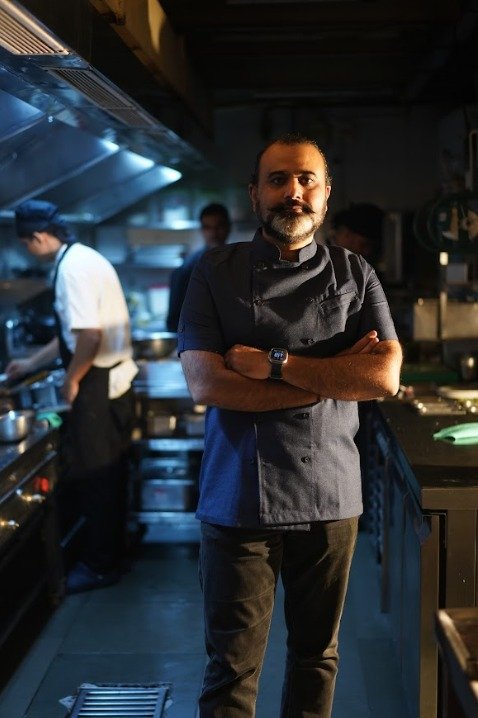
Nirav Gandhi,
President, Hotel And Restaurant Association (Western India)
HRAWI
1. How is culinary tourism evolving into a major driver of travel in India, influencing where travellers choose to go and how they experience a destination?
– Culinary tourism has evolved from being a delightful accompaniment to travel into a primary motivator for it. Today, travellers are not just visiting destinations and sampling local food, they are choosing destinations because of the food. This is a fundamental shift in how India travels. We are witnessing this transformation across Western India. Food trails, cooking classes, farm-to-table experiences and culinary festivals are now integral to the tourism offerings of these destinations. Social media has accelerated this trend. A single viral reel about a hidden gem or a regional delicacy can drive thousands of travellers to a previously unknown destination. The Indian traveller is more adventurous, more curious and more willing to explore than ever before and food is their gateway to understanding a place, its people and its culture.
For the hospitality industry, this presents immense opportunities. Hotels and restaurants are curating immersive culinary experiences including chef led market tours, heritage recipe revivals and seasonal menus that celebrate local produce. Restaurants have become destinations in themselves, with travellers planning entire itineraries around iconic dining experiences. We see culinary tourism as a powerful driver of regional economic growth. It supports local farmers, artisans and food producers while creating employment across the value chain. As we look ahead, we must invest in preserving our culinary heritage, training our chefs in regional cuisines and promoting India’s extraordinary food diversity on the global stage.
2. How can India leverage its diverse regional cuisines to promote lesser-known destinations, create local employment and generate greater economic value for communities?
– India’s culinary diversity is perhaps its most underutilised tourism asset. Every region of our country carries centuries of food heritage with unique ingredients, cooking techniques, and dining traditions that tell the story of its people and land. Yet, we have barely scratched the surface of what food tourism can do for our lesser known destinations. The hospitality industry has a critical role to play here. When we actively champion regional cuisines through our menus, at our events and through curated food experiences; we do far more than serve a meal. We create a gateway for travellers to discover destinations they may never have considered.
The multiplier effect of culinary tourism is significant. Local farmers, artisanal producers, home chefs and small eateries all benefit when food becomes a reason to travel. When hotels and restaurants source locally and celebrate indigenous produce, we keep economic value within the community rather than exporting it to urban supply chains. HRAWI strongly advocates for structured food tourism frameworks including culinary trails, certified regional food experiences and collaborations with State tourism boards to build awareness and accessibility around such gastronomic gems. We also believe hospitality training institutions must embed regional cuisine deeply into their curricula, so the next generation of chefs carries this knowledge forward with pride.
India does not need to borrow from the world to attract the world. Our diversity is our greatest strength. If we invest in it deliberately and inclusively, food tourism can be a powerful engine for employment, rural development and sustainable economic growth for communities that truly deserve to be on the map.
3. What role can hotels, restaurants, tourism boards and local food entrepreneurs play in building authentic, sustainable and globally appealing culinary tourism experiences?
India’s culinary tourism ecosystem thrives on the collaboration between hospitality leaders, standalone dining landmarks, tourism boards, and local food entrepreneurs. By preserving regional heritage, practicing sustainable sourcing, and offering immersive dining storytelling, these stakeholders transform daily meals into world-class cultural attractions. A premier blueprint for this synergy is Mandap, The Authentic Gujarati Thali Restaurant, located inside the Hotel Express Towers in Vadodara, Gujarat, which illustrates how regional heritage can be elevated into a globally appealing culinary experience.
4. With GI-tagged foods, traditional recipes, spice routes and food festivals gaining tourism relevance, how can India turn its culinary diversity into structured, high-value travel experiences?
– India is sitting on a goldmine of culinary heritage, and the growing global appetite for authentic, immersive travel experiences means the timing has never been better to act with intention and structure. GI tagged foods are a powerful starting point. A tag is not merely a certification; it is a story, a provenance and a promise of authenticity. When we build travel experiences around GI-tagged products like Darjeeling tea, Alphonso mangoes or Malabar pepper, we give discerning travellers a compelling reason to visit the source. The destination becomes the experience itself.
Similarly, India’s ancient spice routes hold enormous untapped potential. These are not just trade corridors from history; they are living, breathing trails that connect communities, flavours and landscapes across our coastline and heartland. With the right tourism infrastructure and storytelling, spice route journeys can rival the world’s most celebrated culinary trails. Food festivals, when curated thoughtfully, move beyond entertainment to become cultural embassies. We believe these events must be elevated from one-day showcases to multi-day immersive programmes incorporating cooking master classes with local artisans, farm and market visits, heritage walks and community dining; creating meaningful touch points that travellers will pay a premium for and return to.
State tourism boards, hospitality players, local Governments, and culinary institutions must align around a common framework, one that maps culinary assets, trains local guides and hosts, maintains quality standards and markets India’s food trails internationally with the same vigour we apply to monuments and landscapes. Traditional recipes passed down through generations are as much a national treasure as any UNESCO site. It is time we treated them accordingly and built an industry around preserving, celebrating and sharing them with the world.
5. How is culinary tourism creating economic opportunities across the wider ecosystem—including farmers, food producers, MSMEs, restaurants, hotels and local communities?
– Culinary tourism creates economic value well beyond the restaurant or hotel where a traveller eats. Food is increasingly becoming a reason to visit a destination, and this creates an ecosystem of opportunities extending from the producer to the consumer. For farmers and local food producers, the growing interest in regional and authentic cuisine can create stronger demand for indigenous ingredients, traditional produce and locally sourced products. This can encourage the preservation and commercialisation of food practices that may otherwise remain limited to their immediate communities. For MSMEs, it opens opportunities across food processing, artisanal products, packaged foods, specialty ingredients, catering and food experiences.
Hotels and restaurants are important bridges between these producers and travellers. By incorporating local ingredients, traditional recipes and regional culinary experiences into their offerings, hospitality establishments can create distinctive experiences while generating demand for local supply chains. Food festivals, farmers’ markets, culinary trails, cooking experiences and destination specific dining can further extend this economic activity beyond the premises of a hotel or restaurant.
There is also a strong cultural dimension to this opportunity. India’s culinary diversity is closely connected to its history, communities and regional identity. When local cuisine becomes part of the visitor experience, it creates an economic incentive to preserve traditional recipes, ingredients and food knowledge while presenting them to a wider audience. For the hospitality industry, the opportunity is therefore not simply to serve food, but to connect visitors with the people, produce and traditions behind it.
6. What role can initiatives such as Swadesh Darshan 2.0, Dekho Apna Desh and Challenge-Based Destination Development play in building India’s culinary tourism infrastructure and taking food tourism beyond major cities?
– Initiatives such as Swadesh Darshan 2.0 and Dekho Apna Desh can play an important role in taking culinary tourism beyond India’s established tourism centres by making food an integral part of destination development rather than treating it as an ancillary experience. Swadesh Darshan 2.0 already follows a destination and tourist centric approach, with emphasis on local communities, capacity building and entrepreneurship across the tourism value chain. As mentioned earlier Culinary experiences can be incorporated into destination plans through local food streets, regional food trails, farmers’ markets, community kitchens, culinary festivals and experiential dining. This can help create identifiable food led attractions in smaller cities, towns and rural destinations, while generating opportunities for local farmers, food producers, MSMEs, restaurants, homestays and hospitality businesses.
Dekho Apna Desh can complement this physical development through storytelling, digital promotion and campaigns that encourage travellers to discover India’s regional cuisines and the communities behind them. The Ministry has already used the initiative to engage citizens around their preferred tourism experiences and attractions.
The next step should be to connect these initiatives with a stronger farm-to-table and community led tourism ecosystem. Destination development should include training in food safety and hospitality, support for local entrepreneurs, improved hygiene and sanitation, appropriate food infrastructure and better market access. If Government programmes, local administrations and the hospitality industry work together to develop and promote these experiences, food can become a powerful reason to travel to lesser known destinations.
Vivek Batra,
General Manager
Taj Cidade de Goa
1. How is culinary tourism evolving into a major driver of travel in India, influencing where travellers choose to go and how they experience a destination?
Food has always been an important part of travel in India, but today we are seeing travellers take a much greater interest in the cuisine of a destination. They want to understand what is local, where ingredients come from and the stories and traditions behind what they are eating.
Goa is a very good example of this. While beaches continue to be a major attraction, Goan cuisine gives visitors another way to understand the destination. It reflects our coastal setting, Portuguese influences and generations of local traditions.
At Taj Cidade de Goa, we see dining as an important part of the overall destination experience. Introducing guests to local flavours, seafood, traditional preparations and regional ingredients helps them build a stronger connection with Goa. For hotels, this also means that food is no longer only an F&B offering. It has become an important part of how a guest experiences and remembers a destination.
2. How can India leverage its diverse regional cuisines to promote lesser-known destinations, create local employment and generate greater economic value for communities?
One of India’s greatest strengths is that our cuisine changes significantly as we travel from one region to another. Every state, and often every district, has something distinctive to offer.
There is a real opportunity to build travel experiences around these regional identities. A spice-growing region, a fishing village, a traditional bakery, a local market or even an ingredient that is unique to a particular area can become part of the reason for visiting a destination.
More importantly, the benefits can reach the local community. When hotels and restaurants source locally and travellers are encouraged to explore regional food, the opportunity extends to farmers, fishermen, home chefs, bakers, artisans and small businesses.
The Ministry of Tourism’s Swadesh Darshan 2.0 programme also places emphasis on local participation, skill development and encouraging entrepreneurship within tourism destinations. The direction is therefore very relevant to culinary tourism. The real success will be when tourism growth translates into greater opportunities for the people who live and work in these destinations.
3. What role can hotels, restaurants, tourism boards and local food entrepreneurs play in building authentic, sustainable and globally appealing culinary tourism experiences?
It has to be a collective effort.
Hotels can provide the platform and reach, restaurants and chefs can bring regional cuisine to life, tourism boards can promote these experiences and local entrepreneurs and producers bring the authenticity that travellers are increasingly looking for.
As hoteliers, I believe our role is to connect our guests with the destination. Luxury hospitality does not have to separate a traveller from local culture. In fact, some of the most memorable luxury experiences today are those that allow guests to discover a destination in a comfortable but very genuine manner.
There is also a responsibility to ensure that this development is sustainable. Using local and seasonal produce, supporting responsible sourcing, reducing food waste and preserving traditional recipes can all contribute towards building a stronger culinary tourism ecosystem.
4. With GI-tagged foods, traditional recipes, spice routes and food festivals gaining tourism relevance, how can India turn its culinary diversity into structured, high-value travel experiences?
GI-tagged products are particularly interesting because there is already a strong connection between the product and its place of origin.
In Goa, products such as Feni, Khola Chilli, Harmal Chilli and Goan Khaje have received GI recognition. Each of these has a story that can be presented to a traveller in a much more engaging way.
For example, an experience could include meeting a local producer, understanding how an ingredient is grown or produced, visiting a market and then seeing how the same ingredient is used by a chef. Suddenly, what may have been just another item on a menu becomes an experience that the guest associates with Goa.
The same approach can work across India with spices, tea, coffee, traditional sweets, regional produce and cooking techniques. What is important is that these experiences are organised well, are easy for travellers to discover and book, and most importantly, remain authentic.
5. How is culinary tourism creating economic opportunities across the wider ecosystem including farmers, food producers, MSMEs, restaurants, hotels and local communities?
The interesting thing about culinary tourism is how many people can benefit from one visitor’s experience.
What eventually reaches a restaurant table may involve a farmer, fisherman, spice grower, baker, local producer, transporter, chef and several small businesses along the way. When hotels source locally, particularly at scale, it can also provide local producers with more consistent demand.
There is an additional benefit when we tell guests where their food comes from. It creates awareness and gives recognition to the people and communities behind the product.
A guest travelling for food is also likely to spend beyond the restaurant. They may visit markets, purchase local products, explore neighbouring areas and use local transport and services. This allows tourism spending to move further into the local economy.
For Goa, this is particularly relevant. Our food, culture and communities can help visitors discover another side of the destination beyond its beaches.
6. What role can initiatives such as Swadesh Darshan 2.0, Dekho Apna Desh and Challenge-Based Destination Development play in building India’s culinary tourism infrastructure and taking food tourism beyond major cities?
These initiatives can help bring greater structure to something India already has in abundance.
Many of our most interesting food traditions are found outside the major cities, in smaller towns, villages, farming regions and coastal communities. For these places to become successful tourism experiences, however, good food alone is not enough. Connectivity, hygiene, infrastructure, trained people, signage, digital information and ease of access all matter.
Swadesh Darshan 2.0 takes a destination-focused approach and recognises the importance of infrastructure, destination management, skills, sustainability and local participation. Challenge-Based Destination Development also looks at areas such as connectivity, tourist services, food streets and digital interventions.
Initiatives such as Dekho Apna Desh can complement this by encouraging travellers to discover more of the country and bringing lesser-known destinations and regional experiences into consideration.
India already has the ingredients for becoming one of the world’s great culinary tourism destinations. We have the diversity, history, produce, recipes and people. The opportunity now is to present these experiences better, make them easier to discover and ensure that the communities preserving these traditions also benefit from the growth of tourism.
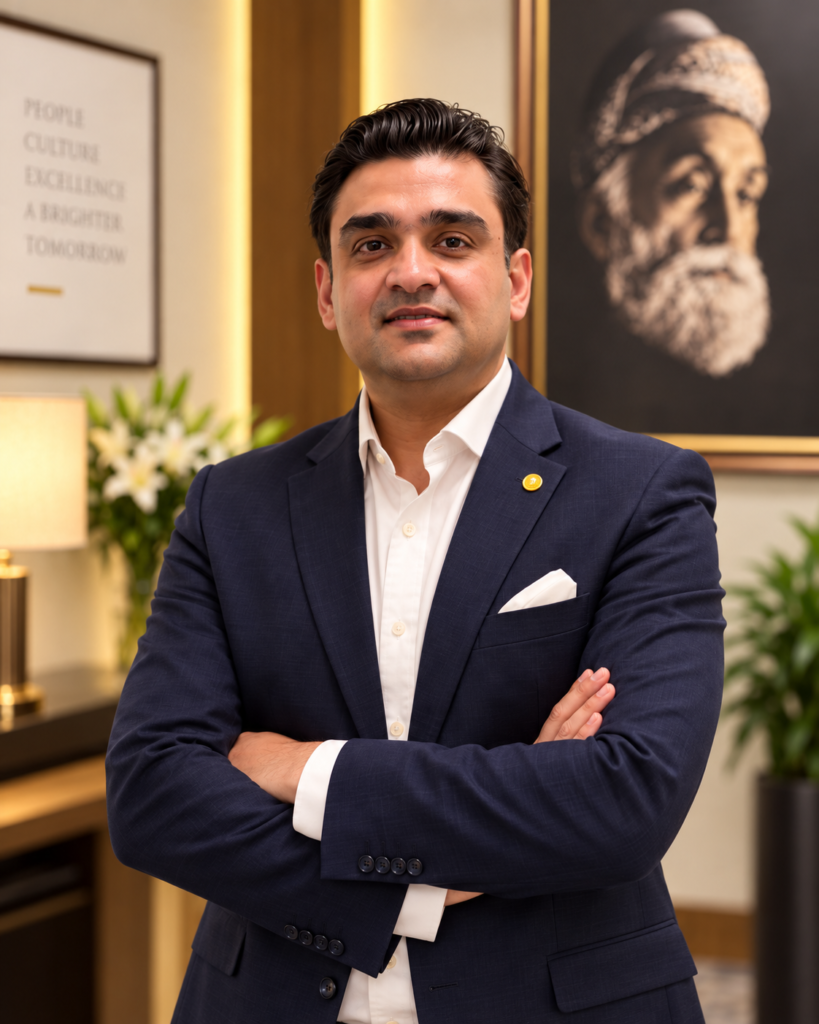
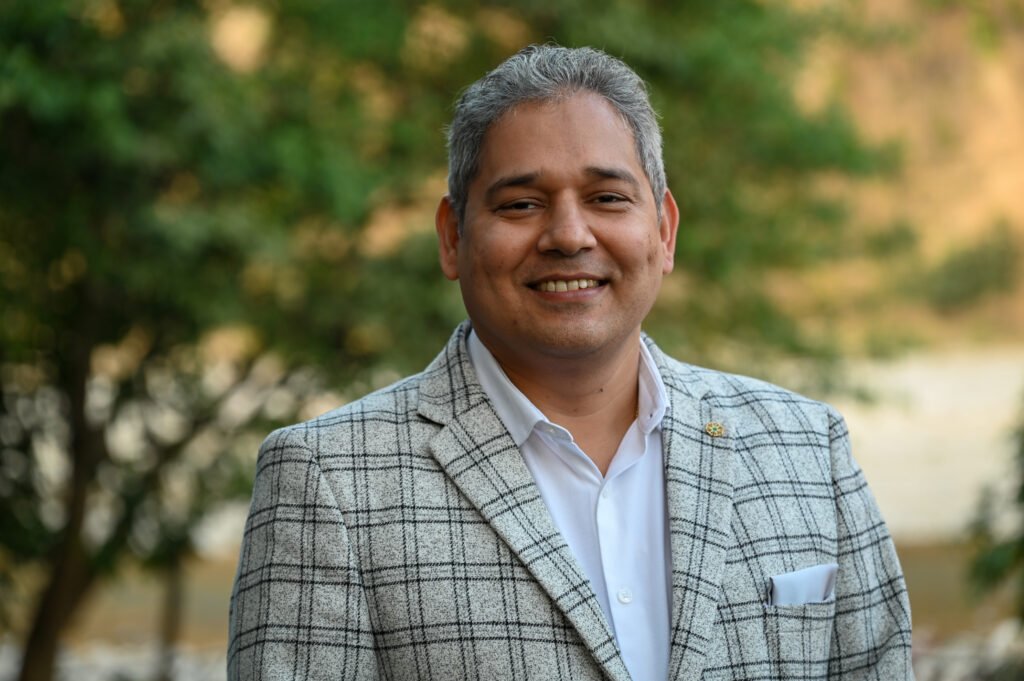
Nivedan Kukreti,
General Manager, Taj Corbett Resort & Spa.
How is culinary tourism evolving into a major driver of travel in India, influencing where travellers choose to go and how they experience a destination?
Culinary tourism is no longer just about what travellers eat during a holiday; it is increasingly influencing where they choose to travel in the first place. Guests today want experiences that help them connect with the culture, heritage and people of a destination through its food. At Taj Corbett Resort & Spa, we often find that guests are just as excited to discover the flavours of Uttarakhand as they are to explore the forests of Corbett. Whether it is enjoying a traditional Kumaoni Thali, dining by the Kosi River, or learning about indigenous ingredients such as mandua, jhangora and bhatt, these experiences create a genuine connection with the region. Food becomes a window into local life, making the destination more memorable and meaningful.
How can India leverage its diverse regional cuisines to promote lesser-known destinations, create local employment and generate greater economic value for communities?
India’s culinary diversity has the power to place lesser-known destinations firmly on the tourism map. Every region has unique ingredients, recipes and food traditions that tell the story of its people and culture. In the Kumaon region, traditional dishes made using mandua, jhangora, bhatt ki dal and seasonal mountain produce offer visitors a distinctive taste of Uttarakhand. At Taj Corbett Resort & Spa, we actively source many of these ingredients locally, creating opportunities for farmers, producer groups and self-help groups in the surrounding communities. By celebrating regional cuisines, destinations can attract travellers seeking authentic experiences while creating sustainable livelihoods and preserving local traditions.
What role can hotels, restaurants, tourism boards and local food entrepreneurs play in building authentic, sustainable and globally appealing culinary tourism experiences?
Authenticity is at the heart of successful culinary tourism. Hotels and restaurants have a responsibility not only to serve local food but also to preserve the stories and traditions behind it. At Taj Corbett Resort & Spa, some of our most appreciated regional dishes are prepared by local women from the community whom we have welcomed into our culinary team. Their knowledge of traditional recipes and cooking techniques ensures that the flavours presented to guests remain true to their roots. Alongside this, we source local ingredients wherever possible and work with community groups to strengthen the local supply chain. When combined with support from tourism boards and local entrepreneurs, these efforts help create tourism experiences that are both authentic and economically sustainable.
With GI-tagged foods, traditional recipes, spice routes and food festivals gaining tourism relevance, how can India turn its culinary diversity into structured, high-value travel experiences?
India’s culinary heritage offers immense opportunities to create curated, high-value tourism experiences. Food trails, regional gastronomy festivals, farm-to-table journeys and heritage dining experiences can all encourage travellers to engage more deeply with a destination. At Taj Corbett Resort & Spa, guests particularly enjoy experiences that combine local storytelling with traditional Uttarakhand cuisine and the natural beauty of the region. Experiences such as our Kumaoni Thali offerings allow visitors to understand the history, ingredients and cultural significance of the dishes they are enjoying. By creating structured culinary circuits around regional food heritage, India can elevate food tourism into a distinctive and globally competitive travel segment.
How is culinary tourism creating economic opportunities across the wider ecosystem—including farmers, food producers, MSMEs, restaurants, hotels and local communities?
One of the most impactful aspects of culinary tourism is the way it benefits multiple stakeholders beyond the hospitality sector. At Taj Corbett Resort & Spa, we actively source local produce and ingredients from nearby communities, helping support farmers, producer groups and self-help groups while bringing authentic flavours to our guests. Increased demand for local grains, vegetables, spices, honey and traditional food products generates opportunities across the supply chain, from cultivation and processing to packaging and hospitality. We also showcase locally produced products through our retail outlets within the resort, including products from the Government of Uttarakhand’s “House of Himalayas” initiative, enabling guests to take a part of the destination home with them while supporting local enterprises.
What role can initiatives such as Swadesh Darshan 2.0, Dekho Apna Desh and Challenge-Based Destination Development play in building India’s culinary tourism infrastructure and taking food tourism beyond major cities?
Government-led initiatives can significantly accelerate the growth of culinary tourism by creating infrastructure, promoting regional identities and encouraging experiential travel. Destinations such as Corbett are already known for wildlife and nature, but food can provide travellers with another compelling reason to visit and stay longer. Programmes such as Swadesh Darshan 2.0 and Dekho Apna Desh can help develop culinary trails, strengthen local producer networks, support food festivals and promote destination brands built around regional cuisine. By bringing greater visibility to regions such as Kumaon and supporting local food ecosystems, these initiatives can ensure that tourism growth reaches communities directly while preserving India’s rich culinary heritage.
Anoop Pandey
Vice President & General Manager
The Leela Palace Jaipur
How is culinary tourism evolving into a major driver of travel in India, influencing where travellers choose to go and how they experience a destination?
Culinary tourism has evolved significantly from simply being about trying local food. Today, food is increasingly a way for travellers to understand the history, culture and personality of a destination. For a luxury traveller, a memorable meal can be as important to the journey as a landmark or heritage site.
Jaipur is particularly well placed for this evolution because its culinary identity is deeply connected to Rajasthan’s royal heritage, local produce and generations-old cooking traditions. At The Leela Palace Jaipur, we see guests increasingly seeking experiences that tell a story rather than simply offer a meal.
Our culinary offering reflects this diversity through five distinctive food and beverage outlets, each creating a different expression of the destination. At Jamavar, the culinary narrative draws from India’s royal kitchens, with the setting itself inspired by the grandeur of Jaipur’s Sheesh Mahal through extensive Thikri mirrorwork. The Amber Terrace brings a contemporary expression to the Palace, combining modern Asian-inspired cuisine with its distinctive Root to Fruit cocktail philosophy, while offering views of the Aravallis.
At The Peacock Lounge, the experience is centred around refined, relaxed indulgence, while The Aravalli Dining Room offers an all-day dining experience that brings together global flavours in an elegant setting. Jharokha Bar adds another dimension to the culinary journey, with a sophisticated setting focused on an extensive selection of spirits and thoughtfully crafted beverages.
Together, these experiences allow guests to move beyond a conventional dining experience and explore different interpretations of cuisine, ingredients, hospitality and place within the Palace itself.
For us, culinary tourism is therefore about allowing guests to taste a destination, understand its stories and experience its culture through food and hospitality.
How can India leverage its diverse regional cuisines to promote lesser-known destinations, create local employment and generate greater economic value for communities?
India’s greatest strength is the sheer diversity of its regional food cultures. Every region has ingredients, techniques, recipes and food traditions that can become a reason to travel.
The opportunity lies in moving beyond presenting regional cuisine simply as a menu and instead creating complete experiences around it. A traveller could discover a local ingredient at its source, meet the producer or artisan, understand its history and then experience it through a thoughtfully curated meal.
For Jaipur and Rajasthan, this could mean creating greater visibility for indigenous ingredients, traditional cooking techniques, regional recipes and local food producers. Hotels can play an important role by bringing these elements into contemporary dining while maintaining their authenticity.
At The Leela Palace Jaipur, our culinary philosophy is centred around connecting Indian culinary heritage with contemporary luxury. Jamavar, for example, celebrates the royal kitchens of India while incorporating Rajasthan-inspired dishes and locally sourced ingredients into its culinary narrative.
When hotels create sustained demand for regional ingredients and traditional skills, the economic benefit can extend well beyond the dining room- to farmers, producers, artisans, chefs, suppliers and local communities.
What role can hotels, restaurants, tourism boards and local food entrepreneurs play in building authentic, sustainable and globally appealing culinary tourism experiences?
Each stakeholder has a different but complementary role to play.
Hotels and restaurants can act as curators and storytellers, bringing local cuisine into contemporary formats without losing its cultural context. Tourism boards can create visibility for culinary trails, food festivals, regional food destinations and local producers. Food entrepreneurs can bring authenticity, innovation and a strong connection to the local community.
The key is collaboration. Culinary tourism becomes more meaningful when a destination’s food ecosystem – from farmers and producers to chefs, restaurants and hospitality businesses-is connected.
For luxury hospitality, the responsibility is also to ensure that regional cuisine is not reduced to a stereotype. It should be presented with context, respect and an understanding of its origins.
At The Leela Palace Jaipur, we look at culinary experiences as part of the larger destination experience. Our portfolio spans Indian and Rajasthani culinary traditions as well as global cuisine, allowing guests to experience different expressions of food while remaining connected to the character of Jaipur.
With GI-tagged foods, traditional recipes, spice routes and food festivals gaining tourism relevance, how can India turn its culinary diversity into structured, high-value travel experiences?
The opportunity is to move from food as an offering to food as an itinerary.
A high-value culinary experience could bring together a local market visit, an introduction to regional ingredients, a conversation with a producer or artisan, a traditional cooking demonstration and finally a curated meal that brings the story together.
India can also build thematic culinary trails around regional cuisines, traditional cooking techniques, indigenous ingredients, royal kitchens, temple food and historic trade routes. This would allow travellers to discover destinations through multiple touchpoints rather than experiencing cuisine in isolation.
For Jaipur, the connection between royal heritage and food provides a particularly rich foundation. At The Leela Palace Jaipur, our culinary experiences seek to create those connections between food, place and heritage- whether through the royal culinary narrative of Jamavar or experiences that bring guests closer to Rajasthan’s food traditions.
The opportunity is to package these elements thoughtfully for the international traveller while ensuring that the communities and traditions behind them remain at the heart of the experience.
How is culinary tourism creating economic opportunities across the wider ecosystem—including farmers, food producers, MSMEs, restaurants, hotels and local communities?
Culinary tourism has a multiplier effect because food connects a remarkably broad ecosystem.
A single culinary experience can create demand for locally grown produce, traditional ingredients, artisanal products, regional food producers, transportation, hospitality, restaurants and skilled culinary professionals. When that demand is sustained, it can help preserve traditional skills and create new opportunities for younger generations to participate in the local food economy.
For Rajasthan, this is particularly relevant because many culinary traditions are closely connected to local ingredients, preservation techniques and generations of knowledge.
Hotels can contribute by creating consistent markets for regional produce and by giving local ingredients and culinary traditions visibility among domestic and international travellers. The objective should be to ensure that the value created by culinary tourism extends beyond the hotel or restaurant and reaches the wider destination ecosystem.
What role can initiatives such as Swadesh Darshan 2.0, Dekho Apna Desh and Challenge-Based Destination Development play in building India’s culinary tourism infrastructure and taking food tourism beyond major cities?
Government-led tourism initiatives can provide an important framework for developing culinary tourism as part of destination development rather than treating it as an independent activity.
Swadesh Darshan 2.0, for instance, places emphasis on developing sustainable and responsible tourism destinations, including environmental, socio-cultural and economic sustainability, while encouraging consultation with local communities and stakeholders. The Ministry of Tourism has also positioned Challenge-Based Destination Development under Swadesh Darshan 2.0 as a way of taking a more holistic approach to the destination and the entire tourism value chain.
For culinary tourism, this creates an opportunity to develop food trails, local markets, culinary festivals, producer experiences, regional food hubs and destination-based culinary circuits alongside broader tourism infrastructure.
The next step is to ensure that these initiatives connect travellers with the communities and stories behind the food. Taking culinary tourism beyond major cities could unlock significant opportunities for smaller destinations where food traditions remain deeply rooted in local culture.
From our perspective at The Leela Palace Jaipur, the future of culinary tourism lies in creating experiences where food becomes a gateway to discovering the destination- its people, history, ingredients, craftsmanship and culture. That is where Indian cuisine can become not just part of the travel experience, but one of the reasons travellers choose India in the first place.


Rubin Cherian,
General Manager
Novotel Hyderabad Convention Centre & HICC
1. How is culinary tourism evolving into a major driver of travel in India, influencing where travellers choose to go and how they experience a destination?
Culinary tourism has evolved from being an element of travel to becoming an experience in its own right. Travellers today increasingly want to understand a destination through its food—its ingredients, cooking techniques, traditions and the stories behind them. In India, this creates an extraordinary opportunity because every region has a distinct culinary identity.
At Novotel Hyderabad Convention Centre & HICC, we see food playing an increasingly important role in the overall guest experience, particularly for MICE and bleisure travellers. A conference delegate may arrive for business, but their memories of Hyderabad can also be shaped by the cuisine they experience, the local ingredients they discover and the cultural context behind a dish.
Hyderabad itself is an excellent example of how food can become a gateway to a destination. Its culinary heritage, from traditional Hyderabadi preparations to the broader flavours of Telangana and the Deccan, offers visitors an experience that goes beyond conventional sightseeing.
For hotels, culinary tourism is also an opportunity to make dining more experiential, through chef-led experiences, regional menus, local sourcing and storytelling. The future of culinary travel in India will be about moving from simply asking, “What can I eat here?” to “What can this food tell me about this place?”
2. How can India leverage its diverse regional cuisines to promote lesser-known destinations, create local employment and generate greater economic value for communities?
India’s culinary diversity provides a powerful opportunity to take tourism beyond the traditional gateway cities. Every region has ingredients, recipes, food traditions and culinary communities that can become tourism assets when presented authentically.
The key is to build experiences around the ecosystem rather than simply promoting a dish. Visitors can be taken to local farms, traditional kitchens, food markets, artisan producers and community-run establishments, allowing them to understand how food travels from the producer to the plate.
This approach can create economic opportunities for farmers, small food producers, home chefs, artisans, guides, transport providers and local hospitality businesses. It also encourages visitors to spend more time in a destination, increasing the economic value generated per traveller.
At Novotel Hyderabad Convention Centre & HICC, we see the value of connecting hospitality with the local destination. Our culinary approach includes fresh, seasonal and locally sourced produce, while our event experiences can incorporate local highlights and cultural experiences for delegates. This allows business travellers to experience Hyderabad beyond the convention venue.
For lesser-known destinations, culinary tourism can therefore become a bridge between tourism and local enterprise, creating employment while helping preserve regional food traditions.
3. What role can hotels, restaurants, tourism boards and local food entrepreneurs play in building authentic, sustainable and globally appealing culinary tourism experiences?
The strongest culinary tourism experiences will come from collaboration rather than isolated efforts. Tourism boards can create destination narratives and infrastructure; hotels and restaurants can provide professional platforms and consistency, and local food entrepreneurs can bring authenticity and cultural depth.
Hotels have a particularly important role because they are often the first point of contact for travellers. At Novotel Hyderabad Convention Centre & HICC, we look at dining not simply as a service but as part of the destination experience. Our chefs work with fresh, seasonal and local produce, while our culinary offerings can cater to both international expectations and local preferences.
The opportunity is to introduce visitors to regional cuisine without losing its authenticity. This can include chef-led regional menus, local ingredient showcases, curated food trails, traditional cooking experiences and collaborations with local producers.
Sustainability must also be part of the equation. Responsible sourcing, minimising food waste and supporting local suppliers ensure that culinary tourism creates value beyond the dining table.
When hotels, tourism authorities, local communities and entrepreneurs work together, food becomes more than a hospitality offering, it becomes a vehicle for destination storytelling, cultural preservation and inclusive economic development.
4. With GI-tagged foods, traditional recipes, spice routes and food festivals gaining tourism relevance, how can India turn its culinary diversity into structured, high-value travel experiences?
India can move from promoting individual foods to creating complete culinary journeys around them. A GI-tagged product, for example, can become the starting point for an experience that includes its origin, production process, local community, traditional preparation and final tasting.
Similarly, traditional recipes and historic spice routes can be developed into themed itineraries combining food, culture, heritage and nature. Food festivals can evolve beyond short-duration events into platforms that encourage travellers to explore the destination itself.
Hotels can play a role by acting as experience curators. At Novotel Hyderabad Convention Centre & HICC, our location, culinary offerings and ability to host large-scale events give us an opportunity to introduce delegates and leisure travellers to Hyderabad’s food and cultural identity.
The focus should be on authenticity, storytelling and quality rather than simply increasing the number of food experiences available. When travellers understand the people and traditions behind what they are eating, the experience becomes more memorable and valuable.
A structured culinary tourism ecosystem can ultimately encourage longer stays, higher local spending and greater visibility for regional destinations.
5. How is culinary tourism creating economic opportunities across the wider ecosystem—including farmers, food producers, MSMEs, restaurants, hotels and local communities?
Culinary tourism has a multiplier effect because the experience begins well before the guest sits down at a restaurant. It involves farmers, fishermen, food producers, processors, transporters, artisans, chefs, restaurants, hotels, guides and local entrepreneurs.
When hospitality businesses source locally and responsibly, more of the economic value can remain within the destination. It can also encourage demand for indigenous ingredients and traditional production methods that might otherwise decline.
At Novotel Hyderabad Convention Centre & HICC, our culinary operations place importance on fresh, seasonal and local produce, while our event menus are designed to accommodate diverse preferences and dietary requirements.
For MICE destinations such as Hyderabad, the opportunity is particularly significant. Large conferences and events bring thousands of visitors who can experience local cuisine while creating demand across the wider hospitality ecosystem.
The next step is to make these connections more visible to travellers. When guests understand where ingredients come from and who produces them, food becomes a direct connection between tourism and the local economy.
6. What role can initiatives such as Swadesh Darshan 2.0, Dekho Apna Desh and Challenge-Based Destination Development play in building India’s culinary tourism infrastructure and taking food tourism beyond major cities?
Government-led destination development programmes can provide the infrastructure and framework required to take culinary tourism deeper into India. Initiatives such as Swadesh Darshan 2.0 and Dekho Apna Desh can help destinations move beyond conventional sightseeing and develop experiences around local culture, cuisine, crafts and communities.
The opportunity is to identify culinary clusters and connect them with better roads, signage, visitor facilities, digital discovery, trained local guides and hospitality infrastructure. Challenge-based destination development can also encourage local innovation by bringing together entrepreneurs, communities and tourism stakeholders to solve destination-specific challenges.
The private hospitality sector can complement this by creating demand and connecting travellers with these experiences. At Novotel Hyderabad Convention Centre & HICC, we already see the value of integrating local highlights, tours and cultural experiences into MICE programmes, allowing delegates to experience Hyderabad beyond the convention environment.
The objective should be to build a connected ecosystem where food is not an isolated attraction but part of a broader destination experience.
Manish Uniyal,
Executive Chef
Hyatt Regency Chennai
1. How is culinary tourism evolving into a major driver of travel in India?
Food has always been a part of Indian travel, but today it is becoming a reason to travel rather than simply something we experience after reaching a destination.
As a chef, I see a clear change in the way guests think about food. They want to know where an ingredient comes from, who grows it, how a dish is prepared and what story sits behind it. A traveller visiting Kerala may want to experience a traditional sadya, while someone travelling to Rajasthan may look for an authentic local thali or a community-led cooking experience.
This is particularly important for India because our cuisine changes dramatically every few hundred kilometres. The food of Kashmir is very different from Tamil Nadu, and even within Tamil Nadu, the food traditions of Chettinad, Kongunadu and the coastal regions are different.
Hotels and destinations therefore have an opportunity to make food part of the destination story. A good culinary experience can become something a traveller remembers long after the sightseeing is over.
I believe the next stage of Indian tourism will be about moving from “seeing a place” to “experiencing a place” — and food is one of the most powerful ways to do that.
2. How can India leverage regional cuisines to promote lesser-known destinations?
India doesn’t need to invent new attractions everywhere. In many places, the attraction is already sitting in the kitchen.
Regional cuisine can give lesser-known destinations a distinct identity. A destination can build experiences around local farms, traditional recipes, indigenous ingredients, home kitchens, food walks, markets and local festivals.
For this to work, the local community has to be at the centre. A farmer supplying an heirloom rice, a home cook preparing a traditional dish, a local fisherman or a small food producer should all have a place in the tourism value chain.
The opportunity is not only to bring tourists into a village for a meal. It is to create an ecosystem where accommodation, transport, guides, farmers, artisans, restaurants and food producers all benefit.
From a chef’s perspective, authenticity is extremely important here. We should not take a traditional dish, change everything about it and then call it authentic. We can modernise presentation, but we must respect the ingredients, techniques and story.
That is how food can become an economic asset for communities rather than simply another tourist attraction.
3. What role can hotels, restaurants, tourism boards and food entrepreneurs play?
Each stakeholder has a different role, but they have to work together.
Tourism boards can identify and promote culinary trails. Hotels can bring these experiences to guests through curated menus, chef-led dinners, local ingredient showcases and excursions. Restaurants can become storytellers for regional cuisine, while small food entrepreneurs can provide the authenticity and local connection that larger organisations may not have.
Hotels, in particular, can act as a bridge between the traveller and the local community. Instead of simply putting a regional dish on a buffet, we can tell the guest who produces the ingredient, why the dish is important and how it is traditionally prepared.
There is also a responsibility to make culinary tourism sustainable. Local sourcing should not become a marketing statement alone. We should build long-term relationships with farmers and producers, reduce waste and respect seasonality.
If we get this right, the guest gets a memorable experience, the chef gets a story to tell, the destination gets a stronger identity and the local community gets an economic opportunity.
That, to me, is the real meaning of culinary tourism.
4. How can India turn culinary diversity into structured, high-value travel experiences?
We need to move from isolated food festivals and promotional menus towards proper culinary tourism circuits.
Imagine a traveller booking a “Coastal Karnataka Food Trail” or a “Chettinad Culinary Journey”. The experience could include a local market visit, meeting farmers or producers, a traditional cooking session, a regional meal, visits to food-producing communities and perhaps a stay at a heritage property.
GI-tagged products can become important anchors for such experiences. But the GI tag should not be the end of the story. The traveller should understand the people, geography and traditions behind the product.
Food festivals can also become gateways into longer tourism programmes rather than one-day events.
Hotels have a major role to play here. We can curate local experiences for our guests, partner with authentic producers and create menus that encourage guests to explore the region outside the hotel.
India already has enormous culinary wealth. The next step is packaging it professionally without commercialising away its authenticity.
The opportunity is to make food a complete travel experience — not just a meal included in the itinerary.
5. How is culinary tourism creating opportunities across the wider ecosystem?
The beautiful thing about food tourism is that its economic impact can spread far beyond the restaurant.
When a hotel decides to genuinely promote local cuisine, it can create demand for local vegetables, grains, spices, seafood, dairy products, pickles, sweets and traditional food products. That creates opportunities for farmers, fishermen, processors, small manufacturers, women-led enterprises and MSMEs.
There is also a second layer of employment — guides, drivers, cooks, food storytellers, photographers, artisans and local experience providers.
As chefs, we often think about the final plate. But behind that plate is an entire supply chain.
If tourism increases demand for a local ingredient, the community producing that ingredient should see a meaningful share of the value. This is why direct and transparent relationships with producers are important.
Culinary tourism can therefore become a very inclusive form of tourism. It doesn’t necessarily require a large five-star hotel to create value. A small homestay, family-run restaurant or local food producer can become part of the experience.
The more of that value which stays within the destination, the stronger and more sustainable the tourism model becomes.
6. What role can Swadesh Darshan 2.0, Dekho Apna Desh and Challenge-Based Destination Development play?
These initiatives can help move Indian tourism from attraction-based promotion towards destination-based experiences.
Swadesh Darshan 2.0 specifically focuses on sustainable and responsible destination development, with emphasis on local communities, entrepreneurship, capacity building and the overall visitor experience. Challenge-Based Destination Development also follows an integrated approach to developing destinations.
This creates an interesting opportunity for culinary tourism.
A destination could develop a complete food ecosystem around its local identity — food streets, markets, culinary trails, festivals, farm experiences, local restaurants and trained food guides.
Dekho Apna Desh also provides an opportunity to introduce Indians to destinations beyond the traditional tourist circuits.
My view as a chef is simple: if we want travellers to discover new India, we should give them something meaningful to taste when they get there.
Food can become the bridge between infrastructure, culture, employment and tourism.
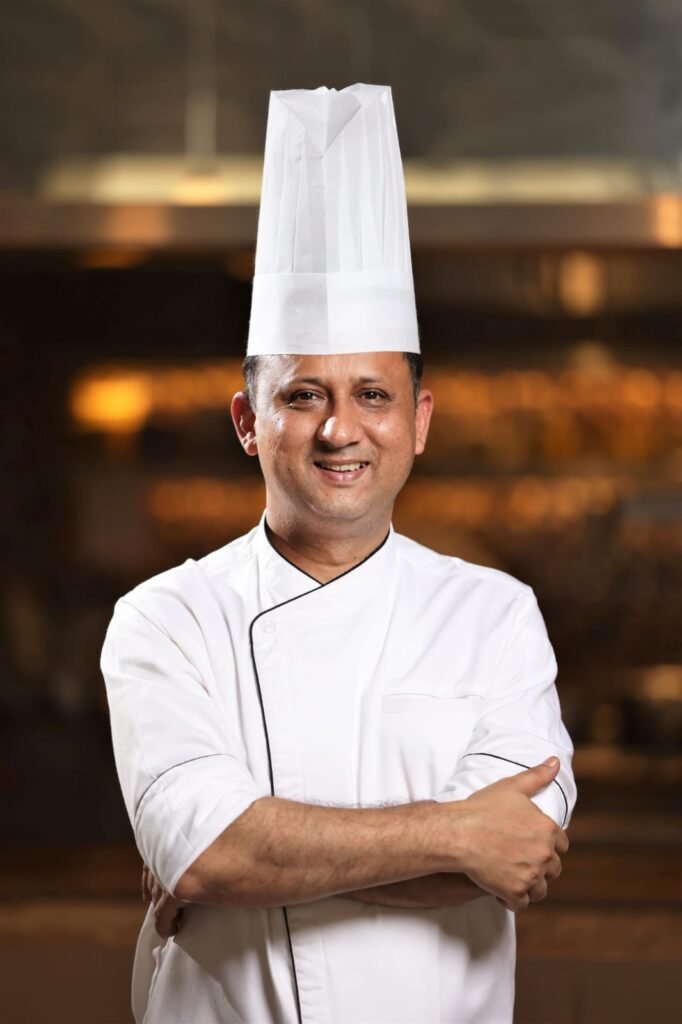

Mahesh Padala
General Manager
Courtyard by Marriott Madurai
1. How is culinary tourism evolving into a major driver of travel in India?
At Courtyard by Marriott Madurai, we have seen how food can become a genuine gateway to a destination. We have consciously moved beyond treating our restaurants as dining venues and created experiences such as The Southern Treasures, The Rowther Legacy Brunch Tales, Namma Veetu Kalyanam, Pongal Santhai and Sarakku Norukku, where cuisine is connected with culture, heritage and storytelling. The Southern Treasures, for instance, brought four South Indian culinary identities to Madurai through four chefs, four states and four weekends. Experiences like these demonstrate that guests are not only looking for a meal; they are looking for a story, a connection and something they can take away from the destination.
2. How can India leverage its diverse regional cuisines to promote lesser-known destinations?
I believe India’s regional cuisines can become powerful destination ambassadors. We have seen this through our own culinary programming, where we have brought Kongunadu, Arcot, Bengal, Amritsar, Kerala and other regional food cultures to our guests in Madurai. These experiences create curiosity about the people, history and traditions behind the cuisine. At the same time, working with regional chefs and local producers creates opportunities beyond the hotel itself. If hotels, tourism boards and local entrepreneurs collectively build such experiences, food can encourage travellers to explore destinations and communities they may otherwise overlook.
3. What role can hotels, restaurants, tourism boards and local food entrepreneurs play?
Hotels can provide the platform, but authenticity comes from the people and stories behind the cuisine. At our hotel, we have worked with chefs and culinary concepts to bring regional identities to life rather than simply changing a menu. The Southern Treasures, for example, brought together chefs from Andhra Pradesh, Karnataka, Kerala and Tamil Nadu, supported by regional storytelling and cultural elements. Similarly, The Rowther Legacy Brunch Tales connected food with Madurai’s heritage. I believe tourism boards, hotels, chefs and local entrepreneurs need to work together to create experiences that are authentic enough to represent a region and professionally curated enough to appeal to today’s traveller.
4. How can India turn its culinary diversity into structured, high-value travel experiences?
Our experience with The Southern Treasures showed us that a culinary concept becomes far more engaging when it is designed as a journey rather than simply a menu. We brought four chefs, four states and four weekends together, supported by regional storytelling and cultural expressions such as Kathakali, Bharatanatyam, Yakshagana and Kuchipudi. Similarly, concepts such as Pongal Santhai and Namma Veetu Kalyanam used traditional celebrations as the foundation for immersive dining. I see significant potential to build similar bookable culinary trails around GI products, festivals, traditional recipes and regional food cultures. The opportunity is to package India’s culinary heritage as an experience, not just a cuisine.
5. How is culinary tourism creating economic opportunities across the wider ecosystem?
Culinary tourism creates value far beyond the restaurant. When we develop regional culinary experiences, we engage chefs, producers, suppliers and creative partners, while also creating a platform for regional ingredients and food traditions. The Southern Treasures, for example, brought visiting regional chefs and their culinary knowledge directly to guests in Madurai. Experiences such as these create visibility for the wider ecosystem while giving travellers a reason to discover something new. I believe hotels can play an important role in connecting local and regional producers with a larger tourism audience, turning the hotel kitchen into a link between the destination’s communities and the traveller.
6. What role can Swadesh Darshan 2.0, Dekho Apna Desh and destination-development initiatives play?
These initiatives can help create the larger ecosystem in which experiences like culinary tourism can thrive. From our experience, a destination becomes more compelling when food, culture and heritage are presented together. Madurai has an extraordinary culinary identity, and hotels can complement the destination by introducing guests to experiences around local food, traditions and communities. With stronger connectivity, digital discovery, visitor infrastructure and public-private collaboration, emerging destinations can build their own culinary narratives. I believe the next opportunity is to look at food as part of destination development itself, rather than as a standalone hospitality offering
Vikas Suri,
Vice President, Operations & Development
1. How is culinary tourism evolving into a major driver of travel in India, influencing where travellers choose to go and how they experience a destination?
Culinary tourism is increasingly influencing not only what travellers eat, but also where they choose to travel. With over 70 operational properties across pilgrimage destinations, hills, wildlife regions and city centres, we see a growing interest among guests in discovering a destination through its local flavours, ingredients and food traditions.
For hotels, regional cuisine can become an important part of the destination experience. For example, Amritsar’s Punjabi cuisine, Lucknow’s Awadhi food, Rajasthan’s Dal Baati Churma, Gujarat’s Kathiawadi cuisine and Himachal’s traditional dishes can all become reasons for travellers to explore and spend more time at a destination.
Food festivals can further strengthen this proposition. A hotel can curate a “Flavours of the Region” festival where local chefs, home cooks, farmers, food producers and even local artists participate. This gives guests an opportunity not just to taste authentic food, but also to understand the culture, music, crafts and stories associated with the destination.
In this way, the hotel becomes more than a place to stay—it becomes a platform through which the guest experiences the destination.
2. How can India leverage its diverse regional cuisines to promote lesser-known destinations, create local employment and generate greater economic value for communities?
India can use regional cuisine as a powerful tool to create a distinct identity for lesser-known destinations. Hotels have an important role to play because they can bring local food directly to the traveller in a comfortable and professionally presented environment.
For example, a hotel in a smaller destination can organise a monthly or seasonal regional food festival, featuring local recipes and ingredients sourced from surrounding villages. The experience can go beyond food by involving local folk musicians, dancers, artisans and handicraft producers, allowing them to interact directly with hotel guests.
This creates a more immersive experience for the traveller while generating additional business for the local community. A farmer supplying local produce, a traditional cook preparing a regional dish, an artisan demonstrating his craft and a local artist performing for guests can all become part of the same tourism ecosystem.
This approach can help hotels create destination-specific experiences, while ensuring that a larger portion of tourism spending reaches local communities.
3. What role can hotels, restaurants, tourism boards and local food entrepreneurs play in building authentic, sustainable and globally appealing culinary tourism experiences?
The opportunity is to create experiences around food in the same way that several international destinations have successfully created experiences around wine, cheese and chocolate.
In Europe, for example, wine tourism is not limited to tasting wine. Travellers visit vineyards, understand the production process, meet winemakers, taste local food and purchase products. Similarly, chocolate tourism can combine factory or workshop visits, tasting sessions, demonstrations and local storytelling.
India can develop similar experiences around its own culinary strengths. A spice trail in Kerala, a tea experience in Assam or Darjeeling, a traditional sweets trail in Rajasthan or Bengal, a mango experience in Uttar Pradesh, or a millet-based culinary experience in Karnataka could combine production, storytelling, tasting and retail.
Hotels can become the starting point for these experiences by curating local food walks, chef-led tasting menus, farm visits, cooking demonstrations and regional food festivals. Tourism boards can develop the destination circuit, while local entrepreneurs and producers provide the authentic product and experience.
The objective should be to move from simply “serving regional food” to “selling the story and experience behind the food.”
4. With GI-tagged foods, traditional recipes, spice routes and food festivals gaining tourism relevance, how can India turn its culinary diversity into structured, high-value travel experiences?
India has an enormous opportunity because many of its food products already have a strong geographical and cultural identity through GI recognition.
Some examples include Darjeeling Tea, Basmati Rice, Alphonso Mango, Banarasi Langda Mango, Ratnagiri Mango, Nagpur Orange, Dharwad Pedha, Bikaneri Bhujia, Kanchipuram Idli, Mahabaleshwar Strawberry and Malabar Pepper.
These products can become anchors for structured culinary circuits. A hotel could work with tourism authorities and local producers to create packages combining a destination visit, local market experience, farm or production visit, chef demonstration, tasting session and a curated meal.
For example, a pilgrimage circuit could include a traditional local-food experience; a hill destination could combine tea or fruit experiences with a regional dinner; and a coastal destination could create a seafood and spice trail.
Food festivals can then become annual destination events, giving travellers an additional reason to visit during specific periods and creating a recurring economic opportunity for hotels and local businesses.
5. How is culinary tourism creating economic opportunities across the wider ecosystem including farmers, food producers, MSMEs, restaurants, hotels and local communities?
Culinary tourism has the potential to create a much wider economic chain than conventional hotel consumption.
When a hotel consciously promotes local cuisine, the impact can begin with the farmer supplying local vegetables, spices, fruits, grains or dairy products. It can extend to local food processors, traditional sweet makers, bakers, fishermen, small-scale producers, packaging suppliers and MSMEs. The hotel then adds value through professional kitchens, service, presentation and storytelling.
There is also a strong opportunity for employment and entrepreneurship among local communities. Traditional cooks can be engaged for food festivals or demonstrations; artisans can showcase handicrafts; and local musicians and performers can become part of the guest experience.
Hotels can also create a “local products shelf” or culinary boutique, allowing guests to purchase regional spices, pickles, sweets, teas, coffee, honey or other speciality products. This extends the economic impact beyond the guest’s stay.
From a hotel perspective, this also creates an opportunity to develop higher-value experiences rather than simply selling a meal. A regional dinner, chef interaction, cooking class, farm visit, tasting experience or food festival can generate additional revenue while strengthening the hotel’s connection with the destination.
Ultimately, culinary tourism can create a virtuous cycle: local sourcing supports the community, the community strengthens the authenticity of the hotel experience, and that distinctive experience gives travellers another reason to visit the destination.
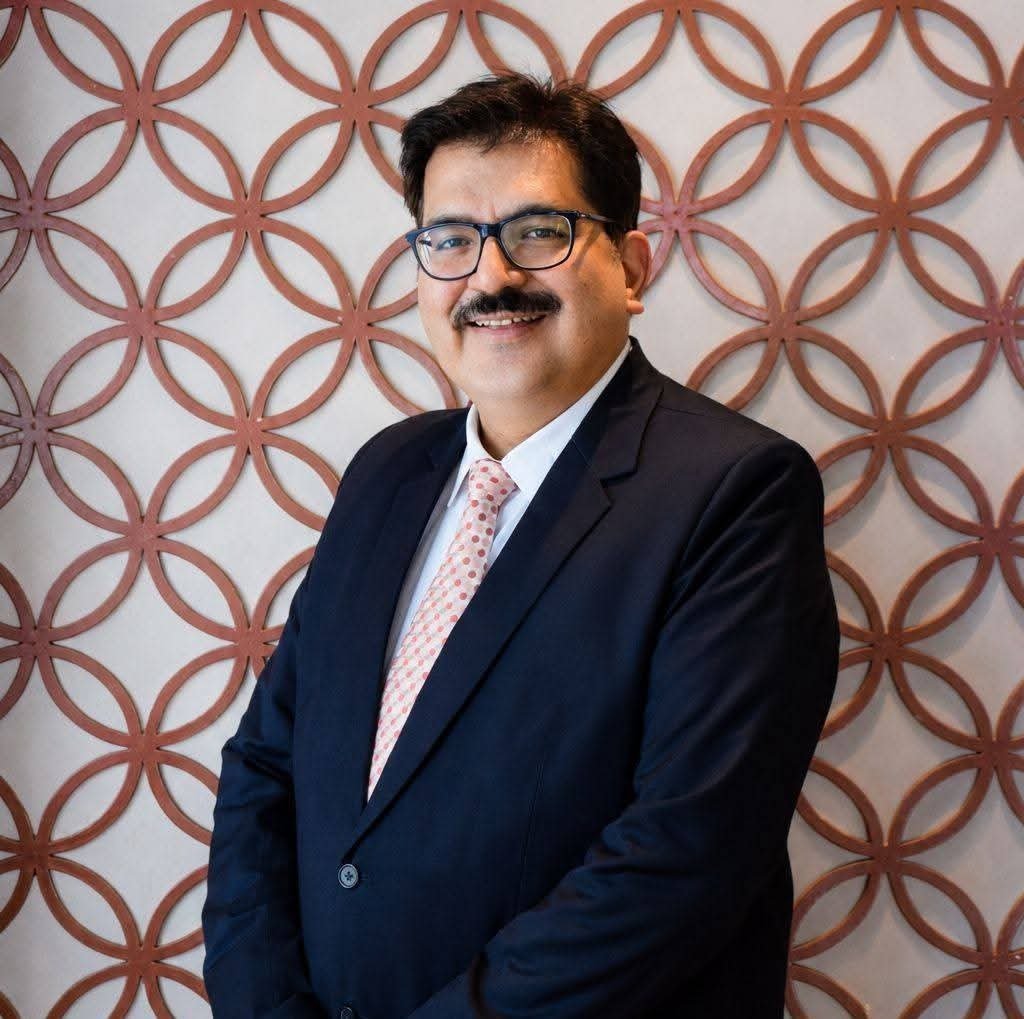
Chef Deepak Verma
Senior Sous Chef at Le Meridien, New Delhi
What role can hotels, restaurants, tourism boards and local food entrepreneurs play in building authentic, sustainable and globally appealing culinary tourism experiences?
Culinary tourism has emerged as an important opportunity for the hospitality industry, allowing destinations to showcase their cultural identity through food, traditional cooking methods and regional ingredients. Hotels, restaurants, tourism boards and local food entrepreneurs can collectively shape experiences that appeal to international travellers while supporting local communities.
Hotels can play a key role by integrating regional cuisine into their menus, collaborating with local farmers and sourcing seasonal ingredients. Restaurants, meanwhile, can introduce guests to authentic culinary traditions through regional specialities, chef-led experiences and storytelling that connects dishes with their cultural origins. The challenge is to adapt food for global audiences without losing its authenticity.
Tourism boards can strengthen culinary destinations by developing food trails, gastronomic festivals, local market tours and destination-specific culinary campaigns. Such initiatives can help promote lesser-known food traditions and encourage visitors to explore communities beyond established tourist attractions.
Local food entrepreneurs, including independent chefs, artisans, farmers and traditional food producers, bring valuable knowledge and cultural authenticity to the tourism ecosystem. Supporting these businesses through partnerships, training and market access can create economic opportunities while preserving regional food heritage.
Sustainability should remain central to culinary tourism development. Responsible sourcing, reducing food waste, promoting local supply chains and adopting environmentally conscious practices can help businesses create experiences with long-term value.
The future of culinary tourism depends on collaboration across the hospitality and tourism ecosystem. By combining authentic food traditions with thoughtful innovation, destinations can create globally appealing experiences that celebrate local identity, strengthen livelihoods and encourage responsible travel. Culinary tourism should not simply introduce travellers to a destination’s food; it should help them understand the culture, people and stories behind every dish.
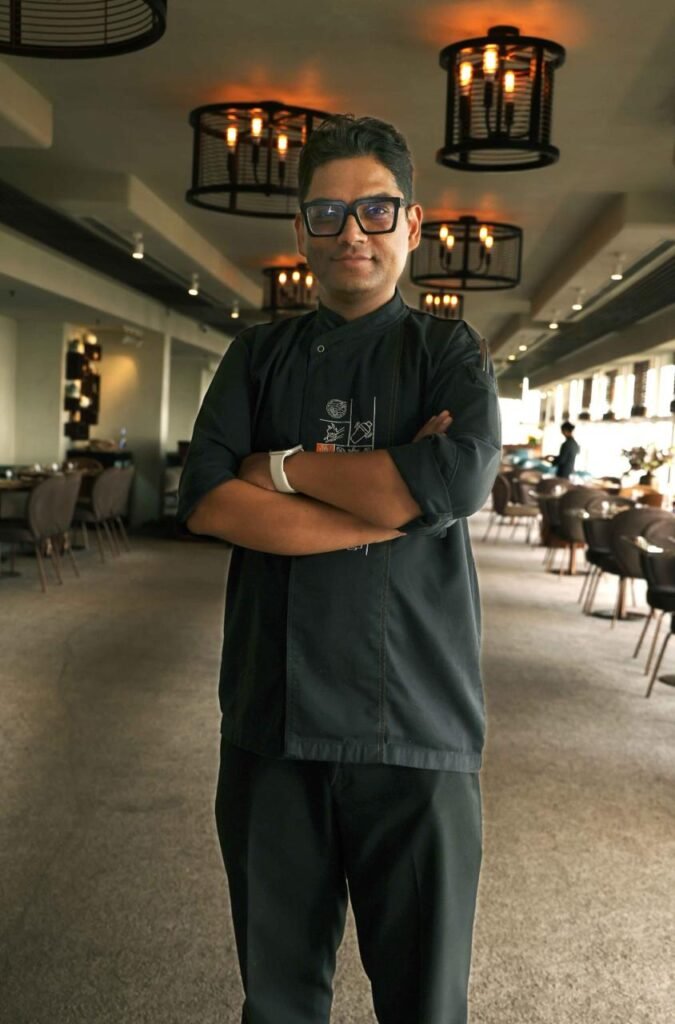
Praveen Sharma,
Hotel Manager,
Courtyard by Marriott Ghaziabad
1. How is culinary tourism evolving into a major driver of travel in India, influencing where travellers choose to go and how they experience a destination?
Culinary tourism is increasingly becoming an integral part of how travellers discover a destination. Food is no longer simply an accompaniment to travel; for many travellers, it is becoming a way to understand the history, culture, traditions and people of a region. The desire to experience an authentic local dish, visit a traditional food market or discover a regional cooking technique can influence destination choices just as much as sightseeing.
India is particularly well positioned for this evolution because every region offers a distinct culinary identity. From local street food and traditional recipes to regional ingredients and contemporary interpretations, food gives travellers another lens through which to experience India. For the hospitality industry, this also creates opportunities to make dining an important part of the overall destination experience.
2. How can India leverage its diverse regional cuisines to promote lesser-known destinations, create local employment and generate greater economic value for communities?
India’s culinary diversity can play a significant role in taking tourism beyond established destinations. Lesser-known regions often have unique ingredients, cooking traditions and food stories that can become attractions in their own right.
The opportunity is to build tourism experiences around these local strengths — whether through food trails, farm visits, traditional cooking experiences, local markets or regional food festivals. Such initiatives can create opportunities not only for restaurants and hotels, but also for farmers, home cooks, artisans, food producers, guides and small local businesses.
The key is ensuring that the communities associated with these culinary traditions remain active participants in the tourism ecosystem. When local knowledge and produce become part of the visitor experience, tourism can create a more distributed economic impact while also helping preserve culinary heritage.
3. What role can hotels, restaurants, tourism boards and local food entrepreneurs play in building authentic, sustainable and globally appealing culinary tourism experiences?
Building a strong culinary tourism ecosystem requires collaboration across the hospitality and tourism landscape. Hotels and restaurants can act as platforms for regional cuisine, bringing local ingredients and traditional recipes to a wider audience while maintaining the quality and consistency expected by today’s travellers.
Tourism boards can support this through destination-level storytelling, food trails and festivals that give visitors a reason to explore beyond conventional tourist attractions. At the same time, local food entrepreneurs bring authenticity and a deep understanding of the culinary traditions of their communities.
The balance is important. Culinary tourism should not become about modifying every local dish to suit global tastes. Instead, the focus should be on presenting authentic food and its story in ways that are accessible and engaging to contemporary travellers. Sustainability should also remain central, particularly through responsible sourcing, seasonal ingredients and supporting local producers.
4. With GI-tagged foods, traditional recipes, spice routes and food festivals gaining tourism relevance, how can India turn its culinary diversity into structured, high-value travel experiences?
The next opportunity is to move from individual food experiences to well-curated culinary journeys. India’s GI-tagged products, traditional recipes, indigenous ingredients and historic food routes provide a strong foundation for this.
For instance, a culinary itinerary could bring together a local market visit, a farm or producer experience, a traditional cooking demonstration and a curated meal around a particular regional ingredient or cuisine. Food festivals can further bring together chefs, producers, artisans and travellers and create visibility for these culinary traditions.
Hotels can contribute by creating destination-inspired menus and experiences that introduce travellers to local flavours even when they are staying within a contemporary hospitality environment. The larger objective should be to make India’s food heritage discoverable, experiential and economically sustainable, while ensuring that the communities and traditions behind it remain at the centre of the story.

Chef Nar Singh
Assistant Sous Chef at Bhog Indian Restaurant in New Jersey
Culinary tourism is increasingly becoming an important part of India’s travel ecosystem, influencing how visitors discover destinations, engage with local communities and understand regional culture. Food is no longer simply an element of a travel itinerary; for many travellers, it is becoming a reason to select a particular destination.
India’s diverse culinary heritage, spanning regional ingredients, traditional cooking techniques and distinctive food cultures, offers significant opportunities for tourism growth. Travellers are increasingly interested in experiences that go beyond popular attractions, including local food walks, traditional markets, regional cooking workshops and chef-led dining experiences.
From the street-food culture of Delhi and Mumbai to the coastal cuisine of Kerala and Goa, and the rich culinary traditions of Rajasthan and the Northeast, food provides destinations with a way to differentiate themselves. These experiences allow visitors to explore local history and cultural identity through flavours, preparation methods and community interactions.
The hospitality industry has an important role in strengthening this trend. Hotels and restaurants can showcase regional cuisines through curated menus, seasonal ingredients and collaborations with local food producers. At the same time, tourism boards can promote gastronomic trails and culinary festivals that encourage visitors to explore lesser-known destinations.
The growing interest in regional Indian cuisine also presents opportunities for local chefs, food entrepreneurs and traditional producers. Their involvement can help preserve culinary heritage while generating economic activity within local communities.
For culinary tourism to develop sustainably, authenticity must remain central. Commercial adaptation should not come at the expense of cultural identity, while responsible sourcing, food-waste reduction and community participation should form part of destination planning.
The future of culinary tourism in India lies in creating experiences where food, culture and travel intersect. By placing regional food traditions at the centre of destination storytelling, India can offer travellers deeper connections with its communities and a more meaningful understanding of its diverse culinary landscape.
Rajib Roy Choudhury
AVP – Vedic Village Spa Resort
How is culinary tourism evolving into a major driver of travel in India?
Culinary tourism is increasingly becoming an integral part of the travel experience in India. Travellers are no longer looking at food simply as a necessity; they want to understand a destination through its flavours, ingredients, traditions and stories. Regional cuisine is becoming a powerful reason to visit a particular destination and an important part of the overall memory of a trip.
India has a natural advantage because every region offers a distinct culinary identity. From Bengali cuisine and coastal seafood to Rajasthani, Awadhi, Goan, Kerala and North-Eastern traditions, food can provide travellers with an authentic connection to place and culture.
At Vedic Village Spa Resort, we see an opportunity to combine culinary experiences with the destination’s cultural and rural character. Experiences such as traditional Bengali cuisine, farm-to-table dining, local ingredients, curated food festivals and interactive culinary storytelling can make a stay more experiential.
The future of culinary tourism will therefore move beyond restaurants towards food-led experiences—cooking demonstrations, market visits, farm experiences, heritage recipes, regional food trails and curated gastronomic events. This creates additional reasons to travel, longer stays and greater spending across the destination.
How can India leverage regional cuisines to promote lesser-known destinations?
India can use regional cuisine as a powerful destination-marketing tool by connecting food with the geography, history and communities that produce it.
Lesser-known destinations can develop distinctive culinary identities around indigenous ingredients, traditional recipes, local farming practices and food traditions. Instead of promoting only monuments and landscapes, destinations can tell the story of their food—from the farmer and producer to the kitchen and dining table.
This approach can create employment for local cooks, farmers, guides, artisans, food producers and small businesses. It can also encourage travellers to stay longer and spend within the local economy.
For example, a destination could develop a structured culinary trail involving local farms, traditional kitchens, food markets, homestays and restaurants. Such experiences can be packaged with cultural and nature-based tourism.
For the hospitality industry, partnerships with local producers and communities can bring authenticity into the guest experience while creating sustainable commercial opportunities.
At Vedic Village, our location and resort environment provide an opportunity to connect guests with Bengal’s culinary heritage, local ingredients and traditional food practices. Such experiences demonstrate how regional cuisine can become both a tourism attraction and an economic-development platform.
What role can hotels, restaurants, tourism boards and local food entrepreneurs play?
Building successful culinary tourism requires collaboration rather than isolated initiatives.
Hotels and resorts can provide the platform by developing regional menus, chef-led experiences, cooking sessions, food festivals and farm-to-table concepts. They can also source ingredients locally and create stories around their provenance.
Restaurants and chefs can protect traditional recipes while presenting them in contemporary and internationally accessible formats. The objective should be to modernise presentation without losing authenticity.
Tourism boards can create destination-level culinary trails, promote regional food identities, facilitate infrastructure and support marketing campaigns.
Local entrepreneurs and MSMEs can provide the authenticity—traditional snacks, artisanal products, home kitchens, specialty ingredients, handicrafts and community-led experiences.
Technology can connect these stakeholders through digital storytelling, online discovery, booking platforms and social media.
At Vedic Village, we believe resorts can act as a bridge between the traveller and the local ecosystem. By bringing together regional cuisine, local culture, wellness, nature and hospitality, a resort can create experiences that are commercially viable while supporting the wider destination economy.
How can India turn culinary diversity into structured, high-value travel experiences?
India needs to move from simply promoting food to productising culinary experiences.
GI-tagged products, traditional recipes, indigenous ingredients, spice traditions and food festivals can become the foundation for structured culinary itineraries. These could include food walks, cooking classes, farm visits, chef’s tables, heritage dining, local market tours and seasonal food festivals.
The experience should have a clear narrative: origin → producer → tradition → preparation → tasting → storytelling.
Technology can further enhance these experiences through digital storytelling, QR-based provenance information, multilingual content and online booking.
Hotels and resorts can package culinary experiences with accommodation, wellness, cultural activities and local excursions, increasing both the value and duration of the guest’s stay.
India can also develop specialised culinary circuits around regional cuisines, spices, tea, traditional sweets, coastal food and indigenous ingredients.
For Vedic Village, this approach aligns naturally with experiential hospitality. Culinary experiences can be integrated with wellness, nature and cultural activities to create a more complete destination proposition rather than treating dining as a standalone service.
How is culinary tourism creating economic opportunities across the wider ecosystem?
The economic impact of culinary tourism extends far beyond hotels and restaurants. Every successful culinary experience can create a chain of economic activity involving farmers, fishermen, food processors, artisans, transport providers, chefs, MSMEs, retailers and local communities.
Greater demand for regional ingredients can create new markets for farmers and food producers. Local processing and packaging can generate MSME opportunities, while restaurants and hotels create direct employment.
Culinary tourism can also encourage entrepreneurship among home cooks, traditional food producers and small-scale artisans. Festivals and food trails generate business for transport operators, guides, accommodation providers and retailers.
The key opportunity is to create a stronger farm-to-fork ecosystem, where economic value remains within the destination wherever possible.
Hotels can contribute by increasing local procurement, establishing long-term supplier relationships and giving visibility to regional products.
At Vedic Village, the philosophy is particularly relevant because culinary experiences can be connected with the resort’s broader focus on nature, wellness and local culture. The objective is not simply to sell a meal, but to create an experience that connects the guest with the destination and contributes to the surrounding economic ecosystem.
How can government initiatives support culinary tourism beyond major cities?
Government programmes such as Swadesh Darshan 2.0, Dekho Apna Desh and Challenge-Based Destination Development can provide an important framework for developing culinary tourism as part of destination development.
The focus can move towards identifying destinations with distinctive culinary identities and building the infrastructure required to support them—roads, visitor facilities, hygiene standards, interpretation centres, digital platforms, local guides and experience providers.
Culinary tourism can then be integrated with heritage, rural, nature and cultural tourism rather than being developed as a separate vertical.
Government support can also help train local communities in hospitality, food safety, storytelling, entrepreneurship and digital marketing. This is particularly important for smaller destinations.
The private sector can complement these initiatives through investment, experience design, hospitality expertise and market access.
The opportunity is to create destination-level culinary ecosystems, where local communities become participants and beneficiaries rather than merely service providers. This can help distribute tourism expenditure beyond established urban centres and create a more inclusive tourism economy.
Pratik Shinde
General Manager
Lotus Eco Beach Resort by Orchid, Murud
1. How is culinary tourism evolving into a major driver of travel in India, influencing where travellers choose to go and how they experience a destination?
Food has become an important part of the travel experience today. Travellers want to try local dishes and understand the food culture of the place they are visiting. In destinations like Murud and Konkan, guests are often curious about the local seafood, coconut-based preparations, kokum and traditional recipes. So, food is no longer just something travellers look for during a holiday; it has become a part of discovering the destination itself.
2. How can India leverage its diverse regional cuisines to promote lesser-known destinations, create local employment and generate greater economic value for communities?
Every part of India has its own food story, and this can be a great way to bring attention to lesser-known destinations. For example, Konkan has a very distinct food culture that is closely connected to its coast and local produce. When hotels and restaurants use ingredients sourced from local farmers, fishermen and small producers, it creates more opportunities for the local community while also giving travellers a more authentic experience.
3. What role can hotels, restaurants, tourism boards and local food entrepreneurs play in building authentic, sustainable and globally appealing culinary tourism experiences?
Hotels and restaurants can play a very important role by introducing guests to the food and traditions of the region. It can be as simple as including local dishes on the menu, explaining where the ingredients come from or creating small food experiences for guests. Tourism boards and local entrepreneurs can also help by promoting food trails, local markets and traditional cooking experiences. The important thing is to keep the experience genuine rather than making it feel overly commercial.
4. With GI-tagged foods, traditional recipes, spice routes and food festivals gaining tourism relevance, how can India turn its culinary diversity into structured, high-value travel experiences?
We can create experiences around the story of the food rather than just the food itself. Travellers could visit local markets, meet producers, learn about traditional ingredients and then enjoy a meal made using them. In a place like Konkan, there is a lot of scope to build experiences around seafood, kokum, coconut and traditional local recipes. Food festivals and curated culinary trails can also encourage people to spend more time exploring a destination.
5. How is culinary tourism creating economic opportunities across the wider ecosystem—including farmers, food producers, MSMEs, restaurants, hotels and local communities?
There is a whole ecosystem behind every local dish. When hotels and restaurants source ingredients locally, it directly supports farmers, fishermen, small producers and other local businesses. It also creates opportunities for local cooks, food entrepreneurs and artisans. In destinations like Murud, encouraging this connection helps ensure that tourism benefits the wider community and not just the hospitality sector.
6. What role can initiatives such as Swadesh Darshan 2.0, Dekho Apna Desh and Challenge-Based Destination Development play in building India’s culinary tourism infrastructure and taking food tourism beyond major cities?
These initiatives can help bring more focus to smaller destinations and their local food cultures. With better infrastructure, promotion and organised culinary trails, destinations like Murud and other parts of Konkan can showcase their food traditions to a wider audience. There is already a strong food culture in these places; the opportunity is to present it in a way that makes it easier for travellers to discover and experience.

Chef Stanley,
Business Head – Operations,
The Baking Company by Brigade Hospitality
1. How is culinary tourism evolving into a major driver of travel in India, influencing where travellers choose to go and how they experience a destination?
Food tourism is becoming a bigger part of how travellers see and enjoy India. We are seeing this trend at several of our hotels and clubs including The Woodrose among others. More visitors than ever want to try local flavours and learn about traditional ways of cooking, so food now sits right at the centre of the trip. Social media, food videos, and the growing desire for travel that feels real and hands-on have pushed this trend further. Things like food walks, cooking classes, trips to farms, visits to local markets, tasting menus, and regional food festivals can bring a lot more richness to a vacation. For the tourism industry, this is a chance to visit marketplaces to see what makes each region’s food special. Food tourism could help people stay longer, come back again, and connect more deeply with the communities they visit.
2. How can India leverage its diverse regional cuisines to promote lesser-known destinations, create local employment and generate greater economic value for communities?
India’s huge food variety gives a real chance to shine a light on places that might not yet be well-known on regular tourist maps. Each area has its own special ingredients, cooking methods, old recipes, and food habits that can become major tourism strengths. Tourism officials can team up with local people to create regional food celebrations, farmer markets and cooking classes. Local growers, home cooks, craftspeople, guides, small eateries, food producers, and hospitality workers can all join the chain and build jobs and business chances. At Signature Club Resort for example, our food sourcing strategy focuses heavily on procuring fresh, high-quality local produce. Putting more work into recording and spreading the word about native and regional foods can also help keep food heritage alive while giving it a modern stage. With good infrastructure, training, and online presence, lesser-known spots can build their own strong food image. This method can spread tourism beyond big cities and popular places while letting local communities get more and lasting money from tourism.
3. What role can hotels, restaurants, tourism boards and local food entrepreneurs play in building authentic, sustainable and globally appealing culinary tourism experiences?
Building a strong culinary tourism ecosystem requires collaboration across the tourism and hospitality sector. Tourism boards can identify and promote regional culinary assets, develop food trails and festivals, and create platforms that connect visitors with local communities. Hotels and restaurants can bring regional cuisine to travellers through thoughtfully designed menus, chef-led experiences, local ingredient showcases and collaborations with community producers. At The Baking Company, our menu reflects this trend while at the same time maintaining authenticity. Culinary tourism should not simply recreate local food for tourists; it should preserve the stories, techniques and cultural context that make each cuisine distinctive. Local food entrepreneurs, home chefs, farmers and artisans are particularly important because they provide the genuine connection that travellers increasingly seek. Sustainability should also remain central, with greater use of seasonal and locally sourced ingredients, responsible food production and reduced waste. Digital storytelling can then take these experiences to a global audience. When these stakeholders work together, culinary tourism can become a platform that celebrates India’s food heritage while supporting local livelihoods, responsible tourism and destination development.
4. With GI-tagged foods, traditional recipes, spice routes and food festivals gaining tourism relevance, how can India turn its culinary diversity into structured, high-value travel experiences?
The diverse food culture of India presents itself as an opportunity to the industry to make food the core reason for tourists visiting a place and not something that is only a part of their travel experience. Food tours should be developed in a way that is reflective of the identity of the region and its culinary traditions and community through the food heritage of the region. The GI-tagged products of the region can become the primary reason for tourists to visit that destination through hotels collaborating with the local producers and developing farm visits, cooking with the chef, regional menus, workshops and food tours. In the same vein, traditional recipes and spices can be revived through storytelling and experience-based dining and collaborations with the local food experts and not only through food menus. Food festivals can serve to enrich the ecosystem even more through chefs, farmers, artisans, food entrepreneurs and travellers coming together.
5. How is culinary tourism creating economic opportunities across the wider ecosystem—including farmers, food producers, MSMEs, restaurants, hotels and local communities?
The benefits of culinary tourism go much deeper than just having an occasional meal at a restaurant, spending a night at a hotel or buying some souvenirs. For the hospitality industry, it means that by using regional and seasonal ingredients, there is a chance to present unique food and beverage options as well as promote local producers. Hotels can cooperate with farmers, food speciality makers and MSMEs to present regional products via carefully selected menus, farmers markets, tastings and destination-related culinary events. For small communities, culinary tourism offers a new source of income without the need for building big infrastructures. Traditional food products, artisan products and local ingredients can be marketed on a larger scale while maintaining the local culinary culture. There is also a potential of involvement of MSMEs in food processing and packaging, catering and food-related events.
6. What role can initiatives such as Swadesh Darshan 2.0, Dekho Apna Desh and Challenge-Based Destination Development play in building India’s culinary tourism infrastructure and taking food tourism beyond major cities?
Government led tourism campaigns can enable greater organization of culinary tourism and its extension in multiple destinations. Campaigns like Swadesh Darshan 2.0, Dekho Apna Desh and Challenge-Based Destination Development will play a role in enabling the development of infrastructure, visibility and partnerships that can aid in the development of emergent destinations based on their food cultures. From the perspective of hospitality, there is the potential to collaborate with tourism authorities and the communities in order to develop experiences that highlight the food and culture of each destination. These experiences can include food trails, food festivals, farm-to-table experiences, local food markets, collaborations with chefs and cooking classes. Digital platforms can also help in making these experiences discoverable and bookable by travellers. There are a lot of ingredients in place in India in terms of its culinary diversity that would be required to develop culinary tourism destinations. What is left is to organize these ingredients into quality, business-oriented experiences
Sandeep Basu ,
CEO, OPO Hotels and Resorts
1. How is culinary tourism evolving into a major driver of travel in India, influencing where travellers choose to go and how they experience a destination?
Tourism related to Indian cuisine has become a major reason to visit the place rather than just being a minor attraction. Nowadays tourists do not opt to travel for monuments or scenic beauty only but rather for specific places that have unique stories of food, seasonal produce and local food preparation traditions. Visitors do not want to eat in standardized buffet restaurants but rather have an authentic experience such as eating a traditional dish at the home of locals or even participating in farm-to-table classes and guided tours around the streets of India in order to taste local food.
2. How can India leverage its diverse regional cuisines to promote lesser-known destinations, create local employment and generate greater economic value for communities?
The variety of foods from different regions of India should be utilized in developing tourism in smaller and rural destinations. The concept of food tours, festivals and local meals from organic farms can provide tourists a good reason to visit more rural destinations and not only big cities. Through tourism development of rural destinations, incomes generated by tourism will go to the local economy as opposed to being received by intermediaries. In case when regional cuisine becomes the focus of tourism, it is possible to preserve recipes that belong to heritage while earning money at the same time.
3. What role can hotels, restaurants, tourism boards and local food entrepreneurs play in building authentic, sustainable and globally appealing culinary tourism experiences?
Hotels, restaurants, tourism boards and local entrepreneurs need to function as a unit in order to promote genuine flavors of India. The hotels and restaurants need to employ native chefs and purchase food items from the local farmers and markets for spices. The tourism boards can also develop food maps based on various regions, arrange seasonal food festivals and promote undiscovered food destinations around the globe. On the other hand, the local entrepreneurs can provide food tours, home-cooking experience and cooking classes. Through such a partnership, ethical and clean food trails are established.
4. With GI-tagged foods, traditional recipes, spice routes and food festivals gaining tourism relevance, how can India turn its culinary diversity into structured, high-value travel experiences?
The uniqueness of Indian food heritage can be converted into organized travel packages by tying together the ingredients, spice plantations and regional festivals into distinct food circuits. The tourism authorities can design organized “Spice & Flavors Trails,” which consist of visiting the spice plantations, cooking classes with indigenous home cooks, and special access to regional food festivals. This can be done in partnership with luxury boutique hotels to provide hygienic conditions along with good hospitality services. Through premium food and flavor journeys, based on distinct regional cuisine and GI products, India turns an ordinary meal into a luxurious experience and thus draws wealthy international travelers.
5. How is culinary tourism creating economic opportunities across the wider ecosystem—including farmers, food producers, MSMEs, restaurants, hotels and local communities?
Culinary tourism operates as an effective economic engine that ensures that the proceeds from tourism are distributed evenly among the whole local supply chain. When hotels and eateries favor regional food items, they source their raw material directly from local farmers and food producers, thus saving on the cost of employing a third party. This creates business for MSMEs such as spice producers, potter craftsmen and food producers. At the local level, it provides a source of employment to home chefs, street sellers and local food tour guides.
6. What role can initiatives such as Swadesh Darshan 2.0, Dekho Apna Desh and Challenge-Based Destination Development play in building India’s culinary tourism infrastructure and taking food tourism beyond major cities?
Schemes such as Swadesh Darshan 2.0, Dekho Apna Desh and Challenge Based Destination Development are important for promoting food tourism in rural, relatively unexplored parts of India. Through these schemes, it is possible to have good roadside amenities, heritage food sites and improved last-mile connectivity in these destinations to make them tourist-friendly. These schemes also support the creation of special food clusters by state governments, such as those based on spices and seafood

Sanket Satare
Executive Chef, Navi Mumbai Marriott Hotel
How is culinary tourism evolving into a major driver of travel in India?
Food used to be something you fit in between sightseeing. Now, for a lot of travelers, it’s the whole point of the trip. People don’t just want a good meal anymore — they want to taste their way into a place, understand it through what’s cooking.
And India makes that easy, honestly. Cross a state border and the food changes completely — sometimes it changes just crossing into the next district. I’ve had guests plan an entire trip around one dish they read about somewhere. That wasn’t happening ten years ago.
What I’d really love to see next is us turning that into something people can actually book and plan around — without flattening it out or making it feel packaged. Because that’s the risk. Done right, food doesn’t just bring people to the big cities everyone already visits — it can pull them toward the smaller
places that have always cooked beautifully but never got noticed for it.
How can India leverage regional cuisines to promote lesser-known destinations and create local economic value?
Every region here has a food story sitting right under the surface, just waiting for someone to tell it properly — a grain that’s grown nowhere else, a technique some family has been doing for three generations, a dish nobody outside the district has even heard of.
I think about what a real food circuit could look like: a morning at the local market, a home-cooked meal, maybe a farm visit, a cooking session, a night at a homestay. Nothing fancy — just enough to make someone want to stay two extra days instead of rushing through.
But it only works if the people who actually cook and grow this food are the ones benefiting from it — not just outsiders coming in to package and sell it. Swadesh Darshan 2.0 seems to get that, with its push into Tier-II and Tier-III towns. My only worry is that the moment we try to “simplify” a cuisine to make it tourist-friendly, we lose the very thing that made it worth visiting for.
What role can hotels, restaurants, tourism boards and food entrepreneurs play?
Everyone’s got a different job here, and honestly it only works if each of us stays in our lane a bit. Hotels have the reach — we can put a local dish or a producer in front of a guest who’d never have found them otherwise. Restaurants carry the responsibility of getting the story right — where a dish comes from, who’s been cooking it, why it tastes the way it does — instead of just quietly adjusting it to
be “safe” for tourists.
Tourism boards do the heavy lifting none of us can do alone — training guides, mapping out routes, making sure people can actually find and book these experiences.
And the small food entrepreneurs, the home cooks, the family-run places — that’s where the real heart of this is. It rarely gets the credit, but it’s the most honest part of the whole thing.
If I had one ask, it’d be that we don’t lose sight of sustainability while scaling any of this — sourcing responsibly, paying people fairly, not burning out the very traditions we’re trying to celebrate.
How can India turn GI foods, traditional recipes, spice routes and food festivals into high-value travel experiences?
We treat GI-tagged products like souvenirs — something you buy at the airport on your way out. That’s such a waste. A GI product should be an invitation to go see the farm, watch how it’s made, sit down and actually eat it the way it’s meant to be eaten.
Same with old recipes — a cooking class or a proper food walk does more for a dish than any menu description ever could. And spice routes, if we actually connected the plantations, the old markets, the trading towns properly, could be some of the best multi-day trips in the country.
None of this works without some basic groundwork though — hygiene, accessibility, someone actually managing the visitor experience well. But if we get that right, we move from “here, taste this” to something much closer to actually experiencing where it came from.
How is culinary tourism creating opportunities across the wider ecosystem?
What I find genuinely moving about this — and I don’t use that word lightly — is how far it reaches. A farmer growing something unusual finally has a market for it. A small producer gets to sell direct instead of through five middlemen. A homestay owner gets to cook her own food for guests instead of buying in “hotel food.”
I’ve seen old cooks, people who’ve spent their whole lives making something nobody outside their village knew about, suddenly get to share it — and get paid for it. That matters more to me than any big number.
The thing I’d push for is keeping the sourcing local — not flying in ingredients to make things “consistent.” The moment you do that, you cut the very people out who should be benefiting the most.
What role can Swadesh Darshan 2.0, Dekho Apna Desh and Challenge-Based Destination Development play?
These three, if they actually work together, could finally pull food tourism away from the same five cities everyone already visits.
Swadesh Darshan 2.0 backing Tier-II and Tier-III towns feels overdue to me — I’ve cooked with ingredients from some of these places, and they deserve to be known for more than just supplying a market.
Dekho Apna Desh can do the storytelling — getting Indian travelers themselves curious about places they’ve never thought to visit. And Challenge-Based Destination Development, from what I understand, pushes places to lean into what actually makes them different instead of copying whatever’s trending.
What I keep hoping for is that all of this actually joins up — the roads, the training, the branding, the small businesses — instead of each piece happening in isolation. That’s when it stops being a scheme on paper and starts being something you can actually feel when you visit.
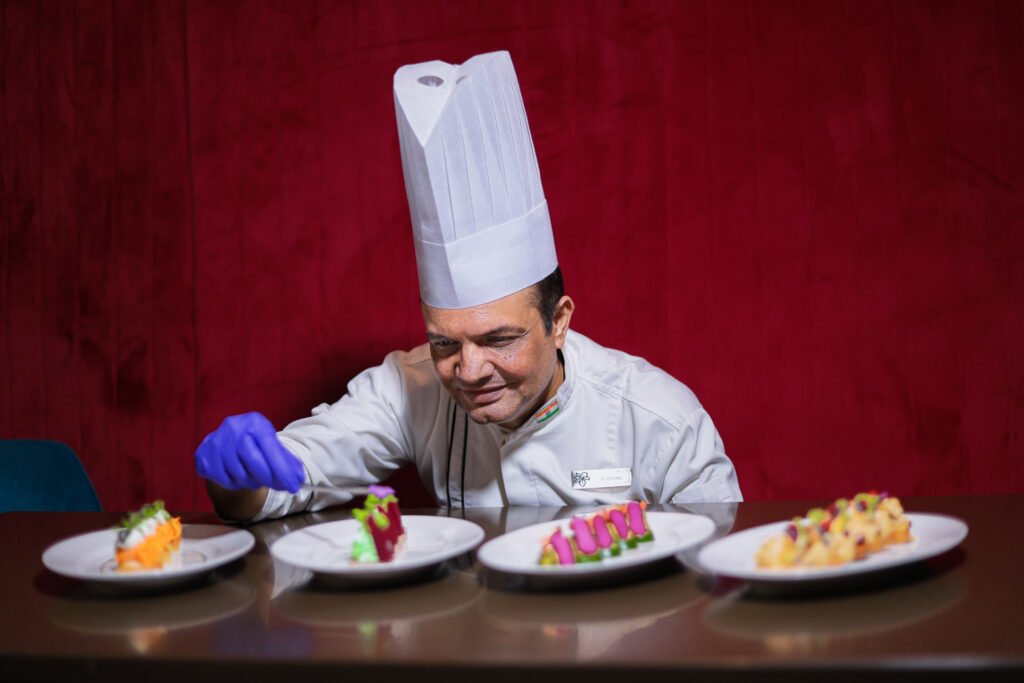
Chef Vishal Chandnani
Director of Culinary – The Orchid Hotel, Mumbai
1. How Culinary Tourism Is Reshaping India’s Travel Economy?
From a chef’s perspective, I think food has always been one of the most powerful ways of discovering India. What is changing today is that travellers are becoming much more curious about where their food comes from, how it is prepared and the story behind it.
Earlier, food was often something that complemented a holiday. Today, it can actually become a reason to travel. People are seeking out regional specialities, local ingredients, traditional cooking techniques and authentic food experiences.
India has such an incredible advantage because our cuisine changes every few hundred kilometres. Every region has its own ingredients, techniques and traditions. As chefs, we have an opportunity to bring those stories to the guest and encourage them to look beyond the more familiar versions of Indian cuisine.
For us at The Orchid Hotel Mumbai, this also means looking at food not just as a menu, but as an experience that can introduce a guest to the diversity of India.
2. How is culinary tourism evolving into a major driver of travel in India, influencing where travellers choose to go and how they experience a destination?
I think travellers today want to taste a destination, not just see it.
If you visit a new place and experience its local food, you understand the destination at a completely different level. You begin to understand its climate, its agriculture, its communities and even its history through the food.
We are seeing greater curiosity among guests about regional Indian cuisines and ingredients that they may not have encountered before. A particular dish, a local sweet, a spice or even a traditional cooking technique can become part of the reason someone wants to visit a particular region.
As chefs, that gives us a wonderful responsibility. We can take a guest on a culinary journey without necessarily taking them physically anywhere—through the ingredients we select, the stories we tell and the way we present a regional cuisine.
3. How can India leverage its diverse regional cuisines to promote lesser-known destinations, create local employment and generate greater economic value for communities?
I believe this is where Indian cuisine has enormous potential.
There are so many destinations in India that may not be widely known internationally, but have incredibly rich food traditions. If we can tell those culinary stories better, food can become a gateway to discovering these places.
And the benefit goes much beyond the restaurant. When a regional cuisine becomes part of a tourism experience, it creates demand for local farmers, fishermen, spice growers, food producers, artisans, home cooks, small restaurants and local entrepreneurs.
As chefs, we can contribute by bringing lesser-known ingredients and dishes into our menus and giving them the right context. But it is important that we do this respectfully. We should not take a traditional recipe away from its cultural context; we should understand its origin, respect the people who have preserved it and give them visibility.
If we can do that, culinary tourism can create both economic opportunity and a reason for younger generations to continue valuing their food heritage.
4. What role can hotels, restaurants, tourism boards and local food entrepreneurs play in building authentic, sustainable and globally appealing culinary tourism experiences?
I think everyone has a different role to play, but the chef is often the bridge between the ingredient, the producer and the guest.
Hotels and restaurants can create platforms for regional cuisines and introduce guests to ingredients and recipes they may not otherwise discover. Tourism boards can help create the larger destination story, while local entrepreneurs bring the authenticity and community connection.
For chefs, sustainability also starts very close to the kitchen. What are we buying? Who are we buying it from? Is it seasonal? Can we reduce wastage? Are we supporting local producers?
At the same time, taking Indian cuisine to a global audience doesn’t mean changing everything to suit an international palate. I believe we should preserve the character of the cuisine while presenting it in a way that today’s traveller can understand and appreciate.
Authenticity and innovation can absolutely coexist.
5. With GI-tagged foods, traditional recipes, spice routes and food festivals gaining tourism relevance, how can India turn its culinary diversity into structured, high-value travel experiences?
As chefs, we often say that every ingredient has a story. A GI-tagged ingredient, for example, already comes with a sense of place and identity. The opportunity is to take that story beyond the plate.
Imagine a traveller experiencing an ingredient at its place of origin, meeting the people who grow or produce it, understanding how it is traditionally used and then seeing a chef interpret it in a contemporary dish. That becomes much more than a meal—it becomes an experience.
Similarly, India’s spice routes and food festivals can be developed into culinary journeys where food connects with history, culture, agriculture and local communities.
Hotels can play an important role by creating curated menus, chef-led experiences, tasting journeys and regional food showcases that act as an introduction to these destinations.
6. How is culinary tourism creating economic opportunities across the wider ecosystem—including farmers, food producers, MSMEs, restaurants, hotels and local communities?
Food has a very long value chain, and that is what makes culinary tourism so exciting.
When I put a particular regional ingredient on a menu, there is a farmer or producer behind that ingredient. There may be a small processing unit, a spice grower, a transporter or a local entrepreneur involved as well.
So when we create demand for authentic regional ingredients, we are potentially supporting an entire ecosystem.
I also think chefs have a responsibility here. We should make an effort to understand our suppliers better and, wherever possible, source responsibly and seasonally. It makes the food better, but it also creates a stronger connection between the kitchen and the community.
Ultimately, the guest may see one dish on the plate, but behind that dish there can be dozens of people and a whole region.
7. What role can initiatives such as Swadesh Darshan 2.0, Dekho Apna Desh and Challenge-Based Destination Development play in building India’s culinary tourism infrastructure and taking food tourism beyond major cities?
I think these initiatives can play a very important role in giving culinary tourism a more structured ecosystem. India already has the food, the traditions and the regional diversity; what we need is to connect these strengths with tourism infrastructure and organised experiences.
For example, under destination development programmes, culinary trails can be developed around specific regions, ingredients or food traditions. This could include local markets, farms, traditional kitchens, food producers, community-run experiences and regional festivals. It would give travellers a reason to spend more time in a destination and, importantly, ensure that the economic benefits reach local communities.
Dekho Apna Desh can also help create greater awareness around India’s regional food cultures and encourage travellers to explore beyond the familiar metropolitan and tourist centres. Similarly, Swadesh Darshan 2.0 and Challenge-Based Destination Development can help destinations build the infrastructure required to support these experiences—from visitor facilities and connectivity to interpretation, branding and curated tourism circuits.
From a chef’s perspective, I see a tremendous opportunity to connect the culinary expertise of the hospitality industry with these destination initiatives. Chefs can help document and showcase local recipes, work with regional producers, develop authentic food experiences and bring lesser-known ingredients into the wider culinary conversation.
The larger opportunity is to move from simply promoting Indian food to promoting the places, people and traditions behind that food. If these initiatives can create that connection between destination, cuisine and community, culinary tourism can become a meaningful part of India’s tourism economy and take travellers much further beyond the major cities.
Anand Mishra
Director of Operations,
1. How is culinary tourism evolving into a major driver of travel in India, influencing where travellers choose to go and how they experience a destination?
Culinary tourism is increasingly becoming an integral part of the travel experience in India, moving beyond simply being an accompaniment to sightseeing. Travellers today are seeking experiences that allow them to understand a destination through its food, local ingredients, traditional cooking techniques and cultural narratives. In many cases, the cuisine itself is becoming a reason to visit a destination.
India has a natural advantage in this space because every region offers a distinct culinary identity. From Gujarati thalis and street food to coastal seafood, Himalayan cuisine and the rich food traditions of the Northeast, food provides travellers with an immersive way to discover India’s cultural diversity.
For the hospitality industry, this presents an opportunity to move from conventional dining to experience-led gastronomy. At Sayaji Hotel Vadodara, we see food as an important part of how guests connect with the city and the wider region. Curated regional menus, local ingredients, culinary events and food-led experiences can encourage travellers to explore beyond the conventional tourist itinerary.
As travel becomes increasingly experience-driven, culinary tourism can also influence length of stay, dining expenditure and destination recall. The opportunity for India lies in making its food stories more discoverable, authentic and accessible to both domestic and international travellers.
2. How can India leverage its diverse regional cuisines to promote lesser-known destinations, create local employment and generate greater economic value for communities?
India’s culinary diversity can become a powerful tool for decentralising tourism. Lesser-known destinations often possess distinctive food traditions, indigenous ingredients and community-based culinary practices that can become tourism assets when appropriately developed and promoted.
The focus should be on creating experiences around the cuisine rather than simply showcasing dishes. Local food trails, village dining experiences, farmers’ markets, cooking workshops, regional food festivals and guided culinary walks can encourage visitors to explore destinations beyond established tourism circuits.
This can create a wider economic multiplier. A traveller attending a local food experience may spend not only at a restaurant, but also on locally produced ingredients, handicrafts, transportation, accommodation and experiences. It can therefore distribute tourism revenue across a larger section of the community.
For hotels, partnering with local producers, chefs, artisans and food entrepreneurs can help bring regional stories to guests while creating a market for local products.
Gujarat itself demonstrates the potential of this model, with its diverse food traditions extending well beyond the well-known Gujarati thali. With the right storytelling and infrastructure, regional cuisines can become gateways to discovering smaller towns, communities and cultural landscapes while generating meaningful livelihood opportunities locally.
3. What role can hotels, restaurants, tourism boards and local food entrepreneurs play in building authentic, sustainable and globally appealing culinary tourism experiences?
Building a strong culinary tourism ecosystem requires collaboration across the entire hospitality and tourism value chain. Hotels and restaurants can serve as platforms that introduce travellers to regional cuisines, while tourism boards can create destination-level narratives and itineraries around food.
The key is authenticity. Culinary experiences should preserve the connection between food, people, place and tradition rather than adapting everything to a generic tourist expectation. Hotels can work with local chefs, farmers, producers and homegrown food entrepreneurs to curate menus, workshops, food trails and seasonal experiences.
There is also an important sustainability dimension. Greater use of locally sourced ingredients can shorten supply chains, support regional producers and reduce dependence on standardised offerings. At the same time, traditional recipes and culinary techniques can be documented and passed on to younger generations.
For the hospitality industry, the opportunity is to make food a storytelling medium. A dish can communicate a region’s history, geography and culture as effectively as a museum or monument.
At Sayaji Hotel Vadodara, we believe hotels can play this bridging role by bringing together the traveller and the destination through food. When culinary experiences are authentic, commercially viable and community-linked, they can simultaneously strengthen destination appeal and create value for the local ecosystem.
4. With GI-tagged foods, traditional recipes, spice routes and food festivals gaining tourism relevance, how can India turn its culinary diversity into structured, high-value travel experiences?
India has the ingredients for a globally competitive culinary tourism proposition, but the next step is to organise this diversity into identifiable and bookable experiences.
GI-tagged products can become anchors for destination-based culinary trails, connecting the product with its geography, producers, traditional methods and cultural history. Similarly, India’s traditional spice routes can be interpreted through plantation visits, spice markets, cooking experiences and regional cuisine.
Food festivals can also evolve beyond standalone events into destination platforms. A festival can encourage visitors to stay overnight, visit local producers, explore heritage sites and participate in workshops, thereby increasing the overall economic value generated by tourism.
Technology can play an important role in this transition. Digital maps, multilingual culinary guides, curated itineraries and online booking platforms can make regional food experiences easier for travellers to discover and access.
The objective should ultimately be to create experiences that are authentic, experiential and commercially scalable. India does not need to manufacture a culinary identity; it needs to curate, package and communicate the extraordinary culinary identities it already possesses.
5. How is culinary tourism creating economic opportunities across the wider ecosystem—including farmers, food producers, MSMEs, restaurants, hotels and local communities?
The economic impact of culinary tourism extends significantly beyond the restaurant or hotel where a traveller eats. Food creates a connected ecosystem involving farmers, fishermen, food processors, artisans, transport providers, local retailers, MSMEs, restaurants and hospitality establishments.
There is also significant potential for entrepreneurship. Culinary tourism can support local guides, home chefs, cooking instructors, food storytellers and experience curators, creating employment opportunities that may not depend on large-scale tourism infrastructure.
For destinations, this creates a multiplier effect: the traveller’s expenditure circulates through multiple layers of the local economy rather than remaining concentrated within a single business.
The hospitality sector can contribute by strengthening these linkages. Hotels can incorporate regional produce into menus, collaborate with local entrepreneurs and create platforms where guests can discover the food ecosystem around the destination.
In this sense, culinary tourism is not simply about attracting diners. It is about creating a broader economic network around the identity of a place.
6. What role can initiatives such as Swadesh Darshan 2.0, Dekho Apna Desh and Challenge-Based Destination Development play in building India’s culinary tourism infrastructure and taking food tourism beyond major cities?
Government-led tourism initiatives can play an important role in taking culinary tourism from an individual attraction to a structured destination-development strategy. Programmes such as Swadesh Darshan 2.0, Dekho Apna Desh and Challenge-Based Destination Development provide a framework through which destinations can develop experiences, infrastructure and stronger tourism ecosystems.
The opportunity is to integrate culinary assets into destination planning alongside heritage, nature and culture. This could include food trails, local markets, culinary interpretation centres, community kitchens, regional food festivals and experiences connecting visitors directly with producers.
Equally important is building the supporting infrastructure, hygiene standards, accessibility, digital discoverability, training and last-mile connectivity so that smaller destinations can deliver experiences that meet the expectations of domestic and international travellers.
The larger opportunity is to move India’s tourism narrative from a handful of marquee destinations towards a network of culturally distinctive regions. Food can be one of the strongest connectors in that journey because it is accessible, experiential and deeply rooted in local communities.
For the hospitality sector, this also creates opportunities to partner with destination authorities and local entrepreneurs to transform regional food traditions into curated experiences that encourage travellers to explore beyond India’s major tourism centres

Anthony Rohan Parish
Corporate Chef , Shilton Hospitality
1. How is culinary tourism evolving into a major driver of travel in India, influencing where travellers choose to go and how they experience a destination?
Food has always been an important part of travel in India, but I think the difference today is that people are increasingly travelling with food in mind. A destination is no longer only about its monuments, landscapes or hotels. What people eat there and where they eat it can become an important part of the overall travel experience.
People are looking for food that they may not easily find in their own cities. They want to visit local markets, try regional specialities, eat at traditional establishments and understand how the food is connected to the place. In many cases, a particular dish or ingredient can become a reason to visit a destination in the first place.
As chefs, we see this curiosity in the way guests ask questions about ingredients, preparation methods and regional origins. They are often more interested in the story behind a dish than simply whether it is familiar to them.
India has an advantage here because every region has its own ingredients, cooking techniques and food traditions. If these are presented well and responsibly, food can encourage people to spend more time in a destination and explore beyond the usual tourist attractions.
2. How can India leverage its diverse regional cuisines to promote lesser-known destinations, create local employment and generate greater economic value for communities?
The connection between food and a destination can be very powerful. If a region is known for a particular cuisine, ingredient or traditional preparation, that itself can become part of the reason for people to visit.
The important thing is to take the experience beyond just serving the food in a restaurant. Tourists could be introduced to local farms, food producers, markets, traditional kitchens or even community-led food experiences. That creates opportunities for several people within the local economy rather than only the final restaurant.
For example, a regional food experience can involve farmers supplying indigenous ingredients, local cooks preserving traditional recipes, small producers making pickles or spice blends, and restaurants or homestays introducing these products to visitors.
This also gives lesser-known destinations an identity of their own. Instead of trying to replicate what larger tourist cities already offer, they can build an experience around what is genuinely local to them.
3. What role can hotels, restaurants, tourism boards and local food entrepreneurs play in building authentic, sustainable and globally appealing culinary tourism experiences?
Everyone has a different role to play. Tourism boards can help create awareness and improve the infrastructure around destinations. Hotels and restaurants can bring these food traditions to a wider audience, while local entrepreneurs and communities are the people who often hold the actual knowledge behind the cuisine.
For the hospitality industry, authenticity should start with understanding the food before trying to modernise it. A chef should know where an ingredient comes from, why a particular technique is used and what makes the dish relevant to that region.
At the same time, the experience needs to be accessible to today’s traveller. Good hospitality, clear communication, hygiene and thoughtful presentation can help a traditional cuisine reach a much wider audience without changing its fundamental character.
Sustainability is equally important. Culinary tourism should create demand for local produce and local skills without putting unnecessary pressure on the resources or communities that make the experience possible.
4. With GI-tagged foods, traditional recipes, spice routes and food festivals gaining tourism relevance, how can India turn its culinary diversity into structured, high-value travel experiences?
We need to think beyond food festivals as standalone events. A festival can introduce people to a cuisine, but a stronger tourism experience would connect the food to the place where it originates.
For example, a culinary trail could combine a local market visit, an interaction with producers, a traditional cooking demonstration, a meal and a visit to an important cultural or historical site associated with the region. This gives the traveller a much deeper understanding of the food.
GI-tagged products can also play an important role because they connect a product to a specific geographical identity. But the focus should not only be on selling the product. Travellers should be educated on how it is produced, how it is traditionally used and why it belongs to that region.
India has enough culinary diversity to create many such experiences. The opportunity is to package them thoughtfully while ensuring that the communities and producers behind them remain an important part of the value chain.
5. How is culinary tourism creating economic opportunities across the wider ecosystem—including farmers, food producers, MSMEs, restaurants, hotels and local communities?
One of the strongest aspects of culinary tourism is that the economic impact can extend well beyond the restaurant or hotel where the visitor has a meal.
A single culinary experience can create demand for farmers, fishermen, spice growers, dairy producers, small food manufacturers, transporters, local guides, home cooks and artisans. Hotels and restaurants can also create a market for ingredients that may otherwise struggle to find a consistent commercial audience.
There is also an important knowledge economy around food. Traditional cooking skills, preservation methods and recipes are valuable forms of local knowledge. When there is commercial interest in them, there is greater incentive for younger generations to learn and continue those practices.
The key is to ensure that the economic value reaches the people who produce and preserve the food, rather than concentrating entirely at the final point of sale.
6. What role can initiatives such as Swadesh Darshan 2.0, Dekho Apna Desh and Challenge-Based Destination Development play in building India’s culinary tourism infrastructure and taking food tourism beyond major cities?
These initiatives can provide an important framework for developing destinations beyond the established tourism centres. Swadesh Darshan 2.0, for instance, takes a destination-centric approach and places emphasis on sustainable tourism, local participation and improving the overall visitor experience. The government has also identified destinations under the Challenge-Based Destination Development programme across different categories.
From a culinary perspective, the opportunity is to include food as part of the destination experience rather than treating it as an isolated attraction. That could mean better local food infrastructure, curated food trails, support for local entrepreneurs, culinary markets, cooking experiences and stronger links between producers and hospitality businesses.
Initiatives such as Dekho Apna Desh also have the potential to bring attention to lesser-known destinations and their cultural heritage.
If this development is done with local communities at the centre, food tourism can help distribute tourism activity more widely and give travellers another reason to explore places beyond India’s major cities.
Chef Priyank Singh Chouhan,
Director – Culinary & Operations,
JSM Corporation
How is culinary tourism evolving into a major driver of travel in India, influencing where travellers choose to go and how they experience a destination?
Culinary tourism is becoming a major driver of travel in India, with travellers increasingly choosing destinations for authentic local food experiences. India’s vast regional diversity, indigenous ingredients and rich vegetarian cuisine are gaining global attention. International chefs and celebrities are visiting India to explore its flavours and traditions, while incorporating Indian regional cuisines into their menus worldwide. The growing number of Indian restaurants internationally further reflects the global appeal of Indian food.
How can India leverage its diverse regional cuisines to promote lesser-known destinations, create local employment and generate greater economic value for communities?
– India can use regional cuisine as a powerful destination marketing tool by building food trails, festivals, local markets, homestay dining and chef led experiences around lesser known regions. This creates demand beyond major tourist cities while generating employment for farmers, home cooks, artisans, guides and small restaurants. Strong storytelling, better infrastructure and digital promotion can help local food traditions become sustainable economic assets for communities.
What role can hotels, restaurants, tourism boards and local food entrepreneurs play in building authentic, sustainable and globally appealing culinary tourism experiences?
Hotels, restaurants, tourism boards and local food entrepreneurs can work together to preserve regional traditions while creating globally appealing experiences. Promoting dishes and ingredients such as khichdi, millets and indigenous ingredients can strengthen India’s culinary identity. At the same time, cross-cultural initiatives like our THE Noodle Road menu, connecting diverse Southeast Asian dishes and flavours, can encourage cultural exchange. Together, the industry can support local producers, create employment and take culinary tourism beyond traditional destinations. There is already a lot of initiatives are in place.
How is culinary tourism creating economic opportunities across the wider ecosystem—including farmers, food producers, MSMEs, restaurants, hotels and local communities?
Culinary tourism creates value across the entire ecosystem—from farmers and food producers to MSMEs, restaurants, hotels and local communities. For example, Karnataka’s Byadgi chillies, Gujarat’s potato-based products and India’s beef and other processed food products support farmers, processors and exporters. Growing demand for regional ingredients like black rice from northeast, millets from across india, spices as well ready to eat food also creates new markets, jobs and entrepreneurship, while helping traditional culinary skills and local communities benefit from food tourism and its local and international demands.
With GI-tagged foods, traditional recipes, spice routes and food festivals gaining tourism relevance, how can India turn its culinary diversity into structured, high-value travel experiences?
We can turn its culinary diversity into high value travel experiences through curated food trails around GI-tagged products, ancient food traditions, forgotten native ingredients, food routes and regional festivals. Tourism boards can identify culinary clusters, map local producers, train guides and chefs, and partner with document heritage recipes and promote through individuals, hotels and travel platforms. Travellers can discover heritage recipes and traditional cooking practices, reflecting growing global interest in simple, sustainable food habits and their potential long-term wellness benefits. This can create jobs, support MSMEs and ensure greater economic value reaches local communities.