One Pass for Flights, Trains, Museums and Aarti: Tourism Secretary Sketches India’s Digital Travel Vision
About 23,000 products and experiences identified for ONDC, visa categories cut from 22 to nine, and e-visa now covers 171 countries New Delhi, 19 September 2026. India, which was net positive on travel foreign exchange till
About 23,000 products and experiences identified for ONDC, visa categories cut from 22 to nine, and e-visa now covers 171 countries
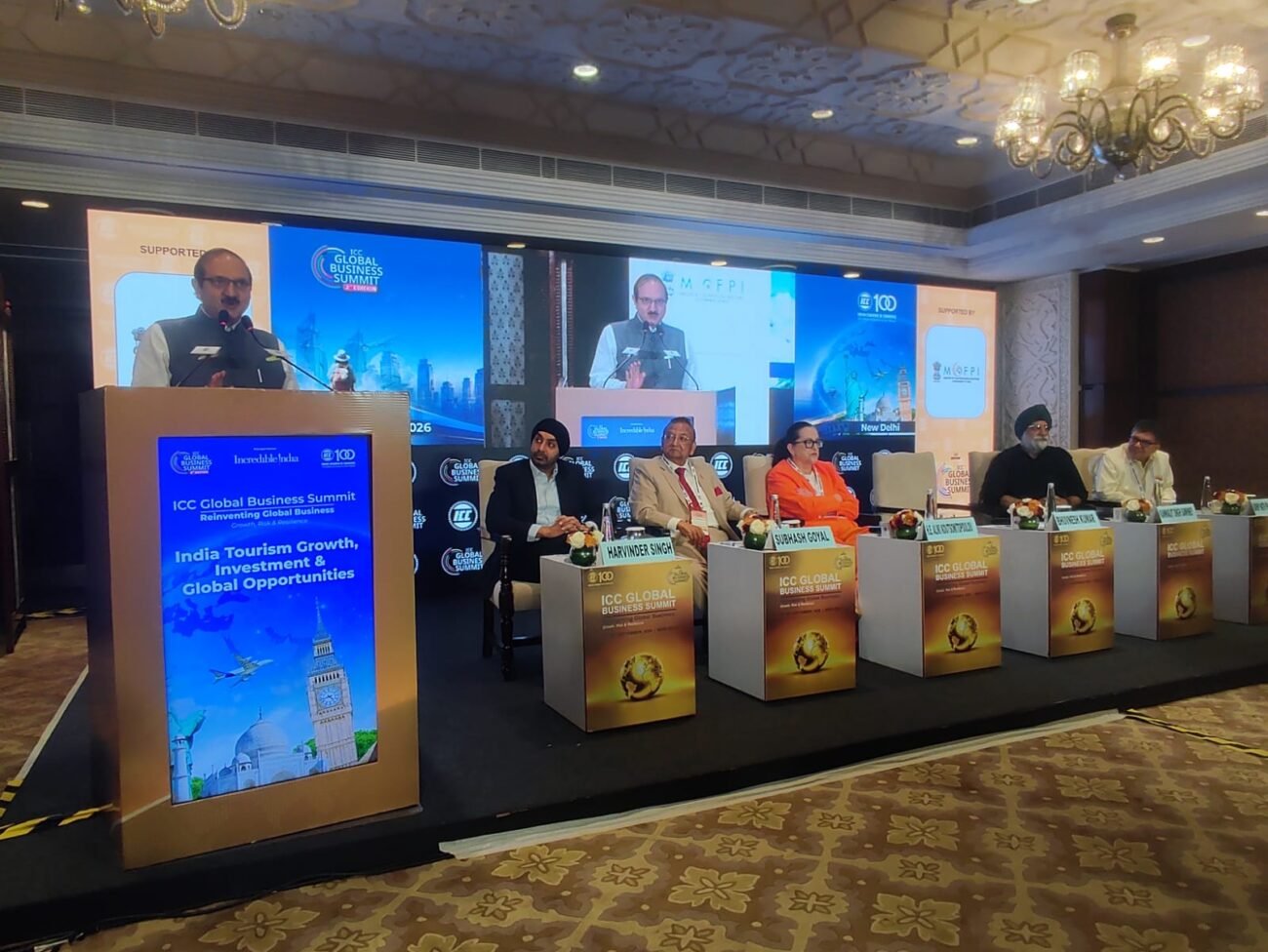
New Delhi, 19 September 2026. India, which was net positive on travel foreign exchange till about 2021, is now net negative, with Indians spending more abroad than foreign visitors spend at home. Shri Bhuvnesh Kumar, IAS, Secretary, Ministry of Tourism, Government of India, said this at the session on India Tourism Growth, Investment and Global Opportunities on Day 2 of the ICC Global Business Summit 2026 (2nd edition) at Taj Palace, New Delhi. The session was held under the theme Unlocking Growth, Investment and Global Opportunities.
“Till about 2021, we used to be net foreign exchange positive on travel, and now we are net foreign exchange negative. That means Indians are spending more abroad than the foreigners coming and spending in India. The industry needs to be ready for that and offer tourism experiences which are at par with the best in the world,” Shri Kumar said.
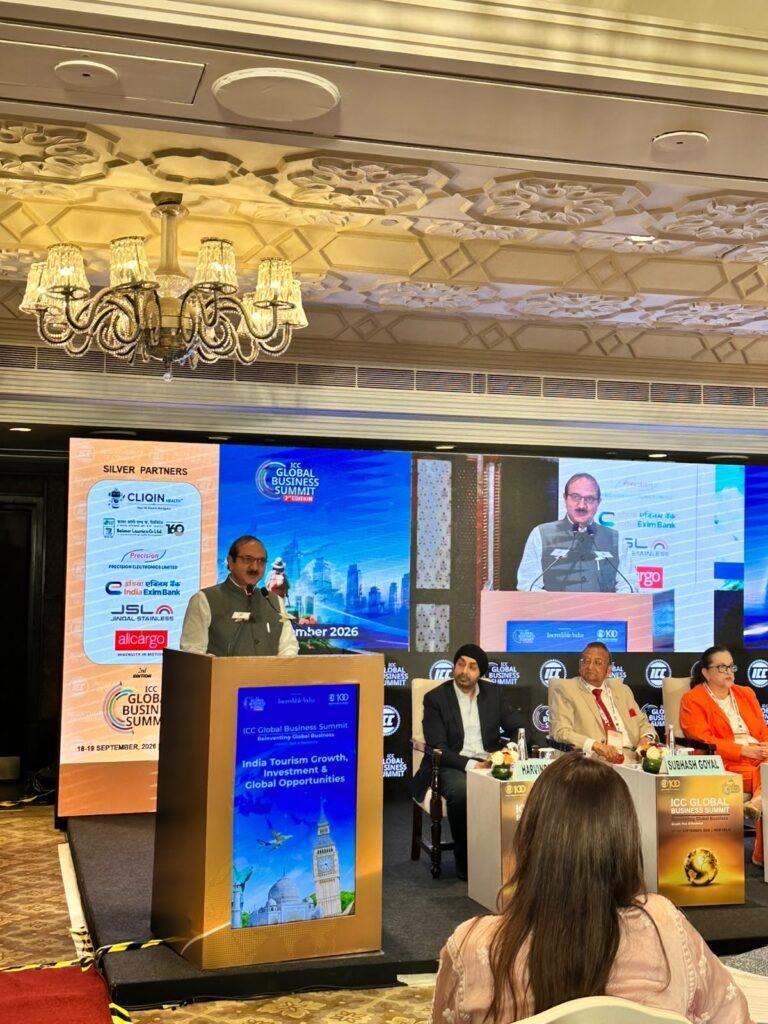
He said domestic visits reached 429 crore last year. One hotel group that operates about 365 hotels has told him it will open 300 more in the next three years. The growth is not confined to the metros and is reaching Tier 2 and Tier 3 cities, where domestic demand has cut the risk that once kept high-end hotels to established circuits.
The Secretary cautioned against chasing volume. “We don’t really need more domestic tourism. We need distributed demand,” he said, adding that demand must be shifted to other places. The Ministry has formulated Dekho Apna Desh 2.0 to steer travellers from popular destinations to lesser-visible ones. Among the places he named were Turtuk in Ladakh, Gurez and Doodhpatri in Jammu and Kashmir, and Varkala in Kerala.
Shri Kumar also listed recent visa reforms. He said visa categories have been brought down from 22 to nine, the medical value visa now runs for one year instead of 60 days, and e-visa is available to 171 countries. On digital plans, he said the Ministry piloted ONDC in Varanasi with about 180 tourism products, has since identified about 23,000 products and experiences across the country, and is working towards a single customised travel pass.
The shift towards experience-led, digitally connected travel was echoed from the aviation side. Shri Harvinder Singh, Director, India Knowledge Center and Head, Middle East and India, United Airlines, said travellers now plan around experiences rather than places. “We are moving from destination to experience, and I am talking about the end-to-end experience.
It is not only about the Taj Mahal or Jaipur or Agra today,” he noted. He also warned that emerging destinations may not sell as they should unless they are visible online. “The real estate on the digital platform is equally important as it is on the ground,” he said.
The view from another tourism economy came from H.E. Ms. Aliki Koutsomitopoulou, Ambassador of Greece to India, who said the number of Indian nationals travelling to Greece rose from 21,630 in 2022 to 29,523 in 2023 and 37,150 in 2024, citing India’s Ministry of Tourism data. She put the growth at almost 72 per cent in just two years. “The direct flights did not create Indian interest in Greece. The demand was already there. Connectivity can now unlock it,” she said. Direct scheduled flights between the two countries began in January 2026.
She said Greece set up a new special spatial framework for tourism in August 2026 to guide where investment goes and how much each destination can absorb. She added that the two tourism ministries are working towards an updated cooperation agreement, with the existing one having been signed in New Delhi in 1998. From 4 to 7 October, Rhodes will host the 40th anniversary convention of the Travel Agents Federation of India (TAFI), with more than 400 Indian travel professionals expected. “They will experience the destination themselves, meet Greek businesses, and return to India with products they can actually sell. That is how institutional cooperation becomes commercial reality,” she said.
Speaking from government, aviation and diplomacy, the three made a common case for the road ahead. India’s tourism growth will last only if experiences are ready to book, destinations are easy to find online and connectivity keeps pace with demand.