India’s Livestock Sector Expands as KCC Coverage Crosses 50 Lakh Farmers
Milk production reaches 247.87 million tonnes as government scales up livestock credit, scientific breeding, fodder development and doorstep veterinary services Key Highlights 50.42 lakh livestock farmers covered under Kisan Credit Card (KCC) in FY 2025–26, up from
Milk production reaches 247.87 million tonnes as government scales up livestock credit, scientific breeding, fodder development and doorstep veterinary services
Key Highlights
- 50.42 lakh livestock farmers covered under Kisan Credit Card (KCC) in FY 2025–26, up from 15.08 lakh in FY 2021–22.
- India’s milk production reached 247.87 million tonnes in 2024–25, exceeding domestic demand of 243 million tonnes.
- Dairy exports stood at $407.18 million in FY 2025–26.
- National Livestock Mission (NLM) provides 50% capital subsidy for eligible livestock and poultry enterprises.
- 245 Mobile Veterinary Units are operational in Tamil Nadu to provide veterinary services at farmers’ doorsteps.
- Government continues nationwide vaccination and disease-control programmes for major livestock diseases.
Livestock Credit and Milk Production Gain Momentum
India’s livestock sector is seeing significant expansion in farmer credit access, milk production and animal healthcare, with the government scaling up programmes aimed at improving productivity and strengthening the livestock value chain.
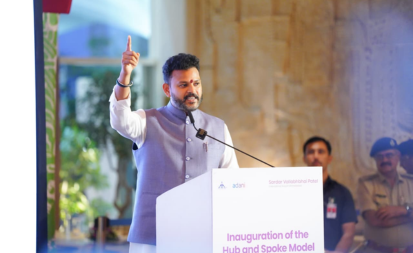
Union Minister for Fisheries, Animal Husbandry and Dairying Rajiv Ranjan Singh highlighted the developments on August 11, noting that Kisan Credit Card coverage for animal husbandry farmers increased to 50.42 lakh beneficiaries in FY 2025–26, more than three times the 15.08 lakh beneficiaries recorded in 2021–22.
The country produced 247.87 million tonnes of milk in 2024–25, compared with domestic demand of around 243 million tonnes. Dairy exports were valued at $407.18 million during FY 2025–26.
Rashtriya Gokul Mission Focuses on Indigenous Breeds
The government is implementing the Rashtriya Gokul Mission (RGM) to promote scientific breeding, conserve indigenous cattle breeds and improve the genetic quality and productivity of India’s bovine population.
The programme is intended to increase milk production and productivity while making dairy farming more remunerative for farmers.
National Livestock Mission Targets Breeding and Fodder Development
The National Livestock Mission (NLM), operational since 2014–15, is focused on scientific livestock and poultry breeding, feed and fodder development, entrepreneurship and employment generation.
The programme also seeks to improve productivity and strengthen linkages between producers in the largely unorganised livestock sector and organised markets.
Under the NLM Entrepreneurship Development Programme, eligible individuals, Farmer Producer Organisations, Self-Help Groups, Joint Liability Groups, Farmer Cooperative Organisations and Section 8 companies can receive 50% capital subsidy.
The scheme covers areas including livestock and poultry breed development, feed and fodder, research and development, livestock insurance and extension services.
Government Strengthens Animal Disease Control
Animal healthcare is another key focus, with the Livestock Health and Disease Control Programme (LHDCP) supporting vaccination and disease-control measures across States and Union Territories.
The Centre provides 100% financial assistance for vaccination programmes targeting economically important diseases such as Foot and Mouth Disease (FMD), Brucellosis, Peste des Petits Ruminants (PPR) and Classical Swine Fever (CSF).
Additional assistance is provided to States for activities including disease surveillance, laboratory strengthening, control of emerging and exotic diseases, vaccination and awareness programmes.
Tamil Nadu Expands Doorstep Veterinary Services
Tamil Nadu is among the States receiving financial support for strengthening livestock healthcare. The government is supporting the operation of 245 Mobile Veterinary Units (MVUs) in the State.
These units provide veterinary services directly at farmers’ doorsteps, potentially reducing delays in treatment and improving access to animal healthcare in rural areas.
What This Means for Hospitality, Food and Tourism
The expansion of India’s livestock and dairy ecosystem has implications well beyond agriculture.
For the food and beverage sector: Higher milk availability can support hotels, restaurants, cafés, bakeries and food manufacturers by strengthening the domestic supply base for milk, paneer, yoghurt, butter, ghee and other dairy products.
For hotels and restaurants: Greater livestock productivity and improved veterinary infrastructure can contribute to a more stable supply chain for dairy and animal-based food products, particularly in major consumption markets.
For food processing: Increased milk production and stronger producer linkages could create opportunities for value-added dairy products, cold-chain infrastructure and organised food distribution.
For rural and agri-tourism: Livestock entrepreneurship, improved rural infrastructure and organised producer networks could support emerging farm-stay, dairy-tourism and rural-experience models.
For tourism destinations: Reliable local food supply chains can strengthen destination-based culinary offerings, particularly where dairy and livestock products form part of regional cuisine.
Bottom Line
The latest livestock-sector measures point to a broader push to build a more productive and organised animal husbandry ecosystem. Rising KCC coverage, higher milk production, scientific breeding, fodder development and doorstep veterinary care could collectively strengthen India’s dairy, food-processing and hospitality supply chains, while creating new opportunities across rural and agri-tourism markets.