India’s First Hydrogen Train Saves Over 3,200 Litres of Diesel in First 1,200 km, Marking a New Era in Green Rail Mobility
Zero-emission hydrogen-powered train begins successful operations between Jind and Sonipat, reinforcing India's sustainable transport ambitions and creating new opportunities for tourism and hospitality Key Highlights India's first Hydrogen Fuel Cell Train was flagged off on July 17,
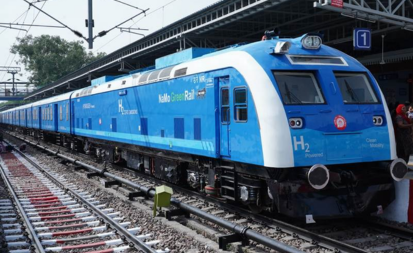
Zero-emission hydrogen-powered train begins successful operations between Jind and Sonipat, reinforcing India’s sustainable transport ambitions and creating new opportunities for tourism and hospitality
Key Highlights
- India’s first Hydrogen Fuel Cell Train was flagged off on July 17, 2026, between Jind and Sonipat.
- The train has already travelled over 1,200 kilometres, replacing the consumption of more than 3,200 litres of diesel.
- Powered by hydrogen fuel cells, the train emits only water vapour, producing zero tailpipe carbon emissions.
- Indigenous project developed by Indian Railways.
- The 10-coach train features two Hydrogen Driving Power Cars delivering 2,400 kW of total power.
- Equipped with lithium iron phosphate batteries and onboard hydrogen cylinders.
- Jind now houses Indian Railways’ first dedicated hydrogen storage facility, capable of storing approximately 3,000 kg of hydrogen.
- Multiple safety systems include hydrogen leak detection, flame and smoke sensors, automatic shut-off mechanisms and continuous ventilation.
- Following successful operations on the Jind–Sonipat route, trials on the Delhi route are scheduled to begin soon.
India’s First Hydrogen Train Begins Successful Operations, Showcasing the Future of Sustainable Rail Travel
India has taken a major step towards clean and sustainable transportation with the successful launch of its first Hydrogen Fuel Cell Train, which has already travelled more than 1,200 kilometres while replacing over 3,200 litres of diesel within its first week of operations.
Flagged off on July 17, 2026, the train is currently operating between Jind and Sonipat near Delhi. The milestone represents one of Indian Railways’ most significant green mobility initiatives and highlights the country’s growing focus on low-carbon transport infrastructure.
Unlike conventional diesel locomotives, the hydrogen-powered train generates electricity onboard through a chemical reaction between hydrogen and oxygen. The only by-product of this process is water vapour, eliminating smoke and harmful tailpipe emissions, making it one of the cleanest rail technologies currently available.
Built with Indigenous Technology
Developed entirely as an indigenous initiative by Indian Railways, the hydrogen train consists of 10 coaches powered by two Hydrogen Driving Power Cars producing a combined 2,400 kW of power.
The system integrates lithium iron phosphate batteries alongside hydrogen fuel cells to ensure efficient power delivery and operational reliability.
To support operations, Indian Railways has established its first dedicated hydrogen storage facility at Jind, capable of storing nearly 3,000 kilograms of hydrogen. The hydrogen is stored at pressures of up to 500 bar and dispensed at 350 bar, enabling safe and efficient refuelling.
Safety Built into Every Stage
Given the nature of hydrogen technology, the train incorporates multiple layers of safety, including advanced leak detection systems, heat, flame and smoke sensors, continuous ventilation, automatic shutdown mechanisms and compliance with international safety standards.
Following the successful performance on the Jind–Sonipat section, Indian Railways plans to begin trial operations on the Delhi route, paving the way for broader deployment of hydrogen-powered trains across the network.
Hospitality & Tourism Impact
The introduction of hydrogen-powered rail technology has wider implications beyond transportation, creating opportunities for India’s hospitality and tourism industries.
A Greener Travel Experience
As travellers increasingly seek environmentally responsible travel options, hydrogen-powered trains provide a cleaner alternative for domestic tourism. Zero-emission rail travel aligns with the growing demand for sustainable holidays and eco-conscious travel experiences.
Boost for Sustainable Destinations
Hydrogen rail technology supports India’s ambitions to develop greener tourism corridors connecting heritage destinations, pilgrimage centres, rural attractions and emerging tourism circuits. Cleaner transportation enhances the appeal of destinations focused on sustainability.
Strengthening India’s Global Tourism Image
The successful deployment of indigenous hydrogen train technology positions India among a select group of nations investing in next-generation rail mobility. This strengthens the country’s image as an innovation-driven destination committed to sustainable infrastructure, an increasingly important consideration for international travellers and investors.
Opportunities for Green Hospitality
Hotels, resorts and tourism operators are increasingly incorporating ESG and sustainability initiatives into their operations. Cleaner rail transport complements these efforts by reducing the environmental footprint of guest travel and supporting responsible tourism practices.
Why This Matters
India’s first Hydrogen Fuel Cell Train is more than a technological demonstration—it marks the beginning of a domestic hydrogen rail ecosystem that could reshape the future of rail transportation. As Indian Railways expands trials and infrastructure, hydrogen-powered mobility has the potential to reduce fossil fuel dependence, lower emissions and create a cleaner, more sustainable travel network for millions of passengers.