Chirag Paswan Highlights Food Processing Opportunities for Youth; 260 Students Graduate from NIFTEM-K
At the institute’s 7th Convocation, the Union Minister calls on young professionals to become job creators through food technology, innovation and entrepreneurship. Eight meritorious students receive Gold Medals. Key Highlights Union Minister for Food Processing Industries Chirag
At the institute’s 7th Convocation, the Union Minister calls on young professionals to become job creators through food technology, innovation and entrepreneurship. Eight meritorious students receive Gold Medals.
Key Highlights
- Union Minister for Food Processing Industries Chirag Paswan highlights the potential of food processing to generate employment, boost entrepreneurship and increase farmers’ incomes.
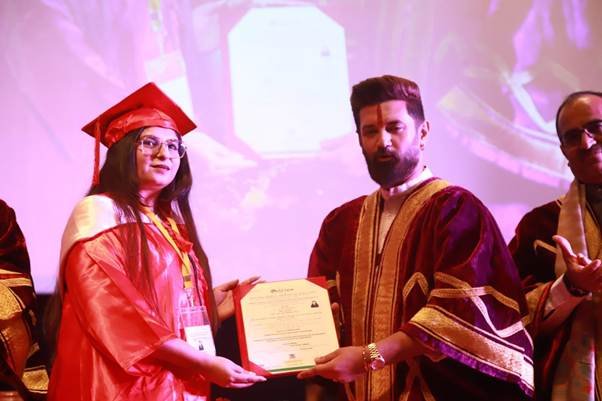
- A total of 260 students receive degrees at NIFTEM-K’s 7th Convocation.
- Eight meritorious students are awarded Gold Medals for academic excellence.
- The Minister stresses food quality as a key factor in strengthening the global reputation of Brand India.
- The government emphasises technology adoption, rural processing infrastructure, value addition and food waste reduction.
- Industry leaders identify opportunities across food manufacturing, retail, processing and value-added products.
Food Processing Sector Offers Opportunities for Young Entrepreneurs: Chirag Paswan
New Delhi, October 9, 2026: Union Minister for Food Processing Industries Chirag Paswan has called on young professionals to explore opportunities in India’s food processing sector, urging graduates to become job creators, innovators and entrepreneurs rather than limiting themselves to conventional employment.
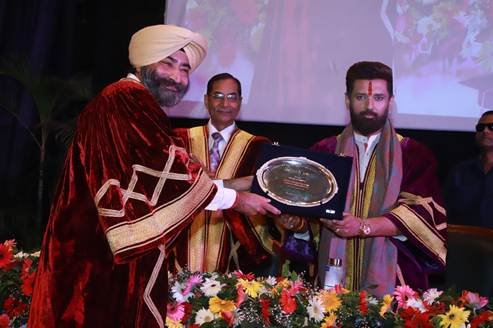
Addressing the 7th Convocation of the National Institute of Food Technology Entrepreneurship and Management, Kundli (NIFTEM-K), the Minister highlighted the sector’s potential to generate employment, improve farmers’ incomes, reduce food wastage and strengthen India’s position in global food markets.
Paswan said India’s extensive agricultural base, diverse food production and large domestic consumer market provide a strong foundation for the country to emerge as a global food basket. He stressed the need to expand food processing facilities, technology and value chains closer to farms and rural communities to ensure that farmers benefit more directly from value addition.
The Minister also assured young innovators of government support for new ideas and initiatives aimed at addressing emerging challenges in the food processing industry.
Food Quality Crucial for Brand India
Emphasising quality standards, Paswan said Indian food products must maintain high quality to compete effectively in international markets. He noted that the quality of an individual product influences not only the reputation of its manufacturer but also the broader global perception of Brand India.
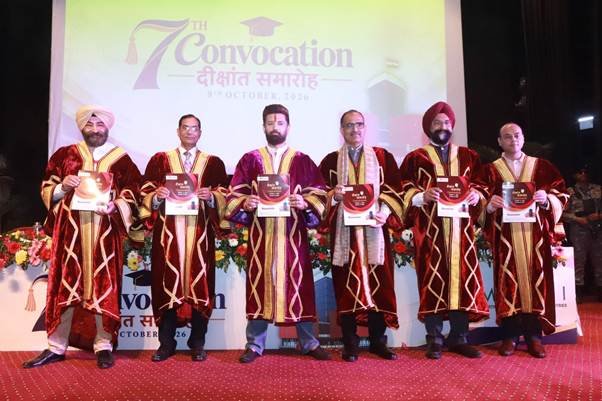
For food manufacturers and exporters, consistent quality, food safety, technology adoption and product innovation remain important considerations in expanding market access and building consumer confidence.
The focus on quality also has relevance for the hospitality industry, where hotels, restaurants, catering businesses and food service operators depend on reliable sourcing, safe ingredients and consistent product standards.
NIFTEM-K Awards Degrees to 260 Students
The convocation saw 260 students receive degrees across four programmes:
- 140 B.Tech. graduates
- 78 M.Tech. graduates
- 18 MBA graduates
- 24 Ph.D. graduates
Eight meritorious students received Gold Medals in recognition of their academic performance and dedication.
NIFTEM-K Director Dr. Harinder Singh Oberoi highlighted the institute’s progress in academics, research, infrastructure and industry partnerships. He said the institute aims to equip students with capabilities in research, innovation, entrepreneurship and industry-oriented learning.
Dr. Trilochan Mohapatra, Chairman of the NIFTEM-K Board of Governors, called for stronger research and innovation ecosystems and disruptive technologies to support global leadership in food technology, safe and nutritious food, sustainable processing and value addition.
Secretary of the Ministry of Food Processing Industries Avinash Joshi also highlighted the sector’s role in reducing food wastage, improving nutrition, creating livelihood opportunities and encouraging entrepreneurship.
Industry Leaders Point to Growing Food Business Potential
Industry representatives at the convocation highlighted opportunities across India’s food value chain.
Dr. R. S. Sodhi, President (Food and Agriculture) at Reliance Retail Ltd., described food as a relatively recession-resilient sector because it remains an essential part of household consumption. He pointed to India’s population of more than 1.4 billion and changing consumption patterns as factors supporting opportunities in food value addition.
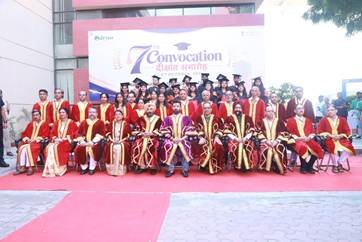
Deepak Agarwal, Chairman and Managing Director of Bikaji Foods International Limited, encouraged graduates to make use of emerging opportunities in the food industry.
The participation of industry leaders underscored the importance of collaboration between educational institutions, research organisations, manufacturers and retailers in developing skilled professionals and bringing new food technologies and products to market.
Impact on Hospitality, Hotels, Food and Tourism
The expansion of India’s food processing ecosystem could have implications across the hospitality and tourism industries, particularly through improvements in food supply chains, product innovation and sourcing.
1. Stronger food supply chains for hotels and restaurants: Greater access to processed, packaged and standardised food products can support consistent quality, storage and supply for hotels, restaurants, catering companies and institutional kitchens.
2. Opportunities for food and beverage businesses: Advances in food technology and value-added products could create opportunities for manufacturers and hospitality operators to develop new menu offerings, packaged foods, ready-to-cook products and regionally inspired food experiences.
3. Support for culinary tourism: Better processing, packaging and distribution can help regional food products reach wider markets, supporting the commercial visibility of local cuisines and food traditions associated with tourism destinations.
4. Employment and entrepreneurship: Graduates trained in food technology, management and research can contribute to food manufacturing, quality assurance, product development, food retail, procurement and hospitality supply chains. Entrepreneurship may also create opportunities for small food businesses serving tourist destinations.
5. Food safety and waste management: The emphasis on quality, technology and reduced food wastage is relevant to hospitality operators seeking to improve food handling, inventory management and procurement efficiency.
These are potential industry implications rather than specific outcomes announced at the convocation. Their scale will depend on investment, infrastructure, regulatory compliance, market demand and the adoption of new technologies by businesses.
Food Technology and Entrepreneurship at the Centre of Sector Growth
The 7th Convocation of NIFTEM-K highlighted the growing importance of skilled human resources, research and industry collaboration in strengthening India’s food processing ecosystem.
With government, academia and industry representatives emphasising innovation, quality and value addition, the sector offers potential opportunities across food manufacturing, agriculture-linked enterprises, retail and hospitality supply chains.
For India’s hospitality and tourism industry, a stronger food processing ecosystem could support more reliable sourcing, wider product choices and greater market access for regional food products, while contributing to employment and entrepreneurship across the wider food economy.