South Asia’s Food Processing Revolution Could Create Millions of Jobs and Unlock Billions in Investment: World Bank at SAPLING 2026
India showcases its food processing growth story as policymakers, global institutions and industry leaders push for stronger value chains, infrastructure and regional collaboration Key Highlights The World Bank Group says transforming South Asia's food systems can create
India showcases its food processing growth story as policymakers, global institutions and industry leaders push for stronger value chains, infrastructure and regional collaboration
Key Highlights
- The World Bank Group says transforming South Asia’s food systems can create millions of jobs and attract billions in investments.
- Agriculture in South Asia is worth over $700 billion annually and employs 43% of the workforce, yet contributes only 16% of GDP.
- More than 30% of food produced in the region is lost or wasted, enough to feed nearly 300 million people.
- India’s processed food exports have more than doubled over the past decade, rising from $4.9 billion to over $10 billion.
- Food processing levels in India have increased from around 10% in 2016 to nearly 17% in 2023.
- Experts called for investments in cold chains, logistics, food parks, storage, value addition and digital traceability.
Food Processing Emerges as South Asia’s Next Economic Growth Story
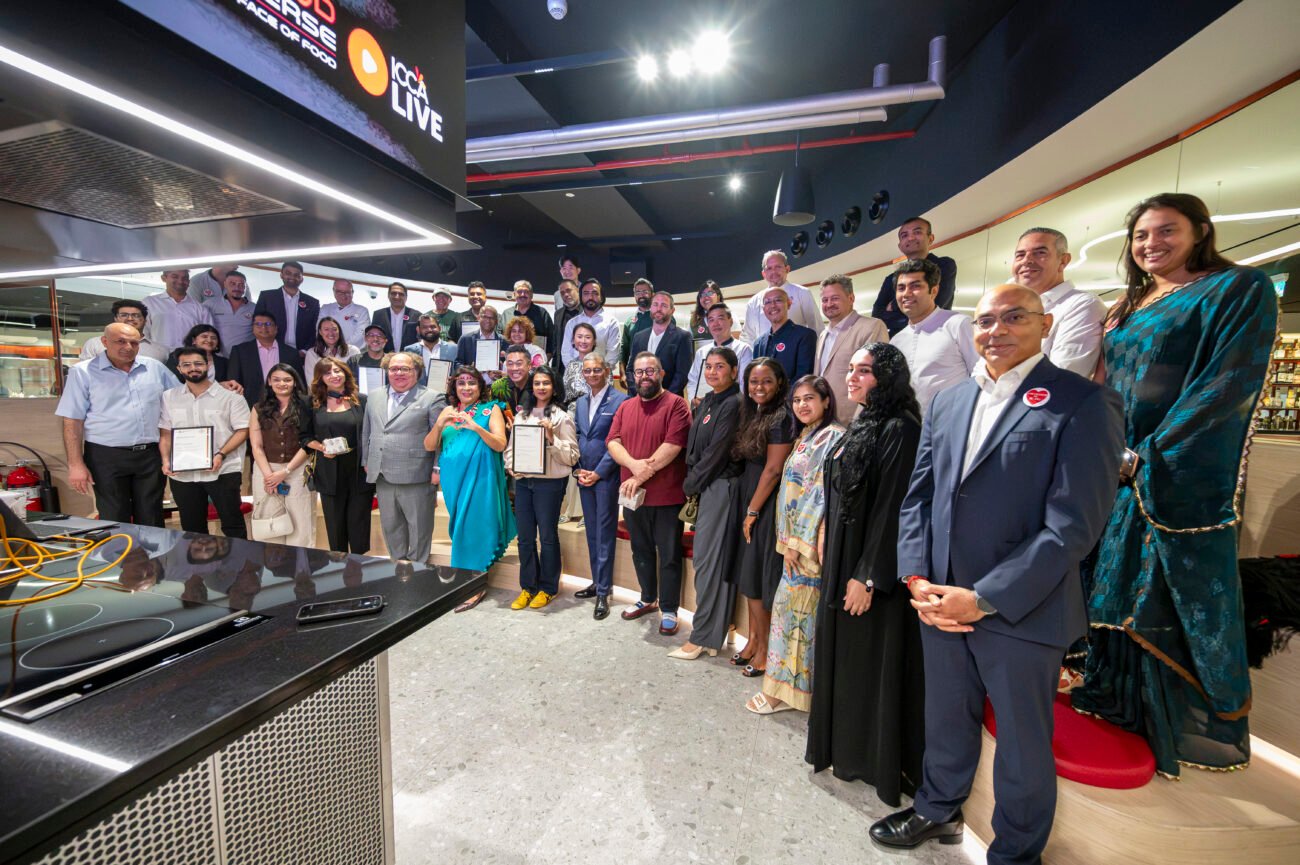
The transformation of food systems beyond traditional farming could become one of South Asia’s biggest economic opportunities, according to discussions at the SAPLING (South Asian Policy Leadership for Improved Nutrition and Growth) High-Level Policy Dialogue held in Ahmedabad.
Organised by the Ministry of Food Processing Industries in collaboration with the World Bank Group-led SAPLING initiative, the conference brought together policymakers, investors, industry leaders, startups and researchers to develop a roadmap for sustainable and employment-driven growth.
The central message was clear: the future of agriculture lies not only in growing more food, but in processing, storing, transporting, branding and marketing it more efficiently.
A $700 Billion Sector with Untapped Potential
According to the World Bank Group, South Asia’s agriculture sector is valued at more than $700 billion annually and provides livelihoods to nearly 43% of the region’s workforce.
However, despite its scale, agriculture contributes only around 16% of regional GDP, indicating significant opportunities for value creation beyond primary production.
Another major concern is food loss. More than 30% of food produced across South Asia is lost or wasted every year, representing enough food to feed nearly 300 million people.
Experts argued that expanding food processing, storage and logistics infrastructure can simultaneously reduce wastage, improve farmer incomes and create large-scale employment.
India’s Food Processing Sector Shows Strong Momentum
India was presented as an example of how policy interventions can strengthen agricultural value chains.
Key indicators highlighted include:
- Foodgrain production has grown from 51 million tonnes in 1950-51 to over 330 million tonnes today.
- Processed food exports have increased from approximately $4.9 billion to more than $10 billion over the past decade.
- The food processing sector contributes around 9% of manufacturing value addition and nearly 13% of India’s exports.
Government initiatives such as:
- Pradhan Mantri Kisan Sampada Yojana
- PM Formalisation of Micro Food Processing Enterprises (PMFME) Scheme
- Production Linked Incentive (PLI) Scheme for Food Processing Industries
have helped modernize infrastructure, attract investments and improve competitiveness.
Cold Chains, Logistics and Food Parks Identified as Priorities
Despite progress, experts noted that a large share of agricultural produce still remains unprocessed.
To unlock greater value, discussions focused on expanding:
- Cold chain infrastructure
- Warehousing facilities
- Processing clusters
- Agro-industrial parks
- Logistics networks
- Digital traceability systems
- Food safety and certification mechanisms
The dialogue also encouraged greater private investment in these areas through supportive policy reforms and public-private partnerships.
Regional Collaboration Through SAPLING and AgriConnect
The World Bank highlighted two major initiatives driving transformation:
AgriConnect
The platform aims to connect 300 million farmers to markets by 2030 through infrastructure investments, policy reforms and private capital mobilisation.
SAPLING
SAPLING serves as a regional platform bringing together governments, investors and development partners to promote policy reforms, build investment pipelines and scale successful food system solutions across South Asia.
The initiative seeks to improve nutrition, strengthen exports and create more resilient food economies across the region.
Impact on Hospitality, Food & Tourism
The discussions have direct implications for India’s hospitality and tourism sectors, which increasingly depend on efficient food supply chains and value-added products.
Hotels and Restaurants
Improved food processing and cold chain infrastructure can ensure year-round availability of quality ingredients, helping hotels and restaurants maintain consistency while reducing procurement challenges.
Food & Beverage Industry
Growth in processed foods supports quick-service restaurants, cloud kitchens, airlines, institutional catering and premium packaged food segments that rely on standardized ingredients.
Culinary Tourism
Better processing, branding and preservation of regional specialties can strengthen India’s culinary tourism landscape, allowing local products to reach wider domestic and international markets while enhancing destination experiences.
MICE and Investment Ecosystem
International policy dialogues like SAPLING position cities such as Ahmedabad as important hubs for business events and investment discussions, generating demand for hotels, convention centres, transport and hospitality services.
Industry Takeaway
For the hospitality industry, the future of food security extends beyond agricultural production. Investments in food processing, logistics, cold chains and value addition will shape menu innovation, supply chain resilience and culinary tourism. As South Asia modernises its food systems, hotels, restaurants, food manufacturers and tourism businesses stand to benefit from a stronger and more integrated farm-to-fork ecosystem.