Punjab Farmers to Receive ₹254.20 Crore Central Support as Centre Announces New Agricultural Projects and Green Ammonia Trial
Under Khet Bachao Abhiyan, Centre approves seven agricultural projects worth ₹98.44 crore for Punjab; proposed stricter pesticide law, crop diversification, integrated farming and support for honey producers also feature in Mohali programme Mohali, November 17, 2026:
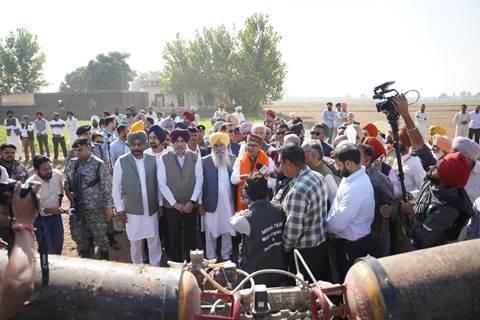
Under Khet Bachao Abhiyan, Centre approves seven agricultural projects worth ₹98.44 crore for Punjab; proposed stricter pesticide law, crop diversification, integrated farming and support for honey producers also feature in Mohali programme
Mohali, November 17, 2026: The Centre has announced fresh financial and policy support for Punjab’s agricultural sector, including the release of ₹254.20 crore under the Pradhan Mantri Rashtriya Krishi Vikas Yojana (PM-RKVY) and approval of seven new agricultural projects worth ₹98.44 crore.
The announcements were made by Union Minister for Agriculture and Farmers’ Welfare and Rural Development, Shri Shivraj Singh Chouhan, during the Khet Bachao Abhiyan programme at Badarpur village in Sahibzada Ajit Singh Nagar district (Mohali), Punjab.
In the presence of Punjab Agriculture Minister Shri Gurmeet Singh Khuddian, the Union Minister handed over the approval letter for the second tranche of the PM-RKVY Mother Sanction for the financial year 2026–27.
The programme also addressed several issues affecting farmers, including fertiliser black marketing, counterfeit agricultural inputs, soil health, crop diversification, stubble management and the development of alternative agricultural income streams.
For the food, hospitality and agricultural supply-chain sectors, the announcements are relevant to future developments in crop availability, organic produce, dairy, honey, fisheries and other agricultural products.
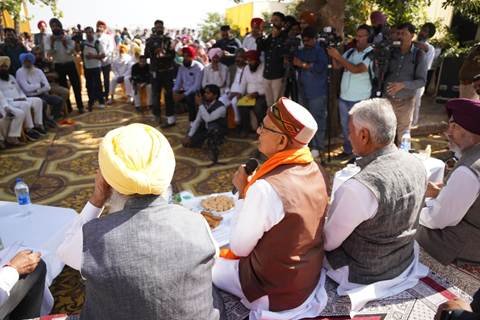
₹254.20 Crore Support and Seven New Projects for Punjab
The Centre’s financial assistance under PM-RKVY is intended to support agricultural development in Punjab, with the seven additional projects approved under the state’s Annual Action Plan carrying a combined outlay of ₹98.44 crore.
According to the Ministry, the projects are aimed at improving agricultural productivity, strengthening modern agricultural infrastructure and supporting the overall development of the state’s agriculture sector.
Shri Chouhan emphasised that agricultural development should remain a shared responsibility of the Centre and state governments, irrespective of political differences.
Centre Plans Stricter Law Against Fake Fertilisers, Seeds and Pesticides
Addressing concerns raised by farmers, the Union Agriculture Minister announced that the government is preparing to introduce a stricter pesticide law to tackle the sale of fake fertilisers, spurious seeds and substandard pesticides.
He also issued a warning against fertiliser black marketing and the forced tagging of additional products with fertiliser purchases.
The Minister stated that dealers and shopkeepers found engaging in such practices would face strict action, including imprisonment.
The government is seeking suggestions from farmers and experts as part of the process of preparing the proposed legislation.
Green Ammonia Trial Across 10,000 Hectares to Explore Alternative to Urea
A major technology-related announcement during the programme was the launch of a nationwide green ammonia trial covering 10,000 hectares.
Shri Chouhan witnessed a live demonstration of the technology in Mohali and said green ammonia was being explored as an alternative to urea.
The initiative is intended to examine the potential benefits of the technology for farmers.
The Minister also stressed the importance of soil testing before applying fertilisers, warning that indiscriminate use of urea, DAP and other chemical fertilisers can adversely affect soil health and increase unnecessary cultivation costs.
He encouraged farmers to apply nutrients according to the actual requirements of their soil.
Crop Diversification and Integrated Farming to Support Additional Income
Moving beyond the traditional wheat-paddy cropping cycle was another major focus of the programme.
Shri Chouhan encouraged farmers, particularly small landholders, to adopt integrated farming models combining crop cultivation with other agricultural and allied activities.
The activities highlighted included:
- Fruit and vegetable cultivation.
- Dairy and animal husbandry.
- Fisheries.
- Poultry farming.
- Goat rearing.
- Mushroom cultivation.
- Beekeeping.
According to the Minister, combining multiple agricultural activities can help farmers generate income throughout the year, reduce dependence on a single crop and make better use of available land and resources.
He also indicated that the government intends to bring more integrated farming projects into the next Budget to support crop diversification and small farmers.
Honey Production and Organic Certification Receive Attention
The programme also highlighted the growing importance of farmer-led agricultural enterprises.
The Union Minister appreciated progressive farmers engaged in organic cultivation, Sahiwal dairy farming, beekeeping, direct milk and sweets sales, and vermicomposting.
Among the initiatives discussed were:
- Convening a special meeting of the National Beekeeping Board (Honey Board) to address issues faced by honey producers.
- Simplifying the certification process for organic products.
- Encouraging direct marketing by farmers to reduce dependence on middlemen.
- Promoting sustainable agricultural enterprises and value-added products.
The Minister also interacted directly with farmers and assured them that concerns regarding an 80% subsidy on agricultural machinery for small groups, modernisation of Morinda Sugar Mill and stray cattle would be taken up with the relevant authorities in coordination with the state government.
Stubble Management and Soil Health Remain Key Priorities
Recognising Punjab’s efforts to reduce stubble burning, Shri Chouhan appreciated farmers adopting crop-residue management practices, including incorporating stubble into the soil.
He highlighted the importance of continuing these practices to protect soil health and reduce environmental damage.
The Minister also referred to the teachings of Guru Nanak Dev Ji, particularly the principles of honest work, remembering the divine and sharing with others, as inspiration for agricultural service and community welfare.
Key Highlights
- ₹254.20 crore: Second tranche of PM-RKVY Mother Sanction approved for Punjab for FY 2026–27.
- ₹98.44 crore: Seven new agricultural projects approved under Punjab’s Annual Action Plan.
- 10,000 hectares: Green ammonia trial to explore an alternative to urea.
- Proposed legislation: Stricter pesticide law targeting fake fertilisers, spurious seeds and substandard pesticides.
- Fertiliser regulation: Strict action announced against black marketing and forced product tagging.
- Crop diversification: Greater focus on fruits, vegetables and allied agricultural activities.
- Integrated farming: Dairy, fisheries, poultry, goat rearing, mushroom cultivation and beekeeping encouraged.
- Honey sector: Special meeting of the Honey Board proposed to address producer concerns.
- Organic farming: Simplification of organic certification called for.
- Farm machinery: Farmers’ demand for an 80% subsidy for small groups to be examined.
Impact on Hospitality, Food & Beverage and Travel & Tourism
The announcements under Khet Bachao Abhiyan have implications beyond farm-level development. Punjab’s agricultural diversification, dairy production, beekeeping and organic farming initiatives are particularly relevant to the foodservice, hospitality and food processing industries.
1. Opportunities for hotels and restaurants through crop diversification
Greater emphasis on fruit and vegetable cultivation could support the availability of regionally sourced ingredients for hotels, restaurants, institutional kitchens and catering businesses.
For Punjab’s hospitality sector, diversified agricultural production can create opportunities to strengthen farm-to-kitchen procurement relationships.
2. Dairy and value-added food businesses
The programme’s focus on Sahiwal dairy farming and direct sales of milk and traditional sweets highlights opportunities in dairy-based food businesses.
Hotels, restaurants, sweet shops, bakeries and food manufacturers could benefit from stronger local dairy supply chains and the development of value-added dairy products.
3. Honey and organic food markets
The proposed Honey Board meeting and call for simpler organic certification are relevant to premium food ingredients and natural-product markets.
Honey has applications across hotel breakfast operations, bakery products, desserts, beverages and wellness-focused menus. Easier organic certification could also support farmers seeking access to organised retail and hospitality procurement channels.
4. Farm-to-table and culinary tourism opportunities
Integrated farming combining horticulture, dairy, beekeeping, fisheries and other activities could provide opportunities for farm-based tourism and experiential hospitality.
Punjab’s agricultural enterprises could potentially develop visitor experiences around traditional food production, dairy farming, honey extraction and regional cuisine.
5. Sustainable food sourcing and procurement
The focus on soil health, green ammonia trials and responsible agricultural practices highlights the importance of sustainable food production.
For hospitality businesses, improved agricultural practices could support long-term sourcing resilience, although the commercial impact will depend on the adoption and results of these initiatives.
6. Opportunities for food processing and agri-enterprises
Crop diversification and integrated farming could expand the range of agricultural raw materials available to food processors.
Fruits, vegetables, milk, honey and mushroom production offer opportunities for processing, packaging, preservation and the development of specialised food products.
Industry Takeaway
The Khet Bachao Abhiyan programme in Punjab highlights a broader shift towards agricultural diversification, integrated farming and value addition beyond traditional crop cultivation.
For the hospitality and food industry, the most relevant developments are the focus on fruits and vegetables, dairy, honey, organic products and direct farmer-to-consumer marketing.
The proposed measures could help strengthen connections between farmers, food processors, organised buyers and hospitality businesses. However, the longer-term impact will depend on the implementation of approved projects, the outcomes of the green ammonia trial and the adoption of integrated farming practices.