National Kharif Campaign 2026 Conference Begins in New Delhi; Focus on Climate-Resilient Farming, Food Security and Agricultural Growth
Centre and States to deliberate on Kharif preparedness, natural farming, pulses, oilseeds, digital agriculture and farmer prosperity at two-day national conference The Ministry of Agriculture & Farmers’ Welfare is set to convene the National Conference on
Centre and States to deliberate on Kharif preparedness, natural farming, pulses, oilseeds, digital agriculture and farmer prosperity at two-day national conference
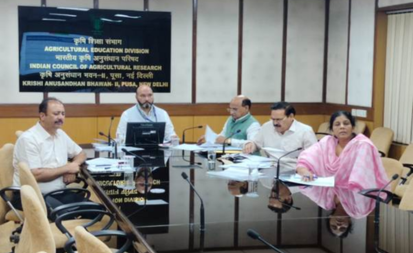
The Ministry of Agriculture & Farmers’ Welfare is set to convene the National Conference on Agriculture for Kharif Campaign 2026 on May 28–29 at the NASC Complex, Pusa, New Delhi, bringing together policymakers, agricultural scientists, state governments and sector experts to chart the roadmap for the upcoming Kharif season.
The conference will be chaired by Union Agriculture and Farmers’ Welfare Minister Shivraj Singh Chouhan and will witness participation from State Agriculture Ministers, senior officials from the Ministry, the Indian Council of Agricultural Research, State Governments and Union Territories.
Key Highlights
- National Conference on Agriculture for Kharif Campaign 2026 to be held on May 28–29 in New Delhi
- Chaired by Union Agriculture Minister Shivraj Singh Chouhan
- Focus on Kharif preparedness, climate resilience and sustainable agriculture
- Discussions on pulses, oilseeds, digital agriculture and natural farming
- State Agriculture Ministers and ICAR experts to participate
- Centre and States to share best practices and review preparedness
- Conference aligned with the vision of a resilient and farmer-centric agricultural ecosystem
Kharif Strategy and Food Security in Focus
The annual Kharif Conference serves as one of the government’s most important platforms for reviewing agricultural preparedness and aligning national and state-level strategies ahead of the monsoon cropping season.
Over the two-day event, extensive discussions will focus on:
- Kharif crop preparedness
- Agricultural productivity enhancement
- Climate-resilient farming practices
- Natural farming initiatives
- Pulses and oilseed production
- Digital agriculture adoption
- Agricultural finance
- Risk management and crop resilience
Officials said the conference aims to strengthen coordination between the Centre and States while identifying practical measures to improve productivity and farmer incomes.
Three Core Themes to Drive Deliberations
The conference discussions will revolve around three major thematic areas:
1. Atmanirbharta, Diversification and Production Growth
Focus on improving self-reliance in food production, crop diversification and increasing agricultural output.
2. Sustainability, Climate-Resilient Agriculture and Khet Bachao
Discussions will address soil health, sustainable farming practices, balanced fertiliser use and climate adaptation strategies.
3. Infrastructure, Financing and Risk Management
Stakeholders will review agricultural infrastructure requirements, access to finance, insurance mechanisms and risk mitigation strategies.
Centre and States to Exchange Best Practices
State Governments and Union Territories have been grouped for structured thematic discussions and experience-sharing sessions.
The Ministry expects the conference to:
- Facilitate exchange of successful agricultural models
- Promote innovative farming practices
- Strengthen extension services
- Enhance implementation of government programmes
- Improve Centre-State coordination
The event will also incorporate key learnings from recent zonal consultations conducted across the country.
Building a Farmer-Centric Agricultural Ecosystem
According to the Ministry, the conference reflects the government’s broader commitment to creating a sustainable, resilient and farmer-focused agricultural ecosystem aligned with the vision of a developed India and prosperous farming communities.
The deliberations are expected to influence policy priorities, crop planning and implementation strategies for the Kharif 2026 season, which remains critical for India’s food security and rural economy.
Impact on Hospitality, Foodservice & Tourism Sector
The outcomes of the National Kharif Campaign 2026 Conference could have significant implications for India’s hospitality, foodservice and culinary tourism sectors. Enhanced focus on pulses, oilseeds, climate-resilient crops and sustainable agriculture can help ensure a more stable supply of agricultural commodities for hotels, restaurants, catering companies and food manufacturers. The promotion of natural farming and crop diversification may also encourage greater use of regional ingredients, supporting farm-to-table concepts, wellness cuisine and destination-based culinary experiences. Additionally, stronger agricultural productivity and rural prosperity can stimulate agritourism, rural tourism and food tourism initiatives, creating new opportunities for hospitality businesses seeking authentic local sourcing and experiential travel offerings.