India Charts Roadmap for Agrobiodiversity Conservation with National Advisory Board on Genetic Resources
NABMGR focuses on integrated management of plant, animal, fish, microbial and insect genetic resources to strengthen climate-resilient agriculture, food security and sustainable development New Delhi, July 30, 2026: India has initiated a strategic roadmap to strengthen
NABMGR focuses on integrated management of plant, animal, fish, microbial and insect genetic resources to strengthen climate-resilient agriculture, food security and sustainable development
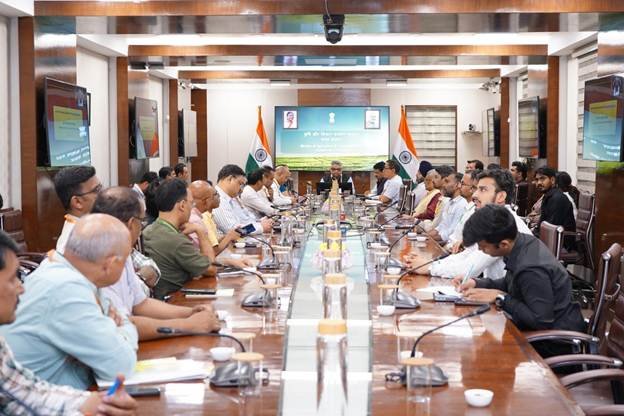
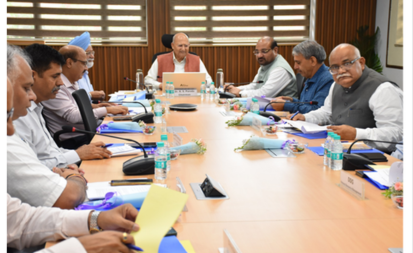
New Delhi, July 30, 2026: India has initiated a strategic roadmap to strengthen the conservation and sustainable utilisation of agricultural genetic resources with the first meeting of the reconstituted National Advisory Board on Management of Genetic Resources (NABMGR) held at the ICAR–National Bureau of Plant Genetic Resources (ICAR-NBPGR), New Delhi.
The Board, recognising genetic resources as a strategic asset for food security, nutrition, environmental sustainability and rural livelihoods, discussed measures to improve conservation, research collaboration and responsible utilisation of India’s diverse biological resources.
The initiative is expected to have long-term implications for the hospitality, food processing, culinary tourism and sustainable agriculture sectors by supporting biodiversity-based food systems, indigenous ingredients and climate-resilient agricultural production.
Key Highlights
- Reconstituted National Advisory Board on Management of Genetic Resources (NABMGR) held its first meeting on July 29, 2026.
- Board chaired by Padma Bhushan Dr R.S. Paroda, former Secretary, Department of Agricultural Research and Education (DARE) and former Director General, ICAR.
- Dr M.L. Jat, Secretary, DARE and Director General, ICAR, serves as Co-Chairman.
- Focus areas include conservation and sustainable utilisation of:
- Plant genetic resources
- Animal genetic resources
- Fish genetic resources
- Microbial resources
- Insect genetic resources
- Board recommends stronger collaboration among ICAR institutions, ministries and research organisations.
- Emphasis placed on climate-resilient crops, improved breeds and sustainable agricultural systems.
- Roadmap aligned with Viksit Bharat vision, Sustainable Development Goals (SDGs) and long-term food security goals.
Genetic Resources Identified as Strategic Asset for India’s Future
The NABMGR highlighted that India’s rich diversity of plant, animal, fish, microbial and insect genetic resources plays a critical role in ensuring:
- Food and nutritional security
- Climate resilience
- Sustainable agricultural development
- Livelihood protection for farming communities
Dr. R.S. Paroda emphasised the need for strategic prioritisation by national institutions to ensure that conserved genetic material is effectively utilised for developing improved crop varieties, livestock breeds and fish species.
The Board stressed greater use of conserved germplasm, including wild relatives and indigenous species, to expand genetic diversity and accelerate development of climate-resilient agricultural solutions.
Strengthening Climate-Resilient Agriculture Through Research
Dr. M.L. Jat highlighted the importance of integrating genetic resource management with:
- Soil science
- Digital agriculture
- Crop improvement programmes
- Location-specific farming systems
The Board noted that identifying crop varieties suited to specific soil types and agro-climatic regions can help develop more resilient and productive agricultural systems.
India’s National Agricultural Research, Education and Extension System (NAREES), led by ICAR, continues to support conservation, characterisation and sustainable utilisation of genetic resources.
NABMGR Roadmap for 2026–2031
During the meeting, Directors of six ICAR National Bureaux presented achievements from 2021–2026 and future plans for 2026–2031.
The Board recommended several strategic measures, including:
1. Expanding Germplasm Utilisation
Strengthening pre-breeding programmes to increase the use of conserved genetic resources for crop improvement.
2. Exploring New Genetic Resources
Identifying unexplored regions for systematic germplasm collection between 2026 and 2031.
3. Integrated National Genetic Resources Framework
Developing stronger coordination among ICAR National Bureaux for unified genetic resource management.
4. Promoting Traditional and Underutilised Species
Mainstreaming traditional crop varieties, indigenous livestock breeds, fish species, microorganisms and insects through collaborative programmes.
5. Strengthening Biodiversity Benefit Sharing
Reviewing implementation of Access and Benefit Sharing (ABS) provisions under the Biological Diversity Act, 2002.
National Safety Genebank Development Gains Momentum
The Board also reviewed progress on establishing the National Safety Genebank (NSG), which aims to safeguard India’s valuable genetic resources for future generations.
The Chairman suggested completing the project in time for dedication during the centenary celebrations of ICAR in 2028–29.
The facility is expected to play an important role in preserving agricultural biodiversity against future challenges, including climate change and emerging agricultural risks.
Global Collaboration for Genetic Resource Exchange
The NABMGR highlighted the importance of strengthening international partnerships, particularly with countries in Central Asia and Southeast Asia, for access to valuable genetic resources.
The Board discussed promoting strategic exchange of germplasm for crops and species including:
- Cotton
- Rambutan
- Avocado
- Mangosteen
- Livestock species such as sheep
It also recommended developing a legal framework to protect the rights of breeders, livestock keepers and fish farmers, similar to the protection provided under the Protection of Plant Varieties and Farmers’ Rights Act (PPV&FRA).
Impact on Hospitality, Food & Tourism Industry
The conservation and sustainable utilisation of agricultural biodiversity can create significant opportunities for India’s hospitality and tourism ecosystem.
1. Revival of Indigenous Ingredients and Regional Cuisine
Protection of traditional crop varieties, native breeds and local species can support chefs and hospitality brands in showcasing authentic regional cuisines.
2. Growth of Culinary Tourism
Biodiversity-rich regions can develop unique food tourism experiences based on indigenous ingredients, traditional farming and local culinary heritage.
3. Sustainable Food Supply Chains
Climate-resilient agricultural practices can support reliable sourcing of ingredients for hotels, restaurants and food businesses.
4. Innovation in Food & Beverage Sector
Access to diverse genetic resources can encourage development of:
- Specialty foods
- Functional ingredients
- Traditional beverages
- Nutritional products
5. Support for Farm and Rural Tourism
Communities preserving indigenous crops and traditional agricultural practices can create opportunities for farm visits, rural experiences and cultural tourism.
Towards a Sustainable Agricultural Future
The NABMGR meeting reaffirmed India’s commitment towards scientific collaboration, institutional coordination and evidence-based management of agricultural genetic resources.
By strengthening agrobiodiversity conservation and sustainable utilisation, the initiative aims to enhance India’s agricultural resilience, protect traditional knowledge and contribute towards the vision of Viksit Bharat through food security, sustainability and inclusive growth.