Agri Welfare Portal Goes Live: Farmers to Access Government Schemes, Subsidies and Market Information on Mobile
Upgraded Agri Welfare Portal integrates PM-KISAN, AgriStack and PM Fasal Bima Yojana, aiming to simplify access to agricultural services and financial assistance through a single digital platform. The Government of India has launched an upgraded Agri
Upgraded Agri Welfare Portal integrates PM-KISAN, AgriStack and PM Fasal Bima Yojana, aiming to simplify access to agricultural services and financial assistance through a single digital platform.
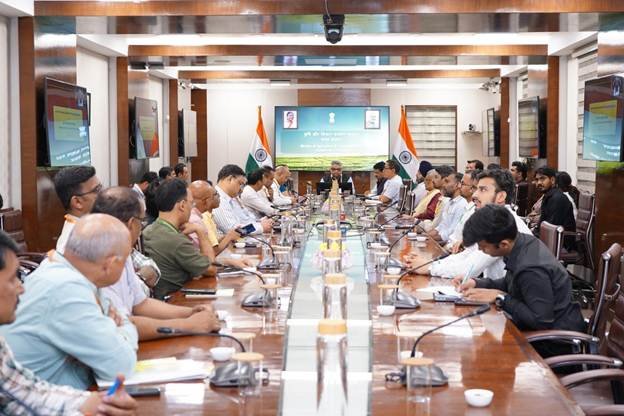
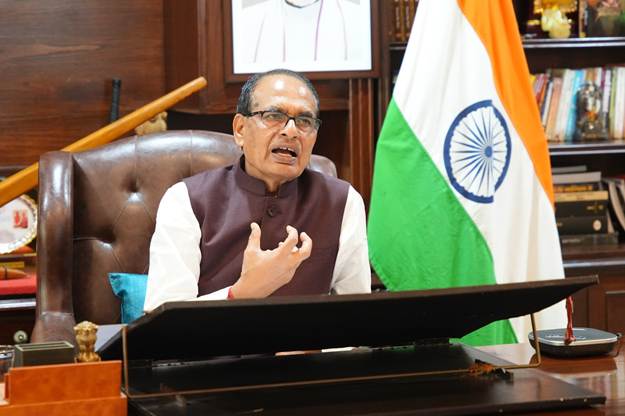
The Government of India has launched an upgraded Agri Welfare Portal to provide farmers with mobile-based access to agricultural schemes, subsidies, financial assistance and essential farming information. Union Minister for Agriculture and Farmers’ Welfare and Rural Development Shivraj Singh Chouhan launched the platform on October 19, 2026, as part of the government’s broader Digital India initiative.
The portal is designed to reduce the need for farmers to visit multiple government offices or navigate separate websites to access services. It brings information on key government initiatives, including PM-KISAN, AgriStack and the Pradhan Mantri Fasal Bima Yojana, under a single digital interface.
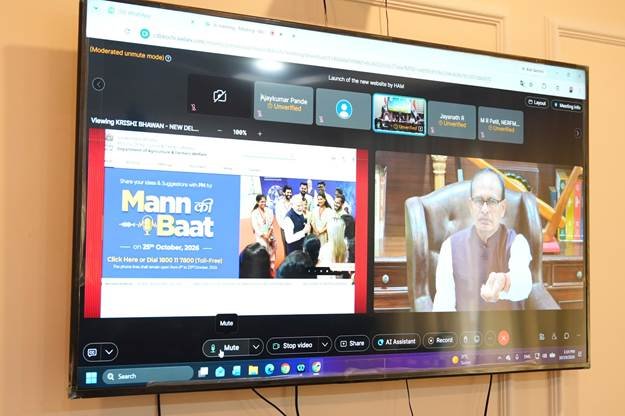
Addressing the launch, Chouhan emphasised the importance of making government services accessible to farmers through their mobile phones. He also called for regularly updated information and simple processes to ensure that small and marginal farmers can use the platform without difficulty.
Single-Window Access to Agricultural Schemes and Services
The upgraded portal will provide information on government schemes, subsidies, rules and digital services, alongside facilities for eligibility checks and online applications. Financial assistance through Direct Benefit Transfer (DBT) is expected to support greater transparency and reduce the role of intermediaries.
Designed for rural users, the platform is lightweight and mobile-friendly, with an emphasis on usability in areas with limited internet connectivity. It will also provide access to agricultural information covering weather conditions, scientific farming practices, seed and fertiliser availability, and prevailing market prices for agricultural produce.
The portal has been developed in accordance with the Ministry of Electronics and Information Technology’s Digital Brand Identity Manual 3.0 and Guidelines for Indian Government Websites 3.0. Its accessibility features include screen-reader support and simplified navigation for persons with disabilities.
To strengthen adoption, the Agriculture Ministry will conduct a special training campaign through Krishi Vigyan Kendras (KVKs) across the country. The initiative will help farmers understand how to access the portal and use digital agricultural services effectively.
The platform is also intended to connect a wider agricultural ecosystem, including Farmer Producer Organisations (FPOs), Primary Agricultural Credit Societies (PACS), agricultural scientists, researchers and startups.
Key Highlights
- Single digital platform: Access to agricultural schemes, subsidies, rules and government services through one portal.
- Integration of major schemes: Includes PM-KISAN, AgriStack and the Pradhan Mantri Fasal Bima Yojana.
- Mobile-first access: Designed to work on basic smartphones and support users in areas with weak internet connectivity.
- Greater transparency: Online eligibility checks, application facilities and DBT-based financial assistance aim to simplify access to government benefits.
- Agricultural information: Access to weather updates, scientific farming practices, seed and fertiliser availability, and market prices.
- Accessibility: Screen-reader support and simplified navigation for persons with disabilities.
- Farmer training: Krishi Vigyan Kendras will conduct training to improve digital awareness and portal adoption.
- Agricultural ecosystem integration: Brings farmers, FPOs, PACS, researchers, scientists and startups into a common digital framework.
Impact on Hospitality, Food Industry, Travel and Tourism
1. Better access to agricultural information for food businesses
Easier access to information on crop practices, market prices and agricultural inputs could help farmers make more informed decisions. Over time, improved digital access may benefit restaurants, hotels, catering companies and institutional kitchens that depend on agricultural produce. However, the portal’s direct impact on procurement costs and supply-chain efficiency will depend on farmer adoption and how effectively the information translates into production and market improvements.
2. Opportunities for farm-to-table and local food sourcing
Greater digital connectivity across the agricultural ecosystem could support stronger relationships between farmers, FPOs and food businesses. Hotels and restaurants focusing on regional cuisines, seasonal menus and locally sourced ingredients may benefit if these connections improve access to producers and information about available produce.
3. Potential benefits for agri-tourism and rural experiences
Digital access to agricultural information and improved farmer awareness could complement the development of farm stays, rural tourism experiences, culinary trails and destination-based food experiences. The portal is not specifically a tourism platform, but a more digitally connected agricultural sector could support rural enterprises that combine farming with visitor experiences.
4. Relevance for food processing and hospitality supply chains
Food processors, caterers and hotel procurement teams may benefit indirectly if improved agricultural information contributes to more informed production and marketing decisions. Stronger coordination among farmers, FPOs and other stakeholders could also create opportunities for more structured sourcing arrangements.
Industry Takeaway
The upgraded Agri Welfare Portal represents a step towards making agricultural services more accessible through a unified digital platform. For India’s hospitality and food sectors, its longer-term significance lies in the possibility of better-informed farmers, stronger connections with agricultural producers and improved access to information across the farm-to-food value chain.
The extent of these benefits will depend on digital adoption, the accuracy and regular updating of information, and the development of effective connections between farmers and downstream food businesses.
Source: Press Information Bureau (PIB), Ministry of Agriculture and Farmers’ Welfare, Government of India, October 19, 2026.