IITF 2026 Agriculture Pavilion Draws Large Crowds with Millets, Organic Produce and Modern Farming Technologies
Ministry of Agriculture showcases digital farming, hydroponics, natural farming, regional FPO products and value-added agricultural produce at Pragati Maidan; pavilion remains open until November 27 New Delhi, November 15, 2026: The Agriculture Pavilion at the India
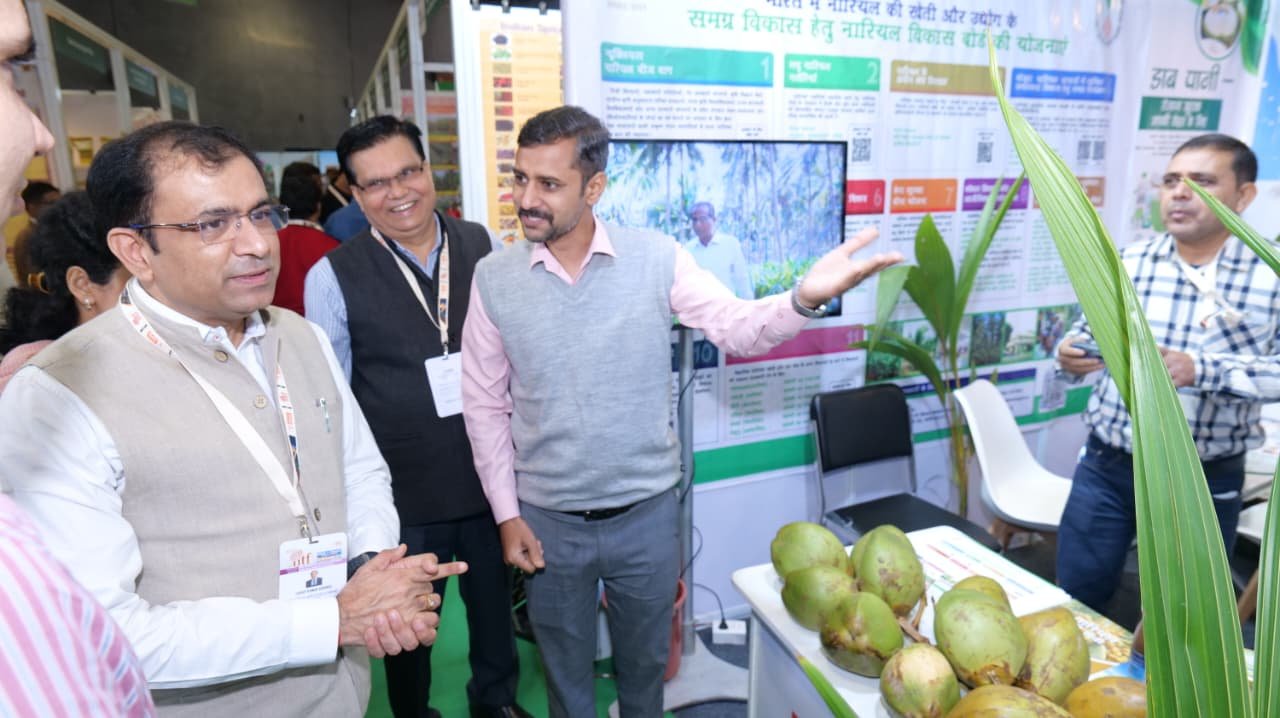
Ministry of Agriculture showcases digital farming, hydroponics, natural farming, regional FPO products and value-added agricultural produce at Pragati Maidan; pavilion remains open until November 27
New Delhi, November 15, 2026: The Agriculture Pavilion at the India International Trade Fair (IITF) 2026 has emerged as a major visitor attraction at Pragati Maidan, drawing significant public participation with its showcase of modern farming technologies, regional agricultural products, sustainable practices and farmer-led enterprises.
Organised by the Ministry of Agriculture and Farmers Welfare (MoA&FW), the pavilion opened on November 13 and will remain accessible to visitors daily until November 27, 2026. It brings together government initiatives, Farmer Producer Organisations (FPOs), agricultural innovators and technology providers to demonstrate developments across India’s agricultural value chain.
The pavilion’s central theme highlights the government’s efforts to empower farmers through flagship schemes, technology transfer and direct market linkages, following a ‘Seed to Market’ approach.
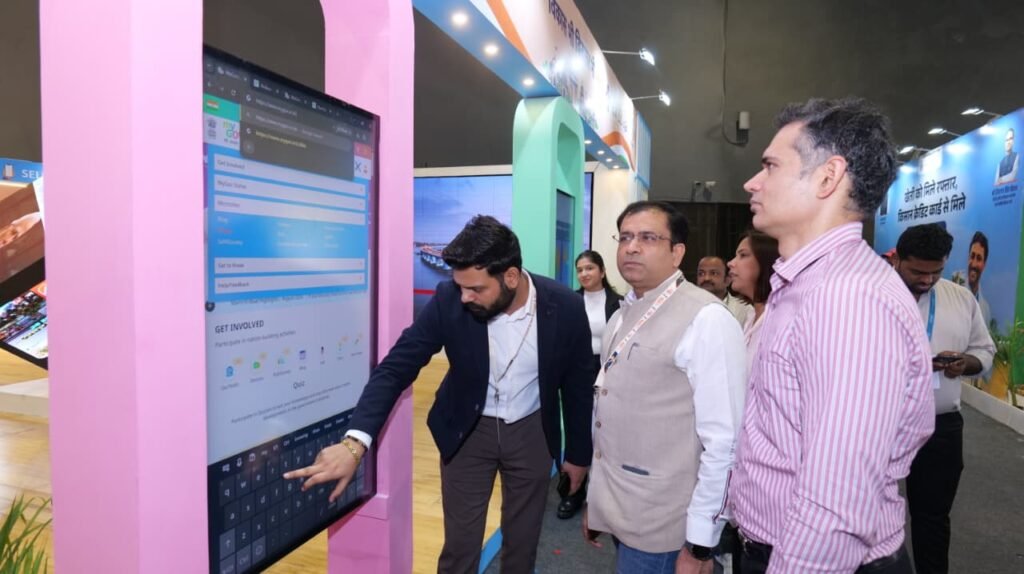
Digital Agriculture and Smart Farming Take Centre Stage
One of the key attractions is the demonstration of Digital Public Infrastructure (DPI) for Agriculture, featuring AgriStack, the Decision Support System (DSS) for geospatial intelligence and Augmented Reality/Virtual Reality (AR/VR)-based Digital Crop Surveys.
The pavilion also showcases the National Mission on Natural Farming, the Pulses Mission and Oilseeds Development initiatives, highlighting efforts to promote sustainable cultivation and strengthen domestic agricultural production.
Other technology-focused displays include:
- Micro-irrigation: Automated irrigation systems under the Per Drop More Crop initiative.
- Crop insurance: Demonstrations of the Pradhan Mantri Fasal Bima Yojana (PMFBY).
- Plant protection: Pest Surveillance System (NPSS), mobile applications and safe pesticide-use practices.
- Agricultural machinery: Displays of modern mechanical farming equipment.
Millets, Organic Produce and Regional Food Products Attract Visitors
The pavilion’s food and nutrition section has become a major attraction, particularly its millet display, supported by the Directorate of Millets Development.
Visitors can explore live millet seed samples, nutritional information and counters featuring processed and value-added millet products. The display highlights the growing importance of millets as nutritious food ingredients and opportunities for product diversification.
Regional FPOs are also presenting agricultural products that connect local producers with wider consumer and commercial markets.
Key offerings include:
| Region / FPO | Products showcased |
|---|---|
| Pampore, Jammu & Kashmir | Saffron, Kahwa and pure essential oils |
| Hargaon FPO | Multi-flavoured jaggery |
| Dasuya FPO | Black rice and Basmati rice varieties |
| Tangsim Agro FPO, Meghalaya | Exotic fruit wines, Lakadong turmeric and bamboo shoot pickles |
These displays highlight the potential of regional agricultural products, traditional food ingredients and value-added produce to reach new markets.
Hydroponics, Cocoa Processing and Honey Extraction Demonstrations
The pavilion also features developments in horticulture and allied agricultural sectors.
The National Horticulture Board (NHB) is demonstrating hydroponic farming, introducing visitors to soilless cultivation techniques and modern horticultural production systems.
The National Bee Board is conducting live beehive and honey-extraction demonstrations, while cocoa-processing displays provide insights into agricultural processing and value addition.
These interactive demonstrations are attracting families, children, agricultural professionals and other visitors interested in understanding how agricultural products move from cultivation to consumption.
FPOs Connect Regional Agriculture with Wider Markets
The participation of Farmer Producer Organisations and the electronic National Agriculture Market (e-NAM) network is another important feature of the pavilion.
By showcasing products directly through farmer-led organisations, the exhibition highlights opportunities for improving market access, promoting regional specialities and strengthening the commercialisation of agricultural produce.
The visit of the Joint Secretary (Extension), who interacted with exhibitors, farmers and technology innovators, further highlighted the importance of public engagement and awareness in promoting modern and sustainable agriculture.
Key Highlights
- Agriculture Pavilion at IITF 2026 opened on November 13 at Pragati Maidan, New Delhi.
- Organised by the Ministry of Agriculture and Farmers Welfare.
- Pavilion remains open daily until November 27, 2026.
- Digital agriculture displays include AgriStack, geospatial intelligence and AR/VR-based crop surveys.
- Millet counters feature nutritional education, seed samples and value-added products.
- FPOs showcase Kashmiri saffron, Kahwa, organic grains, Lakadong turmeric, fruit wines and bamboo shoot pickles.
- Live demonstrations include hydroponics, cocoa processing and honey extraction.
- Agricultural technologies cover micro-irrigation, crop insurance, pest surveillance and modern machinery.
Impact on Hospitality, Food & Beverage and Travel & Tourism
The Agriculture Pavilion has relevance beyond the agricultural sector, particularly for India’s hospitality, foodservice, food processing and tourism businesses.
1. New sourcing opportunities for hotels and restaurants
The participation of FPOs brings regional products such as Kashmiri saffron, Lakadong turmeric, specialty rice, jaggery and bamboo shoot pickles into the spotlight. Hotels, restaurants and chefs can explore these ingredients for regional menus, speciality cuisine and premium food offerings.
2. Opportunities for beverage innovation
The showcase of Kahwa, exotic fruit wines, honey and millet-based products highlights opportunities for beverage manufacturers, cafés, restaurants and hotel bars to explore regional ingredients and differentiated beverage concepts.
3. Growing potential for millet-based menus
The focus on processed and value-added millet products reinforces the opportunity for hotels, institutional caterers and restaurants to incorporate millet-based breakfast options, snacks, bakery products and health-focused menus.
4. Stronger farm-to-table connections
FPO participation and direct market-linkage initiatives could help hospitality businesses build stronger relationships with agricultural producers. This can support regional sourcing, traceability and more sustainable procurement models.
5. Agricultural exhibitions as visitor attractions
The pavilion demonstrates how agriculture-focused exhibitions can become engaging experiences for urban visitors, families and international trade audiences. Such initiatives can also complement business tourism and MICE activities by connecting agriculture, food innovation and trade promotion.
6. Value addition and food processing opportunities
Displays of cocoa processing, honey extraction and value-added regional products highlight opportunities for food processors, ingredient suppliers and entrepreneurs to develop commercially viable products for retail, hospitality and export markets.
Industry Takeaway
The Agriculture Pavilion at IITF 2026 offers more than a display of government agricultural schemes. It brings together farmers, FPOs, technology developers and regional food producers on a common platform, highlighting the commercial potential of India’s agricultural diversity.
For the hospitality and foodservice industry, the showcase provides a useful glimpse into emerging ingredients, regional food products, millet-based innovations and sustainable sourcing opportunities. Stronger connections between FPOs and hospitality buyers could help bring more locally distinctive agricultural products into hotel kitchens, restaurant menus and beverage programmes.
Visitor Information: The Agriculture Pavilion at Pragati Maidan, New Delhi, will remain open every day until November 27, 2026, as part of the India International Trade Fair 2026.